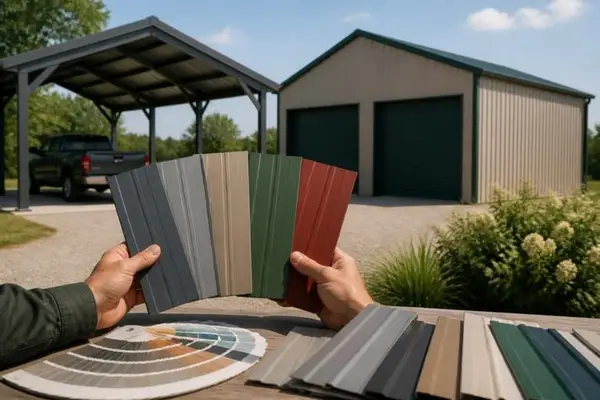


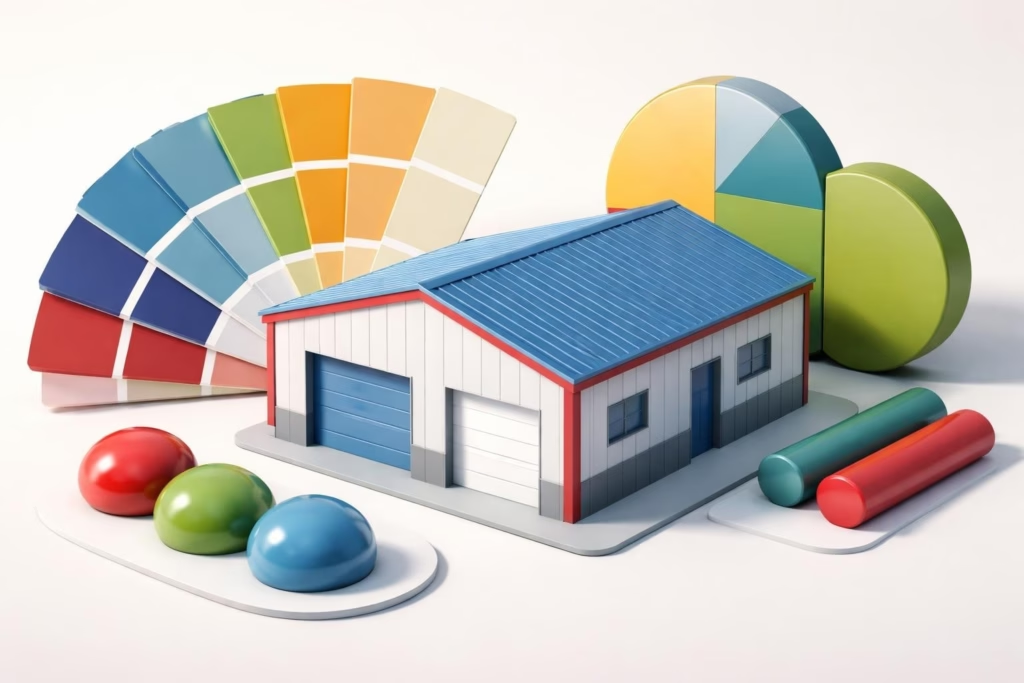
Selecting the right color combinations for metal buildings transforms a functional structure into an attractive addition to your property. Whether you're planning a carport, garage, workshop, or agricultural building, the colors you choose affect not only visual appeal but also energy efficiency, resale value, and how well the structure blends with its surroundings. With dozens of color options available from manufacturers today, understanding the principles of effective color coordination ensures you create a metal building that looks professional and stands the test of time.
Understanding Color Psychology for Metal Structures
The psychology behind color choices plays a significant role in how your metal building is perceived. Neutral tones like tan, beige, and gray convey professionalism and timelessness, making them popular choices for commercial properties and residential applications alike. Darker colors such as charcoal and forest green create a bold, substantial appearance that can make buildings seem more permanent and established.
Lighter shades reflect more sunlight, which can reduce cooling costs in warmer climates. This practical consideration makes white, light gray, and cream particularly valuable in southern regions. Conversely, darker colors absorb heat and may be preferable in cooler climates where the additional warmth provides benefits during winter months.
Regional Color Preferences
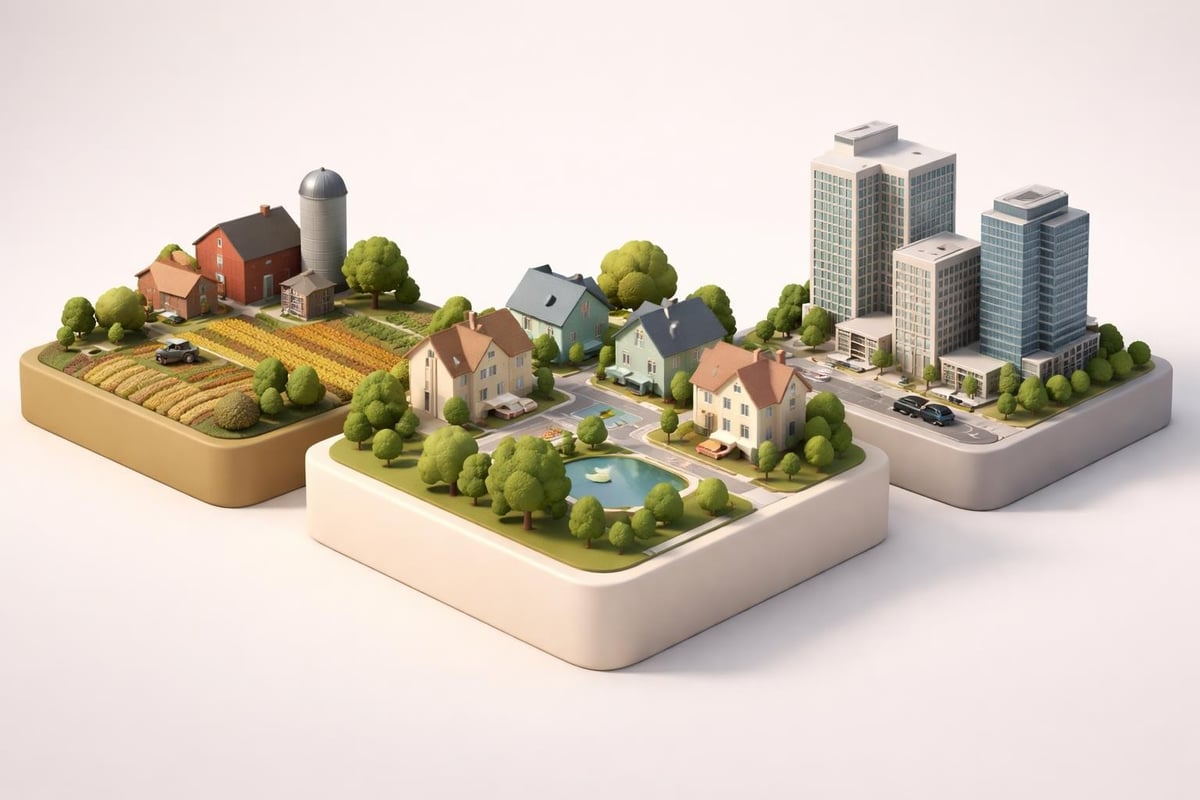
Geographic location significantly influences color selection trends. In rural agricultural areas, earth tones and barn red remain traditional favorites that complement natural landscapes. Suburban settings often feature color combinations that match residential architecture, with homeowners selecting colors that coordinate with their house trim or roofing.
Urban and commercial environments typically favor neutral palettes that project professionalism without drawing excessive attention. The extensive color options available from metal building manufacturers allow property owners to match specific branding requirements or municipal guidelines.
Classic Color Combinations That Always Work
Certain color combinations for metal buildings have proven their staying power across decades. These time-tested pairings provide visual balance while maintaining broad appeal that won't look dated in coming years.
Monochromatic Schemes
Single-color applications using the same hue for roof, walls, and trim create a clean, unified appearance. This approach works particularly well for utilitarian structures where simplicity is preferred. Common monochromatic choices include:
- All-gray buildings in light, medium, or charcoal tones
- Complete tan or beige structures for desert environments
- Uniform white buildings for maximum light reflection
- Solid green buildings that blend into wooded areas
Two-Tone Combinations
The most popular approach involves selecting two complementary colors that create visual interest without overwhelming the eye. This technique typically pairs a neutral base with a contrasting accent.
| Wall Color | Roof Color | Visual Effect |
|---|---|---|
| Tan | Brown | Warm, traditional appearance |
| Light Gray | Charcoal Gray | Modern, sophisticated look |
| White | Red | Bold, high-contrast statement |
| Beige | Forest Green | Natural, earth-friendly aesthetic |
| Clay | Galvanized | Contemporary industrial style |
The interactive color tools offered by building suppliers help visualize these combinations before making final decisions.
Incorporating Trim Colors for Added Dimension
Adding a third trim color elevates your metal building's appearance significantly. Trim applications around doors, windows, corners, and roof edges create architectural definition that makes structures look more refined and intentional.
Strategic trim placement breaks up large wall expanses and draws the eye to specific features. A contrasting trim color also provides practical benefits by making entryways more visible and improving overall safety through enhanced visibility.
Popular Trim Color Strategies
Lighter trim on darker buildings creates a framed effect that adds sophistication. This approach works particularly well on fully enclosed metal buildings where door and window openings benefit from visual emphasis. Dark trim on light buildings provides striking contrast that makes architectural details stand out.
Matching trim to roof color while using a different wall color creates vertical integration that makes buildings appear taller. This technique particularly benefits structures with lower roof pitches where additional visual height improves proportions.
Coordinating With Existing Structures
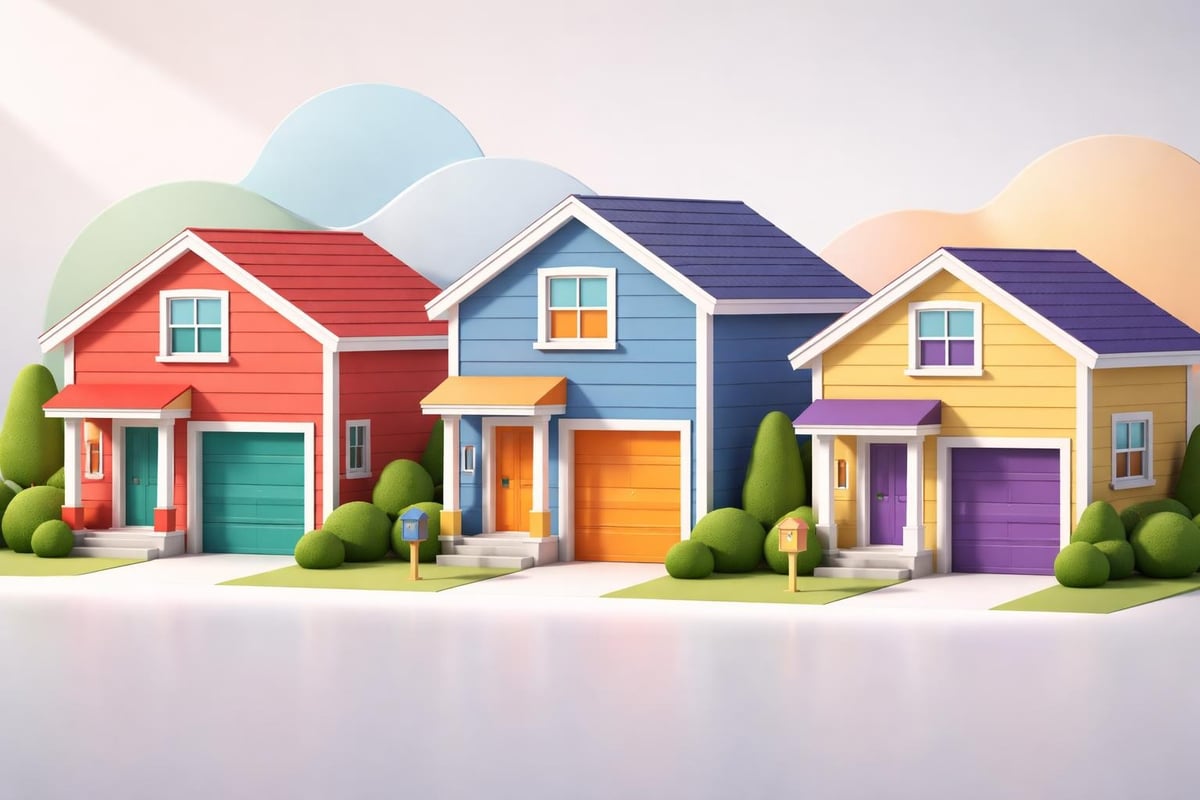
When adding a metal building to a property with existing structures, color coordination becomes crucial for maintaining visual harmony. Your new carport, garage, or workshop should complement rather than clash with surrounding buildings.
Matching Primary Residence Colors
Homeowners typically achieve best results by echoing colors from their main house. Consider these approaches:
- Match roof colors exactly between house and metal building
- Use house siding color as metal building trim
- Reverse the combination by making the carport walls match house roof
- Select neutral options that coordinate without exact matching
For properties in regions like Maryland or California, local architectural styles influence which coordination strategies work best.
Commercial Property Branding
Business owners should align metal building colors with corporate branding guidelines. This consistency reinforces brand identity across all property structures and creates a professional, cohesive appearance that customers notice.
Energy Efficiency Considerations in Color Selection
The relationship between color and energy performance shouldn't be overlooked when planning color combinations for metal buildings. Surface color directly impacts solar reflectance, which affects interior temperatures and associated cooling costs.
Light-colored roofs reflect up to 70% of solar radiation, while dark roofs may absorb 90% or more. This difference translates to measurable temperature variations inside the building, particularly in structures without climate control systems.
Cool Roof Technology
Modern metal building panels often incorporate cool roof coatings that enhance reflectivity even in darker colors. These specialized finishes allow property owners to select aesthetically preferred darker tones while maintaining improved energy performance compared to traditional dark coatings.
The selection of durable color options now includes many choices featuring these advanced reflective properties that didn't exist in earlier metal building generations.
Popular Color Trends in 2026
Current color preferences for metal buildings reflect broader architectural trends emphasizing natural aesthetics and contemporary minimalism. These trending combinations resonate with property owners seeking modern appearances.
Contemporary Neutrals
Gray continues dominating metal building color selections, with sophisticated gray-on-gray combinations proving especially popular. These pairings range from light pewter walls with charcoal roofs to reversed schemes featuring dark walls and lighter roof panels.
Taupe and greige (gray-beige hybrids) have emerged as sophisticated alternatives to traditional tan, offering warmth without appearing dated. These versatile shades coordinate beautifully with natural landscapes while maintaining contemporary appeal.
Earth-Inspired Palettes
Muted green tones, terracotta-inspired browns, and weathered wood aesthetics reflect growing interest in designs that integrate with natural surroundings. Property owners increasingly select colors that minimize visual impact rather than making bold statements.
| Trend Category | Primary Colors | Best Applications |
|---|---|---|
| Modern Minimalist | Grays, black, white | Urban commercial properties |
| Rustic Contemporary | Barn red, charcoal, tan | Agricultural buildings, workshops |
| Desert Aesthetic | Clay, sandstone, copper | Southwestern properties |
| Coastal Blend | Light blue-gray, white, silver | Properties near water |
Avoiding Common Color Selection Mistakes
Even with abundant options available, several frequent mistakes can undermine the final appearance of your metal building project. Understanding these pitfalls helps ensure satisfaction with your color choices.
Too Many Colors
Resist the temptation to incorporate more than three colors in a single structure. Excessive variety creates visual chaos rather than architectural interest. Buildings with four or more different colors rarely achieve the sophisticated appearance owners envision.
The most successful color combinations for metal buildings maintain restraint, using two or at most three coordinated hues that create harmony rather than competition.
Ignoring Surroundings
Selecting colors in isolation without considering the broader context often produces disappointing results. A color combination that looks attractive in a manufacturer's catalog may clash terribly with your property's existing landscape, neighboring structures, or regional character.
Visit the metal building color scheme resources that showcase real installations in various settings to see how colors perform in actual environments rather than sterile promotional materials.
Overly Trendy Choices
While staying current with trends has merit, selecting extremely fashionable colors risks creating a building that appears dated within a few years. Timeless combinations that balance contemporary appeal with lasting design principles provide better long-term value.
Testing Colors Before Final Commitment
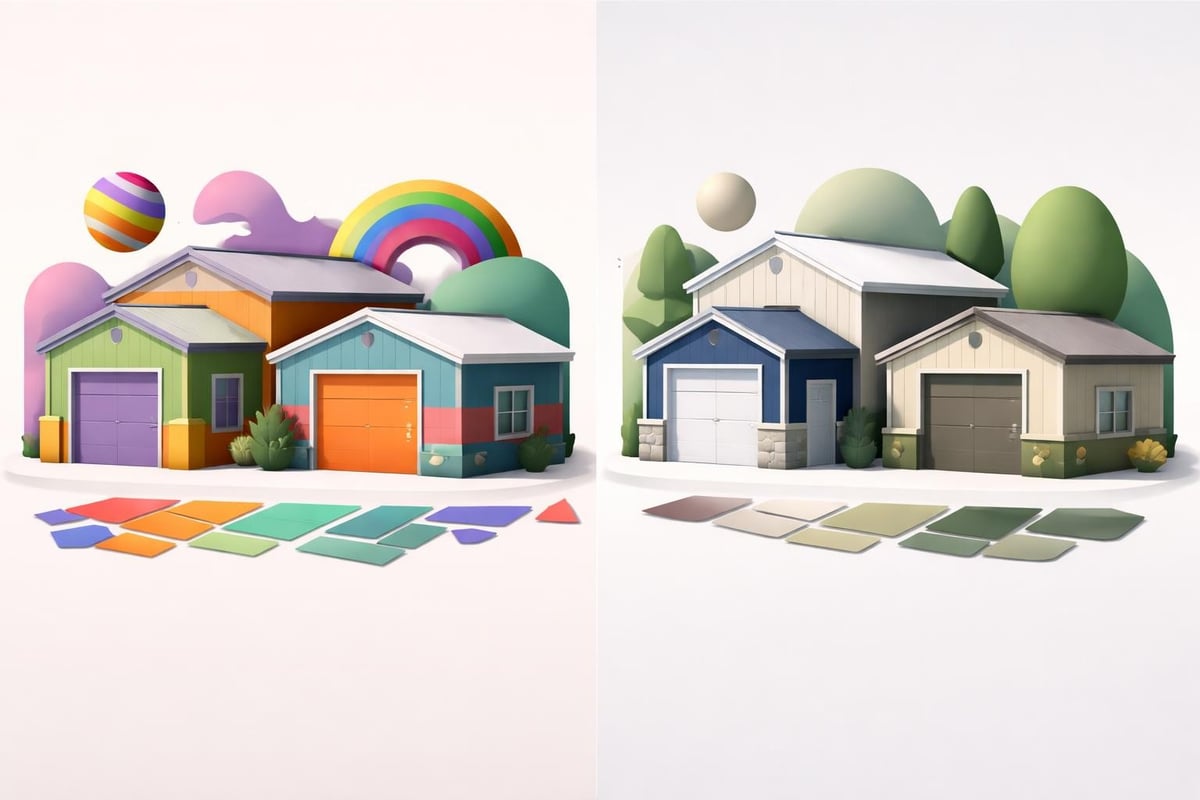
Most reputable metal building manufacturers provide sample panels or digital visualization tools that let you evaluate color combinations before placing final orders. Taking advantage of these resources prevents costly mistakes and buyer's remorse.
Physical Samples
Request actual metal panel samples in your selected colors whenever possible. These samples reveal how colors appear on the specific material and finish you'll receive, which may differ from printed swatches or digital representations.
View samples outdoors in natural light at different times of day. Colors shift dramatically between morning and afternoon sun, and between overcast and bright conditions. This evaluation process helps confirm your selections will satisfy you in all lighting scenarios.
Digital Visualization Tools
Interactive design applications like the online color selector platforms allow experimentation with unlimited combinations without cost or commitment. These tools provide valuable perspective on how different pairings affect overall building appearance.
Take screenshots of your favorite digital combinations and review them over several days before finalizing decisions. What seems appealing in the initial design session may lose its appeal after reflection, while other options grow more attractive with consideration.
Special Considerations for Agricultural Buildings
Agricultural structures including barns, equipment storage buildings, and livestock shelters have unique color considerations that differ from residential or commercial applications. For those investing in metal horse barns, color selection impacts both aesthetics and practical functionality, with options for additional leg height and various sheet metal gauges that coordinate with your chosen color palette.
Traditional Barn Colors
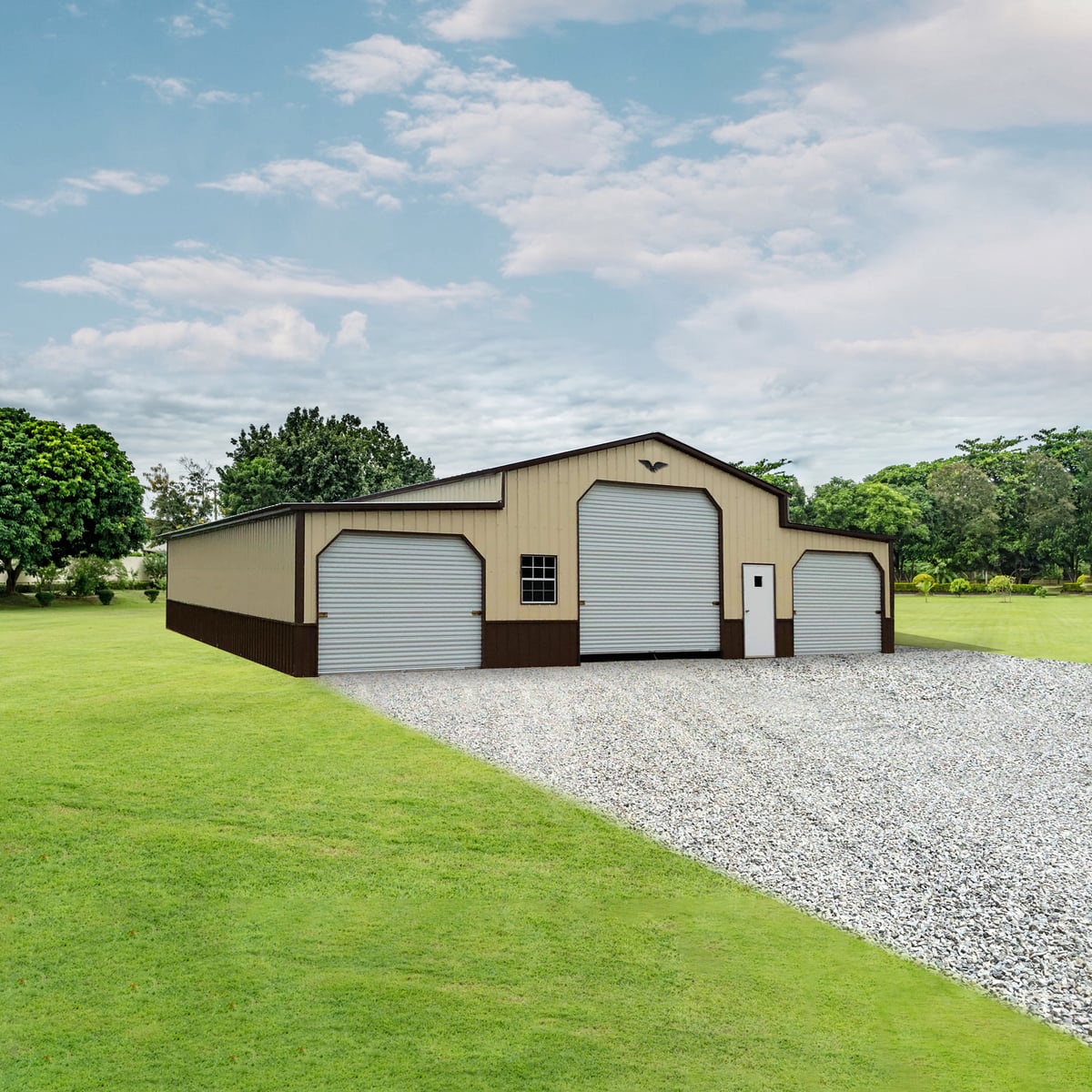
While classic barn red remains popular, modern agricultural buildings increasingly feature earth tones that blend into rural landscapes. Forest green, brown, and tan dominate current farm building color selections, providing low-maintenance appearances that age gracefully.
These practical colors also hide dust, pollen, and minor dirt accumulation better than lighter shades, reducing cleaning frequency required to maintain appearance.
Livestock Comfort Factors
Animal welfare considerations influence color choices for structures housing livestock. Excessively dark roofs that absorb heat can create uncomfortable interior temperatures during summer months, while very light colors may produce glare that disturbs animals.
Moderate tones like medium gray, tan, and sage green typically provide the best balance between aesthetic preferences and animal comfort requirements.
Climate-Specific Color Recommendations
Geographic climate patterns should inform color selection decisions for optimal performance and longevity. Regional weather conditions affect both energy efficiency and long-term color retention.
Hot, Sunny Climates
Properties in desert environments and southern regions benefit most from lighter color combinations that reflect solar radiation. White, light gray, and cream walls paired with similarly light roofs minimize heat absorption and reduce cooling costs.
Consider the specialized pricing and options available in regions like West Texas where intense sun exposure makes color selection particularly important.
Cold, Snowy Regions
Northern climates where heating costs exceed cooling expenses may benefit from darker colors that absorb winter sunlight. However, the effect is modest compared to proper insulation, so aesthetic preferences should remain the primary consideration.
In areas like Iowa and Minnesota, selecting colors that complement snowy winter landscapes and lush summer greenery ensures year-round visual appeal.
Coastal Areas
Salt air and high humidity in coastal regions accelerate paint degradation on many building materials. Premium metal building finishes resist these corrosive conditions, but lighter colors tend to show salt deposits and weathering less conspicuously than dark tones.
Maintenance and Longevity of Different Colors
Color durability varies based on pigment chemistry and coating technology. Understanding these differences helps predict how your metal building will age and what maintenance requirements you'll face.
Fade Resistance
Modern metal building panels feature advanced paint systems with excellent UV resistance, but some colors inherently resist fading better than others. Earth tones, grays, and white typically maintain their original appearance longer than bright primary colors or deep blues.
Manufacturers often provide specific fade warranties that vary by color, with premium neutral shades carrying the longest guarantees. Review these warranty details when making final color selections.
Showing Dirt and Wear
Practical maintenance considerations extend beyond fading. Medium-tone colors like tan, light brown, and sage green camouflage dust, pollen, and minor scratches better than pure white or very dark shades.
High-contrast combinations show dirt more readily at color transition points where roof meets walls or trim meets panels. While these combinations create attractive visual definition, they require more frequent cleaning to maintain pristine appearance.
Maximizing Resale Value Through Color Selection
Future marketability deserves consideration even if you don't plan to sell your property soon. The color combinations for metal buildings you select today will influence buyer perception and property value if you eventually list the property.
Neutral, broadly appealing colors attract the widest buyer pool and raise the fewest objections during property showings. While bold, personalized color schemes reflect individual taste, they may limit appeal to future buyers with different preferences.
Universal Appeal Factors
Real estate professionals consistently recommend these approaches for maximum marketability:
- Choose colors that complement rather than clash with the primary residence
- Avoid highly unusual or personalized color combinations
- Select neutral tones that appeal across demographic groups
- Ensure colors suit the property's overall character and neighborhood context
Properties with well-coordinated, tastefully colored metal buildings command premium prices compared to those with clashing or poorly maintained structures.
Coordinating Multiple Buildings on One Property
Properties with several metal structures require cohesive color planning across all buildings. Whether you're adding to existing structures or planning multiple buildings simultaneously, strategic coordination creates unified, professional appearances.
Consistent Color Families
Using variations within the same color family maintains harmony while allowing individual structures to have distinct identities. For example, different gray tones across multiple buildings create visual interest without the chaos of completely unrelated colors.
This approach works particularly well for properties with combination units and separate storage buildings that serve different functions but should appear intentionally coordinated.
Accent Color Repetition
Repeating a single accent or trim color across multiple structures with different primary colors provides the visual thread that ties everything together. This technique allows functional buildings to have appropriate individual colors while maintaining property-wide cohesion.
Working With Manufacturers and Customization Options
Understanding manufacturer capabilities and limitations helps set realistic expectations for your color preferences. Not all suppliers offer identical color selections or customization flexibility.
Standard Versus Custom Colors
Most metal building suppliers maintain inventories of panels in popular standard colors that ship quickly and cost less than special orders. These standard color palettes typically include:
- Several gray options from light to charcoal
- Multiple tan and beige variations
- White and off-white shades
- Brown tones
- Red options
- Green selections
- Galvanized (unpainted) metal
Custom colors outside standard inventories involve longer lead times and premium pricing but allow exact color matching to specific requirements.
Special Finishes and Coatings
Beyond basic color selection, various finish options affect appearance and performance. Matte finishes provide subtle, sophisticated appearances with minimal glare, while higher-gloss finishes offer enhanced color depth and vibrancy.
The comprehensive guide to color and finish options helps property owners understand the full range of customization possibilities available.
Budget-Friendly Color Strategies
Achieving attractive color combinations for metal buildings doesn't require premium budgets. Several strategies deliver sophisticated results while controlling costs.
Standard color selections avoid custom order premiums while still providing ample variety for attractive combinations. With typically 20-30 standard colors available from major suppliers, most property owners find suitable options without special orders.
Strategic Upgrades
If budget constraints prevent implementing your ideal color scheme initially, consider these phased approaches:
- Start with standard colors for the primary structure
- Plan future additions in coordinating premium colors
- Add trim colors later as budget allows
- Upgrade finishes during maintenance cycles
For those exploring rent-to-own options, prioritizing essential structural features over premium color selections may provide better overall value.
Seasonal Considerations and Visual Impact
How your metal building looks changes with seasonal shifts in surrounding landscape colors. Accounting for these variations ensures year-round satisfaction with your color selections.
Spring and summer greenery provides lush backdrops that make earth tones and neutral colors appear particularly attractive. These seasons showcase how well-chosen color combinations for metal buildings integrate with natural surroundings.
Fall foliage creates warm color palettes that complement tan, brown, and burgundy building colors while potentially clashing with cool grays or blues. Winter's muted landscape makes buildings more visually prominent, emphasizing the importance of selecting colors that stand well on their own.
Properties in four-season climates benefit from neutral color combinations that transition gracefully through changing environmental colors rather than looking perfect in one season but awkward in others.
Professional Color Consultation Resources
When uncertainty about color selection persists, professional assistance provides valuable guidance. Several resources offer expert advice for optimizing your metal building's appearance.
Many metal building suppliers employ design consultants who provide complimentary color coordination advice based on photos of your property and surrounding structures. These specialists understand how different colors perform in various applications and can suggest combinations you might not have considered.
Local building contractors familiar with regional preferences offer another valuable perspective, particularly regarding which colors suit specific architectural styles prevalent in your area.
Online resources including the comprehensive color selection guides and manufacturer tools help you explore options systematically and make informed decisions based on visual previews rather than guesswork.
Making Your Final Color Decision
After evaluating all these factors, making your final color selection requires balancing aesthetic preferences, practical considerations, and budget realities. Trust your instincts while remaining grounded in the research you've conducted.
Review your top three color combinations over several days, visualizing them on your actual property in different lighting and weather conditions. Share options with family members or business partners whose opinions matter, gathering diverse perspectives before committing.
Remember that while color selection feels permanent and significant, modern metal building finishes provide decades of attractive service regardless of specific hues chosen. Any well-coordinated combination from reputable suppliers will serve you well.
The enhanced curb appeal, improved property value, and personal satisfaction resulting from thoughtfully selected color combinations for metal buildings justify the time invested in making informed decisions. Your metal structure will showcase your careful planning for years to come.
Selecting the right color combinations transforms your metal building from a simple storage solution into an attractive property asset that enhances overall aesthetics and value. Whether you're adding a carport, workshop, barn, or storage building, thoughtful color coordination ensures results you'll appreciate for decades. Metal Structure Sales LLC helps customers throughout the design process, offering extensive customization options for metal carports, RV covers, and horse barns with delivery and installation included. Explore how Metal Structure Sales LLC can bring your vision to life with durable, attractive metal structures tailored to your specific needs.