

Building and structures represent the foundation of modern civilization, providing shelter, workspace, and protection for people, vehicles, and equipment. Whether you're planning a residential garage, commercial warehouse, or protective cover for your valuable assets, understanding the fundamentals of building and structures ensures you make informed decisions that balance cost, durability, and functionality. In 2026, the construction industry continues to evolve with innovative materials and techniques that enhance structural integrity while reducing installation time and overall expenses.
Understanding Building and Structures Fundamentals
The term "building and structures" encompasses a broad range of construction projects, from simple single-purpose covers to complex multi-story facilities. Each project requires careful consideration of purpose, location, environmental factors, and regulatory requirements. According to comprehensive building construction resources, proper planning begins with defining your specific needs and constraints.
Defining Your Project Scope
Before breaking ground on any building and structures project, establishing clear objectives prevents costly modifications later. Consider these essential questions:
- What will the structure primarily protect or house?
- What are the dimensional requirements for height, width, and length?
- How long do you need the structure to last?
- What environmental conditions will it face?
- What is your realistic budget including installation?
Site assessment forms the critical first step. Evaluate soil conditions, drainage patterns, accessibility for construction equipment, and proximity to utilities. Poor site preparation accounts for nearly 30% of structural issues that develop within the first five years of a building's life.
Material Selection for Longevity
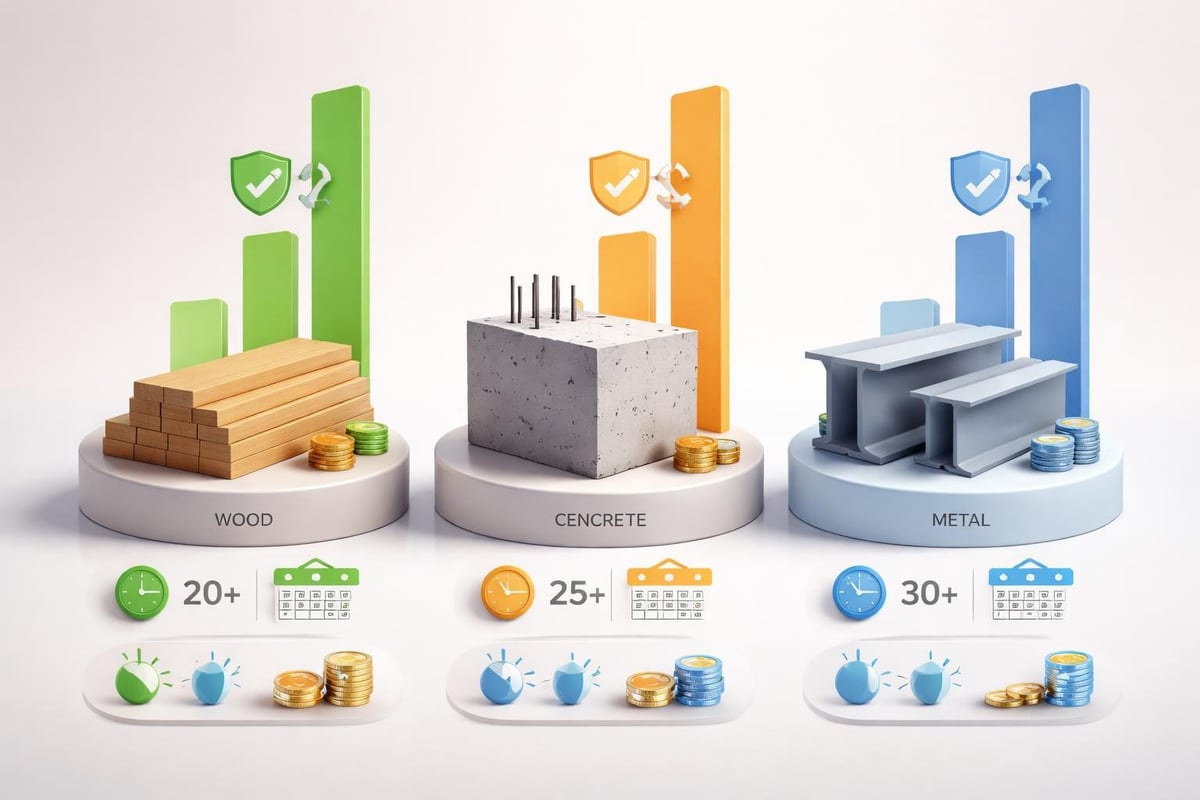
Modern building and structures benefit from decades of material science advancement. The choice between wood, concrete, and metal significantly impacts durability, maintenance requirements, and total cost of ownership.
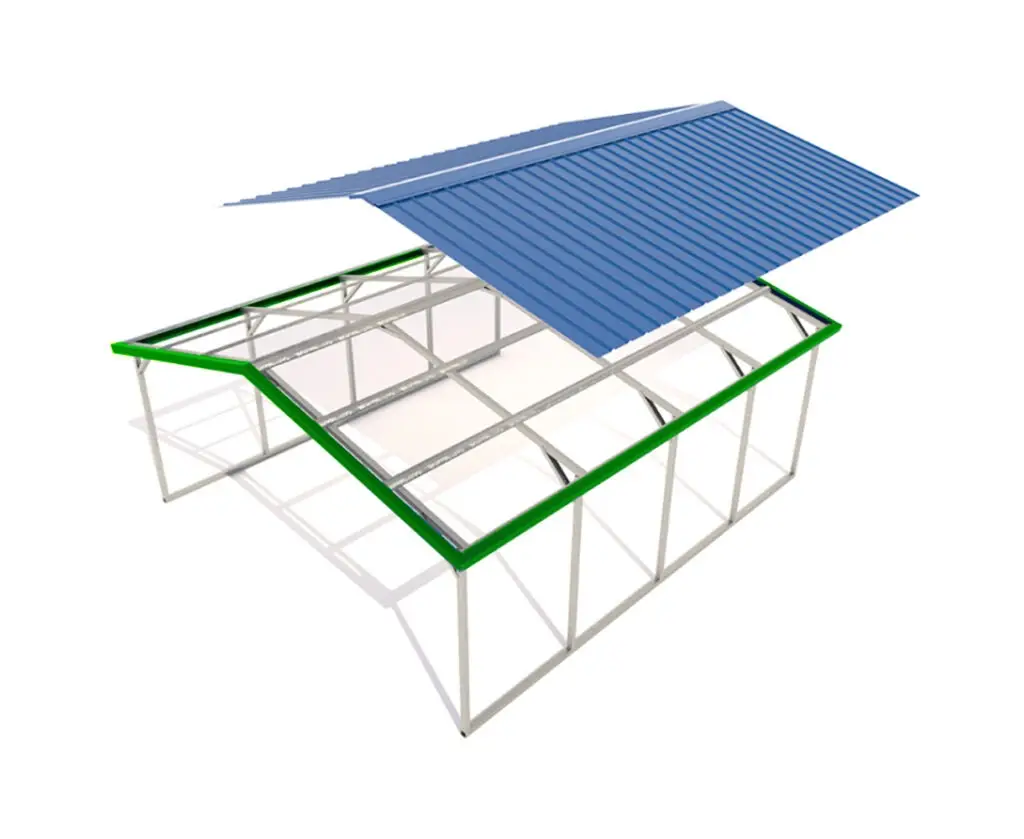
Metal structures have gained substantial market share due to their exceptional strength-to-weight ratio and minimal maintenance needs. Steel frames resist rot, termites, and fire while supporting larger spans with fewer support columns. These advantages make metal particularly suitable for carports, equipment storage, and agricultural applications where interior space maximization matters.
Building Codes and Regulatory Compliance
Every building and structures project must comply with local, state, and federal regulations designed to ensure public safety. The U.S. building codes framework provides standardized requirements that states and municipalities adopt or modify based on regional needs.
Navigating Code Requirements
Building codes address critical safety elements including:
- Structural load requirements – Snow loads, wind loads, and seismic considerations
- Foundation specifications – Depth, width, and reinforcement standards
- Electrical systems – Wiring, grounding, and circuit protection
- Fire safety – Materials ratings and egress requirements
- Accessibility standards – ADA compliance for commercial structures
Wind and snow loads vary dramatically across the United States. A structure in coastal Florida faces hurricane-force wind requirements exceeding 140 mph, while a building in northern Maine must withstand snow loads of 70 pounds per square foot or more. Understanding these regional variations ensures your building and structures meet safety standards without over-engineering.
| Region | Typical Wind Load | Typical Snow Load | Seismic Consideration |
|---|---|---|---|
| Southeast Coastal | 140+ mph | 10-20 psf | Low |
| Northeast | 90-110 mph | 50-70 psf | Low to Moderate |
| Midwest | 90-115 mph | 25-40 psf | Moderate |
| Mountain West | 90-120 mph | 60-100+ psf | Moderate to High |
| West Coast | 85-110 mph | 10-50 psf | High |
Permit Process and Inspections
Most building and structures exceeding 200 square feet require building permits. The permit process typically involves:
- Submitting detailed construction plans
- Paying permit fees based on project value
- Scheduling foundation inspections
- Arranging framing inspections
- Completing final occupancy inspections
Working with experienced contractors who understand local permitting streamlines this process considerably. They maintain relationships with building officials and know exactly what documentation satisfies requirements in your jurisdiction.
Construction Methods and Best Practices
Modern building and structures employ various construction methodologies, each offering distinct advantages depending on project parameters. Understanding these approaches helps you select the most efficient method for your specific situation.
Pre-Engineered vs. Stick-Built Approaches
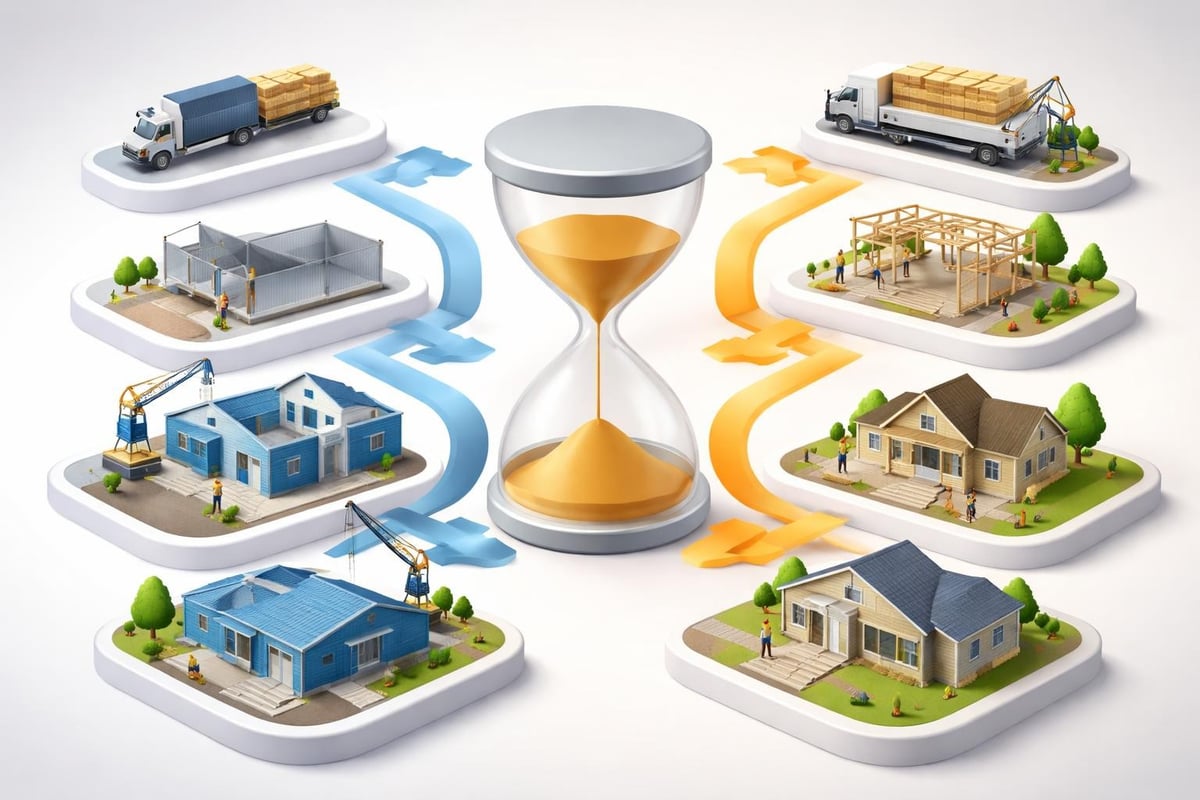
Pre-engineered building and structures arrive on-site with components manufactured to precise specifications in controlled factory environments. This method offers several compelling benefits:
- Faster installation reducing labor costs by 40-60%
- Consistent quality through automated manufacturing processes
- Reduced waste with optimized material utilization
- Lower total cost despite sometimes higher material prices
Stick-built construction provides maximum customization flexibility but requires more skilled labor and longer installation periods. For standard building and structures like carports or storage buildings, pre-engineered solutions typically deliver better value.
Foundation Systems
Proper foundation design ensures building and structures remain stable and level throughout their service life. Common foundation types include:
Concrete slab foundations work well for enclosed structures requiring floor systems. A 4-inch reinforced slab with proper vapor barriers prevents moisture intrusion and provides a durable surface for decades.
Pier and beam systems offer cost advantages for open structures like carports. Concrete piers extend below frost lines and support steel columns or posts. This approach requires less concrete than slab foundations while providing excellent stability.
Anchor systems secure lighter building and structures to existing concrete surfaces. Mobile home anchors, expansion bolts, and epoxy-set anchors provide wind resistance without requiring new foundation construction.
Customization Options and Features
Today's building and structures market offers extensive customization possibilities that weren't available even five years ago. Buyers can specify nearly every aspect of their structure to match exact requirements and aesthetic preferences.
Dimensional Flexibility
Standard building and structures come in common sizes, but custom dimensions accommodate unique needs. Width options typically range from 12 feet to 60 feet, lengths extend in increments matching your space requirements, and heights adjust from standard 6-foot eaves to 16-foot clearances for oversized vehicles or equipment.
When planning carport dimensions, measure your vehicles or equipment and add at least 2-3 feet on all sides. This buffer allows comfortable maneuvering and accounts for items like mirrors, antennas, or attachments that extend beyond the main body.
Roof Styles and Their Advantages
Roof configuration significantly impacts both appearance and functionality in building and structures:
- Regular roof style – Most economical option with rounded roof panels running horizontally
- Boxed eave style – Squared roof lines with horizontal panels for a more finished appearance
- Vertical roof style – Premium option with panels running vertically from ridge to eave, providing superior water and snow runoff
Vertical roof designs command price premiums of 15-25% but deliver measurable benefits in areas with significant precipitation or snow accumulation. The vertical panel orientation prevents debris accumulation and allows snow and rain to shed immediately rather than pooling.
Additional Enhancements
Modern building and structures accept numerous enhancements that expand functionality:
| Enhancement | Primary Benefit | Cost Impact |
|---|---|---|
| Enclosed sides | Weather protection, security | +30-50% |
| Gable ends | Extra headroom, aesthetic appeal | +10-15% |
| Extended legs | Clearance for tall vehicles | +8-12% per foot |
| Extra anchors | Enhanced wind resistance | +5-8% |
| Insulation | Temperature control | +20-30% |
| Windows/doors | Natural light, access | Varies by quantity |
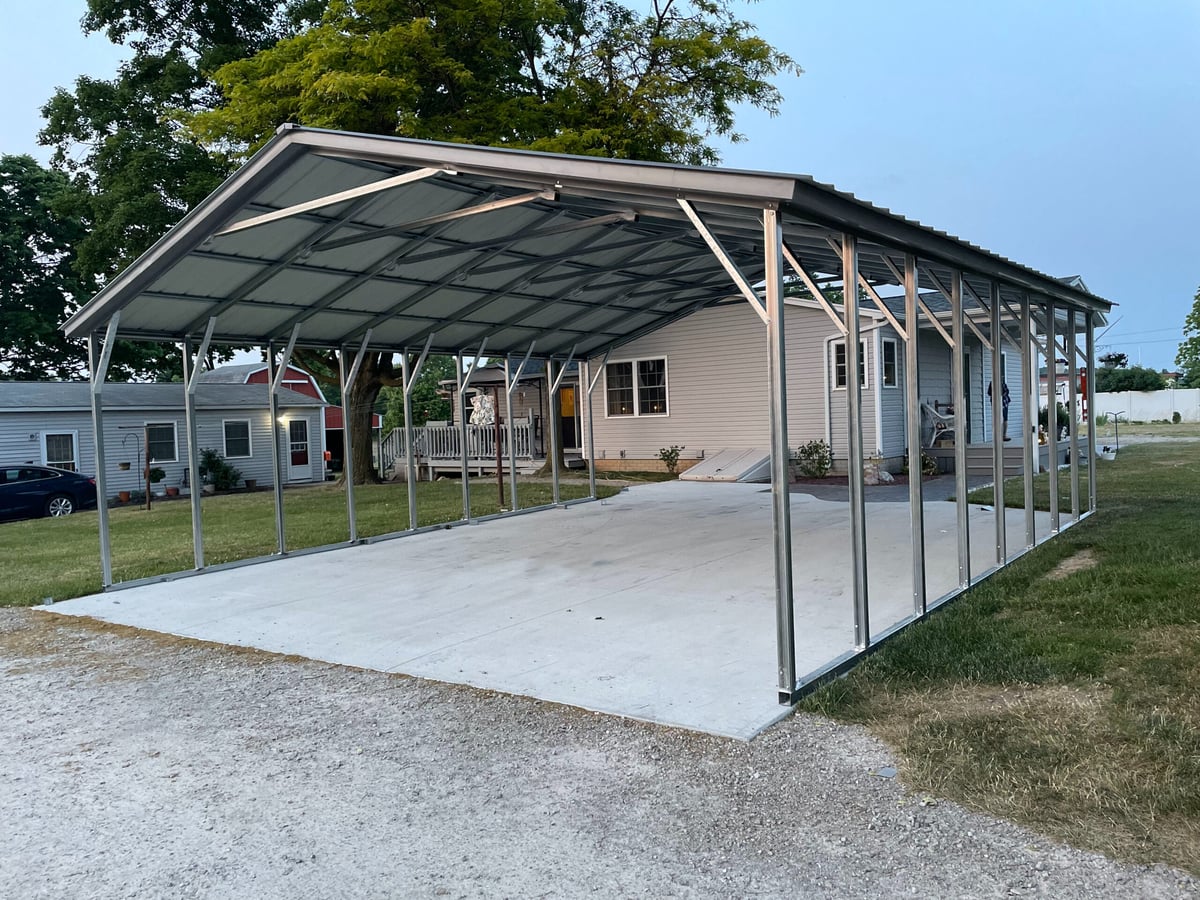
For those needing versatile protection, Metal Carport options provide extensive customization through user-friendly design tools that let you visualize and price your structure before ordering. The ability to see exactly how configuration changes affect both appearance and cost helps you make informed decisions that balance your needs with your budget.
Site Preparation and Installation
Successful building and structures projects require thorough site preparation before installation begins. Inadequate preparation leads to drainage problems, uneven surfaces, and premature structural issues.
Ground Leveling Requirements
Level ground ensures proper structural alignment and load distribution across foundation points. Most building and structures require sites leveled within 3 inches across the entire footprint. For larger structures exceeding 30 feet in any dimension, tolerance tightens to within 2 inches.
Professional grading equipment handles this work efficiently, but smaller projects may allow manual leveling with basic tools. Establishing proper drainage slope away from the structure prevents water accumulation that can undermine foundations over time.
Installation Timeline Expectations
Pre-engineered building and structures typically install much faster than traditional construction. A standard single-car carport installs in 4-6 hours with a two-person crew. Larger or more complex building and structures may require 1-2 days depending on:
- Structure size and complexity
- Site accessibility for equipment
- Weather conditions
- Customization features
- Soil conditions affecting anchor installation
Professional installation ensures warranty coverage and code compliance. While DIY installation saves money initially, improper techniques can void warranties and create safety hazards that cost far more to correct than professional installation would have cost.
Maintenance and Long-Term Care
Quality building and structures require minimal maintenance compared to wood construction, but periodic attention extends service life and preserves appearance. Developing a simple maintenance schedule prevents small issues from becoming expensive repairs.
Metal Structure Maintenance
Metal building and structures benefit from these straightforward maintenance practices:
- Annual washing removes dirt, pollen, and debris that trap moisture
- Gutter cleaning prevents water overflow that can erode ground around anchors
- Touch-up painting addresses any scratches or chips in protective coatings
- Anchor inspection ensures bolts remain tight and concrete remains intact
- Panel examination identifies potential issues before they worsen
Most metal building and structures feature galvanized steel with protective paint coatings that resist rust for 20-30 years with minimal maintenance. This durability makes metal an excellent long-term investment compared to materials requiring regular treatment, sealing, or replacement.
Weather-Related Considerations
Different climates present unique challenges for building and structures. Coastal environments demand corrosion-resistant fasteners and additional coating protection against salt air. Northern climates benefit from steeper roof pitches that shed snow more effectively. Desert regions should include UV-resistant paint formulations that resist fading.
Understanding your local climate helps you specify appropriate features during the design phase. Scholarly research on building construction demonstrates that climate-appropriate design choices dramatically extend structure lifespan compared to one-size-fits-all approaches.
Cost Considerations and Value Analysis
Building and structures represent significant investments that should provide value for years or decades. Understanding cost factors helps you make decisions that align with both immediate budgets and long-term financial goals.
Initial Investment Components
The total cost of building and structures includes several distinct elements:
Material costs constitute 40-60% of the total for most metal structures. Steel prices fluctuate based on market conditions, but pre-engineered manufacturers often lock prices for several months, protecting buyers from sudden increases.
Labor and installation typically account for 25-35% of total project cost. Professional installation ensures proper anchoring, square alignment, and code compliance. Many suppliers include installation in quoted prices, simplifying budgeting.
Site preparation varies widely based on existing conditions. A level, cleared site requires minimal investment, while sloped or heavily vegetated sites may need significant grading and clearing work.
Permits and inspections usually run 3-5% of material costs but vary by jurisdiction. Some rural areas require no permits for simple carport structures, while urban areas may impose substantial permit fees and inspection requirements.
Comparing Long-Term Value
Smart buyers evaluate building and structures based on total cost of ownership rather than just initial price. Consider this 20-year comparison:
| Factor | Metal Structure | Wood Structure |
|---|---|---|
| Initial cost | Baseline | 15-25% less |
| Annual maintenance | $50-100 | $300-500 |
| Repainting/treatment | $0-200 every 10 years | $800-1,200 every 3-5 years |
| Repair costs | Minimal | Moderate to high |
| Insurance premium | Standard | Often higher (fire risk) |
| 20-year total cost | Baseline | 20-35% more |
This analysis reveals that lower initial costs don't always translate to better value. The minimal maintenance requirements and exceptional durability of metal building and structures deliver superior long-term value despite sometimes higher upfront investment.
Specialized Applications and Unique Needs
Building and structures serve countless specialized purposes beyond basic vehicle storage or equipment protection. Understanding these applications helps you identify features that add value for your specific situation.
Agricultural and Livestock Applications
Farms and ranches rely on building and structures for equipment storage, hay protection, and livestock shelter. Agricultural structures often require larger dimensions to accommodate tractors, combines, and implements. Many incorporate additional features like:
- Reinforced framing for heavy equipment loads
- Extended roof overhangs for additional weather protection
- Multiple access points for efficient workflow
- Ventilation systems for livestock comfort
The investment in quality agricultural building and structures pays dividends through equipment longevity and reduced crop losses to weather damage.
Recreational Vehicle Protection
RV ownership continues growing, with over 11 million American households owning recreational vehicles in 2026. These significant investments require protection from sun, rain, snow, and hail that cause thousands of dollars in damage annually. Specialized RV covers and carports accommodate vehicles ranging from small campers to 45-foot Class A motorhomes with adjustable height and width configurations.
Commercial and Industrial Uses
Businesses utilize building and structures for customer parking, equipment storage, loading areas, and outdoor workspace. Commercial applications often include additional features like:
- Extended warranties for business asset protection
- Engineered certifications for insurance requirements
- Custom colors matching corporate branding
- Integrated lighting and electrical systems
For detailed information on researching specific building types, university libraries maintain comprehensive resources that help identify best practices for various applications.
Design Trends and Modern Innovations
The building and structures industry continues evolving with new technologies and design approaches that improve performance while reducing costs. Staying informed about these developments helps you make forward-looking decisions.
Energy Efficiency Integration
Modern building and structures increasingly incorporate energy-efficient features like:
- Reflective roof coatings reducing heat absorption by 30-40%
- Insulation packages meeting or exceeding code requirements
- Solar panel mounting systems integrated into roof designs
- LED lighting with occupancy sensors
These features add 10-20% to initial costs but deliver substantial ongoing savings, particularly for enclosed or climate-controlled building and structures.
Aesthetic Advancements
Today's building and structures offer appearance options that were unavailable just a few years ago. Multiple color choices, trim packages, and architectural details allow structures to complement existing buildings rather than appearing purely utilitarian. Matching your home's trim colors or incorporating similar roof pitches creates visual harmony across your property.
Smart Technology Integration
Some building and structures now accommodate smart technology including:
- Security cameras with smartphone monitoring
- Automated lighting triggered by motion or schedules
- Climate monitoring for temperature-sensitive storage
- Door sensors alerting you to unauthorized access
These systems integrate seamlessly with existing home automation platforms, providing convenient monitoring and control from anywhere.
Regional Considerations Across the United States
Building and structures requirements vary significantly across different regions of the United States. What works perfectly in Arizona may perform poorly in Maine. Understanding these regional differences ensures your structure meets local challenges effectively.
Snow Load Regions
The reference resources from engineering authorities detail snow load requirements that increase progressively from southern states toward northern regions. Building and structures in areas with heavy snowfall should specify:
- Vertical roof designs for optimal snow shedding
- Reinforced framing with closer purlin spacing
- Steeper roof pitches exceeding 3:12 slope
- Additional anchoring to resist sliding snow loads
High Wind Zones
Coastal regions and tornado-prone areas require enhanced wind resistance specifications. Building and structures in these zones benefit from:
- Engineered certifications for specific wind speeds
- Additional ground anchors beyond standard requirements
- Reinforced frame connections at critical stress points
- Impact-resistant panels where hail occurs frequently
Seismic Considerations
Western states with earthquake activity require building and structures designed for lateral movement. Flexible connections, reinforced anchoring, and specific bracing patterns help structures withstand seismic events without catastrophic failure.
Making Informed Purchase Decisions
Selecting the right building and structures involves evaluating multiple factors beyond just price and size. A systematic approach ensures you invest in a structure that serves your needs reliably for decades.
Supplier Evaluation Criteria
Not all building and structures suppliers offer equivalent products or service. Evaluate potential suppliers based on:
- Years in business and customer testimonials
- Material specifications and quality standards
- Installation services and crew experience
- Warranty coverage and claim process
- Customization options and design flexibility
Established suppliers with comprehensive warranties demonstrate confidence in their products and commitment to customer satisfaction. Be wary of suppliers offering significantly lower prices than competitors, as this often indicates inferior materials or inadequate engineering.
Asking the Right Questions
Before committing to any building and structures purchase, obtain clear answers to these critical questions:
- What gauge steel is used in the frame and panels?
- Are delivery and installation included in the quoted price?
- How long does the warranty cover the structure?
- What wind and snow loads is the structure certified for?
- What is the complete timeline from order to installation?
- Are permits handled by the supplier or customer?
Reputable suppliers answer these questions directly and provide documentation supporting their specifications. Vague or evasive responses should raise concerns about product quality or business practices.
Understanding Financing Options
Many building and structures suppliers offer financing programs that spread costs over manageable monthly payments. Financing typically includes:
- Rent-to-own programs requiring no credit check with higher total costs
- Traditional financing through banks or credit unions at competitive rates
- Promotional periods with deferred interest for qualified buyers
Compare total costs across financing options, as interest charges can significantly increase the final price. For larger building and structures, securing pre-approval from your bank often yields better rates than supplier financing.
Understanding building and structures from planning through maintenance empowers you to make decisions that deliver lasting value and reliable performance. Whether you need vehicle protection, equipment storage, or specialized coverage, selecting quality materials, proper engineering, and professional installation ensures decades of trouble-free service. Metal Structure Sales LLC provides customizable solutions with delivery and installation included, making it easy to get the perfect structure for your needs without the complexity of coordinating multiple contractors or suppliers.