

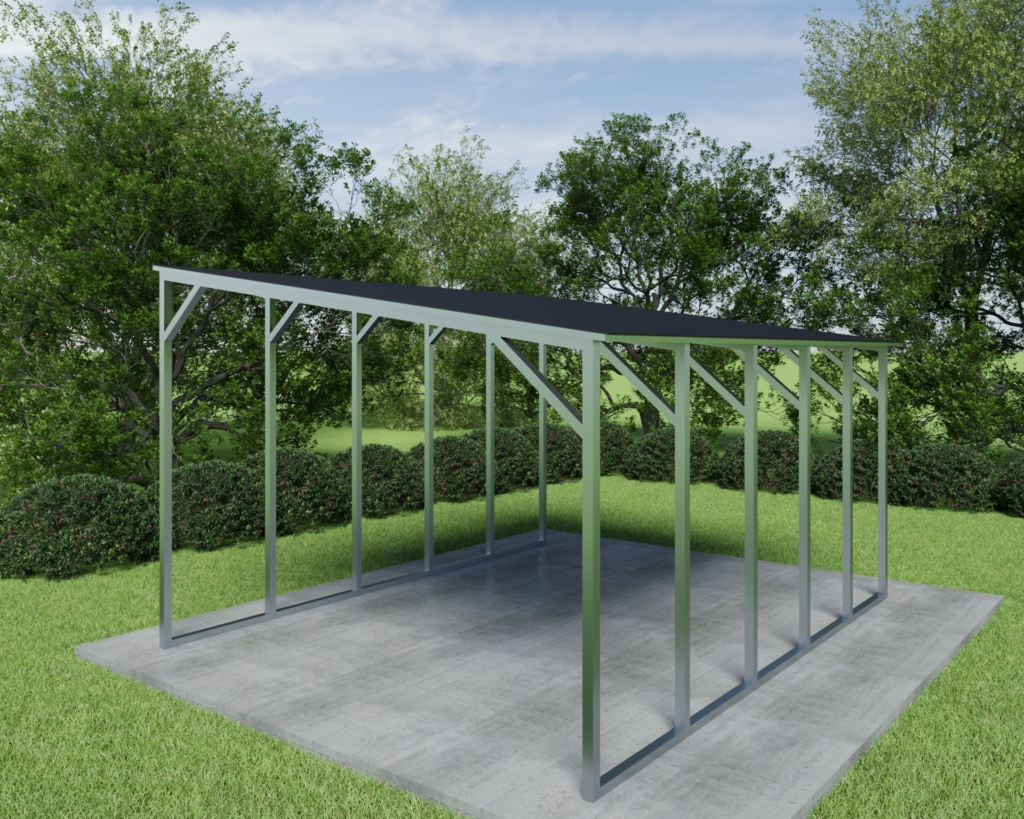
A free standing metal carport represents one of the most versatile and cost-effective solutions for vehicle protection available in 2026. Unlike attached structures that require connection to existing buildings, these standalone units offer complete flexibility in placement, design, and usage. Property owners across America are increasingly recognizing the value of these independent structures, which combine durability, affordability, and customization options that traditional garages simply cannot match. Whether you need protection for cars, trucks, boats, or recreational vehicles, understanding the features and benefits of a free standing metal carport helps you make an informed investment decision.
Understanding Free Standing Metal Carport Structures
A free standing metal carport operates as a completely independent structure, supported by vertical posts and topped with a durable metal roof. These units require no attachment to homes, garages, or other buildings, which provides significant advantages in terms of placement flexibility and installation simplicity.
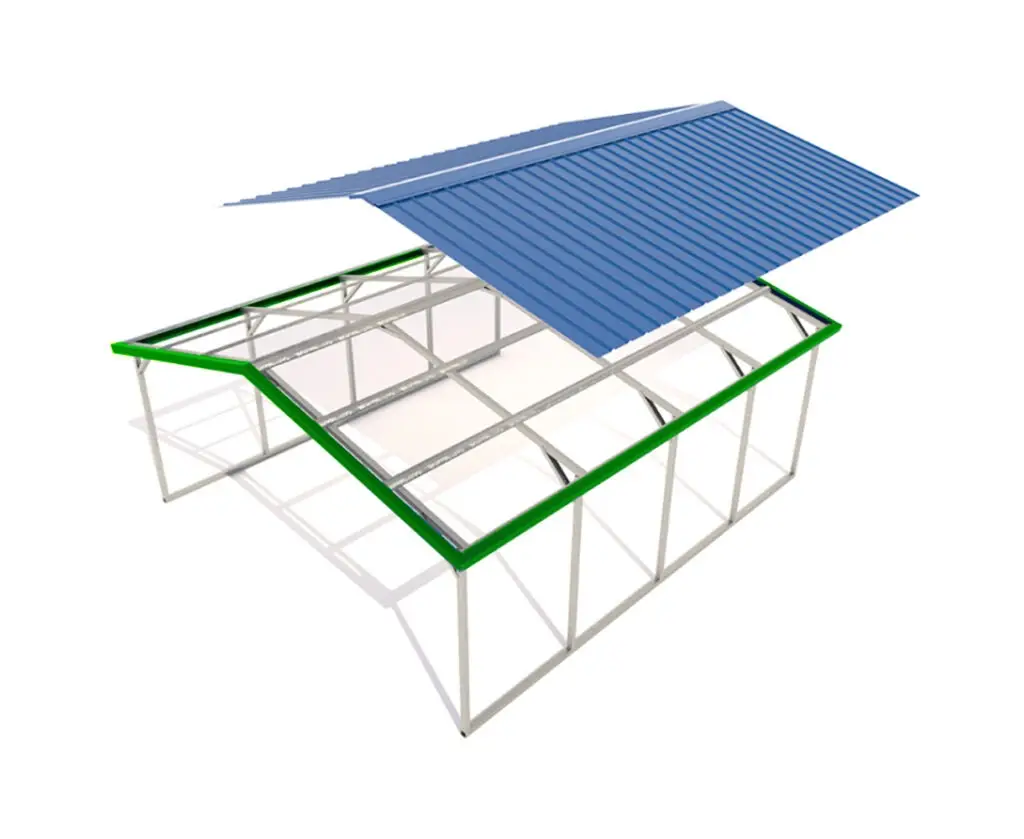
The fundamental design consists of several key components that work together to create a robust protective shelter. Steel or aluminum posts anchor into concrete footings, providing the structural foundation. Horizontal beams connect these posts at the top, creating the framework that supports the roof panels. The roofing itself typically features galvanized steel or aluminum panels designed to shed water, resist wind, and protect against UV damage.
Key Structural Components
Modern free standing metal carport designs incorporate engineering advances that maximize strength while minimizing material costs. The primary elements include:
-
Vertical support posts with gauge ratings between 12 and 14 for residential applications
-
Horizontal roof beams that distribute weight and resist snow loads
-
Roof panels manufactured from 26-gauge or 29-gauge steel
-
Bracing systems that add lateral stability during wind events
-
Anchor systems that secure the structure to concrete foundations
The spacing between posts typically ranges from 10 to 12 feet, creating bay configurations that accommodate various vehicle sizes. This modular approach allows manufacturers to scale dimensions precisely to customer requirements without custom fabrication costs.
Sizing Your Free Standing Metal Carport
Selecting the correct dimensions for a free standing metal carport requires careful consideration of current needs and future uses. Standard widths begin at 12 feet for single-vehicle protection and extend to 24 feet for double-wide configurations. Custom widths up to 60 feet accommodate commercial applications, multiple vehicles, or equipment storage.
Length measurements typically start at 20 feet and increase in five-foot increments. A 12×21-foot unit provides adequate coverage for a standard sedan, while trucks and SUVs benefit from 12×26-foot or larger dimensions. Height represents the third critical dimension, with standard leg heights ranging from seven feet to 16 feet or more.
Standard Size Configurations
|
Width |
Length |
Best For |
Typical Capacity |
|---|---|---|---|
|
12 ft |
21 ft |
Compact cars, sedans |
1 vehicle |
|
18 ft |
21 ft |
Large trucks, small RVs |
1-2 vehicles |
|
20 ft |
21 ft |
Two cars side by side |
2 vehicles |
|
24 ft |
26 ft |
Multiple vehicles, workspace |
2-3 vehicles |
|
30 ft |
30 ft |
RVs, boats, equipment |
Commercial use |
Property owners should measure their vehicles carefully, adding at least three feet to width and length measurements to ensure comfortable clearance. Door opening heights matter significantly for lifted trucks or RVs, making precise height calculations essential.
Installation Process and Requirements
Installing a free standing metal carport involves several distinct phases that typically span two to five days depending on size and site conditions. Professional installation services handle the entire process, though experienced DIY builders can tackle smaller units with proper equipment and assistance.
Site preparation begins with selecting a level location that provides adequate drainage. The installation team marks post locations according to engineering specifications, then excavates holes for concrete footings. These footings must extend below the frost line in cold climates to prevent heaving during freeze-thaw cycles.
Step-by-Step Installation Sequence
-
Site evaluation and preparation including grading and drainage assessment
-
Foundation excavation with holes measuring 12-18 inches in diameter
-
Concrete pouring for footings with proper curing time (24-48 hours)
-
Post installation with vertical alignment and temporary bracing
-
Horizontal beam attachment connecting posts at the roofline
-
Roof panel installation starting from one end and overlapping properly
-
Bracing installation to add lateral stability and wind resistance
-
Final inspection verifying all connections and structural integrity
Building permits may be required depending on local zoning ordinances and structure size. Many jurisdictions require permits for any structure exceeding 120 square feet or structures intended for permanent installation. Checking with your local building department before beginning carport installation prevents costly delays and potential fines.
Roof Style Options for Maximum Protection
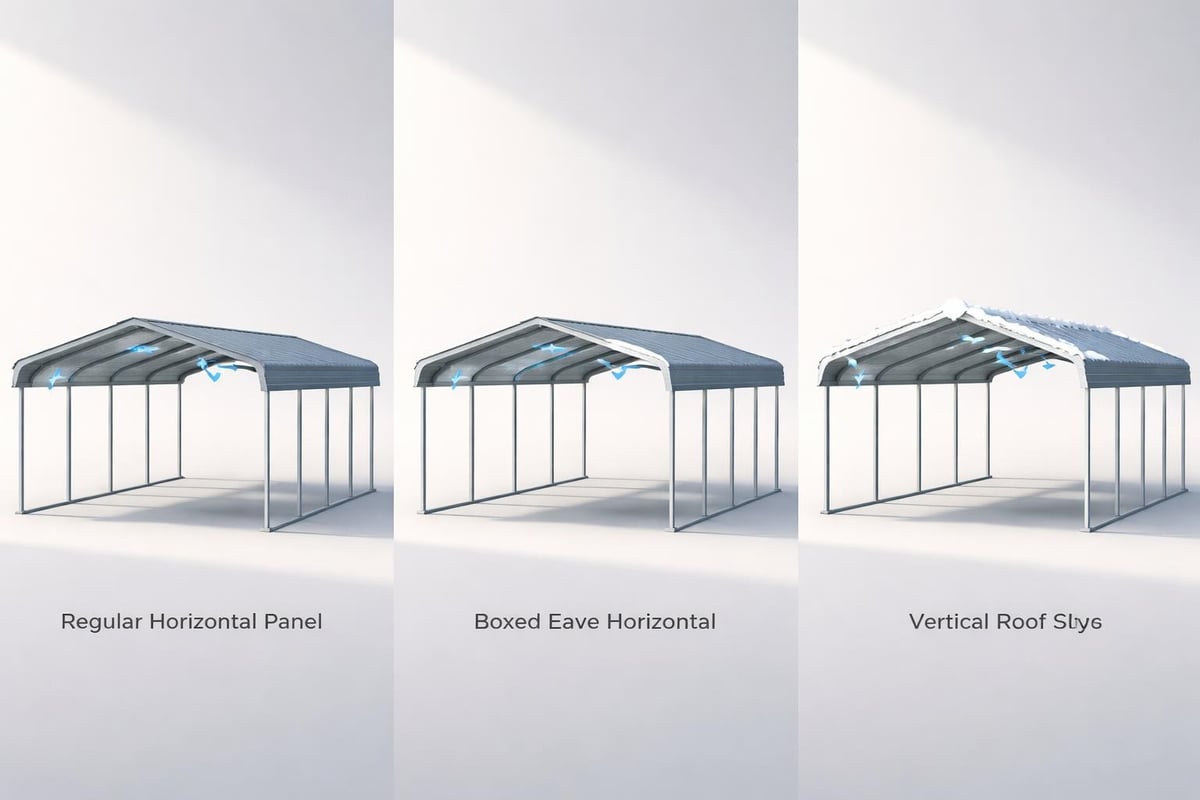
The roof style you select for your free standing metal carport significantly impacts both aesthetics and performance. Three primary roof configurations dominate the market in 2026, each offering distinct advantages for different climates and budgets.
Regular roof style features horizontal panels that run perpendicular to the structure’s length. This economical option works well in areas with minimal snowfall and moderate weather conditions. The rounded corners and simpler design reduce manufacturing costs while still providing reliable protection.
Boxed eave roof style positions panels horizontally but adds boxed trim along the eaves for a cleaner appearance. This mid-range option offers better water runoff than regular roofs and presents a more finished look that complements residential architecture.
Vertical roof style aligns panels vertically from ridge to eave, creating a peaked roof design that excels in heavy snow regions and areas with significant rainfall. The vertical orientation allows precipitation to slide off efficiently, preventing accumulation that could stress the structure.
Roof Style Comparison
|
Feature |
Regular Roof |
Boxed Eave |
Vertical Roof |
|---|---|---|---|
|
Cost |
Lowest |
Moderate |
Highest |
|
Snow shedding |
Fair |
Good |
Excellent |
|
Wind resistance |
Good |
Good |
Superior |
|
Aesthetic appeal |
Basic |
Enhanced |
Premium |
|
Certification eligible |
Limited |
Moderate |
Full engineering |
The vertical roof design qualifies for engineering certifications that meet stringent building codes in high-wind and heavy-snow regions. This certification often satisfies insurance requirements and adds resale value to your property.
Customization Features and Add-Ons
Modern free standing metal carport designs accommodate extensive customization, transforming basic shelters into specialized structures tailored to specific needs. These enhancements add functionality, security, and weather protection beyond what standard open designs provide.
Enclosed sides represent the most popular modification, converting open carports into partially or fully enclosed buildings. Adding one or two gable ends creates a more finished appearance while blocking wind-driven rain from specific directions. Many property owners appreciate exploring the full range of options in a Metal Carport to understand how customization can maximize their investment.
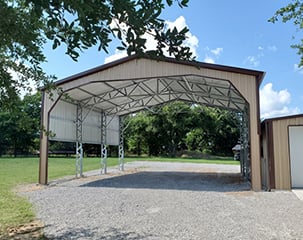
Wall panels can be added to any or all sides, with options for full enclosure or partial walls that leave one or more sides open. This flexibility allows you to create enclosed storage spaces, workshops, or protected areas for temperature-sensitive equipment.
Popular Enhancement Options
-
Garage doors in 8×8, 9×7, 9×8, or 10×10 configurations for vehicle access
-
Walk-in doors with frame and lockset for pedestrian entry
-
Windows to add natural light and ventilation
-
Insulation packages for climate-controlled environments
-
Gutters and downspouts for improved water management
-
Concrete flooring for clean, level surfaces
-
Electrical packages including wiring, outlets, and lighting
Color selection extends beyond basic options, with many manufacturers offering 15 to 20 color choices for roof and trim. Matching your free standing metal carport to existing structures creates visual cohesion across your property.
Maintenance Requirements and Longevity
One of the most compelling advantages of a free standing metal carport lies in its minimal maintenance requirements compared to wood structures. Properly installed units manufactured from quality materials deliver decades of reliable service with only basic care.
Galvanized steel panels resist rust through a zinc coating that sacrifices itself to protect the underlying metal. This galvanization process, combined with powder-coated finishes, creates a barrier against moisture and oxidation. Panels typically carry warranties ranging from 20 to 40 years depending on gauge and coating specifications.
Annual Maintenance Checklist
Regular inspections and minor maintenance tasks preserve your investment and ensure optimal performance:
-
Visual inspection of all panels for damage, loose fasteners, or rust spots
-
Panel cleaning using mild soap and water to remove dirt and debris
-
Fastener tightening checking all bolts and screws for proper tension
-
Drainage verification ensuring water flows away from the foundation
-
Touch-up painting on any areas where coating has been damaged
-
Debris removal from roof surfaces and around support posts
Metal structures avoid the termite damage, rot, and decay that plague wooden carports. They don’t require repainting every few years or replacement of deteriorating boards. This durability translates to lower lifetime ownership costs despite potentially higher initial investment compared to budget wood alternatives.
Cost Factors and Budget Planning
Understanding the pricing structure for a free standing metal carport helps you budget accurately and identify the best value for your specific requirements. Multiple variables influence final costs, from basic dimensions to customization choices and regional installation expenses.
Base prices start around $1,200 for small single-car units with regular roofs and open sides. Mid-range double-wide structures with vertical roofs typically cost between $3,500 and $6,000. Large enclosed buildings with multiple garage doors and full customization can exceed $15,000 depending on specifications.
Size represents the most significant cost driver, with pricing generally calculated per square foot. Material gauge affects pricing modestly, with heavier 12-gauge framing adding approximately 15-20% over standard 14-gauge structures. Roof style selection impacts costs substantially, with vertical roofs commanding 25-40% premiums over regular styles.
Price Range by Configuration
|
Size Category |
Regular Roof |
Boxed Eave |
Vertical Roof |
|---|---|---|---|
|
12×21 (252 sq ft) |
$1,200-$1,800 |
$1,500-$2,200 |
$1,800-$2,800 |
|
18×21 (378 sq ft) |
$1,800-$2,600 |
$2,200-$3,200 |
$2,800-$4,200 |
|
20×26 (520 sq ft) |
$2,600-$3,800 |
$3,200-$4,600 |
$4,000-$6,000 |
|
24×30 (720 sq ft) |
$3,600-$5,200 |
$4,400-$6,400 |
$5,600-$8,400 |
Installation and delivery typically add $500 to $2,000 depending on distance from the manufacturer and site accessibility. Concrete work for permanent foundations increases total project costs by $800 to $2,500 based on local labor rates and number of posts requiring footings.
For budget-conscious buyers, finding carports for sale cheap requires balancing quality with cost-effectiveness, focusing on reputable manufacturers who offer competitive pricing without compromising structural integrity.
Climate Considerations and Regional Adaptations
Geographic location significantly influences the specifications your free standing metal carport requires for optimal performance. Snow loads, wind speeds, and seismic activity vary dramatically across the United States, necessitating engineering adjustments to ensure structural adequacy.
Northern states contend with heavy snow accumulation that exerts substantial downward force on roof structures. Building codes in these regions specify minimum snow load ratings measured in pounds per square foot. A free standing metal carport in Minnesota requires certification for 40-60 PSF snow loads, while similar structures in Georgia need only accommodate 10-20 PSF.
Regional Specification Requirements
Coastal areas face hurricane-force winds that create both uplift forces and lateral loads. Wind speed ratings for metal carports in Florida, Louisiana, and Texas frequently exceed 140 mph, requiring additional anchoring, heavier gauge materials, and engineered connections. Desert regions experience extreme temperature fluctuations and intense UV exposure, making proper panel coatings essential for longevity.
Manufacturers provide engineering certifications tailored to specific counties and municipalities, documenting that structures meet or exceed local building codes. These certifications prove invaluable during permitting processes and insurance evaluations. Understanding factors that influence metal carport prices helps buyers in different regions anticipate the premium costs associated with enhanced specifications.
Comparing Free Standing Versus Attached Designs
Choosing between a free standing metal carport and an attached design requires evaluating several practical and aesthetic considerations. Each configuration offers distinct advantages that suit different property layouts and usage scenarios.
Attached carports connect directly to existing structures, utilizing the building’s wall as one side of the shelter. This design reduces material requirements and creates covered pathways from vehicles to interior spaces. The structural dependency on the existing building, however, limits flexibility in placement and may require modifications to home exteriors.
Free standing alternatives provide complete independence, allowing placement anywhere on your property that meets setback requirements. You can position these structures away from your home to create dedicated parking areas, workshop spaces, or equipment storage zones. The standalone nature means no risk of water infiltration into existing structures and no need to match attachment points precisely.
Design Comparison Matrix
Advantages of Free Standing Designs:
-
Placement flexibility anywhere on the property
-
No structural impact on existing buildings
-
Easier permit approval in many jurisdictions
-
Simpler installation without home modifications
-
Better resale appeal as standalone structures
Attached Design Benefits:
-
Covered access from vehicle to interior spaces
-
Reduced material costs using existing walls
-
Potential for shared utilities and connections
-
Integrated appearance with existing architecture
-
Smaller overall footprint on the property
Property value considerations favor free standing metal carport installations in most cases, as they function as independent improvements rather than modifications to primary structures. This distinction matters significantly during property appraisals and sales transactions.
Foundation Options and Ground Preparation
The foundation system supporting your free standing metal carport determines its long-term stability and resistance to environmental forces. Several foundation approaches accommodate different soil conditions, budgets, and permanence requirements.
Concrete footings represent the gold standard for permanent installations, providing maximum stability and load distribution. Installers excavate holes at each post location, extending below the frost line to prevent seasonal movement. Rebar reinforcement adds tensile strength to the concrete, while anchor bolts embedded during pouring create secure post attachments.
Mobile home anchors offer an economical alternative for smaller structures in areas with stable soil. These auger-style anchors screw deep into the ground, then connect to carport posts through adjustable cables or straps. While less permanent than concrete, they provide adequate stability for many applications.
Foundation Selection Guide
-
Concrete piers – Best for permanent installations and all soil types
-
Asphalt mounting – Suitable for existing paved surfaces with proper anchors
-
Gravel pads – Acceptable for temporary installations in good soil conditions
-
Mobile home anchors – Economical choice for smaller units in stable soil
-
Concrete slabs – Premium option providing both foundation and flooring
Ground preparation extends beyond the immediate post locations. Proper grading ensures water drains away from the structure rather than pooling underneath. A slight slope of 1-2% creates adequate drainage without affecting the structure’s level installation.
Gravel bases beneath the carport provide additional benefits, creating a clean surface that resists mud formation and facilitates water percolation. A four-inch layer of crushed stone compacted firmly creates an excellent foundation for unpaved carport areas.
Legal Considerations and Permitting
Navigating the regulatory landscape surrounding free standing metal carport installation requires attention to multiple overlapping jurisdictions. Building codes, zoning ordinances, and homeowners association rules all potentially impact your project.
Building permits verify that proposed structures meet minimum safety standards for snow loads, wind resistance, and structural integrity. Most jurisdictions require permits for permanent structures exceeding specific square footage thresholds, typically 100-200 square feet. Temporary or portable installations sometimes avoid permit requirements, though definitions of “temporary” vary by locality.
Setback requirements mandate minimum distances between structures and property lines. These regulations prevent overcrowding and maintain sight lines for traffic safety. Common setback requirements range from five feet to 20 feet depending on whether the property line abuts streets, alleys, or neighboring parcels.
Permit Application Process
The typical permit application requires several key documents and pieces of information:
-
Site plan showing structure location relative to property boundaries
-
Engineering certifications documenting code compliance for loads
-
Foundation details specifying footing depth and reinforcement
-
Manufacturer specifications including materials and dimensions
-
Fee payment varying from $50 to $500 based on structure value
Homeowners associations impose additional restrictions beyond municipal codes, often addressing aesthetic concerns like color matching, architectural style compatibility, and visibility from streets. Reviewing your HOA covenant thoroughly before purchasing prevents expensive modifications or removal orders.
Properties in historic districts face heightened scrutiny regarding exterior modifications. Historic preservation boards may require specific materials, colors, or designs to maintain neighborhood character.
Enhancing Security and Protection
While a basic free standing metal carport provides weather protection, additional security measures transform these structures into secure storage facilities. Property owners storing valuable vehicles, equipment, or tools benefit substantially from enhanced security features.
Enclosing open sides eliminates casual access and creates defined entry points that can be secured properly. Adding walls to three sides while leaving the front open creates a sheltered workspace while maintaining vehicle access convenience. Full enclosure with locking garage doors provides maximum security comparable to traditional garages.
Lighting systems deter potential intruders while improving functionality during early morning or evening hours. LED fixtures mounted to roof beams provide energy-efficient illumination that lasts decades with minimal maintenance. Motion-activated lights add security without wasting electricity during unoccupied periods.
Security Enhancement Options
Physical Barriers:
-
Roll-up or sectional garage doors with quality locking mechanisms
-
Walk-in doors with deadbolts and reinforced frames
-
Window bars or security film on any glass openings
-
Perimeter fencing integrated with the carport structure
Surveillance and Detection:
-
Security cameras with motion detection and night vision
-
Alarm systems with door and window sensors
-
Motion-activated lighting around the perimeter
-
Smart locks providing remote access control
Concrete flooring contributes to security by eliminating the possibility of unauthorized access through floor tunneling and creating a solid surface for mounting security equipment. The smooth surface also makes it easier to spot items that don’t belong.
Multipurpose Applications Beyond Vehicle Storage
The versatility of a free standing metal carport extends far beyond simple vehicle protection, making these structures valuable for numerous property enhancement applications. Creative property owners discover innovative uses that maximize their investment returns.
Outdoor entertainment spaces benefit from the shade and weather protection metal carports provide. Adding ceiling fans, lighting, and outdoor furniture transforms these structures into comfortable gathering areas for barbecues, parties, or casual relaxation. The open sides maintain airflow while the roof blocks harmful UV rays and unexpected rain showers.
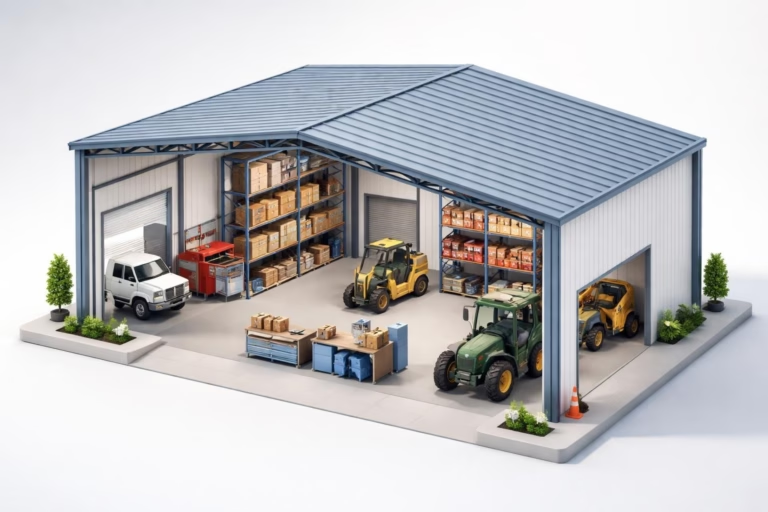
Workshop and hobby spaces emerge naturally from enclosed free standing metal carport designs. The clear-span construction eliminates interior posts, creating wide-open work areas perfect for woodworking, automotive repair, or craft projects. Electrical service enables power tools and equipment operation, while the durable metal construction withstands the inevitable dings and impacts that accompany active workspaces.
Creative Usage Scenarios
Agricultural applications leverage the weather protection and durability metal carports offer. Farmers use these structures to protect hay storage, shield livestock during extreme weather, and house farm equipment that doesn’t require fully enclosed barns. The quick installation and expandable design make them ideal for growing agricultural operations.
Commercial applications include:
-
Equipment staging areas for contractors and landscapers
-
Outdoor inventory storage for retailers and wholesalers
-
Covered loading docks for warehouses and distribution centers
-
Vehicle maintenance facilities for fleet operations
-
Farmers market stalls and outdoor retail spaces
Boat and RV storage represents one of the fastest-growing applications for larger free standing metal carport installations. These recreational vehicles require protection from sun damage and weather exposure but often don’t fit in standard residential garages. A properly sized carport preserves these expensive assets while maintaining convenient access for spontaneous adventures.
Energy Efficiency and Environmental Impact
Metal carports demonstrate surprising energy efficiency advantages when used as attached workshops or climate-controlled storage spaces. Understanding these benefits helps property owners make informed decisions about insulation, ventilation, and utility installations.
Reflective metal roofing naturally deflects solar radiation, reducing heat absorption compared to dark asphalt shingles. This reflectivity keeps covered vehicles cooler during summer months, protecting interiors from sun damage and reducing the thermal load when you first enter the vehicle. White or light-colored roof panels maximize this benefit.
Insulation packages transform basic free standing metal carport structures into comfortable workspaces maintaining moderate temperatures year-round. Spray foam insulation applied between the panels and an interior finish creates thermal barriers that reduce heating and cooling costs substantially. The tight metal construction naturally limits air infiltration compared to wood-frame buildings with numerous joints and gaps.
Sustainable Material Advantages
Steel manufacturing relies increasingly on recycled content, with many metal carport panels containing 60-80% recycled material. At the end of their service life, these panels remain completely recyclable, avoiding landfill disposal. This closed-loop recycling system reduces the environmental impact compared to wood structures that often end up as waste.
The longevity of metal structures contributes positively to sustainability calculations. A free standing metal carport serving reliably for 30-40 years requires no replacement materials during that period, unlike wood alternatives that may need significant repairs or complete replacement every 10-15 years.
Rainwater collection systems integrate naturally with metal carport designs. Gutters and downspouts channel clean runoff to collection tanks for landscape irrigation, car washing, or other non-potable uses. This water harvesting capability reduces demand on municipal systems while taking advantage of existing roof surfaces.
Making the Purchase Decision
Selecting the right free standing metal carport requires systematic evaluation of your needs, budget, and property characteristics. A structured decision-making process ensures your investment delivers maximum value and satisfaction.
Begin by precisely measuring your vehicles and equipment requiring protection. Add three to four feet to these measurements for comfortable clearance and ease of access. Consider future vehicle purchases when sizing your structure-upgrading from a sedan to a truck later proves frustrating if your carport lacks adequate height.
Research local building codes and permit requirements before finalizing specifications. Understanding regulatory requirements prevents ordering a structure that doesn’t meet local standards. Some manufacturers offer assistance navigating these requirements, particularly for customers in areas with complex building codes.
Manufacturer Evaluation Criteria
Comparing manufacturers requires looking beyond initial price quotes to evaluate overall value:
|
Factor |
Questions to Ask |
Impact on Value |
|---|---|---|
|
Material quality |
What gauge steel? Galvanization process? |
Longevity and durability |
|
Warranty coverage |
How many years? What’s included? |
Protection against defects |
|
Installation service |
Professional crew? Timeline? |
Quality of final installation |
|
Customization options |
Available add-ons? Flexibility? |
Meeting specific needs |
|
Engineering certification |
Wind/snow ratings? County-specific? |
Permit approval and safety |
Customer reviews provide valuable insights into real-world experiences with manufacturers and installers. Look for feedback addressing communication quality, timeline adherence, and post-installation support. Patterns in reviews reveal more than individual complaints or compliments.
Financing options make larger free standing metal carport purchases more accessible. Many manufacturers offer payment plans that spread costs over 36-60 months, while some work with third-party lenders to provide longer-term financing. Comparing interest rates and terms ensures you secure favorable financing that fits your budget.
A free standing metal carport delivers unmatched versatility, durability, and value for property owners seeking reliable vehicle protection and multipurpose outdoor structures. By carefully considering size, roof style, customization options, and local requirements, you can select a structure that serves your needs effectively for decades. Metal Structure Sales LLC specializes in helping customers design and install the perfect metal carport solution, with customizable options, professional installation, and comprehensive support throughout the process. Contact their team today to explore how a quality metal carport can enhance your property’s functionality and value.