

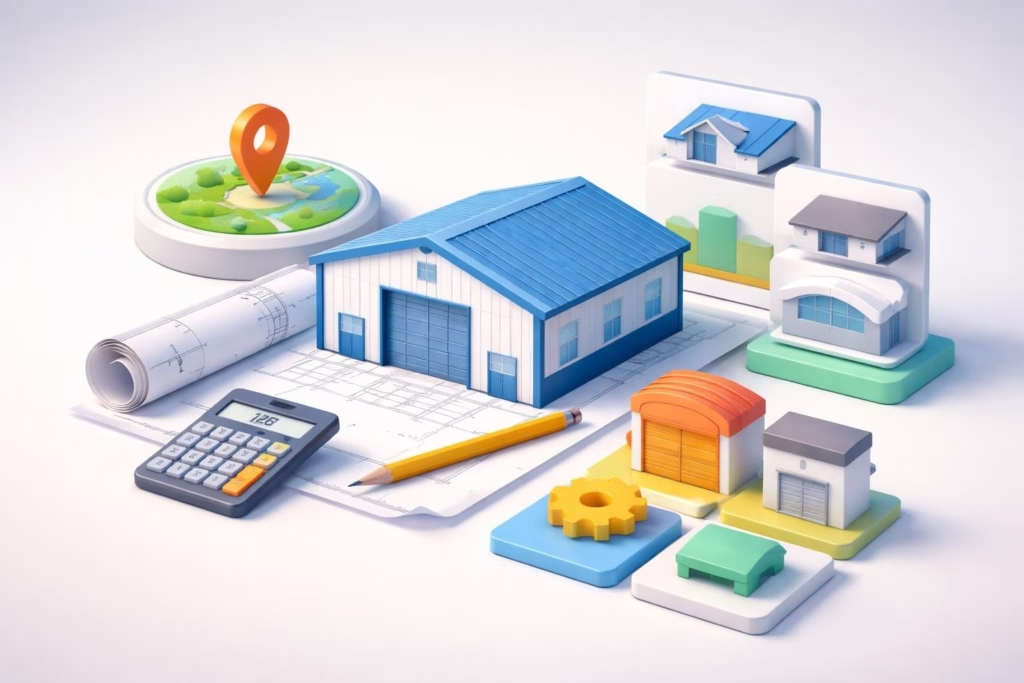
The demand for large-scale metal structures has surged across commercial, agricultural, and industrial sectors. A huge metal building offers unmatched versatility, durability, and cost-effectiveness compared to traditional construction methods. Whether you need warehouse space, equipment storage, livestock housing, or a manufacturing facility, understanding the planning and design process ensures your investment delivers maximum value for decades to come.
Understanding the Scale and Scope of Large Metal Structures
When we discuss a huge metal building, we're typically referring to structures exceeding 5,000 square feet or those with widths greater than 30 feet. These buildings represent significant investments that require careful consideration during the planning phase.
Size Classifications and Applications
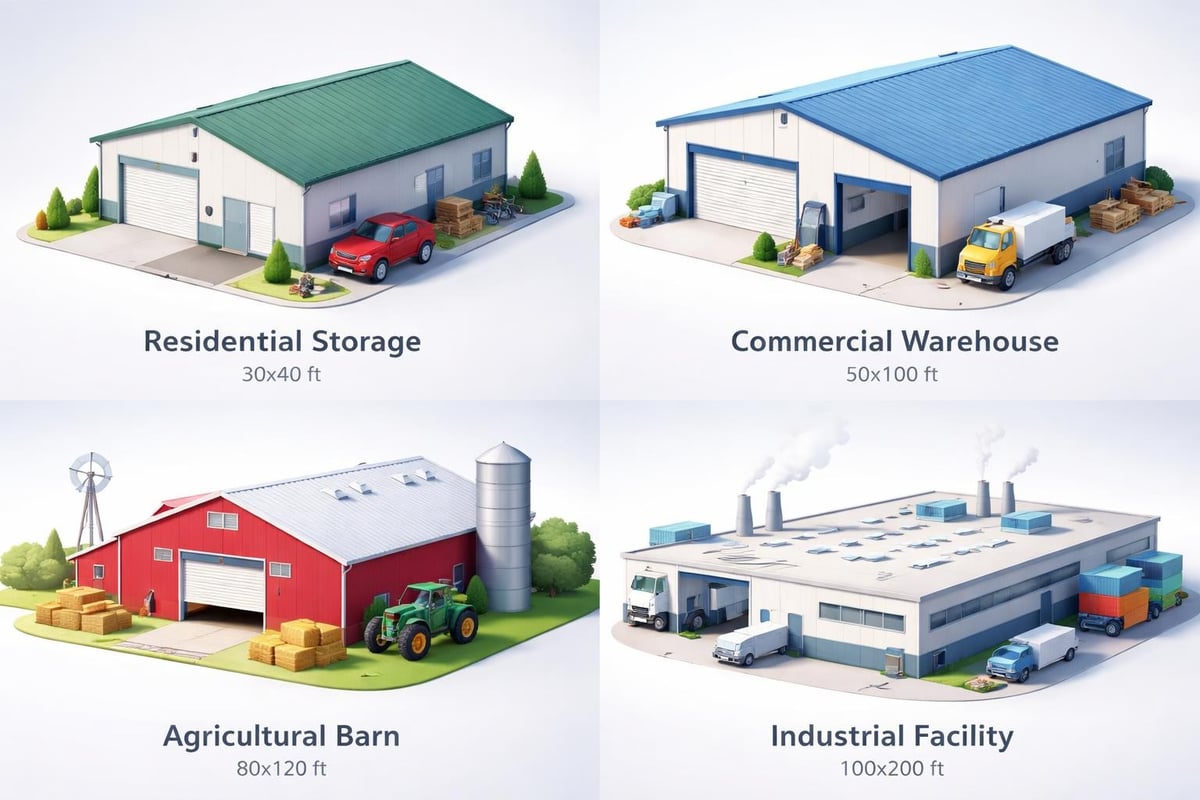
Metal buildings fall into distinct categories based on their dimensions and intended use. Small structures under 1,200 square feet serve residential storage needs, while mid-range buildings between 1,200 and 5,000 square feet accommodate workshops and small businesses. Large commercial structures ranging from 5,000 to 20,000 square feet support warehousing, manufacturing, and retail operations. Industrial complexes exceeding 20,000 square feet provide massive production facilities and distribution centers.
The appropriate dimensions for metal buildings depend heavily on their intended purpose. Agricultural operations often require 40×60 foot or larger structures to house equipment and livestock comfortably.
| Building Size | Typical Applications | Width Range | Length Range |
|---|---|---|---|
| Small | Residential storage, workshops | 12-24 feet | 20-40 feet |
| Medium | Commercial garages, small retail | 24-40 feet | 40-80 feet |
| Large | Warehouses, manufacturing | 40-80 feet | 80-200 feet |
| Industrial | Distribution centers, factories | 80+ feet | 200+ feet |
Critical Planning Considerations Before Construction
Proper planning prevents costly mistakes and ensures your huge metal building meets both current and future needs. The foundation of successful construction begins long before the first steel beam arrives on site.
Site Evaluation and Preparation
Site accessibility determines whether construction equipment and delivery trucks can reach your property efficiently. A level building pad reduces foundation costs significantly, while sloped terrain may require extensive grading. Soil composition affects foundation requirements, with clay soils requiring different approaches than sandy or rocky substrates.
Drainage patterns must be analyzed to prevent water accumulation around the structure. Poor drainage compromises foundation integrity and creates maintenance headaches. Consider how water flows across your property during heavy rainfall and position your building accordingly.
Building Codes and Permit Requirements
Every jurisdiction enforces specific building codes that govern structural requirements. Local building codes and permits ensure your huge metal building meets safety standards and zoning regulations. Wind load ratings, snow load capacities, and seismic considerations vary dramatically by region.
Setback requirements dictate how close structures can sit to property lines. Commercial zones often have different restrictions than residential or agricultural areas. Failing to verify these regulations before purchasing materials can result in expensive redesigns or legal complications.
Height restrictions may limit vertical expansion plans, particularly near airports or in historically designated areas. Some municipalities cap building heights at 16 feet, while others allow structures exceeding 20 feet with special permits.
Design Elements That Impact Functionality
The design phase transforms your vision into actionable construction plans. Every decision made during this stage affects the building's performance, cost, and long-term utility.
Roof Style Selection
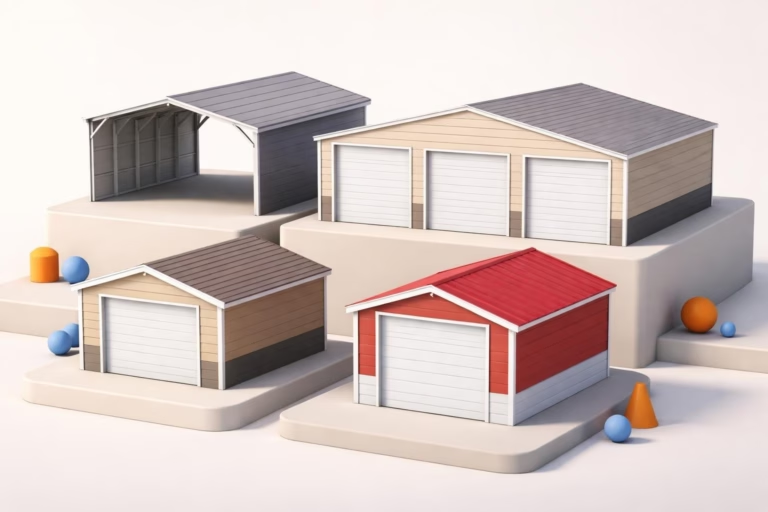
Three primary roof styles dominate the metal building industry. Regular roof styles feature rounded edges with horizontal panels, offering the most economical option for basic shelter needs. A-frame horizontal roofs provide improved water drainage with horizontal paneling across a peaked design. Vertical roof systems deliver superior weather resistance through vertically oriented panels that shed rain, snow, and debris most effectively.
The vertical roof style commands premium pricing but justifies the investment in areas experiencing heavy snowfall or frequent severe weather. Water and snow slide off efficiently rather than pooling on the surface. This design also enhances structural integrity during high winds.
When designing large metal buildings, roof pitch significantly impacts interior clearance and usable space. Steeper pitches create more overhead room but increase material costs.
Frame Configuration Options
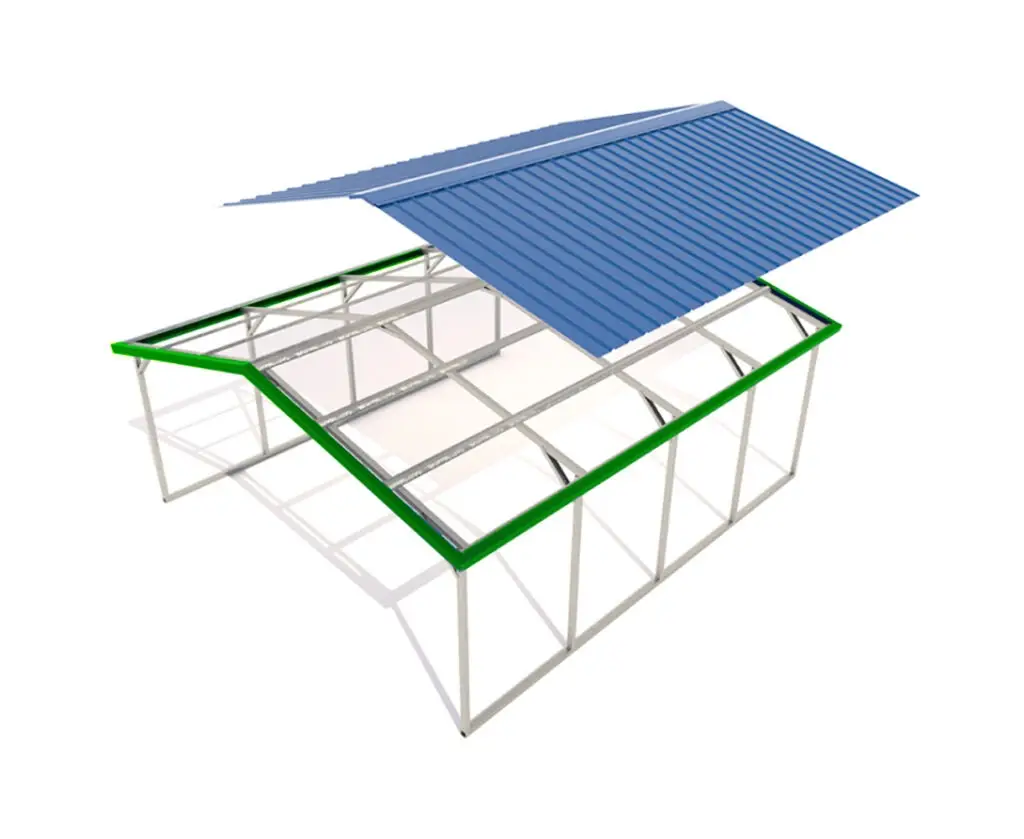
Clear span frames eliminate interior support columns, creating unobstructed floor space ideal for equipment maneuvering and flexible layout arrangements. These engineered trusses span the entire width, with buildings up to 150 feet wide achievable through advanced engineering.
Multi-span or modular frames incorporate interior columns to support wider structures economically. While columns restrict floor plan flexibility, they reduce overall construction costs for huge metal building projects exceeding standard clear span capabilities.
- Clear span designs maximize usable interior space
- Multi-span frames offer cost savings for extremely large structures
- Hybrid configurations balance economy and functionality
- Engineering calculations determine optimal frame spacing
Customization Features for Enhanced Utility
A huge metal building becomes truly functional through thoughtful customization that addresses specific operational requirements. Standard packages provide basic shelter, but strategic upgrades transform generic structures into purpose-built facilities.
Door and Access Point Planning
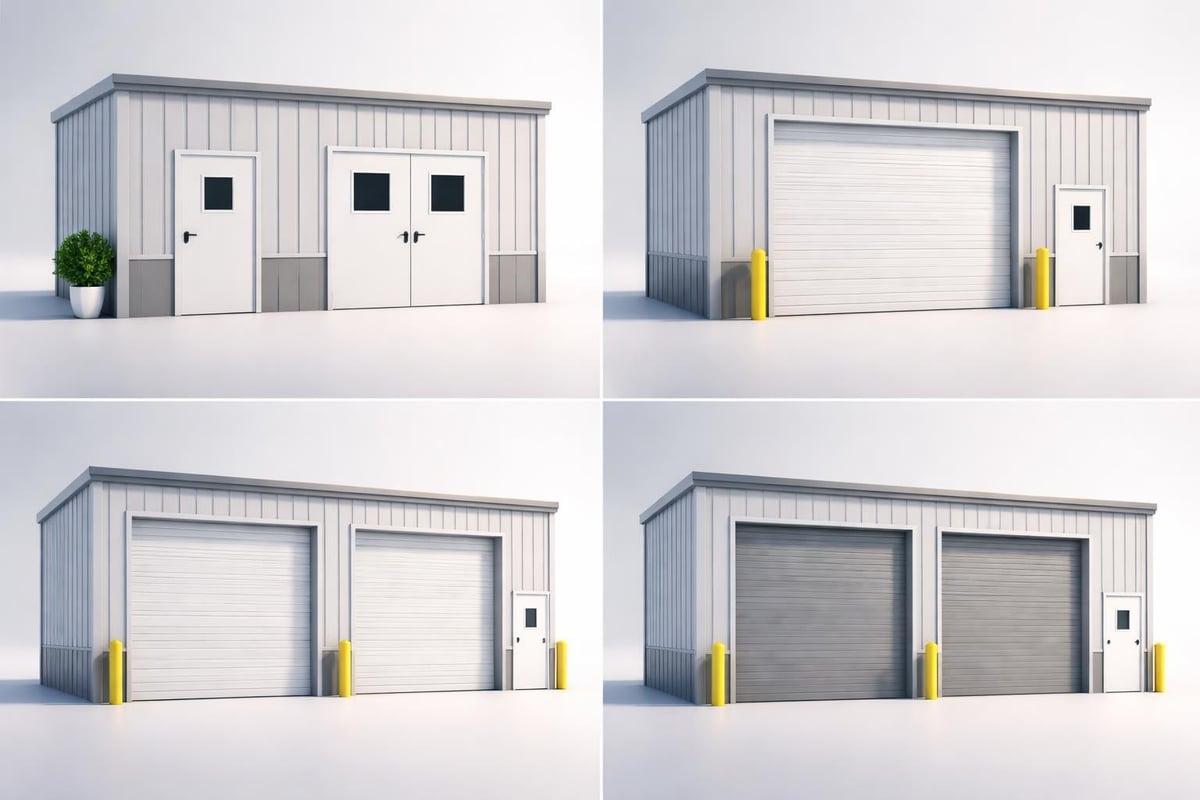
Walk-through doors provide personnel access and should be positioned near parking areas or office spaces for convenience. Standard 3×7 foot doors suffice for most applications, while commercial facilities often install 4×8 foot or larger entries.
Overhead doors accommodate vehicle and equipment access. Single 10×10 foot doors work for standard vehicles, but agricultural and commercial operations frequently require 12×12 or 14×14 foot openings. Multiple overhead doors increase operational flexibility but raise costs proportionally.
Roll-up doors offer maximum clearance for tall equipment, with sizes extending to 16×16 feet or larger. These commercial-grade doors withstand frequent use better than residential sectional doors. Consider how forklifts, tractors, and delivery trucks will enter and maneuver within the space.
Interior Layout Optimization
Partition walls create dedicated spaces within the overall structure without compromising the building envelope's integrity. Insulated wall panels separate climate-controlled offices from unheated storage areas. Non-insulated dividers simply define functional zones at minimal cost.
Ceiling height directly impacts usability for specific applications. Standard 10-12 foot sidewalls accommodate most residential and light commercial needs. Warehousing operations benefit from 14-16 foot walls that maximize vertical storage capacity. Specialized industrial processes may require 20+ foot clearances.
The flexibility to add mezzanines or loft storage doubles usable square footage vertically. These platforms suit office spaces, parts storage, or equipment areas while preserving ground-level floor space for primary operations.
Structural Specifications That Ensure Longevity
Material quality and gauge specifications determine how well your huge metal building withstands environmental stresses over its lifespan. Understanding these technical details prevents premature deterioration and structural failures.
Frame and Panel Gauge Ratings
Steel frame tubing typically ranges from 12-gauge to 14-gauge thickness. The 12-gauge upgrade provides superior strength and rigidity, essential for areas experiencing high wind speeds or heavy snow accumulation. While 14-gauge frames meet most residential requirements, commercial and industrial applications benefit from the enhanced durability of 12-gauge construction.
Sheet metal paneling comes in 26-gauge, 24-gauge, and 22-gauge options. Thicker gauges resist denting, corrosion, and weather damage more effectively. A 26-gauge panel suffices for basic shelter in mild climates, but 24-gauge or 22-gauge panels prove worthwhile investments in harsh environments.
| Component | 14-Gauge | 12-Gauge | 22-Gauge Panel |
|---|---|---|---|
| Frame Strength | Standard | Enhanced | N/A |
| Wind Resistance | Up to 130 mph | Up to 170 mph | Excellent |
| Snow Load Capacity | 25-35 psf | 35-50 psf | Excellent |
| Lifespan | 20-25 years | 30-40 years | 25-35 years |
Foundation Requirements
Concrete foundation specifications vary based on building size, local soil conditions, and intended use. Anchor bolts embedded in concrete footings secure the frame to prevent shifting or uplift during extreme weather. Rebar-reinforced concrete provides the strength necessary to support multi-ton structures without settling or cracking.
Mobile home anchors offer an alternative for smaller buildings on stable soil, though they lack the permanence and security of concrete foundations. Ground anchors work for temporary or semi-permanent installations but may not satisfy building code requirements for permanent structures.
Gravel pads beneath concrete slabs improve drainage and prevent frost heave in cold climates. The combination of proper site grading, gravel base, and reinforced concrete creates a foundation system that protects your investment for decades.
Navigating Common Design Pitfalls
Even experienced buyers encounter challenges when planning a huge metal building. Awareness of frequent mistakes helps you avoid costly corrections during or after construction.
Underestimating Future Needs
Buildings that barely accommodate current requirements become inadequate within years as businesses grow or equipment inventories expand. Adding length or width to an existing structure costs significantly more than building larger initially. Common design mistakes often stem from failing to plan for expansion.
Planning for growth means ordering your huge metal building 20-30% larger than immediate needs suggest. The incremental cost difference between a 40×60 and a 50×80 structure pales compared to adding a separate building later.
Consider how your operation might evolve over the next decade. Will you purchase additional vehicles or equipment? Do you anticipate hiring employees who need workspace? Agricultural operations should account for potential livestock herd expansion or new crop storage requirements.
Ignoring Climate-Specific Features
Insulation requirements vary dramatically by region and intended use. Uninsulated buildings in northern climates develop condensation problems that damage stored items and promote rust. Even unheated storage spaces benefit from basic insulation that moderates temperature swings and reduces moisture accumulation.
Snow load ratings must match or exceed local building codes based on historical weather data. A huge metal building engineered for 25 pounds per square foot snow load will fail catastrophically in regions regularly experiencing 40+ psf accumulations.
Wind certification ensures structural integrity during storms. Coastal areas require higher wind ratings than inland locations. Properly engineered buildings certified for 170 mph winds remain standing when lesser structures collapse.
Cost Factors and Budget Planning
Understanding what drives pricing helps you make informed decisions about specifications and features. A huge metal building represents a significant investment that varies based on numerous factors.
Size and Complexity Variables
Square footage forms the baseline cost calculation, with prices typically quoted per square foot. However, the relationship isn't purely linear. A 6,000 square foot building doesn't cost exactly twice as much as a 3,000 square foot structure because certain fixed costs remain constant regardless of size.
Building width affects pricing more dramatically than length. Wider structures require heavier engineering and stronger trusses, while extending length simply adds more of the same framing components. A 40×100 building costs less than a 60×66 building of equivalent square footage.
Customization adds incrementally to base pricing:
- Each additional door costs $800-$1,500 depending on size
- Window installations range from $200-$500 per unit
- Insulation packages add $2-$4 per square foot
- Upgraded gauge specifications increase costs 10-15%
- Vertical roof systems command 15-20% premiums over regular styles
For those seeking versatile storage solutions, fully enclosed metal buildings offer customizable options ranging from regular style to vertical roof configurations that provide long-term value through superior weather protection and structural integrity.
Installation and Site Work Expenses
Professional installation typically includes within the quoted price from reputable manufacturers, but site preparation falls to the buyer. Grading and leveling costs vary from $1,500 for simple pad preparation to $10,000+ for challenging terrain requiring extensive earthwork.
Concrete foundation expenses depend on local labor rates and material costs. Budget $4-$8 per square foot for a basic slab, with prices escalating for thicker slabs, additional reinforcement, or difficult access conditions.
Utility connections add to overall project costs when your huge metal building requires electricity, water, or HVAC systems. Running power from existing service panels may cost $2,000-$5,000, while new service installations requiring utility company involvement can exceed $10,000.
Optimizing Your Building for Specific Applications
Different uses demand different design approaches. Tailoring specifications to match your operational requirements ensures maximum functionality and return on investment.
Agricultural and Livestock Applications
Metal horse barns and livestock facilities need adequate ventilation to prevent moisture buildup and maintain animal health. Ridge vents, gable vents, and turbine vents promote air circulation without creating drafts that chill animals during winter months.
Wider door openings accommodate tractors, hay wagons, and equipment without requiring precise maneuvering. A 14-foot wide overhead door provides comfortable clearance for modern agricultural equipment. Multiple access points improve operational efficiency during harvest seasons or daily feeding routines.
Gutters and downspouts direct water away from entrances and high-traffic areas where livestock congregate. Proper drainage prevents muddy conditions that create health issues and make routine maintenance difficult.
Commercial Warehousing and Distribution
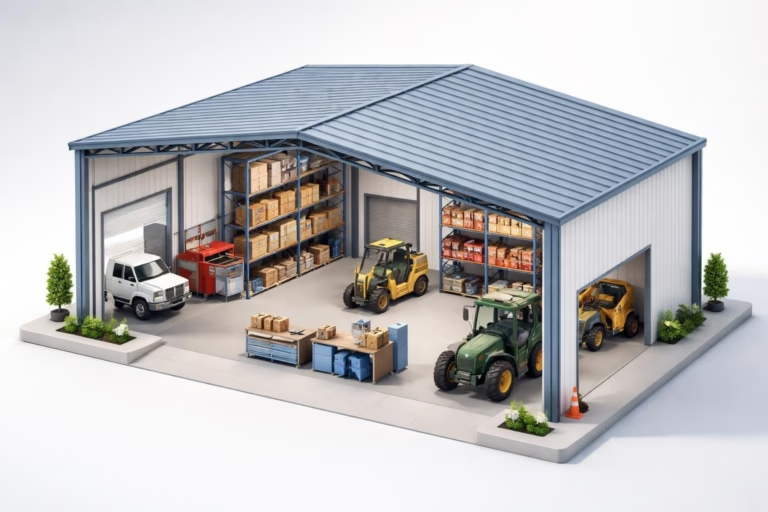
Clear span construction maximizes storage capacity and allows flexible racking configurations. Unobstructed floor space accommodates forklifts, pallet jacks, and changing inventory layouts as business needs evolve.
Higher sidewalls enable vertical storage systems that multiply usable square footage. Standard 12-foot walls limit stacking to two or three pallets high, while 16-foot or 20-foot walls permit five or six levels of racking.
Loading dock considerations include positioning overhead doors on the long side of the building for efficient truck access. Recessed dock areas with concrete aprons facilitate safe loading and unloading operations.
Workshop and Manufacturing Spaces
Designing a large metal workshop requires considering equipment placement, workflow patterns, and future expansion possibilities. Partition walls separate noisy production areas from quieter assembly or office zones.
Adequate electrical service supports power tools, machinery, and lighting requirements. Most workshops need 200-amp or larger service panels with numerous 220-volt circuits for heavy equipment. Planning electrical layouts during the design phase costs far less than retrofitting later.
Natural lighting through skylights or translucent panels reduces daytime electricity consumption while creating more pleasant working environments. Strategic window placement provides views and ventilation without compromising wall space needed for tool storage or workbenches.
The Role of Professional Engineering
Large metal structures require engineering calculations that account for complex load interactions and structural stresses. How complexity impacts metal building design becomes evident when comparing simple rectangular buildings to those with unusual dimensions or heavy equipment loads.
Structural Load Calculations
Dead loads include the weight of roofing, framing, and any permanently attached components. Live loads account for snow accumulation, maintenance personnel walking on the roof, and temporary equipment installation. Wind loads create both uplift forces trying to lift the building and lateral forces pushing against walls.
Engineers combine these forces using specific formulas to determine maximum stress points. Frame members must withstand worst-case scenarios where multiple load types occur simultaneously. A huge metal building faces different engineering challenges than smaller structures because longer spans concentrate stresses differently.
Seismic considerations apply in earthquake-prone regions where lateral bracing and foundation anchoring must resist ground motion. Building codes specify seismic design categories based on historical earthquake activity and soil composition.
Certification and Compliance Documentation
Engineered building certifications provide documentation proving your structure meets applicable codes. These stamped drawings and calculations satisfy building inspectors and insurance companies. Many jurisdictions won't issue occupancy permits without proper engineering documentation.
Wind and snow load certifications specify the exact environmental conditions your building can safely withstand. These ratings should match or exceed local code minimums, but upgrading provides additional peace of mind in areas where extreme weather occurs periodically.
Comparing Metal to Traditional Construction Methods
Understanding why metal buildings dominate certain applications helps justify the investment and validates design decisions. The advantages of steel over traditional materials extend beyond initial construction costs.
Construction Timeline Advantages
Pre-engineered metal components arrive on site ready for assembly, dramatically reducing construction time compared to conventional building methods. A huge metal building requiring several weeks to erect might take months using stick-built techniques.
Weather delays affect metal construction less severely than wood framing projects. Steel doesn't absorb moisture or require extended drying periods. Assembly proceeds efficiently in various weather conditions, though extreme cold or high winds may pause work temporarily.
Long-Term Maintenance Benefits
Steel doesn't rot, warp, or attract termites like wood framing. Painted or galvanized finishes protect against corrosion for decades with minimal maintenance. Occasional washing removes dirt and debris, while annual inspections identify any developing issues before they escalate.
Metal roofing outlasts asphalt shingles by 20-30 years and requires far less frequent replacement. Most quality metal panels carry 40-year warranties against material defects and color fading. This longevity reduces lifetime ownership costs substantially.
Fire resistance provides both safety benefits and insurance premium reductions. Non-combustible construction earns favorable rates from insurers compared to wood-framed structures. Some policies offer 20-30% discounts for all-steel buildings.
Environmental Considerations and Sustainability
Metal buildings align well with modern sustainability goals through recyclability and energy efficiency potential. Environmental consciousness increasingly influences commercial and agricultural building decisions.
Recyclable Materials and Reduced Waste
Steel ranks among the most recycled materials globally, with recycling rates exceeding 90% in many regions. The metal in your huge metal building likely contains 30-40% recycled content already. At the end of its service life, the entire structure can be recycled again without quality degradation.
Construction waste from metal building projects amounts to a fraction of what traditional construction generates. Pre-cut components minimize scrap, and steel offcuts go to recycling rather than landfills. This efficiency reduces environmental impact and potentially lowers disposal costs.
Energy Efficiency Opportunities
Proper insulation transforms metal buildings into energy-efficient spaces rivaling conventional construction. Spray foam insulation achieves high R-values while sealing gaps that create air leaks. Reflective insulation systems combat radiant heat gain in warm climates.
Cool roof coatings reflect solar radiation rather than absorbing it, keeping interior temperatures lower during summer months. These specially formulated paints can reduce cooling costs by 15-25% in hot climates. Light-colored roofing provides similar benefits at lower cost.
Solar panel installation proves straightforward on metal roofs with appropriate attachment systems. The long lifespan of metal roofing matches or exceeds solar panel warranties, avoiding the need for panel removal during roof replacement.
Making Your Final Specifications Decision
After considering all factors, finalizing your huge metal building specifications requires balancing current budgets against long-term value. Critical factors when designing include prioritizing which features deliver the greatest utility for your specific application.
Creating Your Specification Checklist
Document every requirement and preference before requesting quotes. This checklist ensures you don't overlook important details and provides a basis for comparing proposals from multiple suppliers.
Essential specifications include:
- Overall dimensions (width, length, height)
- Roof style and pitch
- Frame gauge and configuration
- Panel gauge and color
- Foundation type
- Number, size, and location of doors
- Window quantity and placement
- Insulation requirements
- Certification needs (wind, snow, seismic)
Optional upgrades should be evaluated based on cost-benefit analysis. Some features add minimal expense but significant value, while others provide marginal benefits at premium prices.
Working with Reputable Manufacturers
Established metal building companies provide engineering support, installation services, and warranty protection that discount providers can't match. Research customer reviews and request references from previous clients with similar projects.
Warranty terms reveal manufacturer confidence in their products. Premium warranties covering 40 years on panels and 20 years on structural components indicate quality construction. Limited warranties with numerous exclusions suggest lower-grade materials or construction practices.
Installation quality dramatically affects building performance and longevity. Professional installers understand proper anchoring techniques, panel overlap specifications, and trim installation methods that ensure weather-tight construction. Poor installation voids most warranties and creates expensive repair needs.
Planning a huge metal building requires attention to numerous details ranging from site preparation through final specifications, but the effort invested during the design phase pays dividends through decades of reliable service. Whether you need agricultural storage, commercial space, or industrial facilities, metal construction delivers unmatched value through durability, versatility, and cost-effectiveness. Metal Structure Sales LLC specializes in customizable metal structures with delivery and installation included, helping you transform your vision into a functional reality that serves your needs for years to come.