

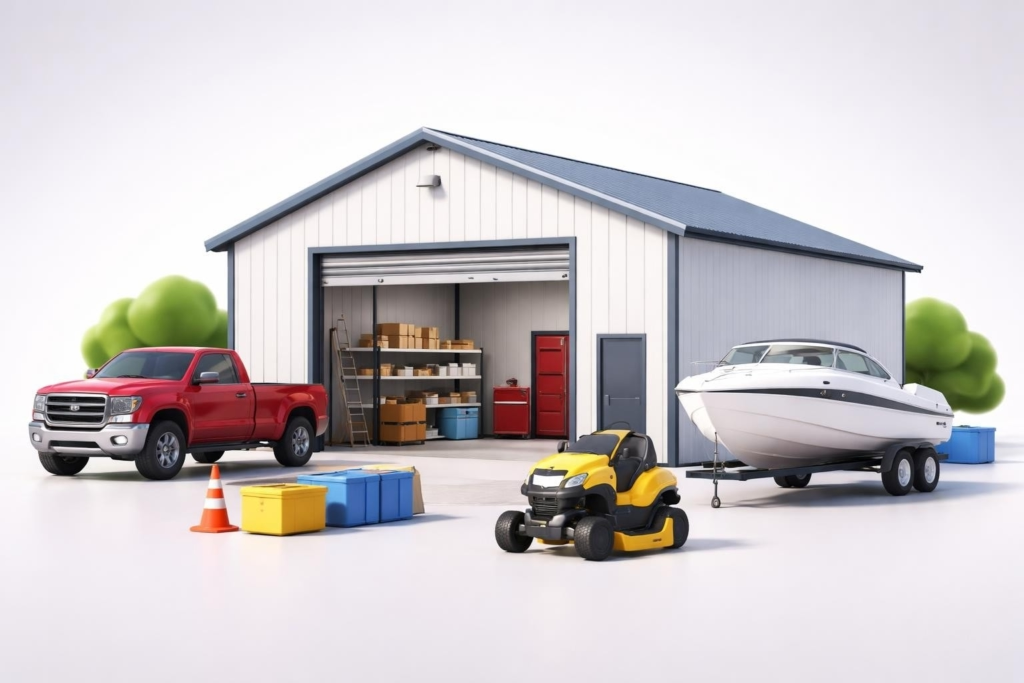
Choosing the right structure to protect your vehicles, equipment, and valuable possessions requires careful consideration of size, durability, and long-term value. A large metal garage offers homeowners, business owners, and property managers a practical solution that combines spacious protection with low-maintenance construction. Whether you need to shelter multiple vehicles, create a workshop space, or store recreational equipment, understanding the benefits and specifications of large metal structures helps you make an informed investment that serves your needs for decades.
Understanding Large Metal Garage Dimensions
Defining what constitutes a large metal garage depends on your specific requirements and the types of assets you need to protect. Generally, structures exceeding 24 feet in width qualify as large-scale installations, with many property owners opting for buildings ranging from 30 to 60 feet wide and 40 to 60 feet long.
Standard Size Classifications
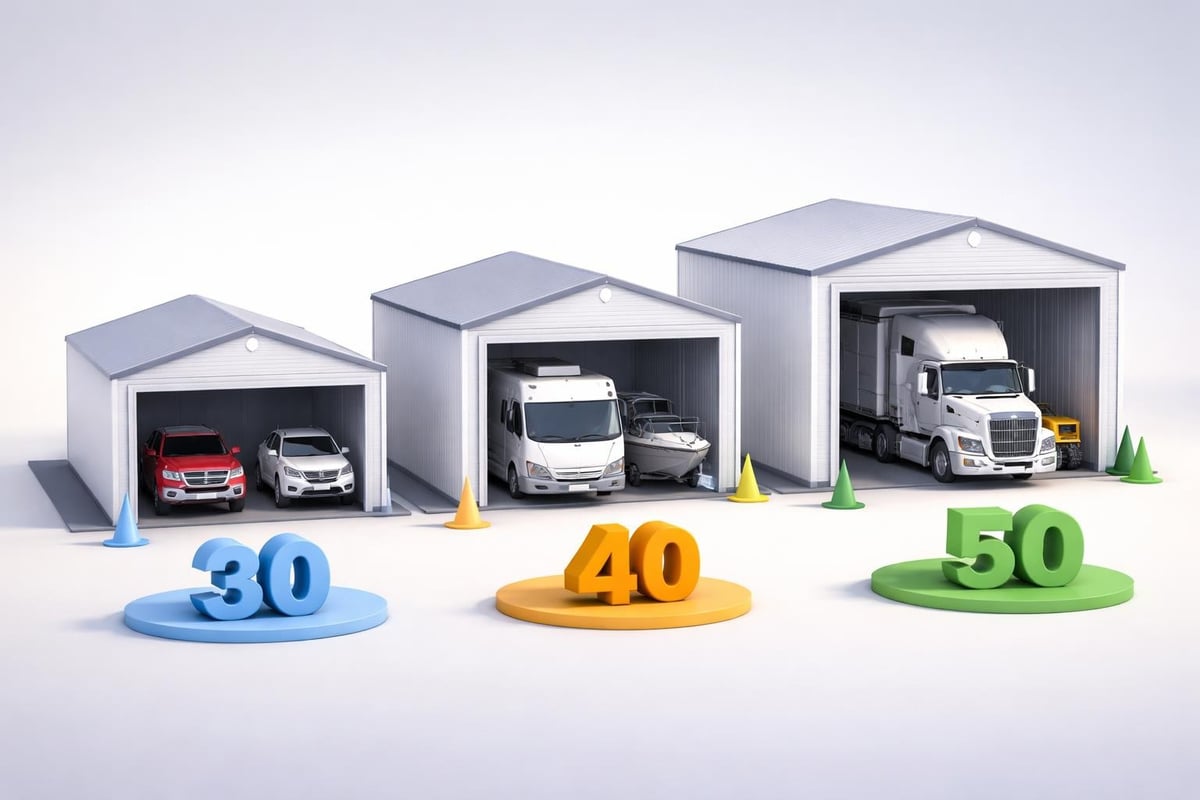
Large metal garage configurations typically fall into several categories based on width measurements:
- 30-36 feet wide: Accommodates three standard vehicles side-by-side with room for storage
- 40-45 feet wide: Provides space for multiple vehicles plus workshop areas
- 50-60 feet wide: Offers commercial-grade capacity for equipment, boats, RVs, and extensive storage
Height considerations play an equally important role in determining functionality. Standard leg heights start at 8 feet, but many large metal garage installations feature 10 to 16-foot clearances to accommodate lifted trucks, RVs, boats on trailers, or commercial equipment.
When planning your structure, consulting a metal building size guide helps ensure you select dimensions that accommodate current needs while allowing for future expansion or additional storage requirements.
Key Advantages of Large Metal Garage Construction
Steel construction offers distinct advantages over traditional wood-frame garages, particularly when building large-scale structures. The inherent strength of metal framing allows for wider clear spans without requiring interior support columns that limit usable space.
Durability benefits include resistance to common threats that compromise wooden structures. Metal doesn't rot, warp, crack, or provide food sources for termites and other pests. This fundamental advantage translates to lower maintenance costs and longer structural life expectancy.
Weather Protection Features
Modern large metal garage designs incorporate engineering principles that handle significant weather loads:
- Wind resistance: Engineered to withstand winds up to 140 mph in most configurations
- Snow load capacity: Certified for varying snow accumulation based on regional requirements
- Water drainage: Properly pitched roofing prevents pooling and water infiltration
- UV protection: Factory-applied coatings resist fading and degradation from sun exposure
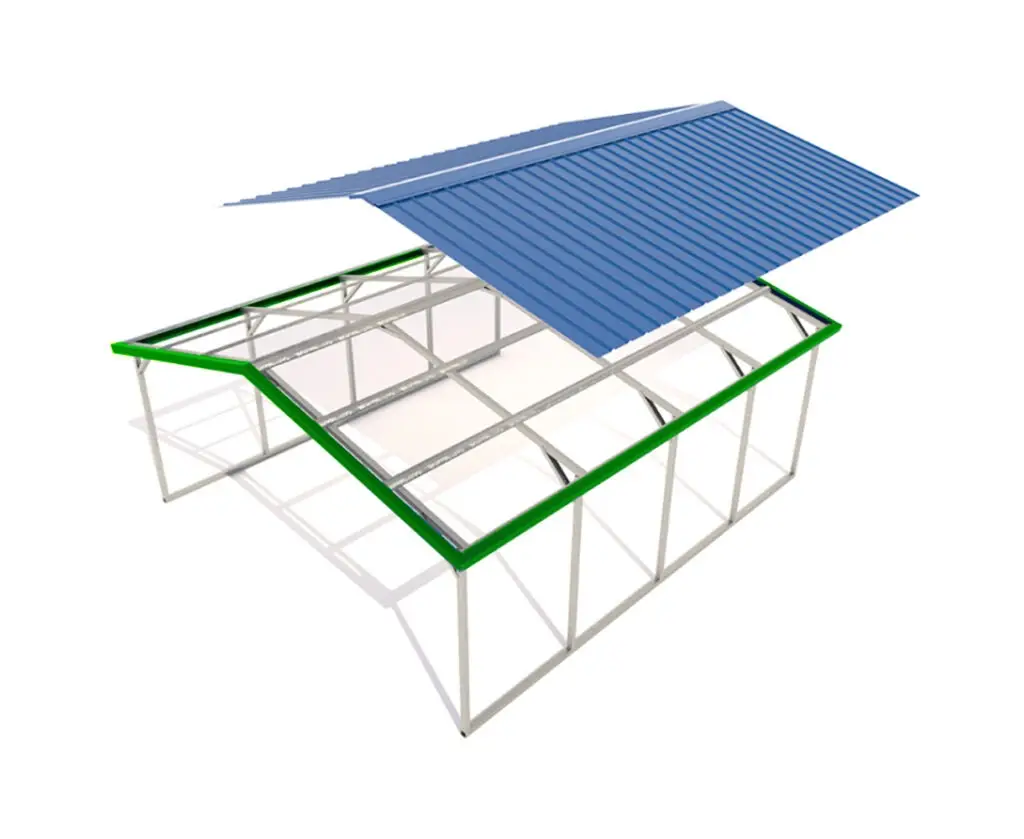
The vertical roof design, commonly specified for large metal garage installations, features ridge caps that allow precipitation to run off efficiently rather than accumulating on horizontal panels. This design significantly extends the structure's lifespan in areas experiencing heavy rain or snow.
Property owners across different climates benefit from customizing their large metal garage to meet local weather demands. Metal Structure Sales LLC offers engineering certifications that comply with building codes throughout various regions.
Customization Options for Maximum Functionality
The flexibility of metal construction enables extensive customization that would prove prohibitively expensive or structurally impractical with traditional building methods. A large metal garage transforms from a basic shelter into a tailored workspace through strategic addition of doors, windows, and interior features.
Entry and Access Configurations
| Door Type | Typical Dimensions | Best Applications |
|---|---|---|
| Garage Doors | 9'x8' to 16'x14' | Vehicle entry, equipment access |
| Walk-in Doors | 36"x80" | Personnel access, daily use |
| Roll-up Doors | 10'x10' to 14'x14' | Commercial equipment, large vehicles |
Multiple garage door installations allow simultaneous vehicle movement and create flexible workspace zones. Some property owners configure their large metal garage with commercial-grade roll-up doors on opposite ends, creating a drive-through arrangement ideal for equipment staging or service operations.
Window placement deserves consideration for structures serving as workshops or hobby spaces. Strategic window installation provides natural lighting that reduces electricity costs while improving the working environment. Insulated window options maintain climate control in temperature-regulated buildings.
Fully Enclosed Metal Carports represent an excellent middle-ground solution for those requiring complete protection without the expense of traditional construction. These structures provide the same durability and customization options as larger installations while offering economical pricing and faster installation timelines. You can explore various Fully Enclosed Metal Carports designed to meet specific storage and protection needs.
Interior Layout and Organization Strategies
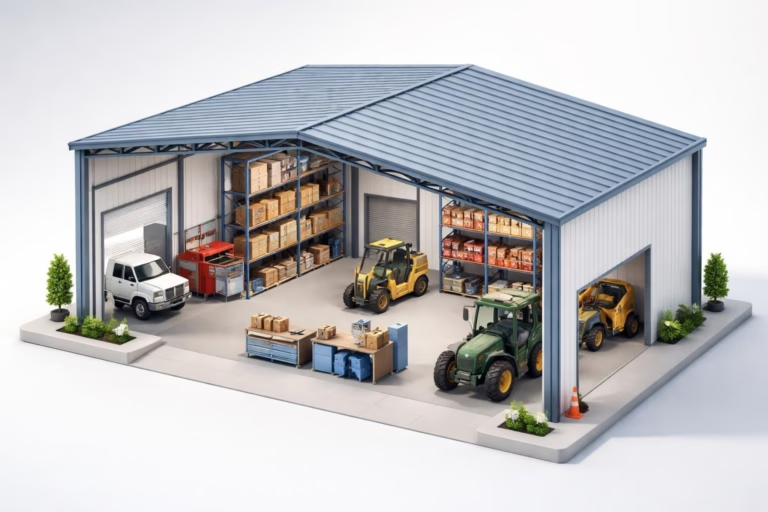
Maximizing the usable space within a large metal garage requires thoughtful planning of storage systems, work areas, and traffic flow. The open floor plan afforded by steel construction allows flexible arrangement of functional zones without structural limitations.
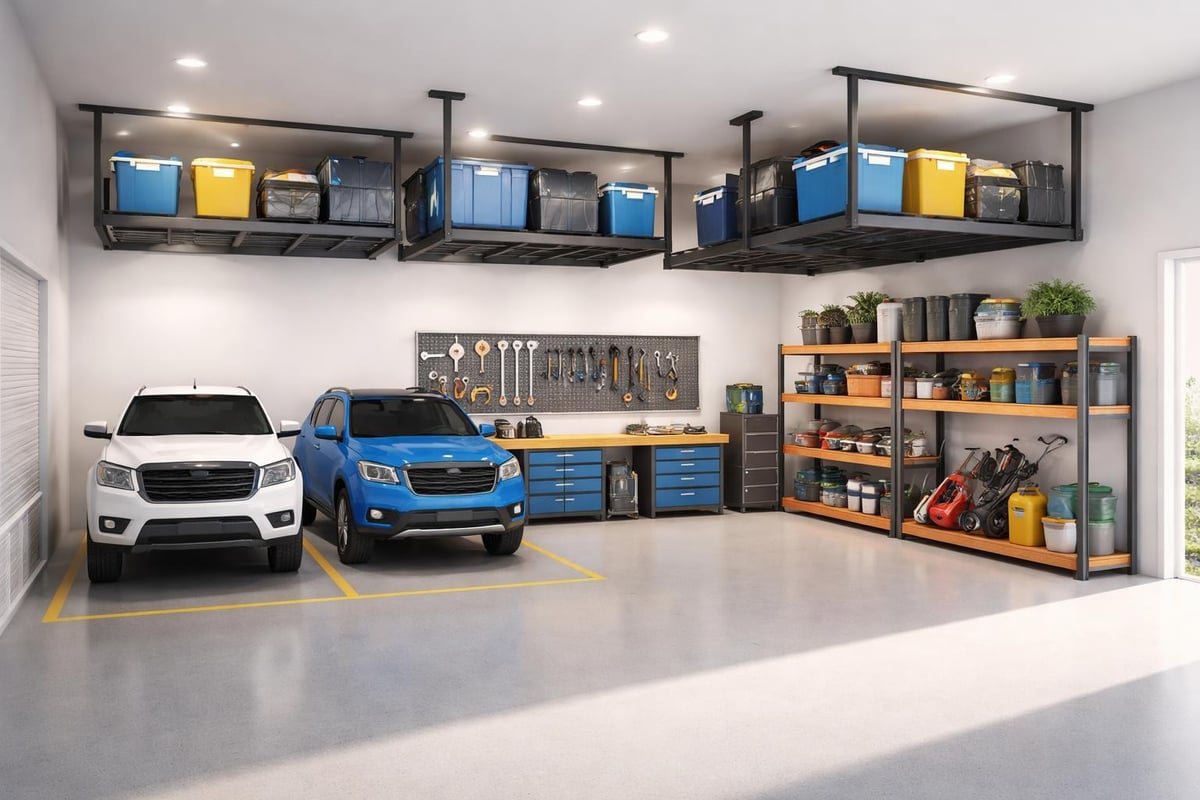
Implementing effective organization ideas transforms cavernous space into efficient, accessible storage. Wall-mounted systems, overhead racks, and modular cabinets create designated areas for tools, seasonal items, and equipment while maintaining clear floor space for vehicles.
Zone Planning Approach
Consider dividing your large metal garage into distinct functional areas:
- Vehicle parking zone: Primary area for daily-use vehicles with adequate clearance
- Equipment storage: Dedicated space for lawn care tools, power equipment, seasonal items
- Workshop area: Bench space with power outlets and task lighting for projects
- Specialty storage: Climate-controlled section for sensitive items or hobby materials
Creating clearly defined zones prevents clutter accumulation and makes locating items effortless. Floor markings or painted lines help maintain organization as storage needs evolve over time.
Vertical space utilization proves especially valuable in structures with 10-foot or taller leg heights. Overhead storage racks mounted to the steel framing safely hold rarely-used items while keeping them accessible when needed.
Maintenance Requirements and Longevity
One significant advantage of choosing a large metal garage involves the minimal maintenance required to preserve structural integrity and appearance. Unlike wood structures demanding regular painting, sealing, and pest treatment, metal buildings require straightforward care routines.
Essential Maintenance Tasks
Performing basic upkeep ensures your investment continues protecting your assets for decades:
- Quarterly inspections: Check for loose fasteners, damaged panels, or drainage issues
- Annual cleaning: Remove accumulated dirt, debris, and organic material from roof and walls
- Gutter maintenance: Clear downspouts and gutters to prevent water backup
- Touch-up paint: Address any scratches or coating damage to prevent rust formation
Following proven maintenance tips extends the functional life of your structure well beyond typical expectations for similar-sized buildings constructed from alternative materials.
The galvanized steel framing used in quality large metal garage construction naturally resists corrosion. Factory-applied paint systems provide additional protection while offering color customization options. Most manufacturers warranty their paint finishes for 20 years or longer, demonstrating the durability of modern coating technologies.
Condensation management deserves attention in climate-controlled or enclosed large metal garage installations. Proper ventilation, insulation installation, and vapor barriers prevent moisture accumulation that could damage stored items or create rust concerns on metal surfaces.
Installation Process and Timeline Considerations
Understanding the installation sequence for a large metal garage helps property owners plan their project timeline and prepare their site appropriately. Professional installation typically progresses more quickly than comparable traditional construction projects.
Site preparation constitutes the most critical phase affecting overall project success. A level, compacted base with proper drainage prevents settling, water intrusion, and structural stress. Most installations require either a concrete slab foundation or compacted gravel base with concrete anchor points.
Installation Phases
The typical large metal garage installation follows this sequence:
- Foundation preparation: Pour concrete or prepare gravel base (3-7 days)
- Frame assembly: Erect steel columns and roof trusses (1-2 days)
- Panel installation: Attach wall and roof sheeting (1-2 days)
- Trim and accessories: Install doors, windows, gutters (1 day)
- Final inspection: Verify proper assembly and function (1 day)
Weather conditions influence installation schedules, particularly during foundation curing and panel attachment. Most professional installers schedule projects during favorable weather windows to ensure quality results and prevent delays.
Choosing a supplier that includes delivery and installation in the pricing structure eliminates coordination challenges and ensures warranty coverage. The comprehensive service approach means you receive a turnkey large metal garage ready for immediate use.
Cost Factors and Long-Term Value Analysis
Evaluating the investment required for a large metal garage involves examining both initial costs and lifecycle expenses. While upfront pricing varies based on size, customization, and regional factors, metal structures typically offer superior value compared to traditional construction methods.
| Cost Component | Large Metal Garage | Traditional Wood Garage |
|---|---|---|
| Initial Construction | Moderate | High |
| Annual Maintenance | Very Low | Moderate to High |
| Insurance Premiums | Lower | Higher |
| Lifespan Expectancy | 30-50+ years | 20-30 years |
| Resale Value Impact | Positive | Positive |
The fire-resistant properties of steel construction often result in reduced insurance premiums compared to wood structures. Additionally, the minimal maintenance requirements translate to significant savings over the building's lifetime.
Customization impacts pricing substantially. Basic large metal garage configurations with standard features cost less than fully-enclosed, insulated buildings with multiple garage doors, windows, and electrical systems. However, the modular nature of metal construction allows phased improvements, letting property owners add features as budgets permit.
Regional building code requirements affect costs through engineering certifications and permit fees. Some states mandate specific wind ratings or snow load calculations that necessitate heavier gauge materials or additional bracing. Understanding local permitting requirements prevents unexpected expenses during the planning phase.
Property value enhancement represents another consideration in the value equation. A well-designed large metal garage increases property functionality and marketability, often providing return on investment exceeding the initial construction cost.
Specialized Applications and Multi-Purpose Designs
Large metal garage structures adapt to diverse applications beyond simple vehicle storage. The clear-span interior space and customizable features make these buildings suitable for commercial operations, agricultural uses, and recreational purposes.
Agricultural applications include equipment storage, hay barns, livestock shelters, and workshop space for farm maintenance. The durability and low maintenance of metal construction prove especially valuable in agricultural settings where structures face harsh conditions and heavy use.
Commercial operations utilize large metal garage buildings for:
- Auto repair shops: Drive-through layouts with multiple bays and equipment storage
- Equipment rental facilities: Secure storage with easy access for loading and unloading
- Warehousing operations: Climate-controlled space for inventory and distribution
- Manufacturing operations: Workshop space with overhead clearance for machinery
Recreational vehicle owners benefit from large metal garage designs that accommodate motorhomes, boats, ATVs, and trailers. Proper sizing ensures adequate clearance for tall vehicles while providing space for associated equipment and supplies.
The versatility of metal construction allows combination designs serving multiple purposes simultaneously. A properly planned large metal garage might include enclosed workshop space, open carport sections, and separate storage rooms within a single integrated structure.
Climate Control and Insulation Options
Converting a large metal garage into climate-controlled workspace requires strategic insulation selection and HVAC planning. While basic structures provide excellent protection from precipitation and sun exposure, temperature regulation demands additional investment.
Insulation Approaches
Three primary methods provide temperature control in large metal garage installations:
- Blanket insulation: Fiberglass batts installed between metal panels and interior finishing
- Spray foam insulation: Closed-cell foam applied directly to metal surfaces for maximum R-value
- Rigid board insulation: Foam panels attached to framing before interior wall installation
Insulation selection depends on climate demands, budget constraints, and intended use. Workshop spaces requiring year-round comfort justify comprehensive insulation systems, while seasonal storage buildings may need minimal thermal protection.
Ventilation systems work in conjunction with insulation to manage temperature and moisture. Ridge vents, gable vents, and powered exhaust fans create air circulation that prevents condensation and reduces cooling costs during warm months. Following steel building maintenance recommendations helps maintain optimal performance from ventilation systems.
Roof Design Variations and Performance Characteristics
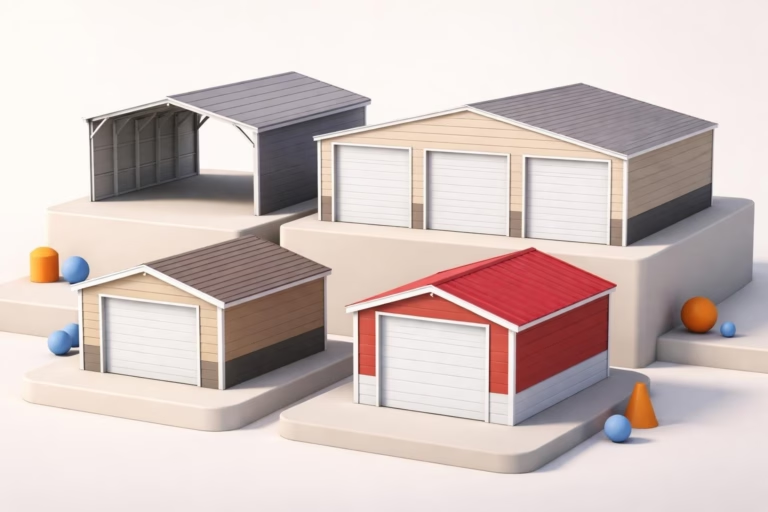
The roof configuration significantly impacts both the appearance and functionality of a large metal garage. Three primary styles dominate the metal building industry, each offering distinct advantages depending on climate conditions and aesthetic preferences.
Regular roof style features horizontal panels running from front to back with rounded eaves. This economical option suits areas with minimal snow accumulation and moderate weather conditions. The design provides adequate protection for basic storage needs while maintaining competitive pricing.
Boxed-eave roof style incorporates horizontal panels with enclosed eaves creating clean, finished edges. This intermediate design offers improved water drainage compared to regular roofs while maintaining reasonable costs. The enclosed eaves prevent debris accumulation and improve overall appearance.
Vertical roof style represents the premium option, featuring panels running from ridge to eaves in a vertical orientation. This design provides superior weather protection through efficient water and snow shedding. The vertical panel arrangement prevents debris accumulation and extends the structure's functional life in demanding climates.
Roof pitch influences drainage performance and snow load capacity. Steeper pitches shed precipitation more effectively but require taller overall building heights. Standard pitches range from 3:12 to 5:12, with specific recommendations based on regional climate patterns.
Permit Requirements and Regulatory Compliance
Navigating local building codes and permit processes represents a critical planning step before installing a large metal garage. Regulations vary significantly between jurisdictions, with some areas requiring comprehensive engineering documentation while others maintain minimal oversight for accessory structures.
Most municipalities require permits for structures exceeding certain size thresholds, typically 200 square feet or larger. The permit application process generally involves:
- Site plan submission: Property survey showing proposed building location and setbacks
- Engineering documentation: Certified drawings meeting local wind and snow load requirements
- Foundation specifications: Details on concrete or pier construction methods
- Electrical plans: If including wiring, licensed electrician drawings and permits
- Fee payment: Permit costs based on structure value or square footage
Setback requirements dictate minimum distances between your large metal garage and property lines, existing structures, and easements. Violating setback regulations results in costly relocation or removal orders, making pre-construction verification essential.
Homeowners associations (HOAs) often impose additional restrictions beyond municipal codes, including appearance standards, color limitations, and approval processes. Reviewing HOA covenants before finalizing design plans prevents conflicts and delays.
Working with suppliers experienced in your region streamlines the permitting process. Many metal building companies provide engineering certifications and drawings specifically formatted to meet local requirements, reducing approval timelines and ensuring compliance.
Foundation Options and Site Preparation
The foundation supporting your large metal garage directly impacts structural stability, longevity, and overall performance. Proper site preparation and foundation selection prevent common problems including settling, water intrusion, and premature deterioration.
Foundation Types
| Foundation Type | Best Applications | Approximate Cost | Preparation Time |
|---|---|---|---|
| Concrete Slab | Permanent installations, climate control | $$$ | 5-10 days |
| Gravel Base with Anchors | Semi-permanent, good drainage | $ | 2-3 days |
| Concrete Piers | Uneven terrain, minimal grading | $$ | 3-5 days |
| Asphalt Base | Vehicle traffic areas | $$ | 3-7 days |
Concrete slab foundations provide the most stable platform for large metal garage installations intended for long-term use. The monolithic slab serves as both foundation and finished floor, creating a clean, level surface ideal for vehicle storage and workshop activities. Proper thickness (typically 4-6 inches) and reinforcement ensure adequate load distribution and crack resistance.
Gravel bases offer economical alternatives in well-drained locations where frost heave isn't a concern. A compacted gravel foundation with concrete anchor points provides stable footing while allowing water permeation that prevents pooling. This approach works well for agricultural applications and areas with stable soil conditions.
Site drainage considerations affect foundation selection and placement. Positioning your large metal garage on elevated terrain prevents water accumulation around the base. Proper grading directs surface water away from the structure, protecting both the foundation and stored contents from moisture damage.
Soil testing reveals load-bearing capacity and potential challenges including expansive clay or high water tables. Professional soil analysis costs relatively little compared to foundation failure repairs, making this investigation a wise investment for large-scale installations.
Color Selection and Aesthetic Customization
While functionality drives most large metal garage decisions, aesthetic considerations influence property appearance and personal satisfaction. Modern metal building manufacturers offer extensive color palettes and trim options that complement existing structures or create distinctive visual statements.
Standard color options typically include earth tones, neutrals, and primary colors resistant to fading and weathering. Popular choices include:
- Tan and beige: Blend naturally with rural and suburban landscapes
- Gray and charcoal: Contemporary appearance matching modern architecture
- White and light colors: Reflect heat, reducing cooling costs in warm climates
- Green and brown: Traditional barn aesthetic for agricultural properties
- Red and blue: Bold statements for commercial visibility
Two-tone color schemes create visual interest by contrasting roof and wall colors or highlighting trim elements. Strategic color placement makes large metal garage structures appear more proportional and architecturally integrated with surrounding buildings.
Trim packages include matching or contrasting fascia, corner trim, and door frames that provide finished appearance and additional weather protection. Quality trim installation prevents water intrusion at vulnerable connection points while enhancing overall aesthetics.
Enhanced Security Features and Access Control
Protecting valuable vehicles, equipment, and tools stored within a large metal garage requires thoughtful security planning. The inherent strength of metal construction provides baseline protection, but additional features significantly improve security against theft and unauthorized access.
Locking mechanisms range from basic padlock hasps to commercial-grade deadbolts and electronic access systems. High-security locks on walk-in doors and garage doors deter casual theft attempts while providing peace of mind when traveling or away from the property.
Security enhancement options include:
- Motion-activated lighting: Illuminates approaches and deters nighttime intrusions
- Alarm systems: Monitored or standalone systems alert to unauthorized entry
- Security cameras: Document activity and provide evidence if incidents occur
- Window bars or security film: Reinforces vulnerable glass entry points
- Smart locks: Enable remote access control and entry logging
The solid construction of a large metal garage creates a formidable barrier when properly secured. Unlike wood structures that can be compromised through panel removal, metal buildings resist forced entry attempts through most walls and roof sections.
Visibility considerations affect security strategy. Buildings positioned within sight of primary residences or high-traffic areas experience fewer security incidents than isolated structures. Strategic landscaping and lighting balance privacy needs with natural surveillance benefits.
A large metal garage delivers exceptional value through durable construction, flexible customization, and minimal maintenance requirements that serve diverse applications for decades. Whether protecting vehicles, creating workshop space, or securing equipment, thoughtful planning ensures your structure meets current needs while accommodating future requirements. Metal Structure Sales LLC specializes in designing and installing customizable metal structures with delivery and installation included, helping you create the perfect large metal garage solution for your property with expert guidance through every step of the process.