

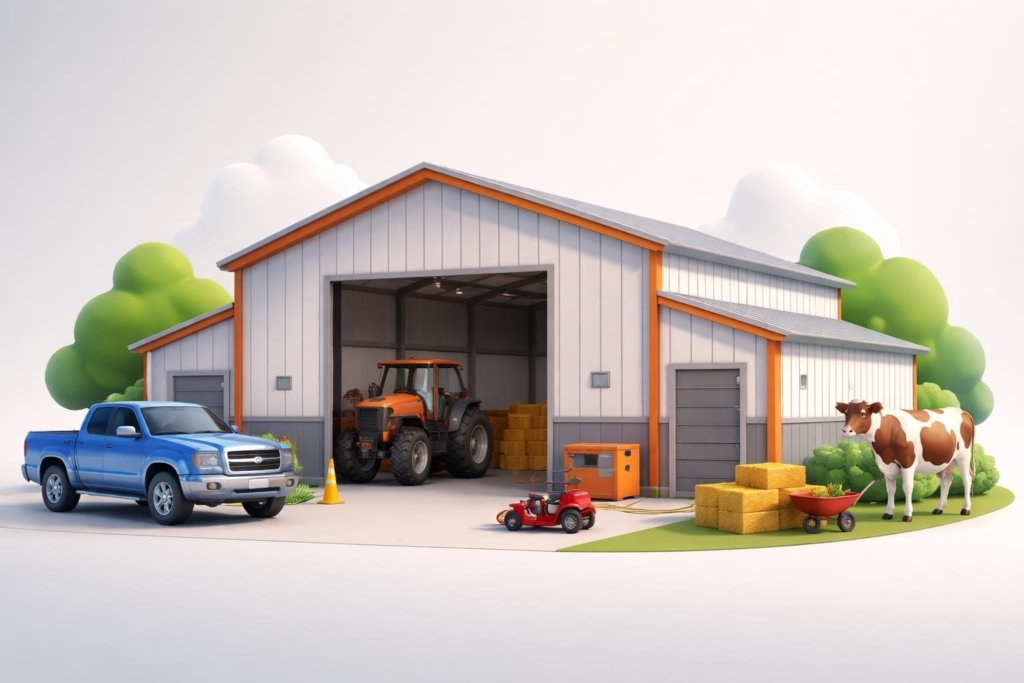
Metal barns and garages have transformed how property owners protect their assets, equipment, and livestock across America. These versatile structures combine durability with affordability, offering customizable solutions that traditional wood buildings simply cannot match. Whether you need a workspace for agricultural operations, secure storage for vehicles, or shelter for farm animals, metal structures deliver exceptional value with minimal maintenance requirements. Understanding the options, benefits, and considerations when selecting metal barns and garages helps you make an informed investment that serves your needs for decades.
Understanding Metal Barn and Garage Construction
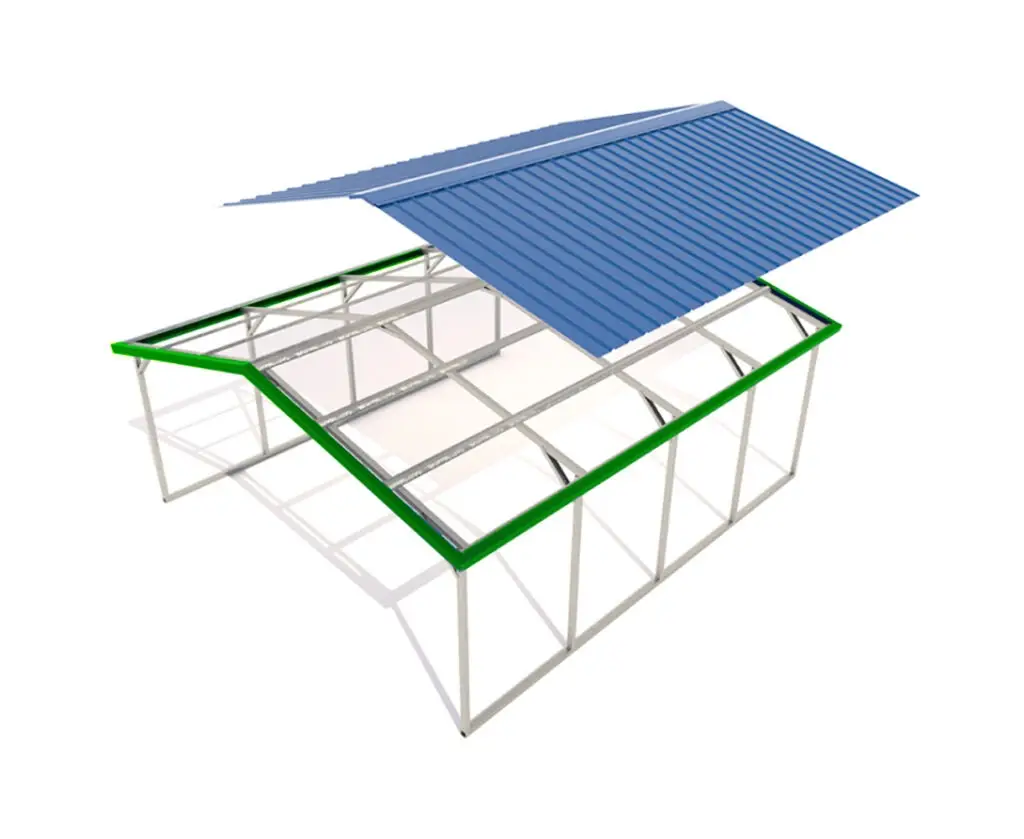
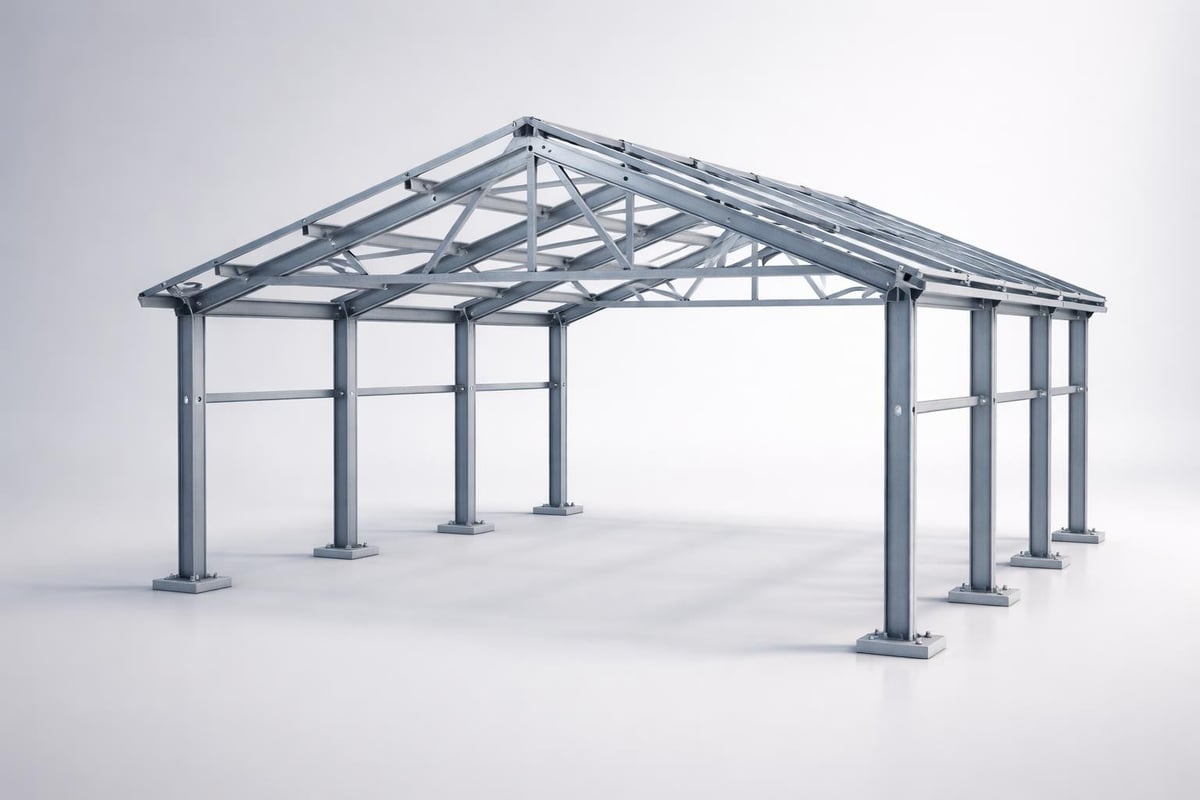
Modern metal barns and garages utilize engineered steel framing systems designed to withstand extreme weather conditions and heavy loads. The primary construction method involves galvanized steel frames with panels that resist rust, corrosion, and deterioration far better than traditional materials.
Frame Systems and Structural Integrity
The foundation of quality metal structures starts with the frame gauge and design. Premium buildings use 12-gauge or 14-gauge steel tubing for primary supports, providing exceptional strength-to-weight ratios. These frames distribute loads evenly across the structure, preventing weak points that compromise stability.
Key structural components include:
- Vertical columns spaced according to building width and local wind/snow loads
- Horizontal beams connecting columns for lateral stability
- Roof trusses engineered to specific pitch and span requirements
- Ground anchors securing the structure to concrete footings or asphalt
The Metal Building Manufacturers Association establishes comprehensive standards ensuring these components meet rigorous engineering requirements. Following these guidelines guarantees structures can handle environmental stresses specific to your geographic location.
Roofing Styles and Panel Options
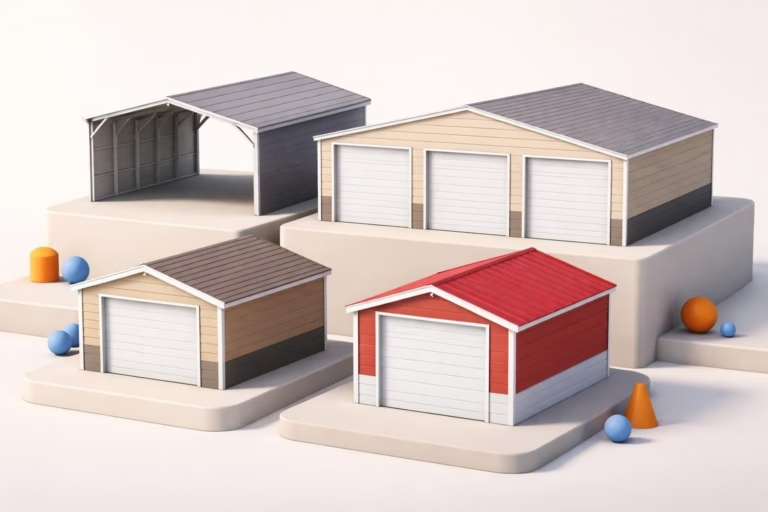
Metal barns and garages feature three primary roof styles, each offering distinct advantages. The regular or rounded roof provides economical coverage suitable for moderate climates. Boxed-eave roofs add horizontal paneling along the sides, creating a more finished appearance while improving water drainage.
Vertical roof systems represent the premium option, with panels running from ridge to eave. This orientation allows rain, snow, and debris to slide off quickly, making vertical roofs essential in regions with significant precipitation or heavy snowfall.
Panel thickness typically ranges from 29-gauge to 26-gauge steel, with lower numbers indicating thicker, more durable material. The 26-gauge option provides enhanced protection against impact damage and longer service life, particularly important for structures housing valuable equipment or animals.
Customization Options for Maximum Functionality
One significant advantage of metal barns and garages involves the extensive customization possibilities. Unlike prefabricated structures with fixed dimensions, metal buildings adapt to your specific requirements through various modifications.
Size and Layout Configurations
Standard widths range from 12 feet to over 60 feet, with lengths extending as needed for your application. Height adjustments accommodate tall equipment, RVs, or upper-level storage spaces. Many property owners choose affordable carports as starting points before expanding to fully enclosed structures.
| Dimension | Range | Common Applications |
|---|---|---|
| Width | 12' – 60' | Single bay to multi-vehicle storage |
| Length | 21' – 100'+ | Equipment storage, workshops, livestock housing |
| Height | 6' – 16' | Standard vehicles to RVs and farm equipment |
The flexibility in sizing means you can design structures that maximize your property layout while meeting current and future storage needs.
Door and Access Point Selection
Strategic placement and sizing of doors significantly impacts functionality. Roll-up garage doors suit frequent vehicle access, while walk-in doors provide convenient entry without opening large bays. Frame-outs accommodate windows for natural lighting, improving work environments and reducing energy costs.
Consider these access options:
- Garage doors measuring 8'x8', 9'x8', 10'x10', or custom sizes
- Walk-in doors positioned for optimal workflow
- Windows sized and placed to maximize ventilation and light
- Sliding doors for agricultural applications requiring wide openings
Each addition requires planning during the design phase to ensure proper framing and structural support. Installing doors after construction increases costs and complexity significantly.
Practical Applications and Use Cases
Metal barns and garages serve diverse purposes across residential, agricultural, and commercial properties. Understanding common applications helps identify features that enhance your specific usage.
Agricultural and Livestock Operations
Farm operations benefit enormously from metal structures designed for animal housing and equipment storage. Climate-controlled metal barns protect livestock during extreme temperatures while providing sanitary conditions that wood structures cannot maintain.
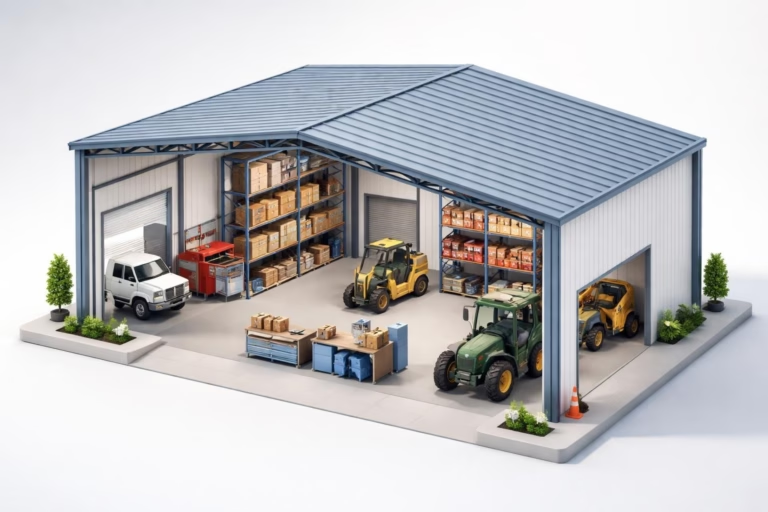
Hay and feed storage requires dry, well-ventilated spaces that prevent mold and pest infestation. Metal buildings with proper ventilation systems keep stored materials fresh while protecting them from weather damage. Equipment bays within the same structure streamline operations, keeping tractors and implements readily accessible.
Safety considerations for agricultural metal buildings follow OSHA steel erection standards, ensuring worker protection during construction and daily use. Proper anchoring and structural certification prevent collapse risks associated with heavy equipment storage and animal loads.
Workshop and Storage Solutions
Professional contractors and hobbyists alike appreciate metal garages configured as workshops. These spaces accommodate welding equipment, woodworking tools, and vehicle repair operations with adequate ceiling height and electrical capacity.
When properly insulated, metal structures maintain comfortable working temperatures year-round. Adding insulation between framing and panels reduces energy costs while preventing condensation that damages tools and materials. Many workshop owners install HVAC systems, making these spaces functional regardless of outdoor conditions.
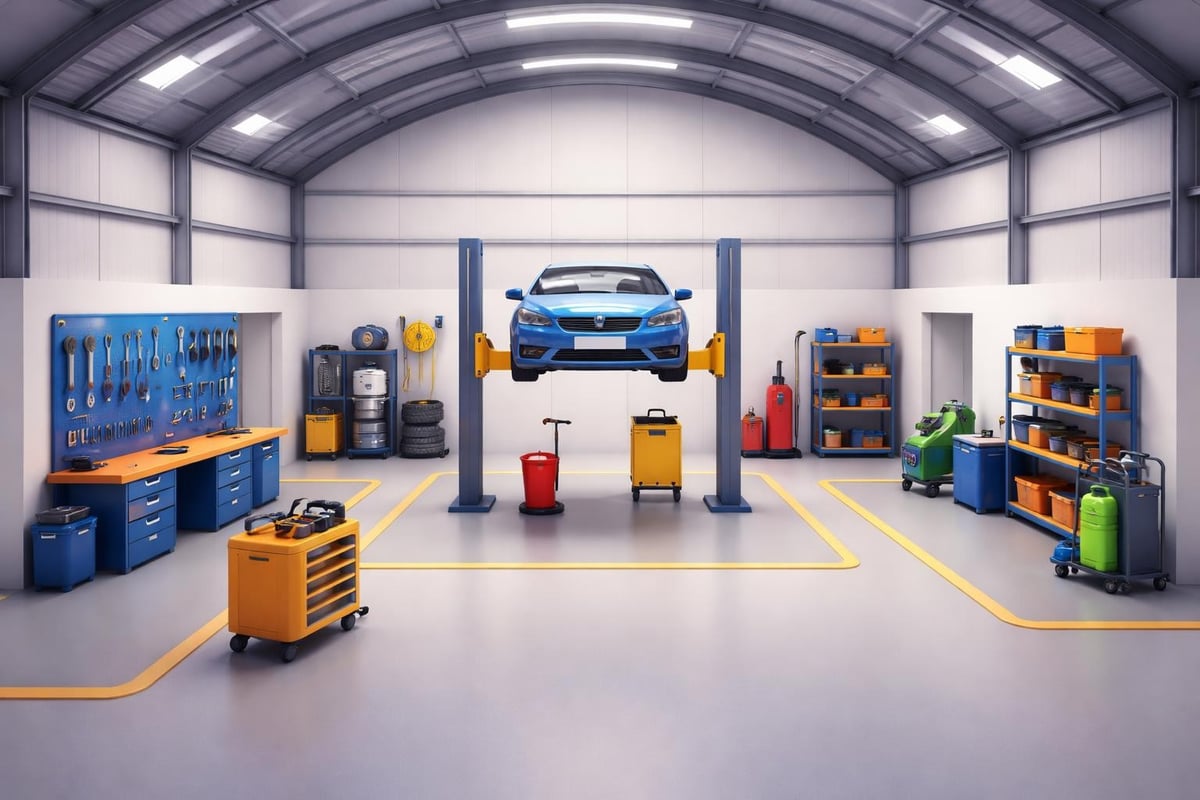
Storage applications range from seasonal item protection to long-term archival needs. The controlled environment within enclosed metal buildings protects belongings from moisture, pests, and temperature extremes that deteriorate items stored in traditional sheds.
Cost Considerations and Value Analysis
Understanding the financial aspects of metal barns and garages requires examining initial investment, long-term maintenance, and return on value compared to alternative structures.
Initial Investment Breakdown
Pricing for metal structures depends on multiple factors including size, customization level, roof style, and gauge thickness. A basic 20'x30' regular roof carport starts around $3,000, while a fully enclosed 30'x40' vertical roof building with multiple doors and windows can exceed $15,000.
Cost factors include:
- Base structure: Frame, roofing, and standard panels
- Foundation requirements: Concrete slabs, gravel pads, or asphalt anchoring
- Customization fees: Additional doors, windows, insulation, and height increases
- Delivery and installation: Transportation and professional setup included in most packages
- Permits and site preparation: Local building codes and ground leveling
Comparing these costs against traditional construction reveals significant savings. Wood barns of equivalent size typically cost 40-60% more when accounting for materials, labor, and construction timeline. The speed of metal building installation also reduces project duration from months to days.
Long-Term Maintenance and Durability
Metal barns and garages require minimal ongoing maintenance compared to wood structures. Galvanized steel panels resist rot, termites, and moisture damage that necessitate constant repairs in traditional buildings.
Annual maintenance involves:
- Inspecting panels for loose screws or fasteners
- Cleaning debris from gutters and roof surfaces
- Checking door mechanisms and lubricating moving parts
- Examining ground anchors for stability
Most manufacturers warranty their structures for 20-40 years, with many buildings lasting 50+ years when properly maintained. This longevity translates to lower lifetime costs and better return on investment than alternatives requiring replacement within 15-20 years.
Design Features Enhancing Performance
Strategic design choices significantly impact how well metal barns and garages serve their intended purposes. Understanding these features helps you specify a structure optimized for your environment and usage patterns.
Ventilation and Climate Control
Proper airflow prevents moisture accumulation that leads to condensation and corrosion. Ridge vents running along roof peaks allow hot air to escape while soffit vents draw cooler air from below. This natural convection maintains air circulation without mechanical systems.
For structures housing sensitive equipment or requiring temperature control, adding insulation creates thermal barriers. Reflective insulation panels installed during construction reduce heat transfer through walls and roofing, cutting climate control costs substantially.
The National Fire Protection Association provides guidelines for ventilation systems in metal buildings, particularly important when storing flammable materials or operating equipment producing fumes.
Wind and Snow Load Ratings
Regional weather patterns dictate necessary structural specifications. Coastal areas require enhanced wind ratings protecting against hurricanes and severe storms. Northern climates demand snow load ratings preventing roof collapse under heavy accumulation.
| Region | Wind Rating | Snow Load | Recommended Roof |
|---|---|---|---|
| Coastal | 140+ mph | 20-30 lbs/sq ft | Vertical |
| Northern | 90-120 mph | 40-60 lbs/sq ft | Vertical |
| Moderate | 90-110 mph | 20-35 lbs/sq ft | Boxed-eave or Vertical |
| Mild | 85-100 mph | 10-20 lbs/sq ft | Regular or Boxed-eave |
Consulting local building codes ensures your structure meets minimum requirements. Many property owners exceed these minimums for added safety margins and insurance benefits.
Installation Process and Timeline
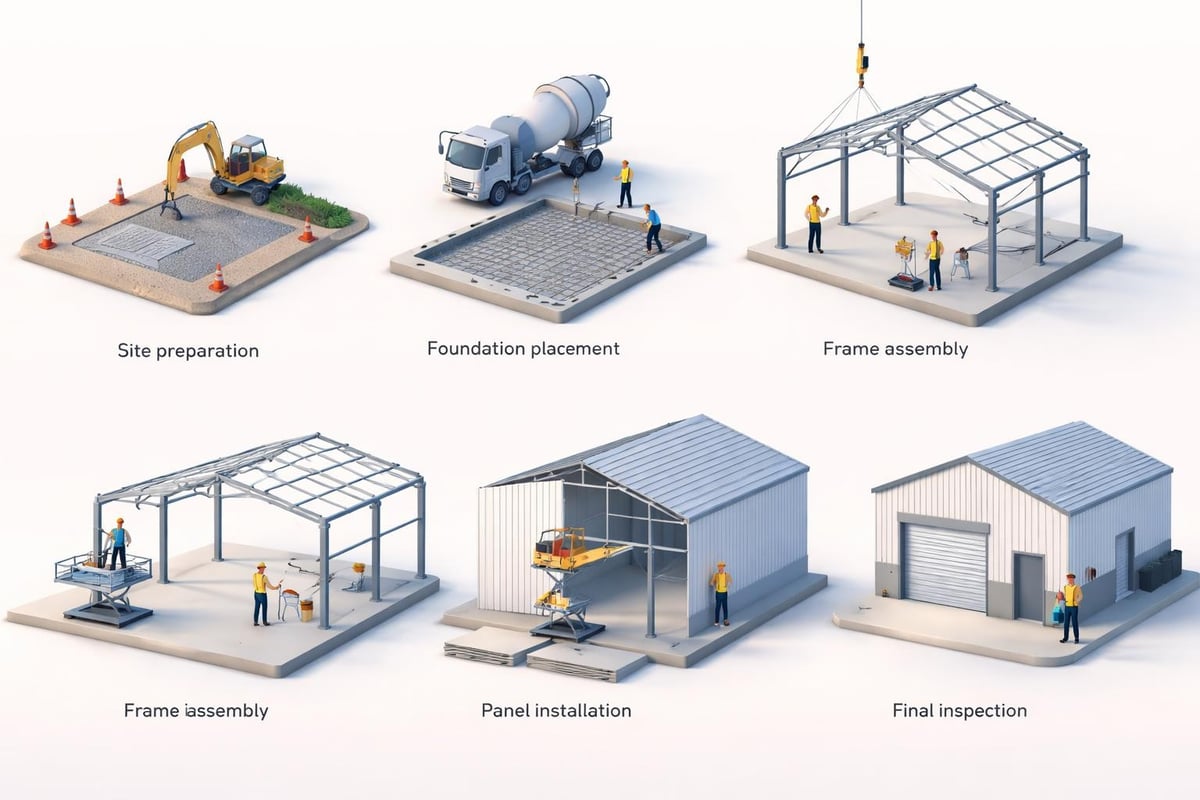
Professional installation of metal barns and garages follows systematic procedures ensuring structural integrity and compliance with local regulations. Understanding this process helps you prepare your property and coordinate project completion.
Site Preparation Requirements
Before installation begins, the building site requires proper preparation. Level ground provides the foundation for stable structures, preventing uneven stress on frames and panels. Most installations use one of three foundation types.
Concrete slabs offer the most stable and permanent option, particularly for enclosed buildings serving as workshops or storage spaces. These foundations require excavation, forming, and curing time adding 7-10 days to project timelines.
Gravel pads provide adequate support for open carports and agricultural buildings where concrete isn't necessary. A 4-6 inch compacted gravel base creates drainage while preventing ground moisture from affecting the structure.
Asphalt anchoring suits existing paved surfaces, using specialized anchors that secure frames without full foundation construction. This approach works well when adding structures to commercial properties with established parking areas.
Assembly and Certification
Professional installation teams typically complete metal building assembly in 1-3 days depending on size and complexity. The process follows engineered plans specifying component placement and fastener requirements.
Certified installers ensure structures meet local building codes and manufacturer specifications. Upon completion, most jurisdictions require inspection and permitting confirming compliance with zoning regulations and safety standards. Maintaining these certifications protects property values and prevents legal issues when selling property.
Comparing Metal Structures to Traditional Alternatives
Property owners evaluating building options benefit from understanding how metal barns and garages compare against conventional wood construction and pole barns in key performance areas.
Durability and Weather Resistance
Wood structures deteriorate significantly faster than metal alternatives, particularly in humid climates or areas with significant precipitation. Rot, mold, and insect damage compromise structural integrity within 10-15 years, requiring expensive repairs or replacement.
Metal panels resist these issues entirely. Galvanized coatings prevent rust even in coastal environments with salt exposure. Paint finishes maintain appearance for decades without the peeling and fading common in wood siding.
Fire resistance represents another critical advantage. While wood structures ignite easily during wildfires or electrical fires, metal buildings resist flame spread and often contain damage to ignition points rather than total loss.
Environmental Impact and Sustainability
Steel used in metal barns and garages contains high percentages of recycled content, reducing environmental impact compared to harvesting timber for wood construction. At end-of-life, metal structures can be completely recycled rather than contributing to landfill waste.
Energy efficiency in metal buildings improves dramatically with proper insulation. Reflective coatings on roofing panels reduce heat absorption, lowering cooling costs during summer months. These features align with green building practices promoted by the National Institute of Building Sciences.
Regional Considerations and Local Regulations
Location significantly influences metal barn and garage specifications, pricing, and installation requirements. Understanding regional factors helps you design structures that perform optimally in your specific environment.
Climate-Specific Design Requirements
Southern states experience intense heat and humidity requiring enhanced ventilation and reflective roofing to prevent excessive interior temperatures. Hurricane-prone coastal regions need upgraded wind ratings and reinforced anchoring systems.
Northern climates demand vertical roof systems preventing snow accumulation and increased gauge thickness handling ice loads. Insulation becomes essential for preventing frozen pipes and maintaining usable spaces during winter months.
Property owners in Texas and Georgia face different challenges than those in Michigan or Washington, making regional expertise valuable when selecting specifications.
Zoning and Building Code Compliance
Local regulations vary significantly regarding setback requirements, height restrictions, and permitted uses for metal structures. Residential areas often limit building sizes or require architectural review board approval for structures visible from streets.
Agricultural zoning typically allows larger structures with fewer restrictions, recognizing farming operations require substantial equipment and animal housing. Commercial properties face additional requirements related to parking, access, and business operations conducted within buildings.
Researching local codes before purchasing prevents costly modifications or permit denials. Many reputable suppliers assist with permitting processes, ensuring structures meet all applicable regulations.
Maximizing Your Metal Structure Investment
Strategic planning and informed decision-making ensure metal barns and garages deliver maximum value throughout their service life. These considerations help you optimize your investment.
Future Expansion Planning
Designing structures with future modifications in mind provides flexibility as needs evolve. Adding extra width or length during initial construction costs significantly less than building separate structures later. When considering options for your property, exploring customizable metal structures allows you to build exactly what you need now while accommodating future requirements.
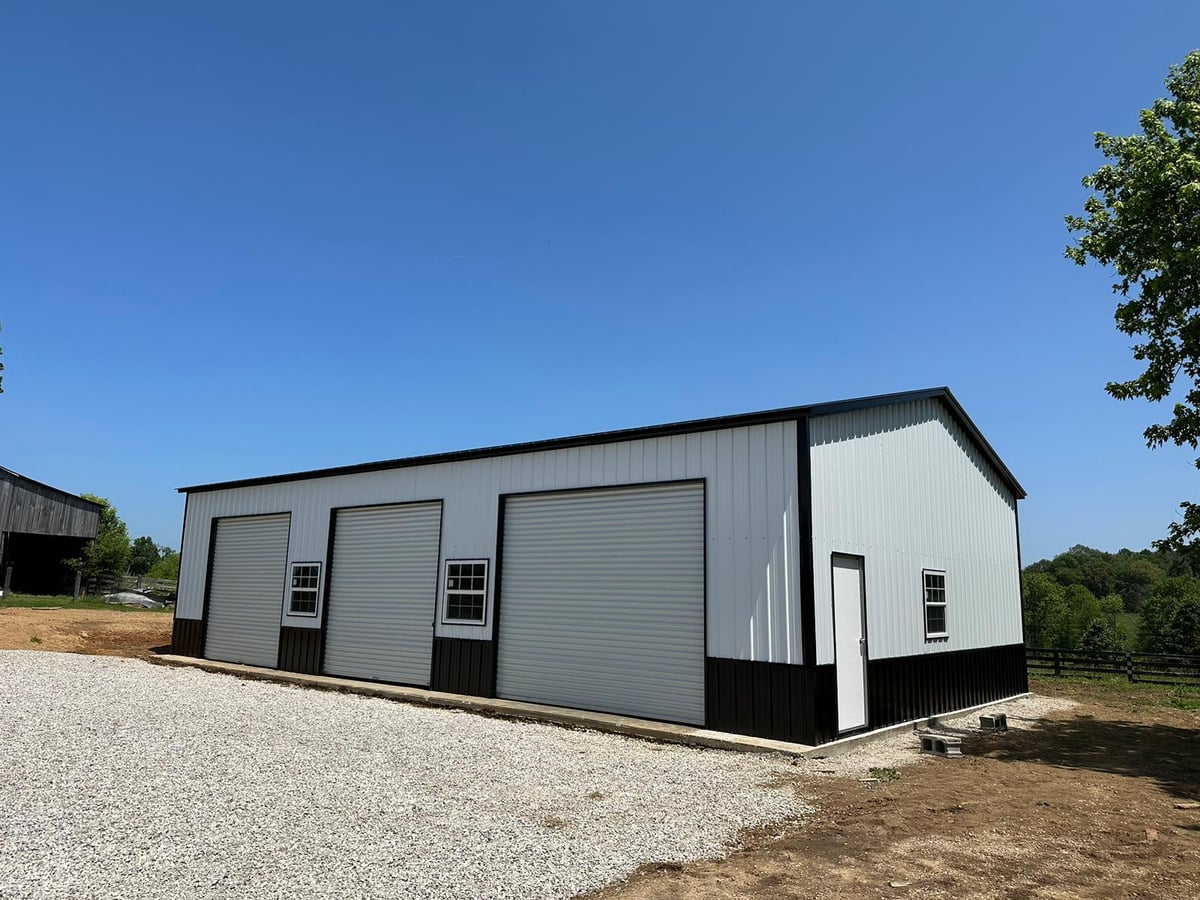
Many property owners start with open carports before adding partial or full enclosures as budgets allow. Choosing certified installers ensures modifications maintain structural integrity and warranty coverage.
Insurance and Property Value Implications
Metal barns and garages often reduce property insurance premiums compared to wood structures due to superior fire resistance and weather durability. Documenting professional installation and maintaining certification records supports insurance claims and property appraisals.
Quality metal structures increase property values, particularly in rural and suburban markets where storage and workshop spaces attract buyers. The Small Business Administration recognizes secure metal buildings as important assets for business continuity planning.
Selecting the Right Metal Building Provider
Choosing suppliers and installers significantly impacts project success, long-term satisfaction, and warranty support. Evaluating providers based on specific criteria protects your investment.
Manufacturer Quality and Warranties
Reputable manufacturers use American-made steel meeting ASTM standards for strength and galvanization. Warranty coverage should include panels, framing, and workmanship for minimum 20-year periods on major components.
Request documentation showing wind and snow load certifications appropriate for your region. Manufacturers providing engineered plans stamped by licensed professionals demonstrate commitment to quality and code compliance.
Installation Experience and Support
Certified installation teams familiar with local building codes and soil conditions ensure proper construction. Ask for references from recent projects similar to your requirements, particularly regarding size and complexity.
Post-installation support matters significantly when issues arise. Providers offering responsive customer service and warranty claim assistance deliver better long-term value than those focused solely on initial sales.
Maintenance Best Practices for Longevity
While metal barns and garages require minimal upkeep, following systematic maintenance procedures maximizes lifespan and preserves appearance. Implementing these practices prevents minor issues from becoming costly repairs.
Seasonal Inspection Protocols
Spring inspections should focus on winter damage, checking for loose panels, damaged fasteners, or compromised seals around doors and windows. Clear debris accumulated during storms to prevent drainage issues.
Fall preparations involve cleaning gutters, inspecting roof panels for damage, and ensuring proper drainage away from the foundation. These measures prevent ice dams and water infiltration during winter months.
Regular maintenance checklist:
- Tighten loose screws and replace missing fasteners
- Touch up scratched paint preventing rust development
- Lubricate door tracks and moving hardware
- Inspect and clear drainage systems
- Check anchor points for stability
- Remove vegetation growing near structure base
Addressing Common Issues Promptly
Minor problems escalate quickly when ignored. Small panel dents or scratches develop into rust spots compromising structural integrity. Addressing these issues immediately prevents expensive repairs or panel replacement.
Condensation inside buildings indicates inadequate ventilation or insulation problems. Installing additional vents or upgrading insulation prevents long-term moisture damage to stored items and building components.
Metal barns and garages represent smart investments offering decades of reliable service with minimal maintenance requirements. Their versatility, durability, and customization options make them ideal solutions for protecting vehicles, equipment, livestock, and valuable possessions across diverse applications. Whether you need agricultural storage, workshop space, or secure vehicle protection, Metal Structure Sales LLC provides high-quality metal structures tailored to your specific requirements, complete with professional delivery and installation. Explore the possibilities and discover how Metal Structure Sales LLC can help you build the perfect metal structure for your property today.