

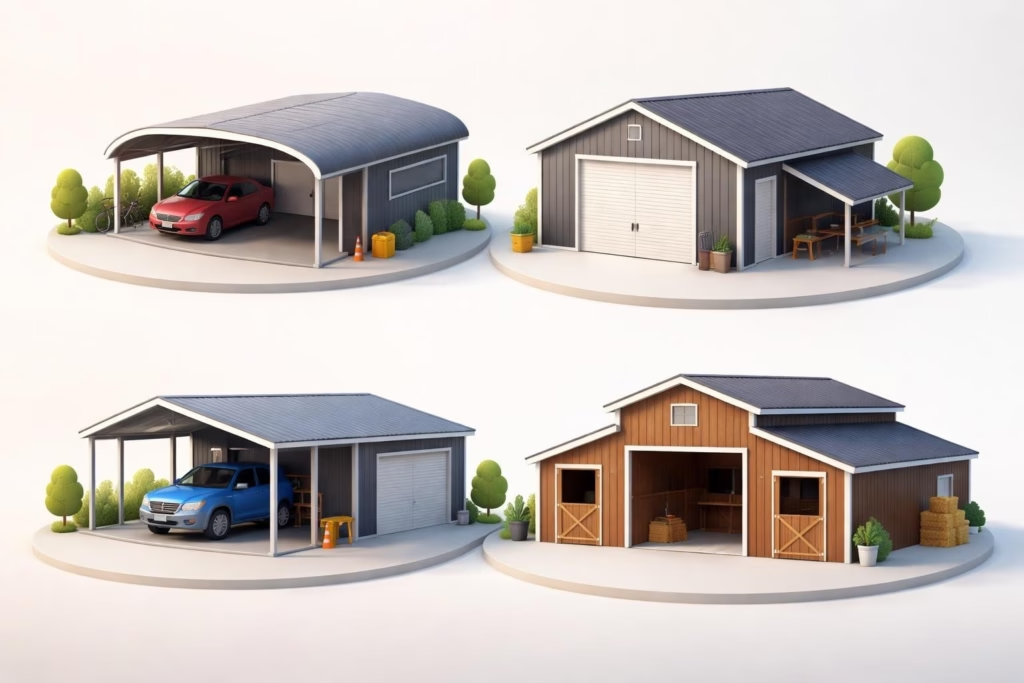
When it comes to protecting your vehicles, equipment, or livestock, the range of options available in metal choice buildings has expanded dramatically over the past decade. Today's property owners face an exciting yet sometimes overwhelming array of configurations, roof styles, dimensions, and customization features. Understanding how to navigate these choices ensures you invest in a structure that perfectly matches your specific requirements while delivering decades of reliable performance.
Understanding the Fundamentals of Metal Choice Buildings
Metal choice buildings represent a comprehensive category of prefabricated steel structures designed for various applications. These buildings differ from traditional construction in their modular approach, where components are manufactured to specifications and assembled on-site. The term "choice" reflects the extensive customization options available to buyers who want structures tailored to their unique needs.
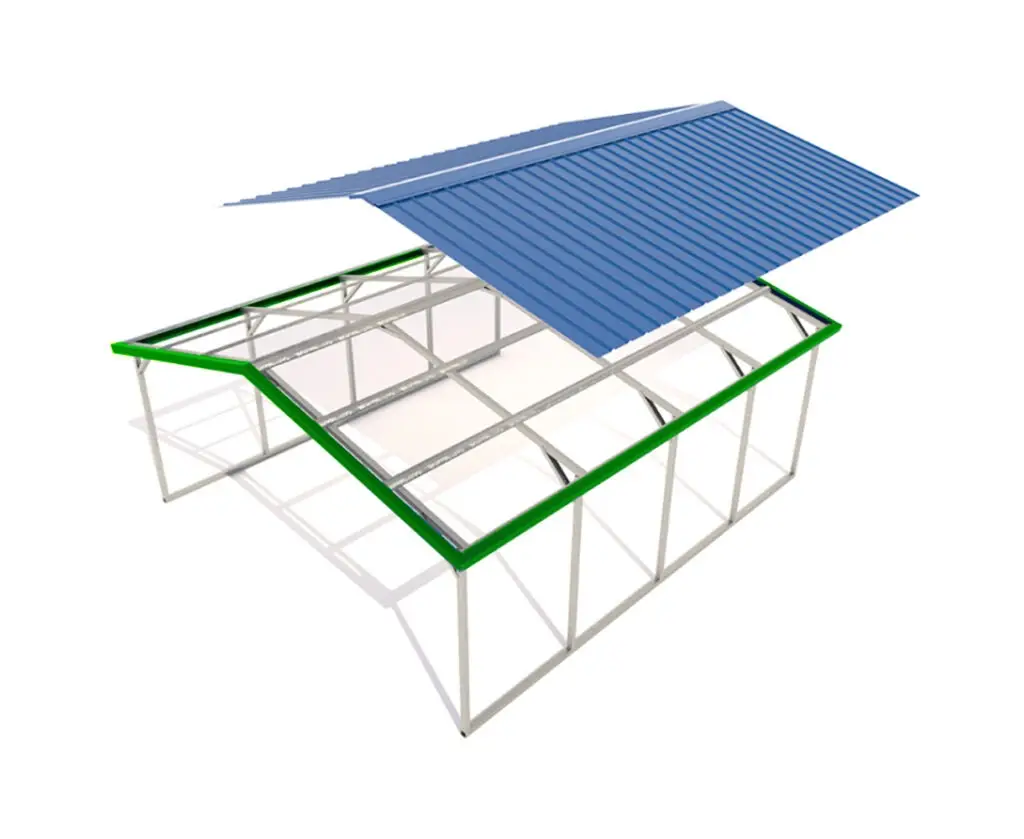
The foundation of metal choice buildings rests on three primary components: the structural frame, the roof system, and the paneling. Each component offers multiple selection points where property owners can specify their preferences. The structural frame typically uses 12-gauge or 14-gauge steel tubing, with heavier gauge options providing increased strength for areas experiencing severe weather conditions.
Roof Style Options That Define Your Building
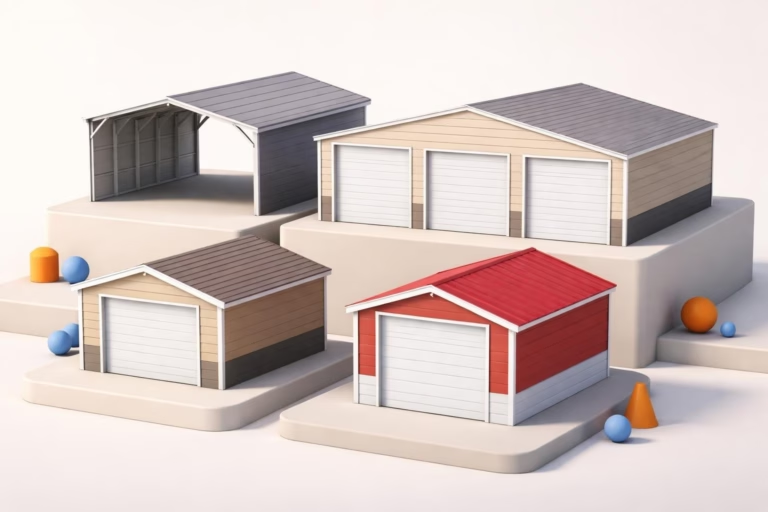
One of the most significant decisions involves selecting the appropriate roof style for your metal building. Three main configurations dominate the market, each offering distinct advantages. Regular style roofs feature rounded horizontal panels that run from side to side, making them the most economical option for basic protection needs.
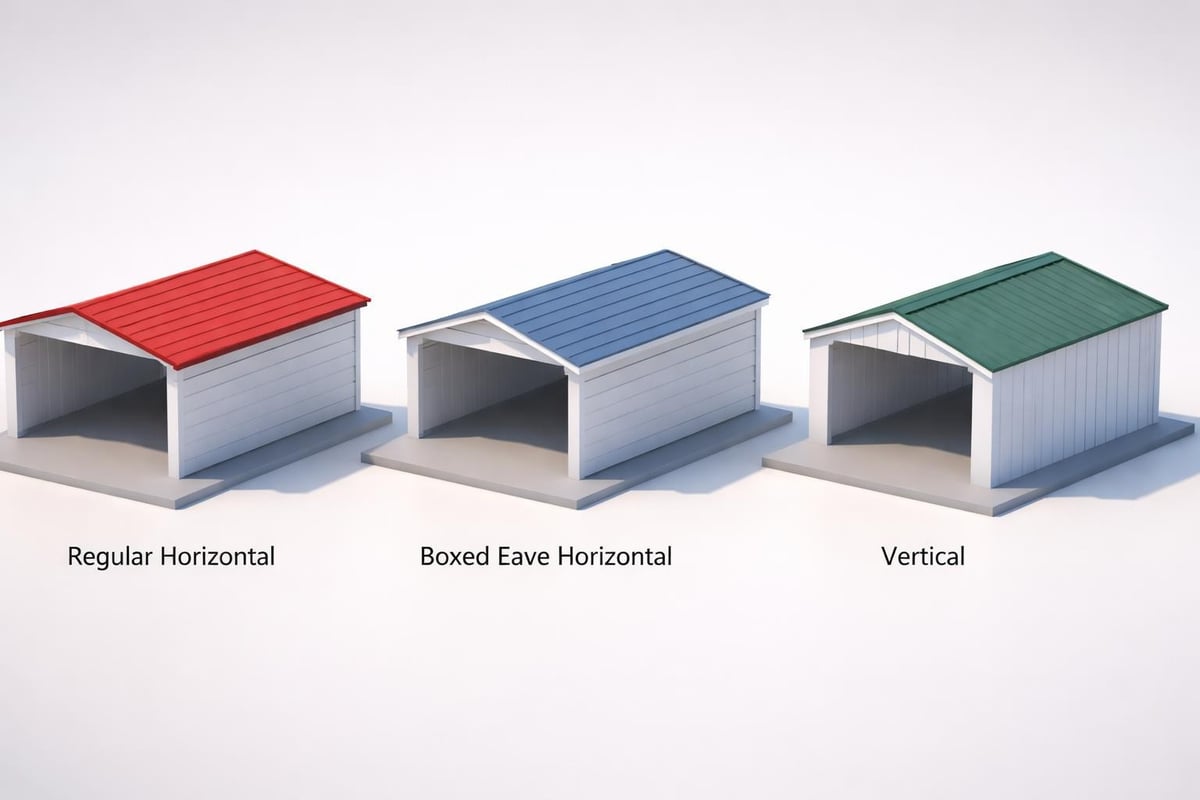
Boxed eave roofs incorporate an A-frame design with horizontal paneling, providing improved aesthetics and slightly better water drainage compared to regular style roofs. The vertical roof stands as the premium choice, featuring panels that run vertically from the peak to the ground. This design offers superior strength, optimal water and snow runoff, and qualifies for certification in most regions. Understanding key factors for designing durable metal buildings helps property owners appreciate why roof style impacts long-term performance.
Dimensional Considerations for Metal Choice Buildings
Determining the correct size represents a critical step in the selection process. Width measurements for metal choice buildings typically range from 12 feet to 60 feet, with standard increments available throughout this spectrum. Length extends up to 200 feet for most applications, though custom lengths beyond standard increments may incur additional costs.
Height specifications deserve careful attention:
- Standard leg height begins at 6 feet for basic applications
- Most carport installations use 8 to 12 feet of clearance
- RV and commercial equipment often require 14 to 16 feet
- Extra-tall applications can accommodate up to 20 feet
The relationship between these dimensions determines both the functionality and the cost of your structure. A building that's too small fails to serve its purpose, while excessive dimensions increase expenses unnecessarily. Measuring your vehicles, equipment, or intended use carefully before finalizing specifications prevents costly mistakes.
Calculating Your Space Requirements
Creating an accurate space plan involves more than measuring your current assets. Forward-thinking property owners account for future acquisitions, workspace around vehicles, and access requirements. For vehicle storage, add at least 2 feet to each side and 3 feet to the front and back of your largest vehicle's dimensions.
When housing equipment or creating workshop space, consider movement patterns and door swing radius. The most common design mistakes discussed in metal building construction planning often stem from inadequate space allocation during the initial design phase.
Customization Features That Enhance Functionality
Beyond basic dimensions and roof styles, metal choice buildings offer numerous enhancement options. These features transform a simple shelter into a highly functional space tailored to specific activities. Understanding which customizations deliver the best value for your situation requires examining your intended use carefully.
| Feature Type | Options Available | Primary Benefit |
|---|---|---|
| Enclosure | Open, Partially Enclosed, Fully Enclosed | Weather protection level |
| Doors | Roll-up, Walk-in, Garage, Frame-outs | Access convenience |
| Windows | Standard, Insulated, Custom sizes | Natural light and ventilation |
| Insulation | Roof only, Walls only, Complete | Temperature control |
| Colors | 20+ options | Aesthetic appeal |
Enclosure options range from completely open carports to fully enclosed buildings with walls on all four sides. Partial enclosures provide excellent versatility, allowing weather protection on prevailing wind sides while maintaining open access from other directions. Fully enclosed structures offer maximum security and environmental control, making them ideal for workshops, storage facilities, or animal shelters.
For property owners seeking versatile solutions, exploring Metal Carport Combo Units provides an innovative approach to maximizing functionality. These hybrid structures combine open carport space with enclosed storage or workshop areas, delivering dual functionality within a single footprint.
Door and Window Configurations
The type and placement of doors significantly impact your building's usability. Roll-up garage doors provide wide-open access ideal for vehicles, while walk-in doors offer convenient pedestrian entry. Frame-outs allow you to install your own doors and windows, providing flexibility if you have specific security or aesthetic requirements.
Window placement affects both functionality and building codes in many regions. Strategic window positioning provides natural light, reduces daytime lighting costs, and improves ventilation. Insulated windows enhance climate control for buildings used as workshops or animal shelters.
Material Quality and Gauge Selection
Not all metal choice buildings offer equivalent structural integrity. The gauge of the steel frame and panels directly correlates with the building's strength, longevity, and weather resistance. Understanding gauge specifications helps you make informed decisions about quality versus cost tradeoffs.
Frame gauge options typically include:
- 14-gauge tubing: Standard for most residential applications in moderate climates
- 12-gauge tubing: Enhanced strength for harsh weather or large dimensions
- Custom heavy-gauge: Available for extreme conditions or specialized requirements
Sheet metal for roofing and siding commonly comes in 29-gauge or 26-gauge options. The 26-gauge material provides increased durability and dent resistance, particularly important in areas prone to hail or falling debris. When designing a metal building, material selection should align with local environmental factors and expected lifespan requirements.
Regional Considerations and Code Requirements
Metal choice buildings must comply with local building codes, which vary significantly across regions. Snow load requirements, wind ratings, and seismic specifications all influence the structural design necessary for your location. Partnering with providers who understand these regional variations ensures your building meets all necessary standards.
Certification and engineering stamps provide documentation that your structure meets specified load requirements. In many jurisdictions, certified buildings qualify for insurance discounts and satisfy permitting requirements more easily. The additional cost for certification typically represents a small percentage of the total investment while providing substantial peace of mind.
Climate-Specific Design Elements
Different climates demand different structural considerations. Properties in the Northeast face heavy snow loads requiring vertical roof orientation and enhanced framing. Gulf Coast regions need wind-rated structures capable of withstanding hurricane-force gusts. Desert environments benefit from reflective coating options that reduce heat absorption.
Understanding how complexity impacts metal building design helps explain why identical buildings may have different specifications based on installation location. Your chosen manufacturer should provide location-specific recommendations that address your regional challenges.

Application-Specific Building Selection
Different uses demand different building configurations. Matching your structure to its intended purpose ensures optimal functionality and value. Vehicle storage, equipment protection, livestock housing, and workspace creation each benefit from specific design considerations.
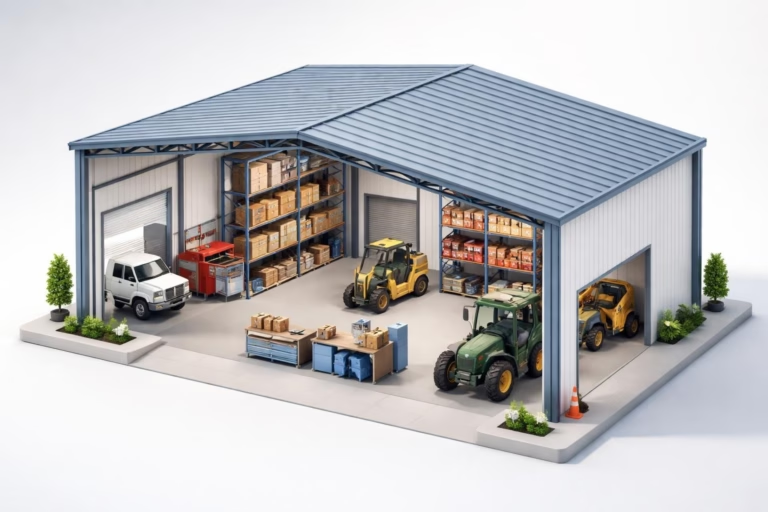
For standard vehicle protection, open carports with adequate height clearance provide cost-effective solutions. These structures shield vehicles from sun damage, precipitation, and falling debris while maintaining easy access. RV storage demands greater height and often benefits from partial enclosure to protect slide-outs and entry doors.
Agricultural and Livestock Applications
Metal choice buildings serve agricultural needs exceptionally well. Horse barns require specific features including stall dividers, tack room enclosures, and adequate ventilation. The durability and low maintenance requirements of metal structures make them ideal for environments where animals generate humidity and require regular cleaning.
Equipment storage for tractors, implements, and harvesting machinery benefits from large clear-span designs that eliminate interior posts. Wide-span configurations accommodate oversized equipment while allowing flexible interior layouts. Many farmers discover that learning about metal shop buildings helps them understand the versatility available for agricultural applications.
Long-Term Value and Cost Considerations
Evaluating metal choice buildings purely on initial purchase price overlooks significant long-term value factors. While upfront costs vary based on size, features, and quality, the total cost of ownership extends across decades. Maintenance requirements, energy efficiency, and structural longevity all contribute to the true value equation.
Metal structures require minimal maintenance compared to wood alternatives. The absence of painting, sealing, or pest treatment reduces ongoing expenses dramatically. Galvanized steel resists rust and corrosion, while quality powder-coated finishes maintain appearance for decades. Research on the 30-year cost comparison of metal versus traditional materials demonstrates substantial savings over extended timeframes.
| Cost Factor | Initial Impact | 10-Year Impact | 30-Year Impact |
|---|---|---|---|
| Purchase Price | High | Medium | Low |
| Maintenance | None | Low | Medium |
| Repairs | Minimal | Minimal | Low |
| Energy Costs | Variable | Medium | Medium |
| Insurance | Low | Low | Low |
Financing and Budget Planning
Understanding the complete scope of costs helps create realistic budgets. Beyond the base structure price, consider site preparation, permits, and utility connections if applicable. Many manufacturers include delivery and installation in their pricing, simplifying budget planning. Exploring available finance options can make larger or more feature-rich buildings accessible within monthly budgets.
Installation and Site Preparation Requirements
Proper site preparation ensures your metal building performs as designed. Level ground provides the foundation for accurate installation and proper water drainage. Most metal choice buildings use anchor systems that secure the structure to concrete footings, asphalt, or ground anchors depending on local requirements and soil conditions.
The installation process typically takes one to three days depending on building size and complexity. Professional installation teams follow engineered plans that specify anchor placement, frame assembly sequence, and panel attachment procedures. Understanding that design, anchoring, and materials work together highlights why professional installation delivers optimal results.
Site preparation checklist includes:
- Ground leveling within specified tolerances
- Drainage planning to direct water away from the structure
- Utility location and marking to prevent conflicts
- Access clearance for delivery trucks and equipment
- Permit acquisition and inspection scheduling
Property owners can reduce costs by completing preliminary site work themselves, though final grading often benefits from professional expertise. Confirming that your site meets manufacturer specifications before delivery prevents delays and additional charges.
Selecting Colors and Aesthetic Options
While functionality drives most metal choice buildings decisions, aesthetic considerations matter for many property owners. Modern metal structures offer extensive color selections that coordinate with existing buildings or match personal preferences. Most manufacturers provide 15 to 20 standard colors covering neutrals, earth tones, and bold accent options.
Roof and trim colors can contrast with side panels, creating visual interest and architectural appeal. Properties in HOA-controlled communities may face restrictions on building appearance, making color selection an important compliance factor. Checking community guidelines before finalizing your order prevents potential conflicts.
Color choices affect more than appearance. Light colors reflect solar heat, reducing interior temperatures in warm climates. Dark colors absorb heat, which can benefit structures in colder regions or those used for temperature-sensitive storage. The relationship between color and thermal performance deserves consideration during the selection process.
Maximizing Your Metal Building Investment
Getting the most value from metal choice buildings requires thinking beyond immediate needs. Structures that accommodate future growth, provide flexible configuration options, and include quality components deliver superior long-term returns. Investing in appropriate features during initial construction costs less than retrofitting additions later.
Consider how your needs might evolve over the next 10 to 20 years. Will you acquire additional vehicles? Might you start a small business requiring workshop space? Could agricultural activities expand? Selecting dimensions and features that accommodate reasonable growth scenarios adds minimal upfront cost while providing valuable flexibility.
Visitors can explore a Component Visualizer to understand how different features and options affect the final appearance and functionality of their structure. This interactive approach helps property owners make confident decisions about customization choices.
Warranty and Service Considerations
Quality manufacturers stand behind their metal choice buildings with comprehensive warranty coverage. Frame warranties often extend 20 years or more, while panel and coating warranties typically cover 15 to 25 years. Understanding warranty terms, including what's covered and any maintenance requirements, protects your investment.
After-sale service availability matters when questions or issues arise. Manufacturers with responsive customer service teams and local installation networks provide peace of mind throughout the ownership experience. Researching common FAQs helps property owners understand typical concerns and solutions.
Comparing Pre-Engineered and Custom Solutions
Metal choice buildings span a spectrum from fully standardized packages to completely custom designs. Pre-engineered options offer cost advantages through streamlined manufacturing and standardized components. These buildings suit the vast majority of residential and light commercial applications efficiently.
Custom solutions address unique requirements that fall outside standard offerings. Unusual dimensions, specialized door placements, or integration with existing structures may necessitate custom engineering. Understanding when pre-engineered metal buildings compare favorably to custom alternatives helps optimize value.
The decision between standardized and custom approaches depends on your specific situation. Most property owners find that standard offerings with available customization options meet their needs completely. True custom engineering typically adds 15% to 30% to project costs and extends lead times, making it appropriate only when necessary.
Selecting the ideal metal structure requires balancing immediate needs with future flexibility while considering regional requirements and budget constraints. The extensive options available in metal choice buildings ensure that property owners can find configurations matching their specific applications perfectly. Metal Structure Sales LLC specializes in helping customers navigate these choices, offering expert guidance and high-quality structures with delivery and installation included. Their customizable solutions, backed by comprehensive support, transform the selection process from overwhelming to straightforward, ensuring you invest in a building that serves your needs for decades to come.