

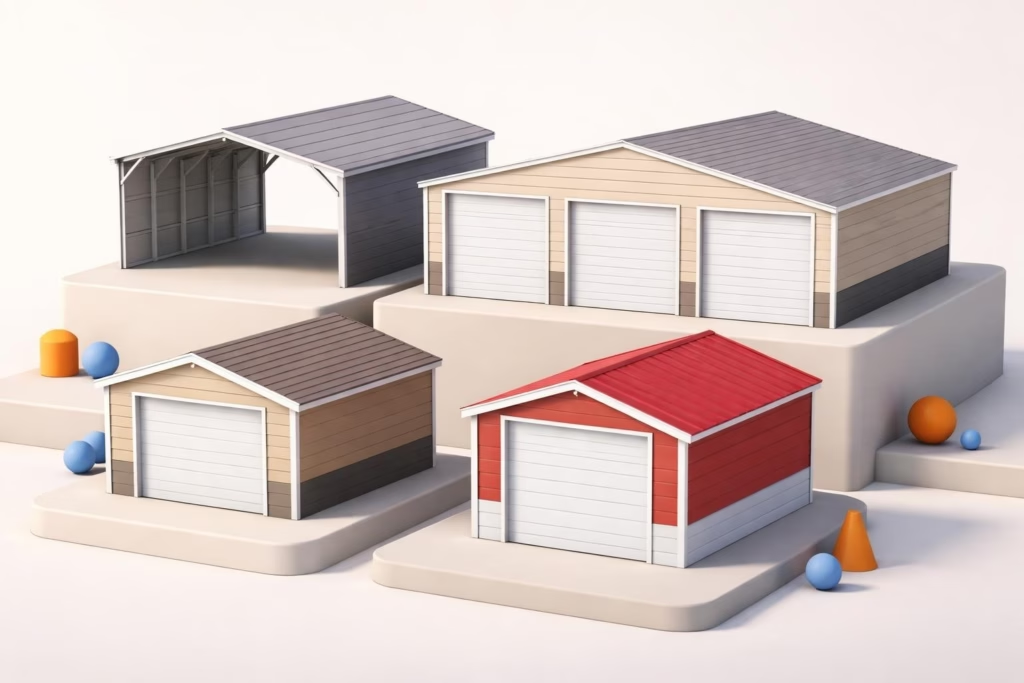
The market for metal structures has experienced significant growth as property owners recognize the durability, affordability, and versatility of steel buildings. Metal garage sales represent a critical opportunity for buyers to invest in long-lasting protection for vehicles, equipment, and storage needs. Understanding the landscape of metal garage sales requires knowledge of materials, construction methods, pricing structures, and what separates quality manufacturers from those cutting corners. Whether you're protecting a classic car collection, creating workshop space, or securing equipment from the elements, navigating metal garage sales effectively ensures you make an informed investment that serves your needs for decades.
Understanding the Metal Garage Sales Market
The steel building industry has evolved considerably over the past two decades, with metal garage sales becoming increasingly competitive. Manufacturers now offer extensive customization options, from roof styles to dimensions, creating a marketplace where buyers benefit from variety but must also exercise careful judgment.
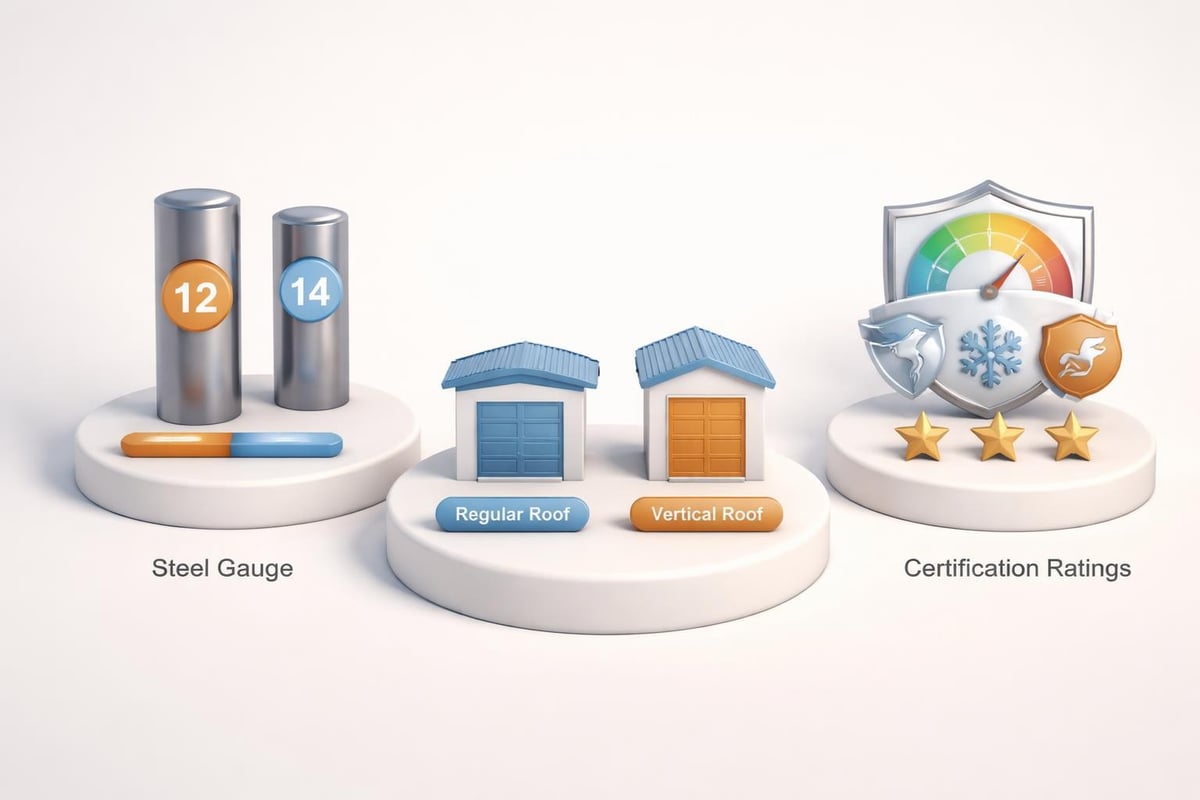
Price variation in metal garage sales stems from several factors:
- Gauge thickness of steel framing (14-gauge versus 12-gauge)
- Sheet metal panel quality (29-gauge versus 26-gauge)
- Roof style (regular, boxed eave, or vertical)
- Certification requirements for wind and snow loads
- Installation complexity and geographic location
When examining metal garage sales, the lowest price rarely represents the best value. According to metal roofing industry statistics, quality materials and proper installation significantly impact longevity and performance. A structure built with heavier gauge steel and properly certified for your region's weather conditions will outperform cheaper alternatives by years, if not decades.
Seasonal Trends in Metal Garage Sales
Metal garage sales often follow seasonal patterns, with manufacturers offering promotional pricing during traditionally slower months. Late fall and winter months may present opportunities for better pricing as demand typically decreases. However, spring and early summer represent peak construction seasons when installation schedules fill quickly.
Planning your purchase strategically means balancing price advantages against installation timelines. Ordering during off-peak periods might secure better pricing, but you'll need to consider weather constraints for installation in your region. Many buyers in northern states benefit from ordering in fall for spring installation, locking in favorable pricing while avoiding winter construction challenges.
Evaluating Quality in Metal Garage Sales
Not all metal structures offer equal value, and distinguishing between quality construction and inferior products requires attention to specific details. The framework, panels, anchoring systems, and certifications all contribute to overall structural integrity.
Frame Construction Standards
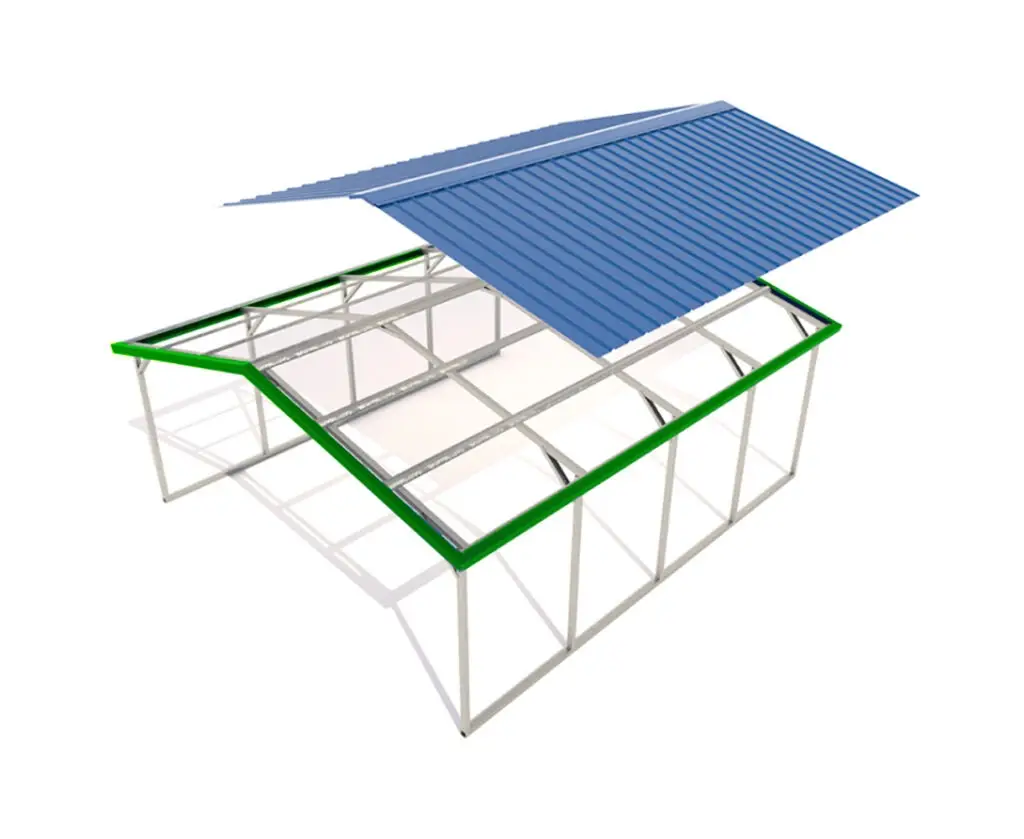
The skeletal framework determines your metal garage's ability to withstand environmental stresses. Quality metal garage sales feature frames constructed from galvanized steel tubing, with gauge thickness appropriate for the structure's size and your area's building codes.
| Frame Component | Standard Quality | Premium Quality |
|---|---|---|
| Main Frame | 14-gauge steel | 12-gauge steel |
| Leg Height | 6-8 feet | Up to 16 feet |
| Tube Size | 2.25" x 2.25" | 2.5" x 2.5" |
| Spacing | 5-foot centers | 4-foot centers |
Premium manufacturers often provide detailed specifications for their framing systems, including tube dimensions, wall thickness, and connection methods. When comparing metal garage sales options, request complete specifications rather than relying on general descriptions. Understanding whether connections use welded joints, bolted assemblies, or specialized fastening systems helps you assess long-term durability.
Panel Quality and Weather Resistance
Sheet metal panels form your garage's protective barrier against rain, snow, wind, and sun exposure. Panel gauge thickness directly correlates with impact resistance and longevity. Standard 29-gauge panels provide adequate protection for most applications, while 26-gauge panels offer enhanced durability for areas experiencing severe weather or where falling branches pose concerns.
The various uses of prefabricated steel buildings demonstrate how panel quality affects performance across different applications. Agricultural settings with exposure to equipment and livestock benefit from heavier gauge panels, while residential carports may perform well with standard gauge options.
Customization Options in Metal Garage Sales
Modern metal garage sales provide extensive customization capabilities, allowing buyers to specify dimensions, roof styles, colors, and functional features. Understanding available options helps you create a structure perfectly suited to your requirements.
Standard customization categories include:
- Dimensional specifications – Width from 12 to 60 feet, length in 5-foot increments, height adjustments
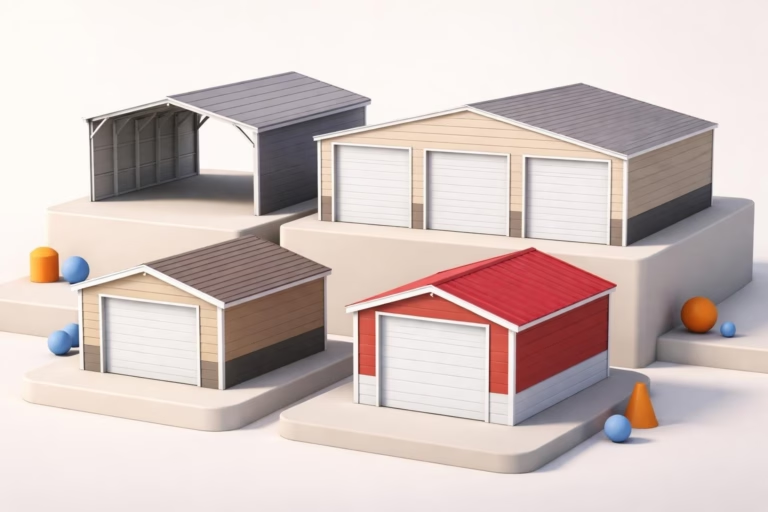
- Roof configurations – Regular horizontal, boxed eave, or vertical styles
- Enclosure options – Fully open, partially enclosed, or completely enclosed
- Access points – Walk-in doors, garage doors, windows
- Color selections – Roof, trim, and side panel colors
For property owners needing comprehensive coverage, Metal Carports offer extensive customization through interactive design tools that let you visualize your structure before ordering. This approach to metal garage sales eliminates guesswork and ensures the final product matches your specifications exactly.
Roof Style Impact on Performance
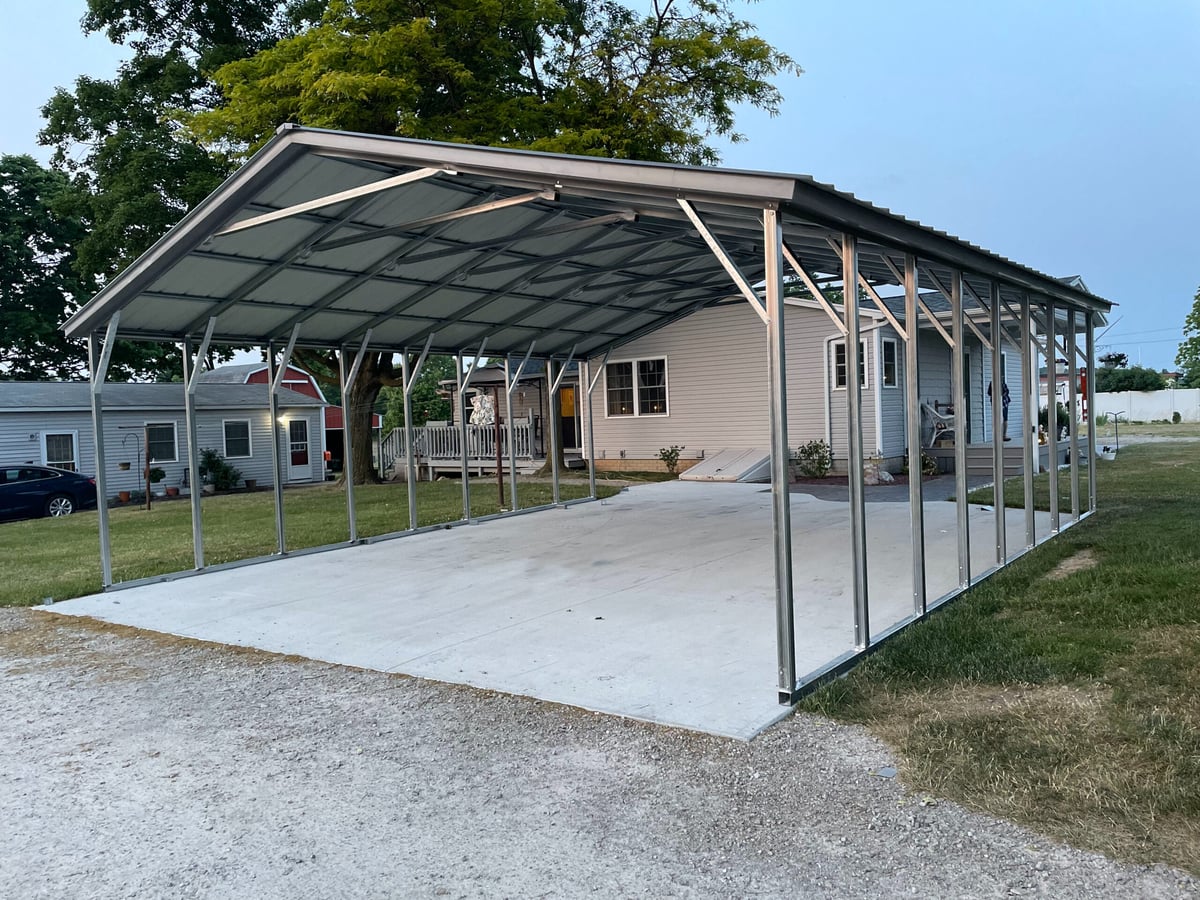
Roof design significantly affects water drainage, snow shedding, and overall structural performance. Regular roof styles feature horizontal panels running from front to back, suitable for areas with minimal snow accumulation. Boxed eave roofs add a finished appearance with enclosed eaves. Vertical roof systems, the premium option in metal garage sales, feature panels running from ridge to eave, providing superior water and snow shedding.
Vertical roof construction costs more initially but delivers measurable benefits in regions experiencing significant precipitation or snow loads. The investment becomes particularly worthwhile when protecting valuable vehicles or equipment requiring maximum protection from the elements.
Navigating Pricing Structures
Metal garage sales pricing varies considerably based on size, features, location, and manufacturer. Transparent pricing helps buyers budget accurately and avoid unexpected costs during the purchasing process.
Base Price Components
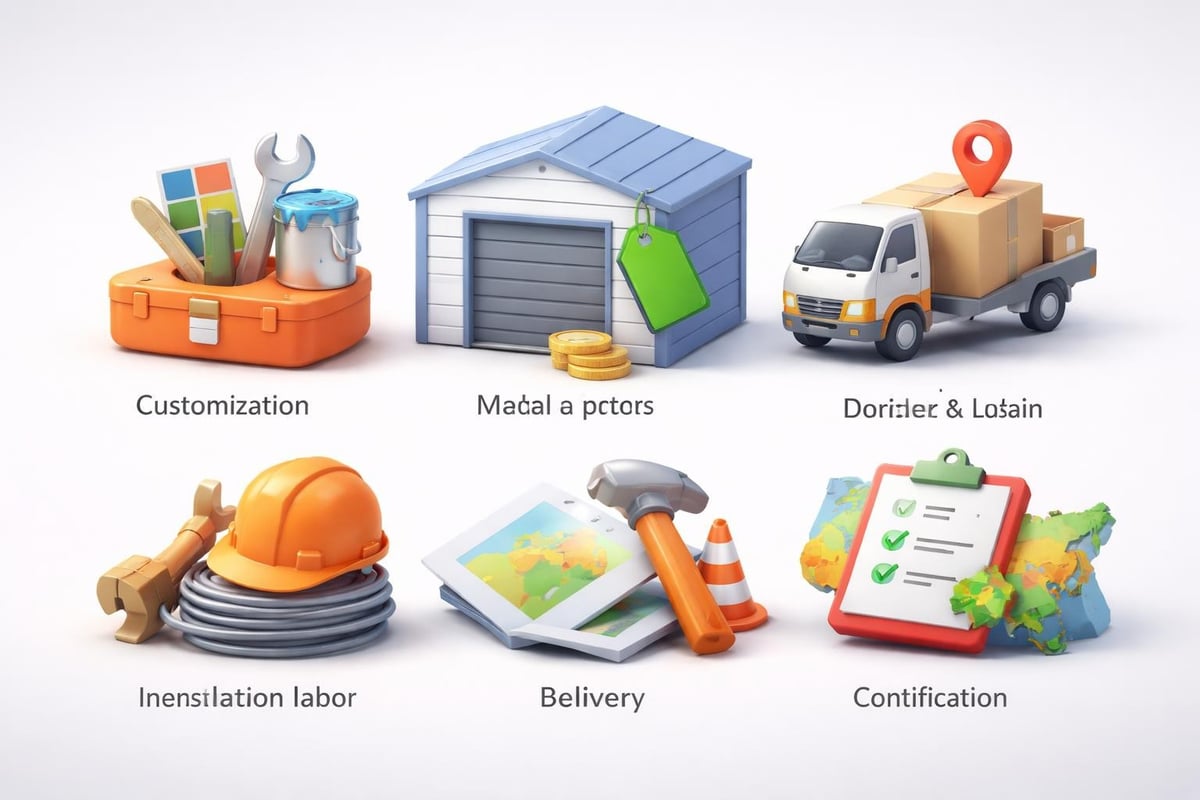
Understanding what's included in advertised pricing prevents confusion and allows accurate comparison between different metal garage sales options. Reputable manufacturers clearly itemize:
- Structure materials and manufacturing
- Delivery to your location
- Professional installation
- Required anchoring systems
- Applicable certifications
Some manufacturers separate installation costs, while others include everything in a single price. When comparing metal garage sales, ensure you're evaluating complete installed costs rather than materials-only pricing. The approach outlined in this guide on buying metal garages emphasizes understanding total project costs including permits and site preparation.
Additional Cost Considerations
Beyond the structure itself, metal garage sales may involve supplementary expenses depending on your specific situation and requirements.
| Additional Cost | Typical Range | Required When |
|---|---|---|
| Building Permits | $100-$500 | Most jurisdictions |
| Site Preparation | $200-$2,000 | Uneven terrain |
| Concrete Anchors | $300-$800 | Permanent installation |
| Electrical Work | $500-$3,000 | Lighting/power needs |
| Gutters/Downspouts | $200-$600 | Water management |
Site preparation requirements vary significantly based on terrain and soil conditions. Level, compacted ground simplifies installation and reduces costs, while sloped or soft soil conditions may require grading or foundation work. Discussing your property's specific conditions with manufacturers during metal garage sales consultations helps establish realistic budget expectations.
Avoiding Common Pitfalls
The steel building industry includes both reputable manufacturers and companies employing questionable practices. Educating yourself about common sales traps helps you identify red flags and make sound decisions during metal garage sales transactions.
Certification and Engineering Compliance
Building codes exist to ensure structures withstand local environmental conditions. Quality metal garage sales include proper engineering certifications for your specific location, addressing wind speeds, snow loads, and seismic requirements where applicable.
Essential certification questions to ask:
- Is engineering included for my specific address?
- What wind speed and snow load ratings apply?
- Are certifications accepted by my local building department?
- Can you provide sealed engineering documents?
Manufacturers unable or unwilling to provide clear certification documentation should raise immediate concerns. The modest cost difference between certified and non-certified structures pales in comparison to potential code violations, insurance complications, or structural failures during severe weather events.
Understanding Warranty Coverage
Warranty terms vary substantially across metal garage sales providers. Comprehensive warranties cover different components for specified periods, typically including:
- Frame structural warranty (often 20 years)
- Panel perforation warranty (often 20 years)
- Paint and finish warranty (typically 10-15 years)
- Workmanship warranty (usually 1 year)
Read warranty terms carefully, noting exclusions and maintenance requirements. Some warranties become void without proper maintenance or if modifications are made. Understanding these terms before purchase prevents disappointment if issues arise later.
Regional Considerations for Metal Garage Sales
Geographic location substantially impacts metal garage sales requirements, pricing, and installation considerations. Climate conditions, building codes, and delivery logistics all vary by region.
Climate-Specific Requirements
Snow loads, wind speeds, and temperature extremes dictate engineering specifications. Buyers in northern regions require structures certified for substantial snow accumulation, while coastal areas need enhanced wind ratings. For example, metal garage options in Kansas differ from specifications needed in Massachusetts due to varying environmental factors.
Temperature considerations also affect material selection. Extreme temperature swings can cause expansion and contraction, making proper fastening systems critical. Quality manufacturers account for these factors in their engineering and installation practices.
Local Building Code Compliance
Building regulations vary by municipality, county, and state. Some jurisdictions require permits for any permanent structure, while others exempt buildings under certain size thresholds. Setback requirements, which dictate how close structures can be placed to property lines, also vary considerably.
Researching local requirements before engaging in metal garage sales prevents costly mistakes. Many manufacturers maintain relationships with local building departments and understand regional requirements, but ultimate compliance responsibility rests with the property owner. The frequently asked questions sections provided by quality manufacturers often address common permitting concerns.
Financing and Payment Options
Large purchases like metal garages often benefit from financing arrangements, making quality structures accessible to more buyers. Understanding available options helps you plan your purchase effectively.
Traditional Financing Methods
Metal garage sales may qualify for various financing approaches depending on the manufacturer's partnerships and your financial situation. Common options include:
- Manufacturer financing programs – Direct payment plans through the building company
- Home equity lines of credit – Leveraging existing property equity
- Personal loans – Unsecured lending based on creditworthiness
- Credit cards – For smaller structures or down payments
Payment flexibility makes quality structures attainable even when immediate cash reserves are limited. Financing options specifically designed for metal structure purchases often feature competitive rates and terms aligned with the product's long-term value.
Rent-to-Own Arrangements
Some metal garage sales include rent-to-own programs for buyers preferring payment flexibility without traditional credit approval. These arrangements typically feature:
- Lower upfront costs
- Monthly payment schedules
- Ownership transfer after final payment
- Early buyout options
While total costs may exceed outright purchase prices, rent-to-own programs provide access to quality structures for buyers unable to secure traditional financing. Comparing program terms, total costs, and buyout provisions helps determine if this approach suits your circumstances.
Maximizing Metal Garage Functionality
Strategic planning extends metal garage value beyond basic vehicle protection. Thoughtful design choices and additions enhance utility and return on investment.
Multi-Purpose Design Applications
Modern metal garage sales embrace versatility, with structures serving multiple functions simultaneously. Combination designs integrate covered parking with enclosed storage, workshop space, or equipment protection. This approach maximizes property utilization and investment value.
Converting basic carports into more functional spaces represents another value-enhancement strategy. Adding panels to enclose one or more sides creates secure storage while maintaining covered parking. The process of converting carports to garages provides detailed guidance for property owners considering this enhancement.
Future Expansion Considerations
Planning for future needs during initial metal garage sales transactions prevents costly modifications later. Oversizing width or length accommodates vehicle upgrades, equipment additions, or expanded storage needs. The incremental cost of additional space during initial construction typically proves more economical than future expansion projects.
Consider these forward-thinking specifications:
- Extra height for RVs or boats
- Additional width for workshop space
- Extended length for future vehicle purchases
- Electrical panel capacity for power tools
- Plumbing rough-in for utility sinks
Installation Process and Timeline
Understanding installation procedures helps buyers prepare properties and set realistic expectations for metal garage sales completion.
Site Preparation Requirements
Proper preparation ensures successful installation and long-term structural performance. Requirements vary based on anchoring method, terrain, and local conditions.
Standard site preparation includes:
- Clearing vegetation and debris
- Leveling the installation area
- Compacting soil or installing gravel base
- Marking utility line locations
- Ensuring equipment access
Most installations complete within one day for standard-sized structures, though larger or complex buildings may require additional time. Weather conditions, particularly wind and precipitation, can affect scheduling. Quality manufacturers communicate clearly about timeline expectations and weather-related delays.
Anchoring Systems and Methods
Securing metal garages properly prevents shifting, uplift, and structural damage. Anchoring methods vary based on surface type and permanence preferences.
| Surface Type | Anchoring Method | Installation Time | Permanence |
|---|---|---|---|
| Concrete Slab | Concrete Anchors | 2-3 hours | Permanent |
| Asphalt | Asphalt Anchors | 2-3 hours | Semi-permanent |
| Gravel/Dirt | Mobile Home Anchors | 3-4 hours | Permanent |
| Ground Mounting | Rebar/Concrete | 4-6 hours | Permanent |
Professional installation includes appropriate anchoring for your situation, ensuring compliance with engineering specifications and local requirements. Attempting DIY installation of larger structures risks improper anchoring and potential code violations.
Long-Term Maintenance Considerations
Metal structures require minimal maintenance compared to wood alternatives, but periodic attention extends lifespan and maintains appearance.
Routine Maintenance Tasks
Quality metal garage sales deliver decades of service with basic upkeep. Establishing simple maintenance routines prevents minor issues from becoming major problems.
Annual maintenance checklist:
- Inspect all fasteners and tighten as needed
- Check for panel damage or loose sections
- Clean debris from roof and gutters
- Touch up any paint scratches or chips
- Verify anchor integrity
- Remove vegetation growing against structure
Most maintenance tasks require only basic tools and minimal time investment. The garage organization market growth reflects increasing attention to proper garage care and organization among property owners.
Addressing Condensation
Metal structures can experience condensation when temperature differentials exist between interior and exterior surfaces. While not structurally harmful, condensation creates moisture that may affect stored items.
Mitigation strategies include proper ventilation through ridge vents or gable vents, insulation installation to moderate temperature differences, and dehumidification in enclosed structures storing moisture-sensitive items. Addressing condensation proactively protects your investment and stored belongings.
Making the Final Decision
Successful metal garage sales transactions result from thorough research, careful comparison, and selection of reputable manufacturers. The investment represents a long-term commitment to property improvement and asset protection.
Prioritize manufacturers offering transparent pricing, comprehensive warranties, proper certifications, and professional installation. Communication quality during the sales process often predicts overall customer experience. Companies providing detailed answers, helping you understand options, and showing patience with questions demonstrate commitment to customer satisfaction.
Review multiple options from different manufacturers, comparing complete specifications rather than price alone. The cheapest option rarely delivers the best long-term value, while the most expensive may include features you don't need. Finding the right balance between quality, features, and budget ensures satisfaction for years to come.
Metal garage sales offer property owners valuable opportunities to invest in durable, versatile structures that protect vehicles, equipment, and belongings from the elements. By understanding quality indicators, customization options, and regional requirements, you can confidently select a metal structure that serves your needs for decades. Metal Structure Sales LLC specializes in customizable metal carports, garages, and buildings with delivery and installation included, helping property owners nationwide find the perfect solution for their protection and storage needs.