

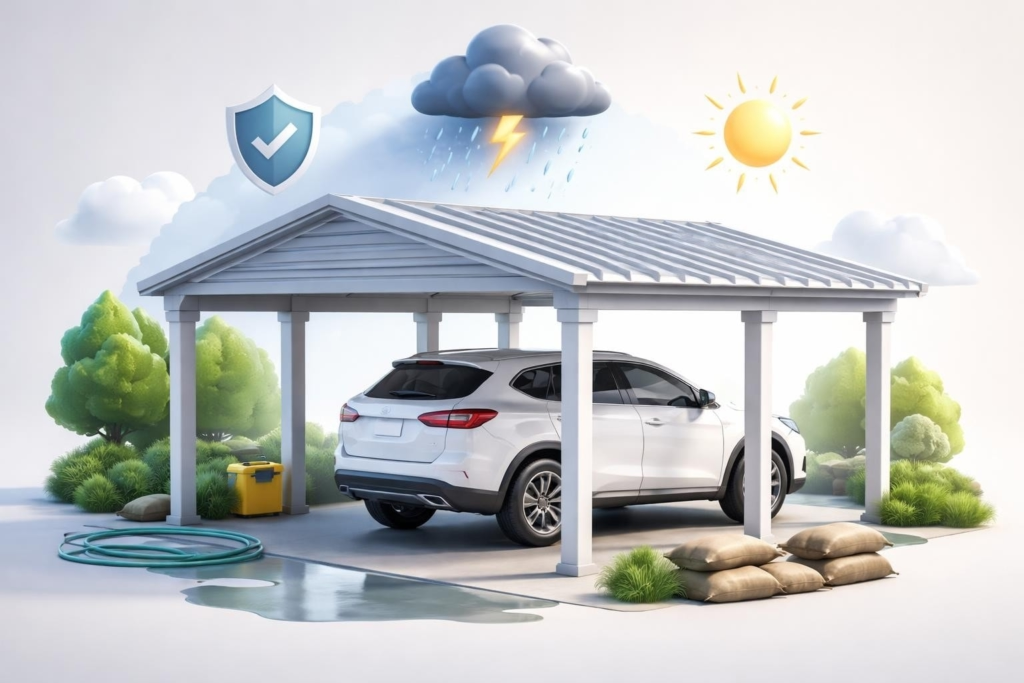
A metal roof carport represents one of the most practical investments for property owners seeking reliable vehicle protection. These structures combine affordability with exceptional durability, offering shelter from harsh weather conditions while maintaining curb appeal. Unlike traditional wood-frame carports that require constant maintenance, metal options provide decades of service with minimal upkeep. The versatility of modern metal roof carport designs allows homeowners to customize dimensions, roof styles, and features to match specific needs and architectural preferences.
Understanding Metal Roof Carport Construction
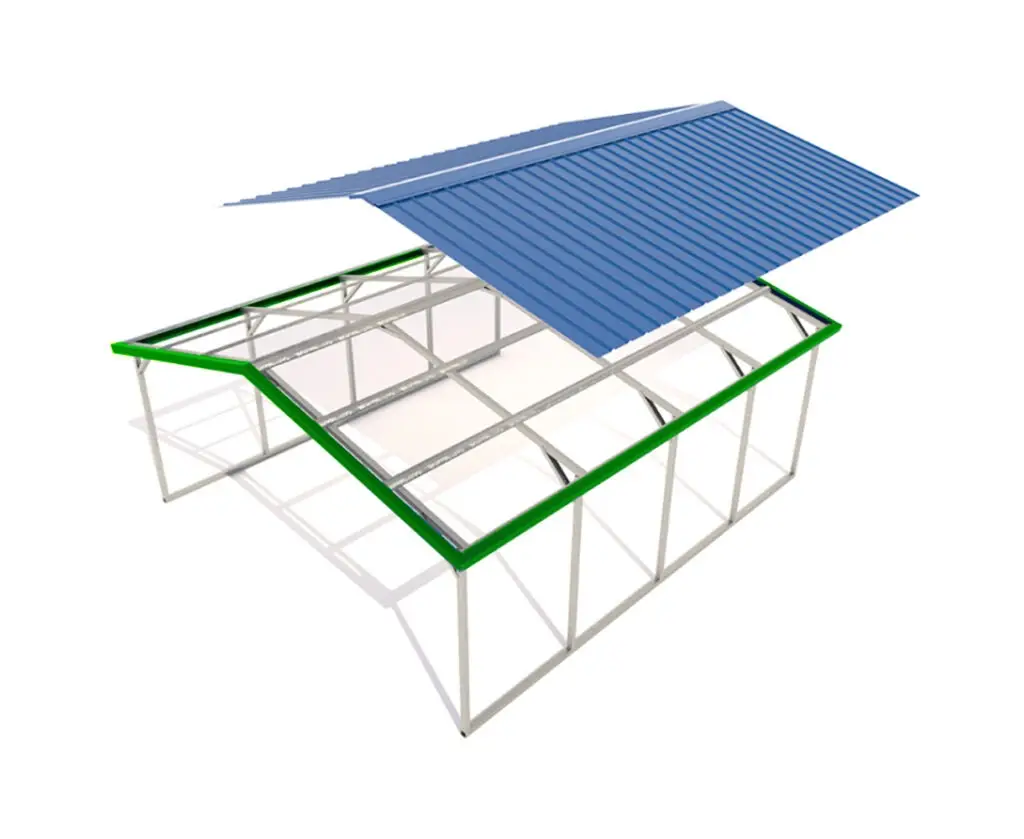
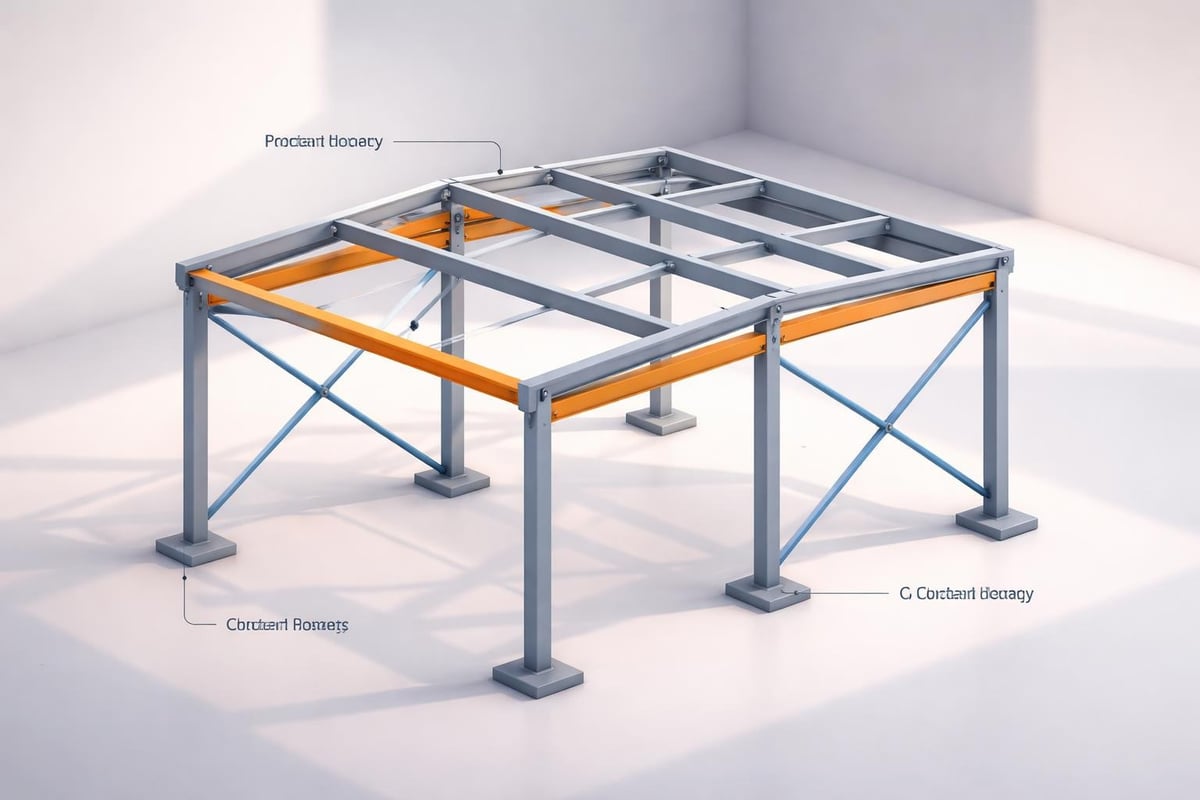
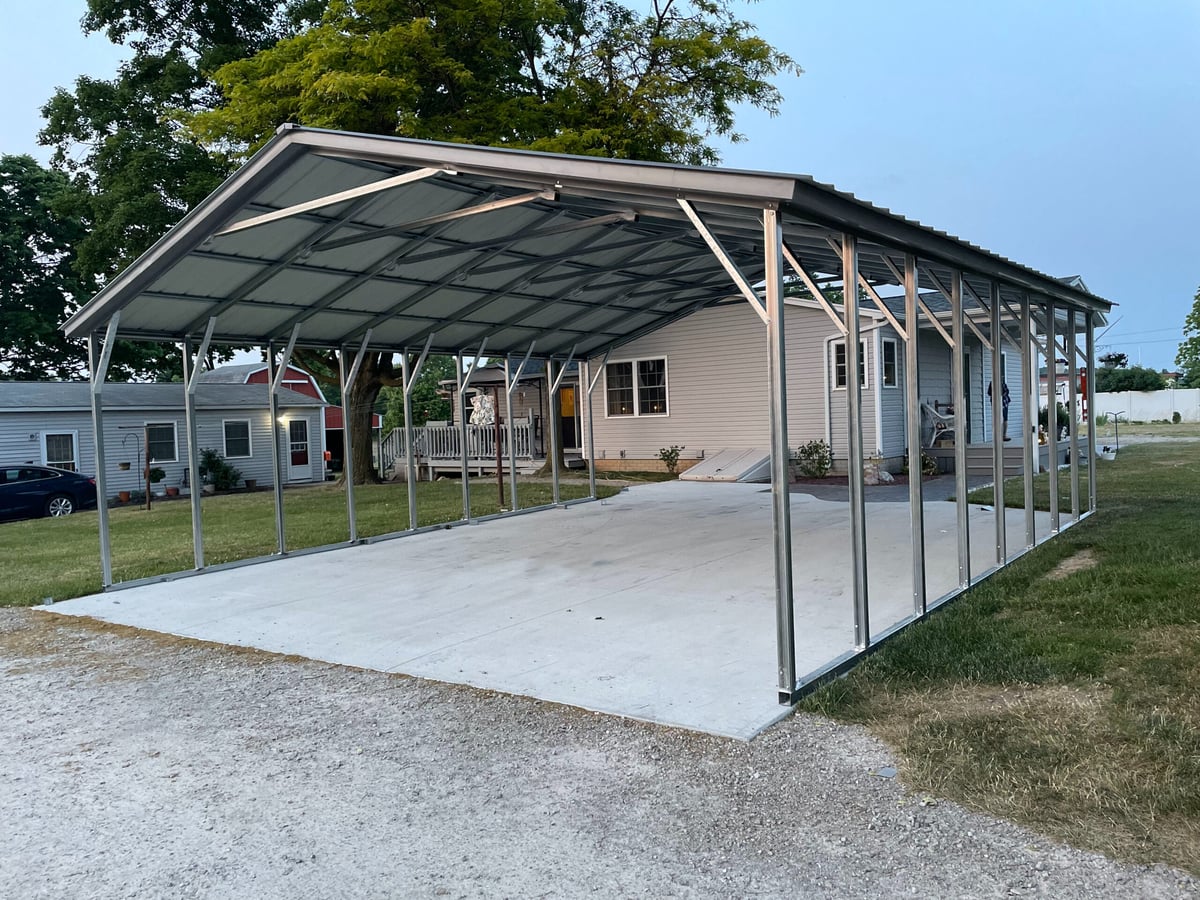
The foundation of any quality metal roof carport begins with engineered steel framing. Modern manufacturers use 12-gauge or 14-gauge steel tubing that creates a robust skeletal structure capable of withstanding significant wind loads and snow accumulation. This framework supports the roof panels, which typically consist of 29-gauge or 26-gauge steel sheeting designed to shed water efficiently and resist corrosion.
Frame Specifications and Engineering
Steel carport frames undergo galvanization processes that coat the metal with protective zinc layers. This treatment prevents rust formation and extends the structural lifespan beyond what untreated steel could achieve. The engineering behind these frames accounts for regional weather patterns, with calculations determining optimal spacing between support columns and cross-bracing requirements.
Key frame components include:
- Vertical support posts anchored to concrete footings or ground anchors
- Horizontal roof beams spanning the width of the structure
- Cross-bracing elements that prevent lateral movement
- Cap trim and flashing that directs water away from vulnerable joints
The spacing between posts typically ranges from eight to twelve feet, depending on the overall width and local building codes. Wider structures require additional center supports to maintain structural integrity under load conditions.
Roof Style Options for Metal Carports
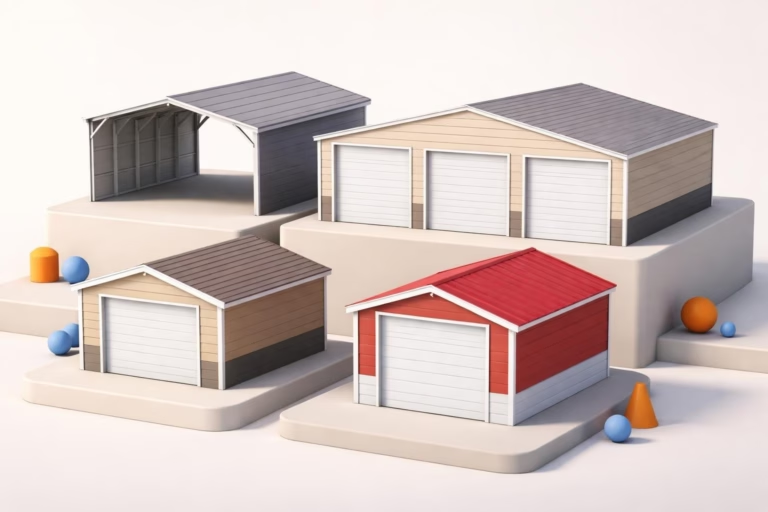
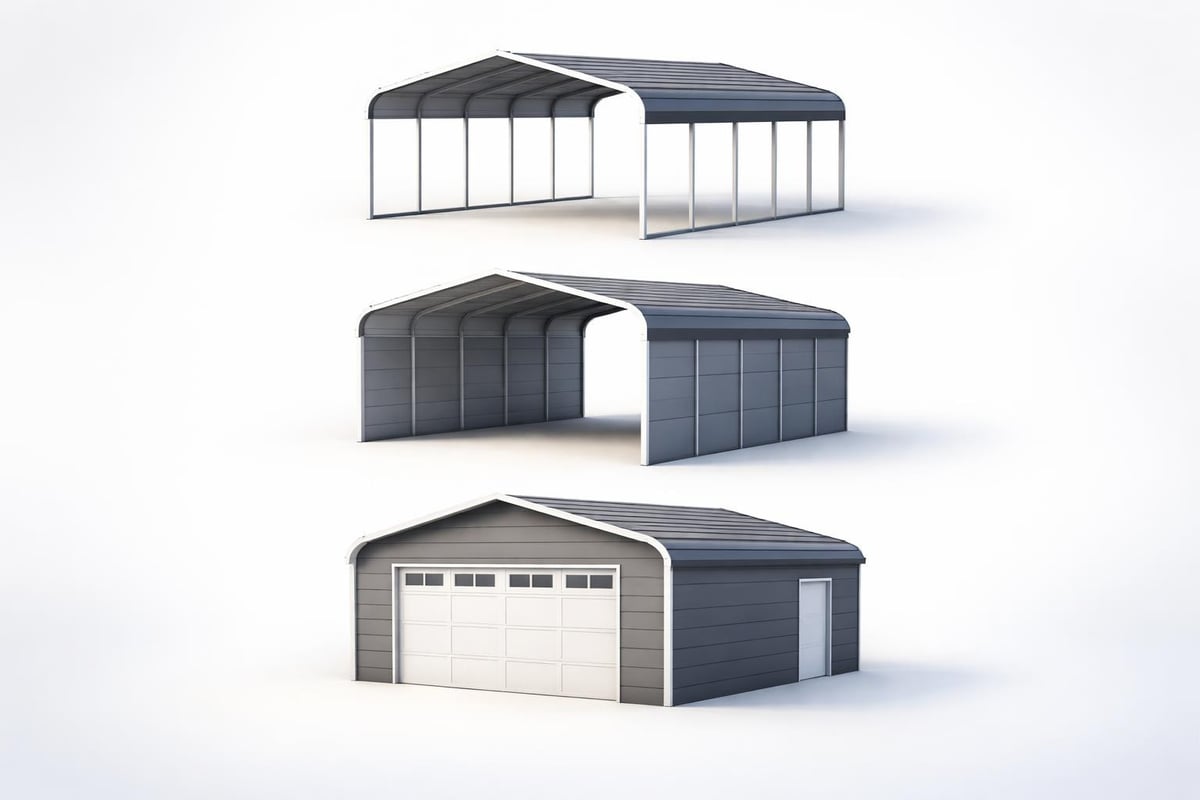
Selecting the appropriate roof style significantly impacts both functionality and aesthetics. Three primary roof configurations dominate the market, each offering distinct advantages for different applications and budgets.
Regular Roof Style
The regular or rounded roof represents the most economical option for metal roof carport construction. This design features horizontal roof panels that arch slightly from one side to the other, creating a curved profile. While cost-effective, this style works best in regions with minimal snowfall, as the horizontal orientation allows snow and debris to accumulate rather than slide off naturally.
Boxed Eave Roof Style
Boxed eave roofs position panels horizontally across the structure with eave trim that provides a more finished appearance. This mid-range option offers improved water management compared to regular roofs while maintaining reasonable pricing. The boxed design directs water to specific drainage points, reducing pooling on the roof surface. This configuration suits moderate climates where occasional snow and regular rainfall occur throughout the year.
Vertical Roof Style
The vertical roof carport represents the premium choice for maximum weather protection and longevity. Panels run vertically from ridge to eave, allowing rain, snow, and debris to slide off immediately rather than accumulating. This orientation dramatically reduces stress on the structure during heavy weather events and qualifies for installation in regions with strict building codes.
| Roof Style | Panel Orientation | Snow Load Capacity | Relative Cost | Best Climate |
|---|---|---|---|---|
| Regular | Horizontal | Low | $ | Mild, minimal snow |
| Boxed Eave | Horizontal | Moderate | $$ | Moderate weather |
| Vertical | Vertical | High | $$$ | All climates |
According to building code compliance standards, vertical roof systems often meet certification requirements that horizontal configurations cannot achieve in high-wind or heavy-snow zones.
Customization Features and Add-Ons
Modern metal roof carport options extend far beyond basic shelter. Manufacturers now offer extensive customization that transforms simple carports into multifunctional structures tailored to specific requirements.
Height and Clearance Options
Standard carport height typically measures eight feet at the lowest point, accommodating most passenger vehicles comfortably. However, property owners with trucks, RVs, or commercial vehicles often require additional clearance. Most manufacturers offer leg extensions in two-foot increments, reaching heights of twelve, fourteen, or even sixteen feet.
This vertical customization proves essential for protecting recreational vehicles, work trucks with equipment racks, or boats on trailers. The additional height also improves air circulation during summer months, reducing heat buildup under the roof.
Side and End Panels
Open carports provide overhead protection but leave sides exposed to wind-driven rain and blowing snow. Adding partial or full side panels transforms the structure into a more protective environment. Side panels can be installed on one, two, or three sides, depending on prevailing weather patterns and desired functionality.
Panel configuration options include:
- Single side panel for directional weather protection
- Two adjacent sides for corner installations
- Three-sided enclosure with one open end for easy access
- Four-sided full enclosure creating a garage alternative
Gable ends add architectural interest while providing complete protection on shorter sides of the structure. These triangular panels fill the space between roof peaks and frame headers, preventing weather intrusion while maintaining the aesthetic appeal.
Sizing Considerations for Vehicle Protection
Selecting appropriate dimensions ensures adequate coverage for vehicles while optimizing property layout and budget allocation. Metal roof carport sizing follows industry standards based on common vehicle dimensions and usage patterns.
Single Vehicle Coverage
A standard single-car metal roof carport measures twelve feet wide by twenty-one feet long. This footprint accommodates most sedans, coupes, and small SUVs with clearance on all sides. However, modern trucks and full-size SUVs often exceed these dimensions, requiring at least fourteen feet of width for comfortable access and door clearance.
Length considerations should account for front and rear overhang beyond the vehicle body. A twenty-four-foot length provides better protection for larger vehicles while leaving space for storage or workspace at one end.
Double and Triple Coverage
Double carports typically span twenty to twenty-four feet in width, housing two vehicles side by side with adequate space between them. The twenty-four-foot width allows for easier maneuvering and prevents mirror contact between adjacent vehicles. Triple carports extend this concept further, reaching widths of thirty to thirty-six feet.
For those requiring even more coverage, wide span metal structures accommodate specialized needs with widths exceeding thirty feet, suitable for multiple vehicles or combined vehicle-storage applications.
Commercial and RV Applications
Commercial applications demand substantially larger footprints. Fleet vehicle storage, equipment protection, and business operations often require structures spanning forty feet or more in width. Custom length options extend beyond sixty feet for particularly large operations.
RV owners need to calculate both height and length carefully. Class A motorhomes commonly reach fourteen feet in height and forty feet in length, necessitating structures with sixteen-foot clearance and fifty-foot length to ensure complete coverage.
Installation Requirements and Site Preparation
Proper installation determines whether a metal roof carport performs as designed or develops problems within the first few years. Understanding site requirements and installation procedures helps property owners prepare adequately before delivery.
Foundation and Anchoring Systems
Metal carports require secure anchoring to resist wind uplift and lateral forces. The foundation method depends on soil conditions, local codes, and structure size. Three primary anchoring approaches serve most applications effectively.
- Mobile home anchors drive into soil like large screws, providing adequate hold in most residential applications for smaller structures
- Concrete footings involve pouring dedicated pads at each post location, creating permanent anchor points that exceed code requirements
- Asphalt anchors use specialized bolts that penetrate existing asphalt surfaces, suitable for placement on driveways or parking areas
The Home Depot carport installation guide provides detailed specifications for each foundation type, including depth requirements and material lists.
Site Preparation Steps
Before installation crews arrive, property owners should complete several preparation tasks to ensure efficient assembly. The installation site must be reasonably level, with no more than three inches of slope across the structure footprint. Excessive slope creates uneven post heights and complicates water drainage.
Pre-installation checklist includes:
- Clearing the area of vegetation, debris, and obstructions
- Marking underground utility locations through local notification services
- Verifying adequate overhead clearance from power lines
- Confirming access routes for delivery trucks and equipment
- Obtaining necessary building permits and scheduling inspections
Professional installation teams typically complete standard carport assembly in four to eight hours, depending on size and complexity. The process involves positioning and leveling posts, assembling the frame sections, attaching roof panels, and installing trim components.
Maintenance and Long-Term Care
One compelling advantage of metal roof carport ownership involves the minimal maintenance required compared to wood or fabric alternatives. However, some periodic attention ensures optimal performance and appearance throughout the structure's lifespan.
Routine Inspection Schedule
Conducting visual inspections twice yearly identifies potential issues before they escalate into costly repairs. Spring and fall represent ideal timing, allowing property owners to address winter damage and prepare for upcoming weather challenges.
Inspection priorities include checking for loose fasteners, examining sealant condition around trim pieces, and verifying that drainage functions properly. Any signs of water pooling on the roof surface indicate potential panel misalignment or structural settling that requires professional assessment.
Cleaning and Appearance Maintenance
Metal panels naturally shed dirt through rain action, but certain environmental conditions create buildup that benefits from active cleaning. Properties near industrial areas, agricultural operations, or coastal regions experience accelerated accumulation of contaminants that can affect both appearance and longevity.
Simple washing with mild detergent and water removes most surface contamination. Avoid abrasive cleaners or tools that scratch protective coatings, as these damages compromise corrosion resistance. For stubborn stains or oxidation, specialized metal cleaners formulated for architectural applications restore original finish without causing harm.
Addressing Minor Damage
Small scratches or paint chips expose bare metal to moisture and oxygen, initiating corrosion processes. Touching up these areas with matching paint maintains protection and prevents rust spread. Most manufacturers offer touch-up paint that matches their standard color options.
Fastener tightness should be verified periodically, as thermal expansion and contraction can loosen connections over time. A cordial walkthrough with a socket wrench ensures all bolts maintain proper tension, preventing frame movement during wind events.
Cost Factors and Budget Planning
Metal roof carport pricing varies significantly based on size, style, features, and geographic location. Understanding the components that influence total investment helps property owners make informed decisions aligned with their budget parameters and protection needs.
Base Structure Costs
Entry-level metal roof carport options begin around twelve hundred dollars for compact single-vehicle models with regular roof styles. Mid-range configurations featuring boxed eave roofs and standard dimensions typically fall between two thousand and four thousand dollars. Premium vertical roof systems with increased dimensions command prices from four thousand to eight thousand dollars or higher.
These base prices generally include the complete structure with standard components and professional installation within the service area. Delivery fees may apply for remote locations beyond normal service zones.
Customization Impact on Pricing
Each additional feature increases the total investment proportionally. Leg height extensions add approximately one hundred fifty to three hundred dollars per two-foot increment, depending on structure size. Side panels contribute two hundred to six hundred dollars based on dimensions and quantity. Full enclosures with windows and walk-in doors can double the base structure cost.
Color upgrades beyond standard options typically add ten to fifteen percent to the total price. Certified installations in high-wind or heavy-snow regions require upgraded engineering that increases costs by fifteen to twenty-five percent.
| Feature | Cost Impact | Value Consideration |
|---|---|---|
| Vertical roof upgrade | +$800-$1500 | Essential for snow regions |
| Extra height (2 ft) | +$150-$300 | Required for tall vehicles |
| Side panels (each) | +$200-$600 | Weather protection improvement |
| Full enclosure | +100% | Creates garage alternative |
| Certified engineering | +15-25% | Required in some jurisdictions |
When planning a new installation, exploring the available Metal Carport configurations through online design tools allows real-time price comparison across different feature combinations, helping identify the optimal balance between capability and budget.
Regulatory Compliance and Permitting
Navigating local building codes and permit requirements represents a critical aspect of metal roof carport installation that many property owners underestimate. Regulations vary dramatically between jurisdictions, with some areas requiring extensive documentation while others have minimal oversight for detached structures.
Building Permit Requirements
Most municipalities require building permits for permanent structures exceeding certain square footage thresholds or height limits. Typical trigger points include structures larger than two hundred square feet or taller than twelve feet. However, these standards vary, making verification with local building departments essential before ordering materials or scheduling installation.
The permit application and legal requirements guide outlines common documentation needs, including site plans showing structure location relative to property lines, engineering certifications for wind and snow loads, and manufacturer specifications proving material compliance with building codes.
Setback and Zoning Considerations
Property line setbacks dictate minimum distances between structures and lot boundaries. Residential setbacks commonly range from five to fifteen feet for accessory structures like carports. Corner lots often face additional restrictions preventing sight-line obstructions that could create traffic hazards.
Homeowner associations frequently impose architectural guidelines that supersede municipal codes. These regulations may restrict color choices, require specific roof styles, or mandate design approval before installation proceeds. Reviewing covenant restrictions prevents costly modifications or removal orders after installation completion.
Engineering Certification Standards
Regions prone to hurricanes, tornadoes, or heavy snowfall often require certified engineering documentation proving structures can withstand specified load conditions. These certifications involve professional engineer review of design specifications and material properties, confirming compliance with International Building Code requirements for the installation location.
Vertical roof systems typically achieve certification more readily than horizontal configurations due to superior load-shedding characteristics. The additional cost of certified engineering proves worthwhile by ensuring legal compliance and protecting property investment through enhanced structural integrity.
Comparing Metal Carports to Alternative Shelter Options
Property owners evaluating vehicle protection alternatives benefit from understanding how metal roof carport options compare to competing solutions across multiple performance and value dimensions.
Wood Frame Carports
Traditional wood construction offers aesthetic warmth and integration with existing architectural styles. However, wood requires regular maintenance including staining, sealing, and eventual replacement of deteriorated components. Termites, rot, and moisture damage create ongoing concerns that metal construction eliminates entirely.
Initial costs for wood carports often exceed metal equivalents when factoring in foundation requirements and finish work. The maintenance burden over a twenty-year period further widens the total cost of ownership gap favoring metal solutions.
Fabric Carports
Portable fabric carports provide temporary protection at minimal initial investment. These structures use powder-coated steel frames covered with polyethylene or canvas fabric stretched over the framework. While suitable for seasonal use or rental properties, fabric covers degrade under UV exposure, requiring replacement every three to five years.
Wind resistance limitations restrict fabric carport use in many regions. Strong gusts can tear fabric panels or collapse entire structures, creating property damage and safety hazards. Metal roof carport designs withstand substantially higher wind speeds through engineered frame construction and secure panel attachment.
Attached Garage Additions
Building attached garage space represents the premium vehicle protection option, offering climate control, security, and direct home access. However, costs typically exceed fifteen thousand to thirty thousand dollars for standard two-car capacity, not including site preparation and utility extensions.
Zoning restrictions frequently limit garage placement and size more severely than detached carport structures. The construction timeline stretches across weeks or months compared to single-day metal roof carport installation. For property owners prioritizing quick deployment and budget efficiency, detached metal carports deliver exceptional value.
Regional Considerations and Climate Adaptation
Geographic location significantly influences optimal metal roof carport configuration. Understanding regional weather patterns helps property owners select features that provide appropriate protection without unnecessary expense on unused capabilities.
Snow Load Requirements
Northern states and mountainous regions experience substantial snow accumulation requiring structures rated for specific load capacities. Building codes specify minimum snow load ratings measured in pounds per square foot, typically ranging from twenty to seventy pounds depending on elevation and historical weather data.
Vertical roof systems naturally shed snow before significant accumulation occurs, reducing structural stress during winter storms. Properties in heavy snow zones should prioritize vertical roof configurations even if budget constraints tempt selection of less expensive horizontal options. The long-term structural integrity and safety benefits justify the additional investment.
Wind Resistance Standards
Coastal areas and tornado-prone regions face extreme wind events that demand certified engineering and enhanced anchoring. Wind ratings indicate maximum sustained wind speeds structures can withstand without failure, commonly ranging from ninety to one hundred seventy miles per hour for certified installations.
The detailed installation specifications from professional builders demonstrate how proper anchoring and frame design work together to achieve high wind ratings. Additional cross-bracing and upgraded fasteners transform standard structures into wind-resistant installations suitable for challenging environments.
Heat and Sun Exposure
Southern climates and desert regions generate intense solar radiation that affects both occupant comfort and material longevity. Light-colored roof panels reflect more sunlight than dark options, reducing heat absorption and maintaining cooler temperatures beneath the structure. White, light gray, and tan colors perform best in high-sun environments.
Additional height improves air circulation, allowing heat to dissipate rather than accumulate under the roof. A twelve-foot clearance provides noticeably better ventilation than eight-foot standard height, creating more comfortable conditions during summer months.
Environmental Impact and Sustainability
Modern metal roof carport construction aligns well with environmental sustainability goals through multiple attributes that reduce ecological footprint compared to alternative building methods.
Recyclability and Material Sourcing
Steel ranks among the most recycled materials globally, with carport components often containing thirty to fifty percent recycled content. At end of service life, the entire structure can be recycled again, creating a closed-loop material cycle that minimizes waste. This contrasts sharply with wood products that typically end up in landfills after demolition.
Manufacturing processes for steel components have improved dramatically over recent decades, reducing energy consumption and emissions during production. Modern mills operate with greater efficiency, lowering the carbon footprint associated with raw material processing.
Longevity and Resource Efficiency
A well-maintained metal roof carport functions effectively for thirty to fifty years without requiring replacement. This extended service life reduces the frequency of resource consumption for reconstruction compared to fabric covers needing replacement every few years or wood structures requiring substantial repair and renovation.
The minimal maintenance requirements eliminate ongoing consumption of stains, sealers, and preservatives that wood structures demand. These chemical treatments introduce environmental concerns through production impacts and runoff contamination during application and weathering.
Energy Implications
While carports don't directly consume energy during operation, their contribution to vehicle protection influences broader energy patterns. Shielding vehicles from extreme temperatures reduces the air conditioning load when entering sun-baked interiors, marginally decreasing fuel consumption for cooling. Similarly, protection from snow and ice eliminates extended warm-up periods during winter, conserving fuel.
For electric vehicle owners, pairing metal roof carport installation with solar panel arrays creates charging infrastructure that generates clean energy while protecting the vehicle. The structural framework easily accommodates solar mounting systems, creating dual-purpose functionality.
Enhancing Property Value and Curb Appeal
Strategic metal roof carport placement and design selection contribute positively to property aesthetics and market value. Understanding how these structures influence buyer perception helps homeowners maximize return on investment.
Architectural Coordination
Matching roof style and color to existing structures creates visual cohesion across the property. A vertical roof metal carport with dark bronze finish complements homes with similar architectural metal elements, appearing as intentional design rather than afterthought addition. Conversely, mismatched styles create visual discord that detracts from overall property presentation.
Thoughtful placement considers both functional access and aesthetic sightlines. Positioning carports to align with existing building angles maintains visual flow while screening less attractive areas like utility boxes or storage zones.
Multipurpose Design Benefits
Modern property buyers increasingly value flexibility and functionality. A metal roof carport that accommodates both vehicle protection and outdoor entertaining through thoughtful dimension selection appeals to diverse lifestyle preferences. Eighteen-foot width provides covered vehicle parking while leaving space for workbench areas or seasonal storage.
Properties with adequate vehicle protection command premium prices in markets where garage space represents scarce commodity. Adding quality metal roof carport capacity effectively increases functional square footage without the expense of conditioned building space.
Resale Considerations
Real estate professionals note that well-designed carports enhance property marketability by addressing practical buyer concerns about vehicle protection. This proves particularly valuable in regions with harsh weather where unprotected parking creates daily inconvenience and vehicle maintenance challenges.
The professional appearance and obvious durability of metal construction signals property care and investment to prospective buyers. Quality permanent structures demonstrate ownership attention to property improvement, creating positive impressions during showing periods.
To explore comprehensive resources about metal structure planning and selection, the Metal Carport University provides detailed educational content covering design considerations, customization options, and installation preparation.
Investing in a metal roof carport delivers decades of reliable vehicle protection with minimal maintenance requirements and exceptional durability across diverse climate conditions. Whether protecting a single vehicle or creating covered space for multiple automobiles, RVs, or equipment, the customization options available ensure optimal functionality tailored to specific needs. Metal Structure Sales LLC specializes in helping property owners design and install the perfect metal carport solution, with expert guidance through selection, delivery, and professional installation included to ensure complete satisfaction and lasting performance.