

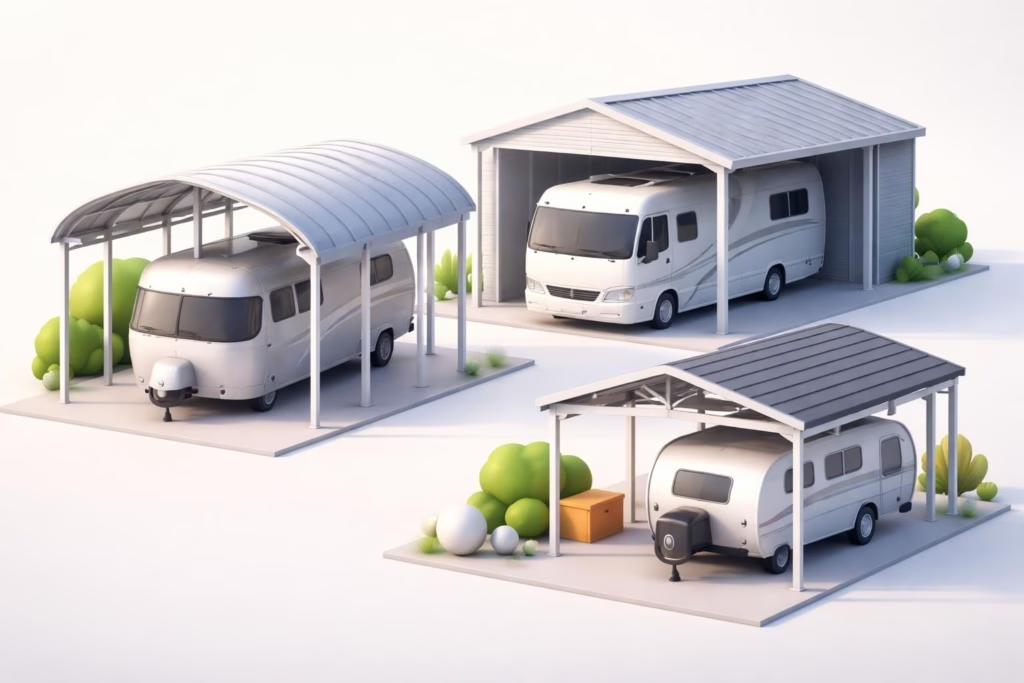
Recreational vehicles represent significant investments that require proper protection from environmental elements. Understanding rv metal options helps owners make informed decisions about safeguarding these valuable assets. Metal structures designed specifically for RVs combine durability, customization, and weather resistance to provide year-round protection. Whether you own a compact travel trailer or a full-sized motorhome, selecting the right metal coverage solution extends your vehicle's lifespan and maintains its resale value.
Why RV Metal Structures Matter for Vehicle Protection
Metal structures offer superior protection compared to traditional storage methods. The robust framework shields recreational vehicles from harsh weather conditions including hail, snow accumulation, UV radiation, and driving rain.
Key protection benefits include:
- Prevention of roof damage and deterioration
- Shield against sun-induced paint fading
- Protection from falling debris and branches
- Reduced interior temperature fluctuations
- Extended exterior finish longevity
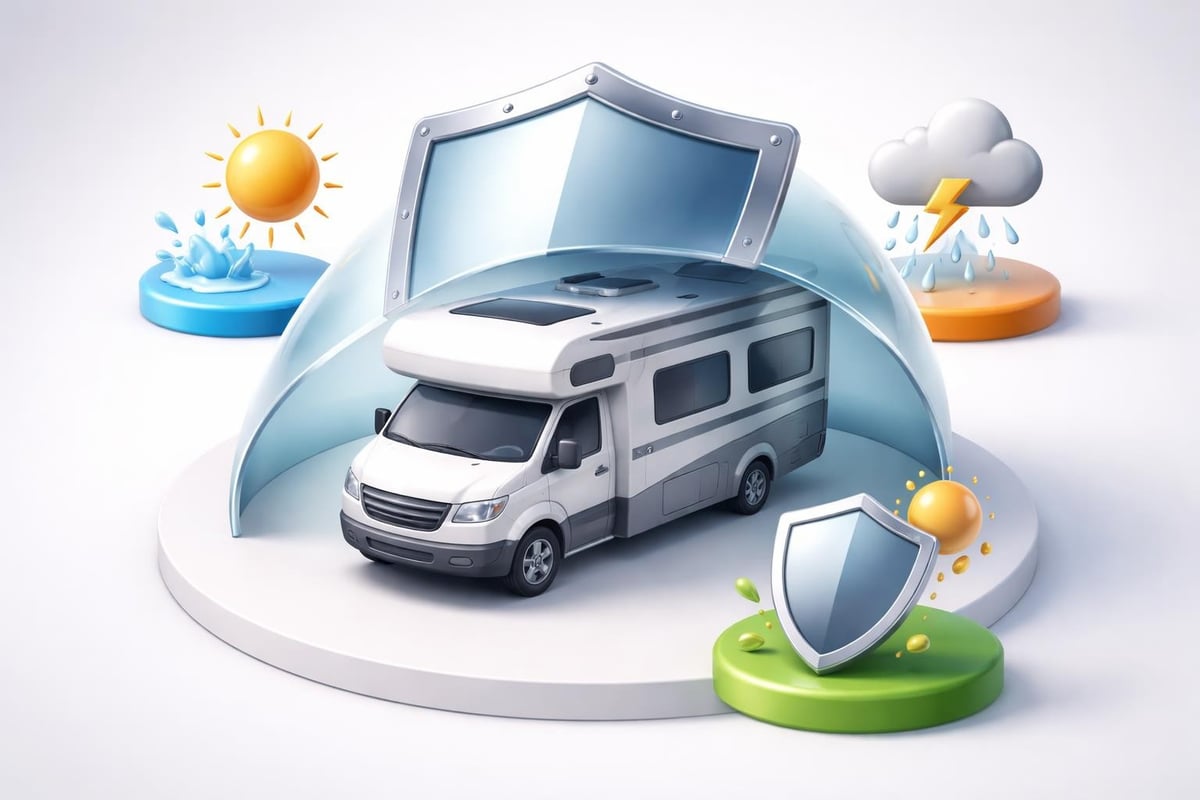
Most RV owners underestimate the cumulative damage caused by constant sun exposure. According to essential RV maintenance guidelines, protecting your RV's roof and exterior surfaces ranks among the top priorities for extending vehicle life.
Material Composition and Structural Integrity
The quality of rv metal directly impacts the structure's durability and protective capabilities. Modern metal RV covers utilize galvanized steel or heavy-duty aluminum alloys engineered to withstand decades of exposure.
| Material Type | Gauge Range | Primary Benefits | Typical Lifespan |
|---|---|---|---|
| Galvanized Steel | 12-14 gauge | High strength, corrosion resistance | 20-30 years |
| Aluminum Alloy | 0.032-0.040 inch | Lightweight, rust-proof | 25-35 years |
| Coated Steel | 26-29 gauge | Cost-effective, weather resistant | 15-20 years |
Steel frame construction provides the backbone of reliable RV protection. Professional-grade metal carports feature 12-gauge steel tubing that creates a rigid framework capable of supporting substantial snow loads and wind forces.
Roof Style Options for RV Metal Coverage
Selecting the appropriate roof style affects both functionality and water drainage efficiency. Three primary configurations dominate the rv metal structure market.
Regular Roof Style
The most economical option features horizontal roof panels with rounded corners. This configuration works well in regions with minimal snowfall and moderate weather conditions. Water runs off the sides while the curved design adds aesthetic appeal.
Regular style roofs suit smaller RVs and travel trailers positioned in areas with temperate climates. The installation process requires less complex engineering, which contributes to lower overall costs.
Boxed Eave Roof Design
Boxed eave roofs incorporate horizontal panels similar to regular styles but add A-frame horizontal caps on the sides. This enhancement improves water channeling and provides additional structural support.
The boxed eave configuration represents the middle ground between affordability and performance. RV owners in areas with moderate precipitation find this style balances cost considerations with improved weather protection.
Vertical Roof Construction
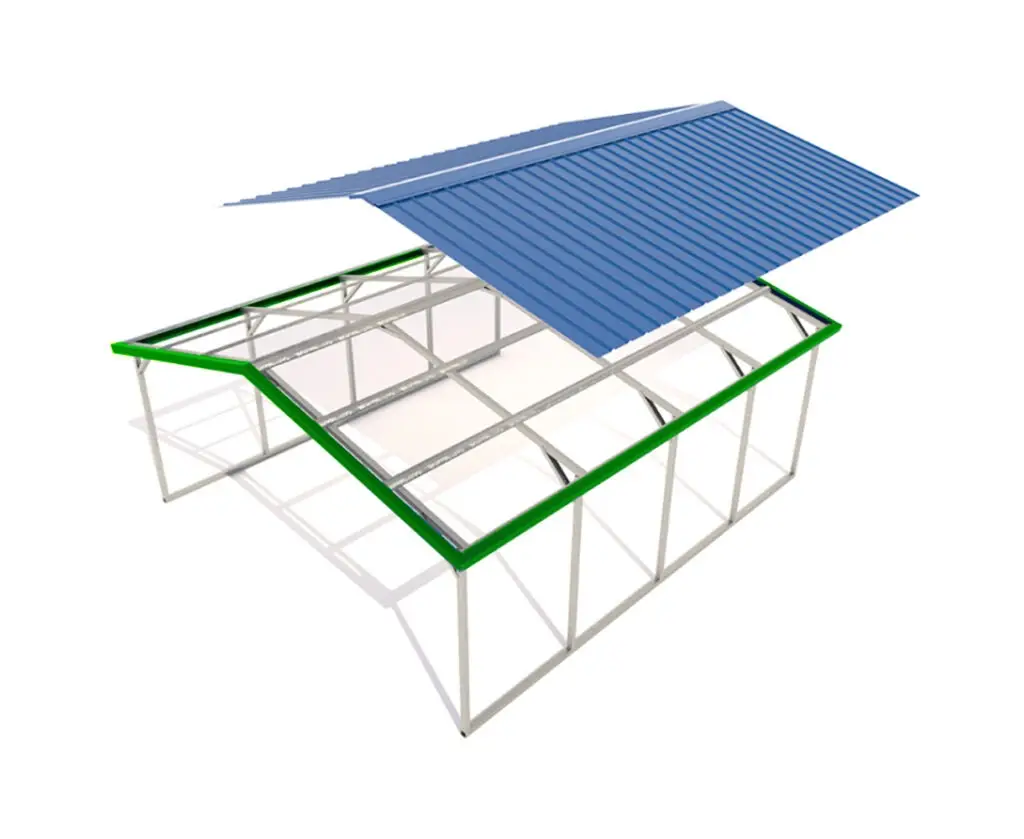
Premium vertical roof systems feature panels running from peak to eave, allowing rain, snow, and debris to slide off efficiently. This design delivers maximum protection and represents the strongest configuration available.
Vertical roof advantages:
- Superior snow and ice shedding capabilities
- Enhanced structural load capacity
- Reduced maintenance requirements
- Optimal for areas with heavy precipitation
- Longest expected service life
Many RV owners protecting Class A motorhomes or large fifth-wheel trailers choose vertical roof systems. The investment pays dividends through reduced maintenance costs and superior weather resistance. For those seeking comprehensive protection, Metal TV Covers provide customizable solutions designed specifically for recreational vehicles of all sizes.
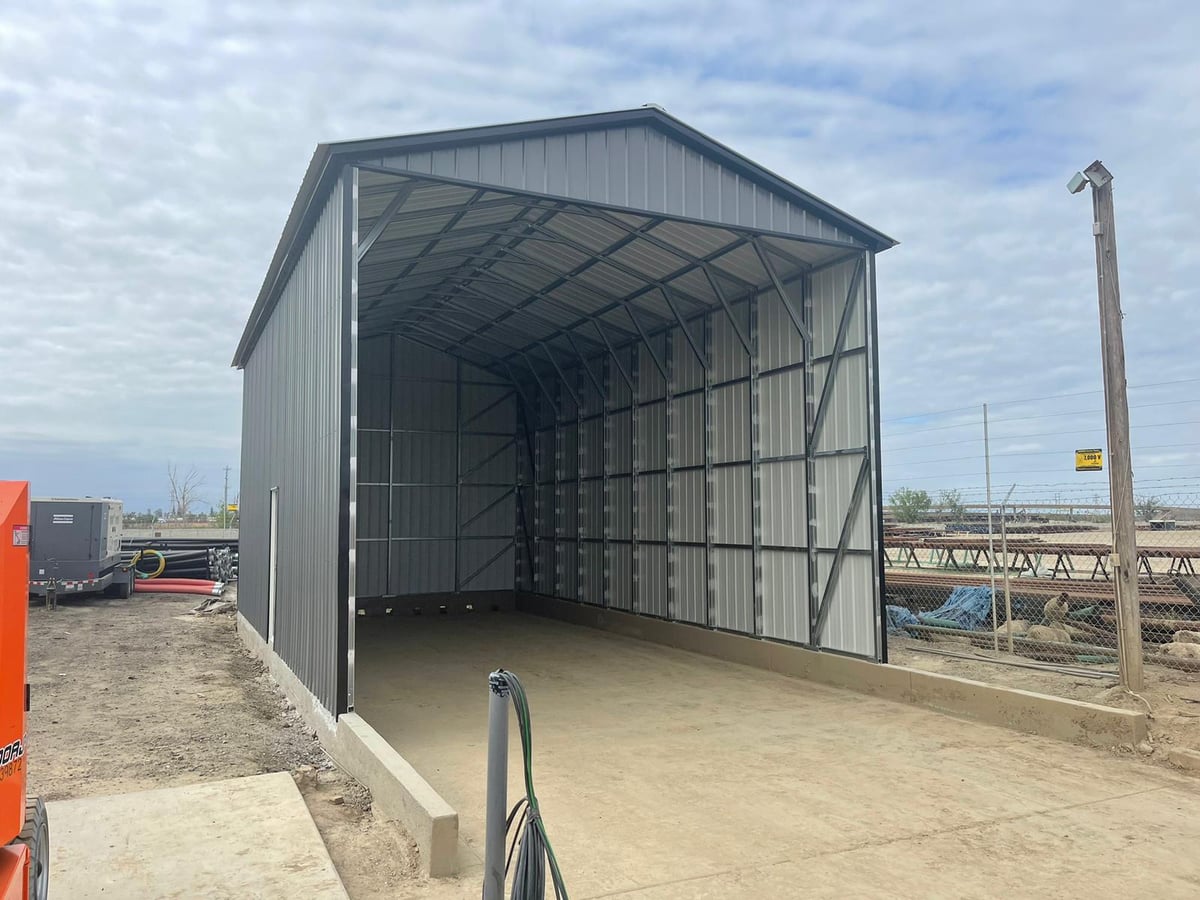
Customization Features for RV Metal Structures
Modern metal RV covers offer extensive customization to match specific vehicle dimensions and owner preferences. Understanding available options ensures your structure meets functional requirements while complementing your property.
Height Considerations
Standard RV metal structures offer various leg heights to accommodate different vehicle profiles. Class A motorhomes often exceed 12 feet in height, requiring taller clearances than travel trailers or pop-up campers.
Available height ranges typically span from 8 feet to 16 feet. Calculating proper clearance requires adding at least 12-18 inches to your RV's actual height. This buffer accommodates roof-mounted accessories like air conditioning units, satellite dishes, and solar panels.
Width and Length Specifications
Precise measurements prevent costly mistakes. Measure your RV from the widest points including mirrors, awnings, and slide-outs in their extended positions.
Single-wide structures range from 12 to 24 feet in width, accommodating most travel trailers and smaller motorhomes. Double-wide and triple-wide configurations extend coverage for larger Class A motorhomes or multiple vehicle storage.
Length options typically increase in two-foot increments from 21 feet to 40+ feet. Planning for additional workspace around the vehicle adds convenience for maintenance tasks and maneuvering.
Installation and Site Preparation Requirements
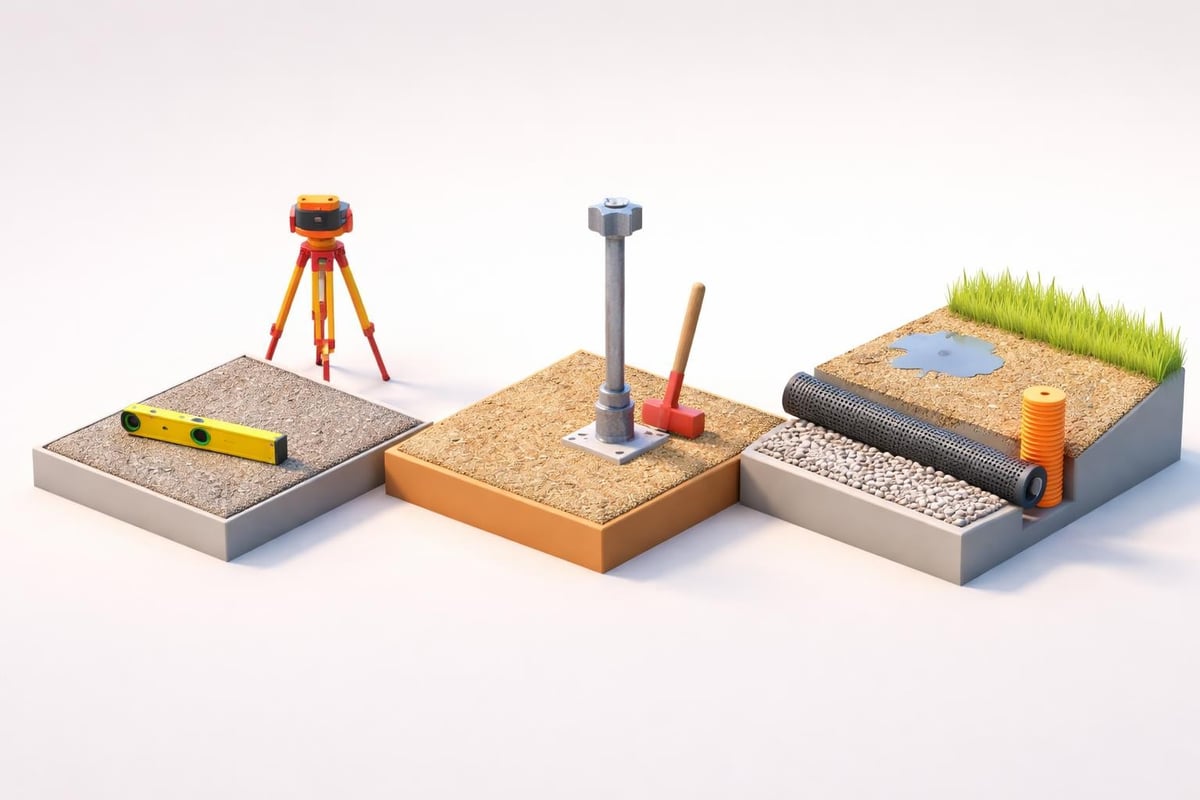
Proper installation determines the long-term performance of rv metal structures. Site evaluation and preparation create the foundation for structural stability and longevity.
Ground Surface Considerations
Metal RV covers require level surfaces for proper installation and water drainage. Concrete pads offer the most stable foundation but represent higher initial investment. Gravel bases provide adequate support at lower costs when properly compacted.
Asphalt surfaces work well for metal structure installations, though additional anchoring considerations may apply in high-wind regions. Ground anchors or concrete footers secure the framework to resist uplift forces during severe weather events.
Permitting and Zoning Compliance
Local building codes and zoning regulations vary significantly across jurisdictions. Many areas require permits for permanent structures exceeding certain dimensions. Researching requirements before installation prevents compliance issues and potential fines.
Homeowner associations often impose restrictions on structure placement, height, and appearance. Reviewing covenants and obtaining necessary approvals streamlines the installation process. Additional information about requirements across different regions can be found through various state-specific service areas.
Maintenance Practices for Long-Term Performance
Strategic maintenance preserves the protective qualities of rv metal structures and extends their functional lifespan. Regular inspections identify potential issues before they escalate into costly repairs.
Quarterly inspection checklist:
- Examine all bolts and connections for tightness
- Inspect panels for damage or loose fasteners
- Clear debris from roof and gutters
- Check for rust spots or coating damage
- Verify anchor security and ground stability
Professional RV maintenance recommendations emphasize the importance of regular cleaning to prevent corrosion and identify developing problems early.
Cleaning and Corrosion Prevention
Annual washing removes accumulated dirt, bird droppings, and environmental contaminants that accelerate metal deterioration. Use gentle cleaning solutions and soft brushes to avoid damaging protective coatings.
Touch-up paint applications address minor scratches or coating damage before rust develops. Galvanized steel naturally resists corrosion, but maintaining intact finishes optimizes protection. Inspection after severe weather events helps identify damage requiring immediate attention.
Cost Factors and Budget Planning
Understanding rv metal structure pricing helps establish realistic budgets and identify value opportunities. Multiple variables influence final costs beyond basic dimensions.
| Cost Factor | Impact Level | Typical Price Range |
|---|---|---|
| Base Structure Size | High | $1,200 – $8,000+ |
| Roof Style Selection | Medium | +$200 – $1,500 |
| Certification Requirements | Medium | +$300 – $800 |
| Custom Color Options | Low | +$100 – $400 |
| Additional Features | Variable | +$150 – $2,000 |
Certified structures engineered for specific wind and snow loads cost more than non-certified alternatives. However, certification ensures compliance with local building codes and provides peace of mind regarding structural integrity.
Geographic location affects both material costs and installation expenses. Transportation charges increase with distance from manufacturing facilities. Understanding these variables helps RV owners make informed purchasing decisions that balance budget constraints with quality requirements.
Financing and Payment Options
Many suppliers offer financing programs that spread costs over manageable monthly payments. Rent-to-own arrangements provide alternatives for customers unable to make full upfront payments. Exploring available financing options can make quality RV protection more accessible.
Design Enhancements and Additional Features
Beyond basic coverage, rv metal structures accommodate various enhancements that improve functionality and convenience.
Enclosed Side Panels
Adding side panels transforms open carports into semi-enclosed or fully enclosed structures. This upgrade significantly improves protection from wind-driven rain and snow while providing enhanced security.
Partial enclosure options close specific sides while maintaining open access on others. Full enclosure creates climate-controlled storage that protects RVs from dust, moisture, and unauthorized access. Converting standard structures follows similar principles to converting carports into garages.
Gable End Additions
Gable ends seal the structure's front and rear openings, preventing wind tunnel effects and improving weather protection. Extended gable ends provide additional covered workspace for maintenance tasks and equipment storage.
These additions prove particularly valuable in regions experiencing frequent storms or high winds. The enclosed configuration reduces debris accumulation and minimizes cleaning requirements.
Lighting and Electrical Integration
Installing electrical service enables lighting systems, power outlets, and RV battery charging capabilities. LED lighting provides energy-efficient illumination for evening maintenance or preparation activities.
Consider electrical planning during initial installation to minimize retrofitting costs. Conduit installation and outlet placement should account for typical RV service requirements and workspace needs.
Comparing Metal to Alternative Storage Solutions
Evaluating rv metal against other storage options reveals distinct advantages in durability, cost-efficiency, and flexibility.
Metal Versus Fabric Covers
Portable fabric structures cost less initially but require more frequent replacement. UV degradation, weather damage, and structural failure reduce fabric cover lifespans to 3-7 years. Metal structures easily outlast fabric alternatives by decades.
Fabric covers also provide limited protection from hail, falling branches, and heavy snow accumulation. The temporary nature of fabric structures may not satisfy zoning requirements or homeowner association standards.
Metal Versus Wood Construction
Wood structures demand extensive maintenance including painting, sealing, and rot prevention treatments. Termite damage, moisture absorption, and structural degradation create ongoing maintenance expenses.
Metal construction eliminates these concerns while providing superior strength-to-weight ratios. Fire resistance represents another significant advantage of metal over combustible wood materials. Resources like the Metal Carport University provide detailed comparisons of construction materials and methods.
Regional Considerations for RV Metal Selection
Climate conditions and weather patterns influence optimal rv metal structure specifications. Tailoring designs to regional requirements ensures adequate protection and structural performance.
Snow Load Requirements
Northern regions experiencing heavy snowfall require engineered structures certified for elevated snow loads. Vertical roof systems perform optimally in these areas, shedding accumulated snow before weight becomes problematic.
Certified structures bear ratings indicating maximum snow load capacity, typically measured in pounds per square foot. Matching certification to local requirements prevents structural failure during winter storms.
Wind Resistance Standards
Coastal areas and tornado-prone regions demand structures engineered for high wind resistance. Enhanced anchoring systems, reinforced framing, and specialized connection hardware improve survival rates during severe weather events.
Wind certification ratings specify maximum sustained wind speeds the structure can withstand. Building codes in hurricane-prone areas often mandate specific wind ratings for permanent structures.
Heat and UV Exposure
Desert and southern climates subject RV exteriors to intense solar radiation and extreme temperatures. Metal structures with reflective coatings reduce heat absorption while blocking harmful UV rays.
Light-colored panels reflect more solar energy than dark colors, potentially reducing covered area temperatures by 10-15 degrees. This consideration proves important for protecting RV interiors from heat damage. Exploring color options helps optimize both aesthetic preferences and functional performance.
Multi-Vehicle and Combination Structures
RV owners frequently require protection for multiple vehicles or combined storage for RVs and other equipment. Understanding combination options maximizes property utilization and cost efficiency.
Side-by-Side Configurations
Wide-span structures accommodate multiple vehicles under a single roof. This approach reduces per-vehicle costs while maintaining organized parking arrangements.
Structures exceeding 30 feet in width require specialized engineering and reinforced framing. These configurations suit properties with sufficient space and owners protecting multiple recreational vehicles or combining RV storage with boat or equipment coverage.
Attached Storage Solutions
Combination units integrate covered parking with enclosed storage areas. This hybrid design provides RV protection alongside secure storage for tools, maintenance supplies, and outdoor equipment.
The versatility of combination structures makes them popular among property owners seeking comprehensive solutions. Single structures serving multiple purposes often prove more economical than separate buildings.
Future-Proofing Your RV Metal Investment
Strategic planning ensures rv metal structures continue meeting needs as circumstances change. Building with expansion capacity and adaptability preserves long-term value.
Oversizing Considerations
Purchasing slightly larger structures than current requirements accommodate future RV upgrades or additional vehicles. The marginal cost increase proves minimal compared to installing entirely new structures later.
Consider potential lifestyle changes including RV size upgrades, additional vehicle purchases, or evolving storage needs. Extra covered space always finds utility even if initial purposes change.
Structural Upgrade Potential
Quality metal frameworks support future enhancements including full enclosure, additional gable ends, or extended coverage areas. Planning for potential modifications during initial installation reduces retrofitting costs.
Selecting structures with standard component sizing ensures compatibility with future additions. Manufacturers typically maintain consistent specifications across product lines, facilitating seamless expansions.
According to comprehensive maintenance guidelines, proper storage represents one of the most effective strategies for preserving RV condition and value. Metal structures provide the foundation for this protection while offering flexibility as needs evolve.
Protecting your recreational vehicle investment requires careful consideration of materials, design, and customization options. Quality rv metal structures deliver decades of reliable protection while accommodating diverse requirements across different climates and vehicle sizes. Metal Structure Sales LLC specializes in customizable metal RV covers engineered for durability and tailored to individual needs, with professional installation and delivery included. Contact our team today to design the perfect protection solution for your valuable recreational vehicle.