

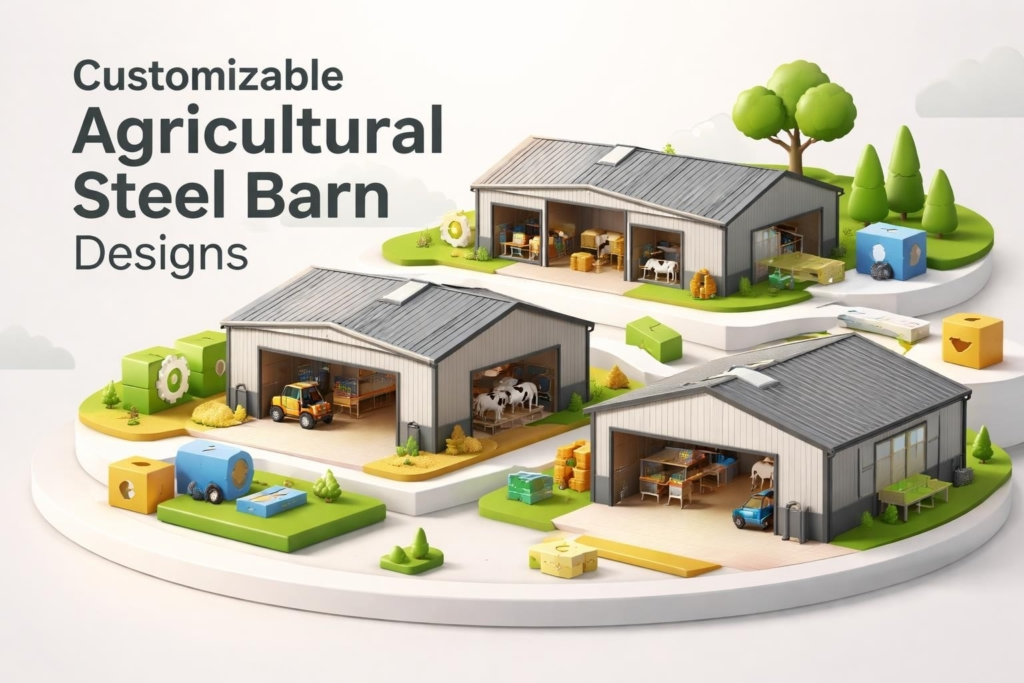
Steel barns have revolutionized the agricultural and storage industry, offering property owners a durable and cost-effective alternative to traditional wooden structures. As farming operations and rural property needs evolve in 2026, more landowners are discovering the practical benefits of metal construction for protecting livestock, equipment, and feed. These versatile structures combine engineering precision with customizable design options, making them suitable for everything from small hobby farms to large commercial agricultural operations. Understanding the advantages, construction considerations, and long-term value of steel barns helps property owners make informed decisions about their storage and shelter needs.
Why Steel Barns Outperform Traditional Construction
The shift toward metal construction in agricultural settings reflects fundamental changes in how property owners evaluate building materials. Steel barns offer superior strength-to-weight ratios compared to wood, allowing for wider spans without interior support columns. This design flexibility creates more usable interior space for equipment storage, animal housing, and workspace organization.
Durability stands as the primary advantage driving adoption of steel construction methods. Unlike wooden structures that deteriorate from moisture exposure, insect damage, and fungal growth, steel barns maintain structural integrity for decades with minimal maintenance. The advantages of steel barns include resistance to rot, warping, and pest infestations that commonly plague traditional barn construction.
Material Longevity and Maintenance Requirements
Steel construction significantly reduces ongoing maintenance costs compared to wooden alternatives. Property owners avoid expenses associated with:
- Repainting or restaining exterior surfaces every few years
- Replacing rotted boards and structural members
- Treating for termites and wood-boring insects
- Repairing water damage from roof leaks
- Addressing foundation settling issues
The galvanized steel coating protects against rust and corrosion, extending the functional lifespan of these structures well beyond traditional construction. Most manufacturers offer warranties spanning 20 to 40 years, demonstrating confidence in material performance.
Construction Methods and Design Flexibility
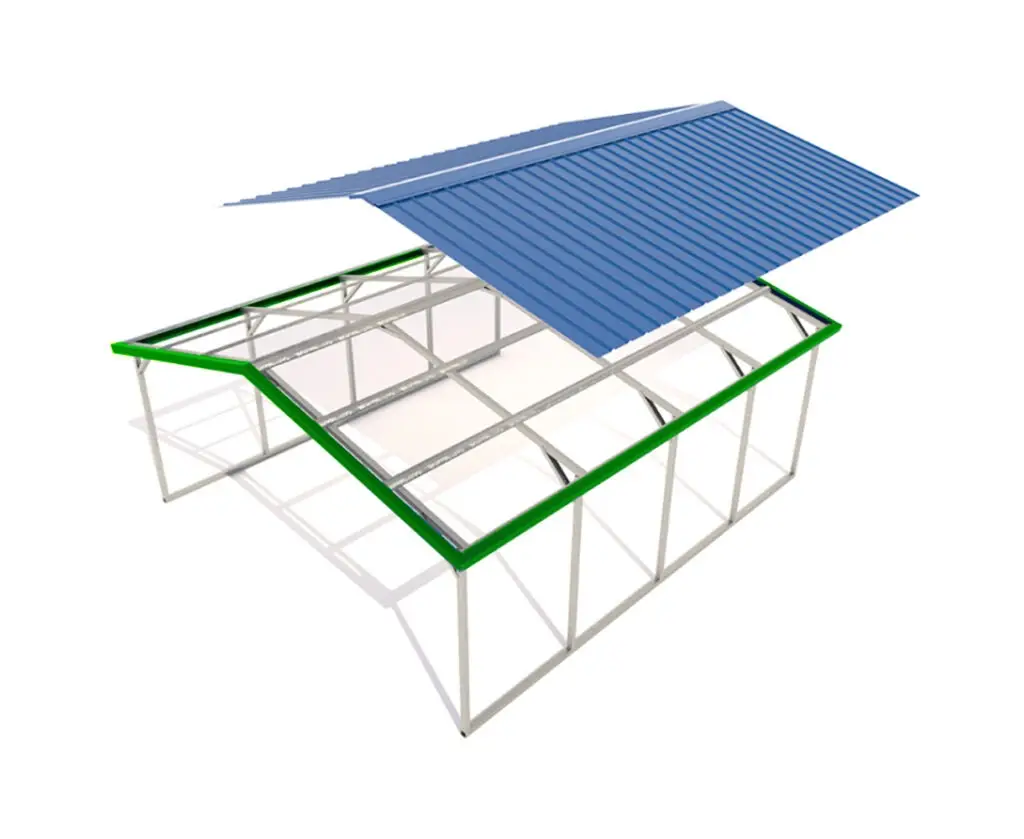
Modern steel barns utilize prefabricated components engineered for precise fit and straightforward assembly. This manufacturing approach ensures consistent quality while reducing on-site construction time. The design and construction of steel barns follows engineering standards that account for local wind loads, snow accumulation, and seismic requirements.
Clear-span designs eliminate interior posts, maximizing usable square footage for equipment storage and animal movement. Farmers appreciate the unobstructed space when maneuvering tractors, combines, and other large machinery. Livestock operations benefit from improved ventilation and easier animal management without structural obstacles limiting pen configurations.
Customization Options for Specific Applications
Property owners can configure steel barns to match their specific operational requirements:
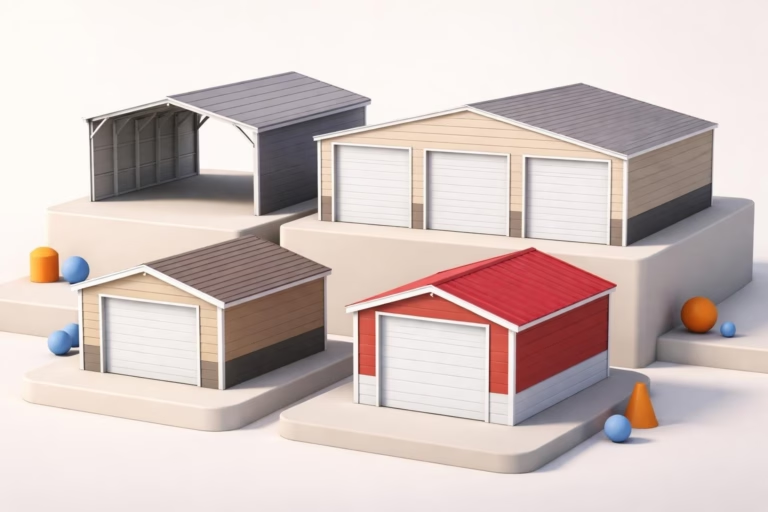
- Roof styles: Choose from regular, boxed-eave, or vertical roof designs based on climate conditions and aesthetic preferences
- Door configurations: Install roll-up doors, sliding doors, or traditional swing doors in various sizes and locations
- Window placement: Add natural lighting and ventilation through strategically positioned windows
- Interior partitions: Divide space into tack rooms, feed storage, animal stalls, or workshop areas
- Lean-to additions: Expand covered area with attached overhangs for equipment or hay storage
The modular nature of steel construction allows for future expansions without compromising structural integrity. Property owners can add sections as their operations grow, maintaining architectural consistency while scaling storage capacity.
| Feature | Steel Barns | Wooden Barns |
|---|---|---|
| Construction Time | 3-7 days | 2-4 weeks |
| Maintenance Frequency | Every 5-10 years | Every 1-3 years |
| Fire Resistance | Non-combustible | Combustible |
| Pest Vulnerability | Minimal | High |
| Design Flexibility | Extensive | Moderate |
Cost Considerations and Long-Term Value
Initial investment in steel barns often surprises property owners with its competitiveness against traditional construction. When comparing steel versus wood barns, material costs and installation expenses frequently favor metal construction, especially for larger structures requiring extensive framing.
The true financial advantage emerges over the structure’s operational lifespan. Reduced maintenance requirements, lower insurance premiums for non-combustible buildings, and minimal repair costs create substantial savings. Property owners in regions like Texas and Oklahoma particularly value the storm resistance and longevity that steel construction provides.
Insurance and Energy Efficiency Benefits
Insurance companies recognize the reduced risk profile of steel barns, often offering lower premiums compared to wooden structures. The non-combustible nature of steel construction decreases fire hazard ratings, while superior wind resistance reduces storm damage claims.
Energy efficiency improvements come from proper insulation installation between steel framing members. Modern insulation techniques prevent thermal bridging and maintain comfortable interior temperatures for livestock or temperature-sensitive storage. Reflective roof coatings further reduce heat absorption, lowering cooling costs during summer months.
Agricultural Applications and Livestock Housing
Steel barns serve diverse agricultural purposes beyond basic equipment storage. Agricultural buildings and barns accommodate hay storage, grain protection, machinery maintenance, and livestock sheltering with equal effectiveness. The versatility of metal construction adapts to specialized farming operations ranging from dairy production to equestrian facilities.
Livestock housing in steel barns benefits from superior ventilation design and temperature control. Farmers can install ridge vents, cupolas, and strategically placed windows to maintain air circulation and prevent moisture buildup. Proper ventilation reduces respiratory issues in animals while controlling ammonia levels from waste accumulation.
For equestrian applications, property owners appreciate how metal construction creates safe, spacious environments for horses. Metal horse barn structures offer customization with individual stalls, tack rooms, wash areas, and grooming spaces. The strength of steel framing supports haylofts and feed storage above stall areas, maximizing vertical space utilization.
Equipment Storage and Workshop Integration
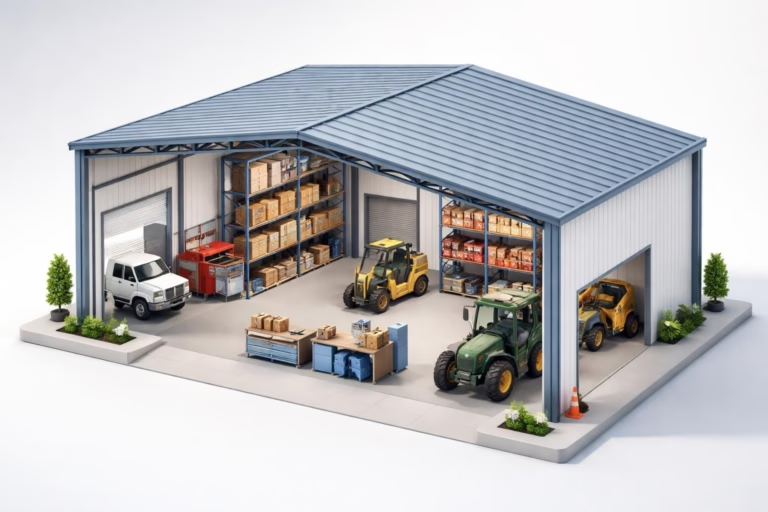
Modern farming operations require protected storage for increasingly expensive equipment investments. Steel barns provide secure, weather-resistant shelter for tractors, combines, planters, and harvesting equipment. The clear-span interiors allow for drive-through access, simplifying equipment movement during planting and harvest seasons.
Many property owners integrate workshop areas within their steel barns, creating multifunctional spaces that support repair work and maintenance activities. Electrical service installation, compressed air systems, and tool storage transform portions of the barn into productive work environments. This integration eliminates the need for separate shop buildings, reducing overall construction costs.
Regional Considerations and Climate Adaptation
Geographic location significantly influences steel barn design specifications and performance requirements. Property owners in snow-prone regions like Minnesota and Michigan require steeper roof pitches and reinforced framing to handle heavy snow loads. The historical development of farm structures demonstrates how building design evolved to address regional climate challenges.
Coastal areas demand additional corrosion protection through specialized coatings and galvanization processes. Salt air accelerates metal deterioration, requiring enhanced protective measures for long-term durability. Manufacturers offer marine-grade options specifically engineered for coastal environments.
Wind and Seismic Engineering
Hurricane-prone regions necessitate enhanced anchoring systems and wind-rated certifications. Steel barns in Louisiana and South Carolina must meet strict building codes addressing sustained wind speeds and flying debris impacts. Engineered anchor points and reinforced connections ensure structural stability during severe weather events.
Seismic zones require flexible connection details that allow controlled movement during earthquakes. Steel’s inherent ductility provides advantages in seismic design, absorbing energy through controlled deformation rather than catastrophic failure. Engineering specifications account for local seismic activity levels, ensuring appropriate safety factors.
Permitting and Building Code Compliance
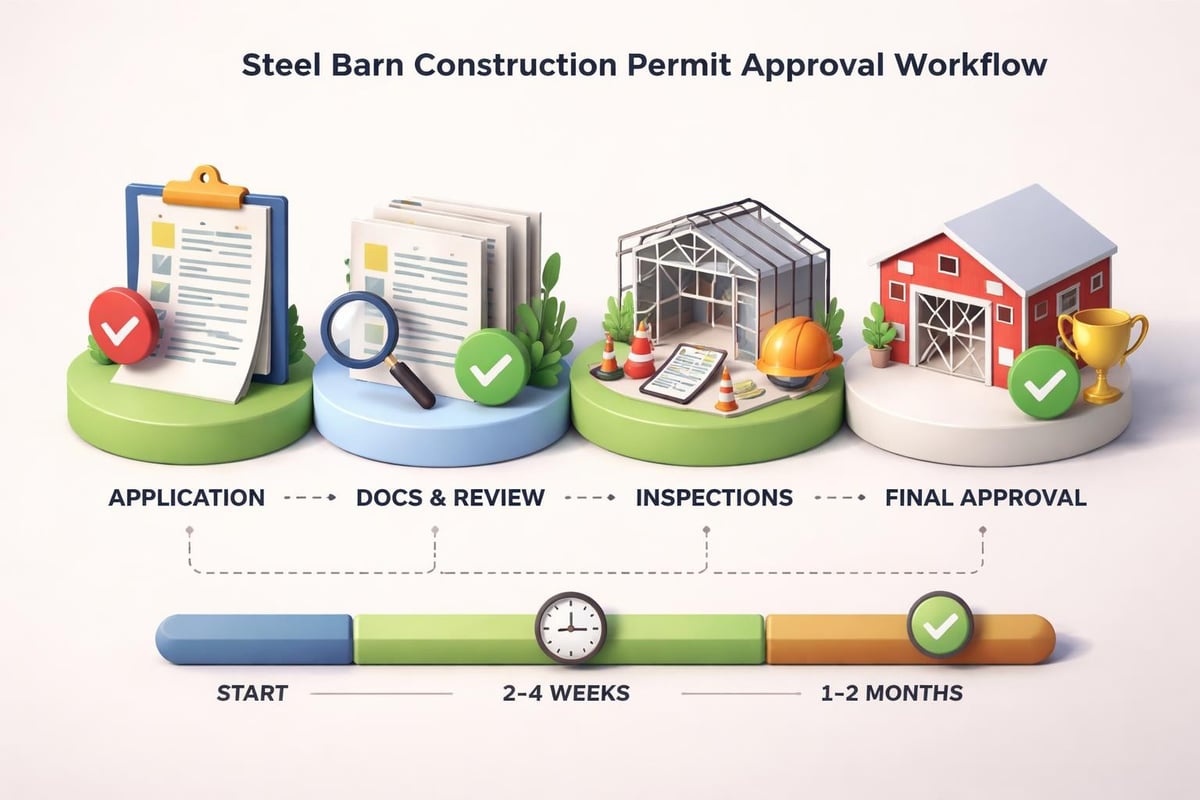
Navigating local building regulations requires understanding specific requirements for agricultural structures. Many jurisdictions classify steel barns differently than residential buildings, potentially simplifying permit processes. However, property owners must still demonstrate compliance with setback requirements, height restrictions, and zoning designations.
Engineered building plans provided by reputable manufacturers streamline permit approval by demonstrating structural adequacy and code compliance. These certified drawings show:
- Foundation specifications and load calculations
- Framing member sizes and connection details
- Wind and snow load ratings
- Anchoring systems and tie-down requirements
- Electrical and mechanical system integration
Working with experienced suppliers who understand regional building codes accelerates project timelines and prevents costly modifications during construction. Providers serving areas like Virginia and Kentucky maintain familiarity with local regulatory requirements.
Installation Process and Site Preparation
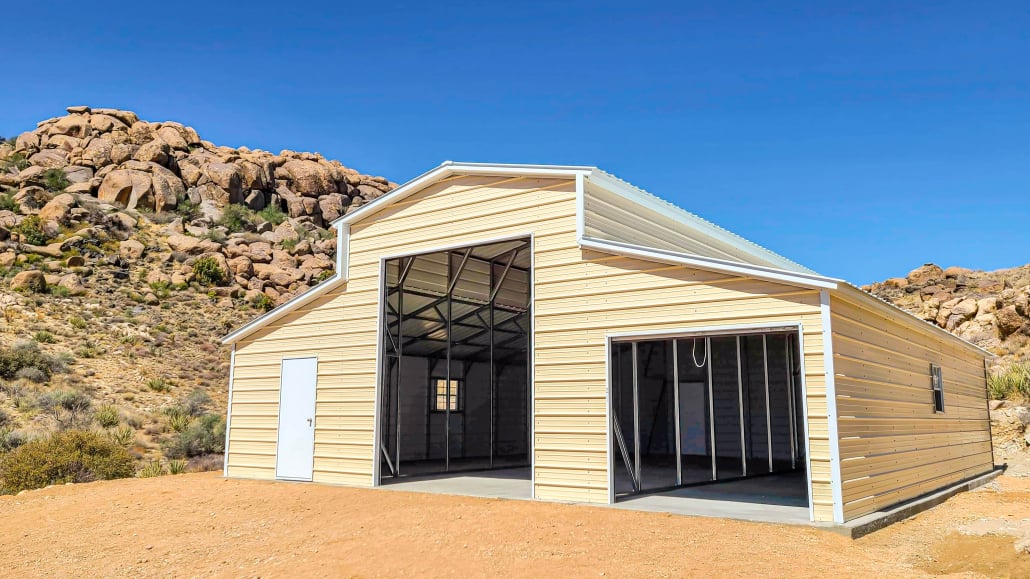
Successful steel barn installation begins with proper site preparation and foundation work. Level building pads with adequate drainage prevent water accumulation and ensure proper structure alignment. Foundation options range from concrete slabs to pier-and-beam systems, depending on soil conditions and intended use.
Professional installation teams typically complete steel barn assembly in days rather than weeks. The precision-manufactured components fit together systematically, following engineered specifications that ensure structural integrity. This efficiency minimizes weather-related delays and reduces labor costs compared to traditional construction methods.
For property owners seeking comprehensive solutions, Metal Horse Barns provide excellent examples of specialized steel construction designed for specific agricultural applications. These structures combine customizable layouts with durable construction, offering options for additional leg height, upgraded framing, and enhanced sheet metal specifications that protect livestock and equipment from environmental elements.
Foundation Requirements and Soil Considerations
Soil bearing capacity determines appropriate foundation design for steel barns. Clay soils with high moisture content may require deeper footings or pile foundations to prevent settling. Sandy soils typically provide excellent drainage but may need reinforcement for lateral stability.
Concrete slab foundations offer several advantages for equipment storage and workshop areas. The continuous surface facilitates equipment movement, prevents ground moisture intrusion, and provides a stable platform for heavy machinery. Reinforcing mesh and proper thickness specifications prevent cracking under concentrated loads.
Sustainable Building Practices and Environmental Impact
Steel’s recyclability positions it as an environmentally responsible building material. The benefits of steel barns for sustainable farming include reduced resource consumption and minimal construction waste. Steel components manufactured in 2026 typically contain 25-90% recycled content, depending on the specific product and manufacturer.
Energy efficiency improvements through proper insulation and reflective roofing reduce operational carbon footprints. Solar panel integration on steel barn roofs provides renewable energy generation opportunities, offsetting electricity costs for lighting, ventilation fans, and power tools. The structural strength of steel framing easily supports photovoltaic system installations without additional reinforcement.
Longevity and Resource Conservation
The extended service life of steel barns reduces demolition waste and replacement material consumption over decades. A properly maintained steel structure can serve agricultural operations for 50+ years, while traditional wooden barns typically require major reconstruction or replacement every 20-30 years. This longevity represents significant resource conservation and reduces the environmental impact of repeated construction activities.
Water management features integrate seamlessly with steel barn design. Gutter systems channel rainwater to collection tanks for irrigation or livestock watering, reducing dependence on well or municipal water supplies. The non-porous nature of steel prevents water absorption that causes deterioration in wooden structures.
Financing Options and Investment Planning
Property owners have multiple financing pathways for steel barn construction projects. Traditional agricultural loans, equipment financing, and home equity lines of credit each offer distinct advantages depending on individual financial situations. Some lenders view steel barns as appreciating assets that enhance property values, potentially improving loan terms and interest rates.
The tax implications of agricultural building investments vary by jurisdiction and intended use. Structures used exclusively for farming operations may qualify for accelerated depreciation schedules or agricultural exemptions. Consulting with tax professionals ensures property owners maximize available benefits while maintaining compliance with reporting requirements.
| Financing Method | Typical Interest Rate | Term Length | Best For |
|---|---|---|---|
| Agricultural Loan | 4.5-7.5% | 5-15 years | Primary farming operations |
| Equipment Financing | 5.0-8.5% | 3-10 years | Structures tied to specific equipment |
| Home Equity Line | 3.5-6.5% | 10-20 years | Property owners with equity |
| Cash Purchase | 0% | N/A | Avoiding interest costs |
Selecting the Right Manufacturer and Installer
Choosing quality suppliers and experienced installers directly impacts project outcomes and long-term satisfaction. Reputable manufacturers provide engineered certifications, comprehensive warranties, and transparent pricing structures. Property owners should evaluate several factors when comparing options:
- Warranty coverage: Length and scope of structural guarantees, rust-through protection, and paint/coating warranties
- Engineering certifications: Compliance with local building codes and wind/snow load ratings appropriate for the region
- Customization capabilities: Flexibility to modify standard designs for specific operational requirements
- Installation services: In-house crews versus subcontractors, and experience in similar projects
- Customer references: Verified testimonials from property owners with similar applications
Regional suppliers serving areas like Georgia and Alabama understand local climate challenges and building code requirements. This regional expertise ensures appropriate specifications and smooth permit approval processes.
Avoiding Common Pitfalls
Property owners sometimes encounter issues when selecting suppliers based solely on lowest price quotations. Inadequate gauge thickness, inferior fastener quality, or insufficient anchoring systems create long-term problems that far exceed initial savings. Verifying material specifications and installation standards prevents these costly mistakes.
Understanding what’s included in quoted prices eliminates surprise expenses. Comprehensive quotes should specify delivery charges, installation labor, foundation requirements, and permit fees. Comparing proposals requires evaluating identical specifications to ensure accurate cost assessments.
Expansion and Modification Capabilities
The modular design of steel barns facilitates future expansions as operational needs evolve. Adding sections, extending roof coverage, or incorporating lean-to attachments maintains structural consistency while increasing functional space. This adaptability provides significant advantages over traditional construction, which often requires extensive modifications to accommodate growth.
Property owners can phase construction projects based on budget availability and operational priorities. Initial installations might focus on basic equipment storage, with subsequent additions incorporating livestock housing, workshop areas, or hay storage as resources permit. This staged approach spreads costs over time while ensuring each phase meets immediate needs.
Technology Integration and Smart Building Features
Modern steel barns increasingly incorporate technology solutions that enhance operational efficiency. Automated lighting systems reduce energy consumption while improving safety and security. Climate control systems maintain optimal temperatures for livestock comfort and feed preservation. Security cameras and alarm systems protect valuable equipment and livestock from theft or predatory animals.
Internet connectivity enables remote monitoring of barn conditions through smartphone applications. Temperature sensors, humidity monitors, and security systems provide real-time alerts when conditions deviate from preset parameters. This connectivity allows property owners to respond quickly to issues regardless of their physical location.
Steel barns represent a practical, durable investment for property owners seeking reliable agricultural structures that withstand decades of demanding use while requiring minimal maintenance. Whether you need equipment storage, livestock housing, or workshop space, Metal Structure Sales LLC delivers customizable steel structures with delivery and installation included, ensuring your agricultural operation has the protection and functionality it requires for long-term success.
Article written using RankPill.