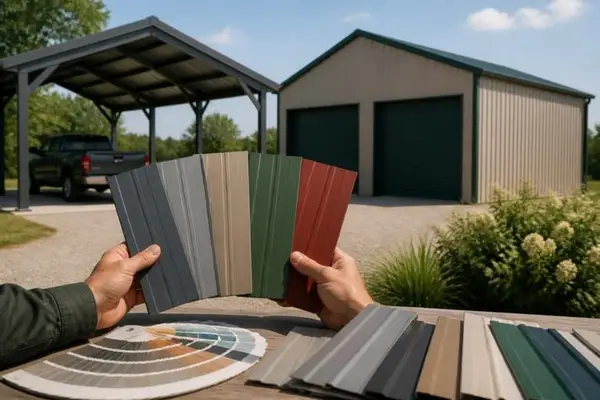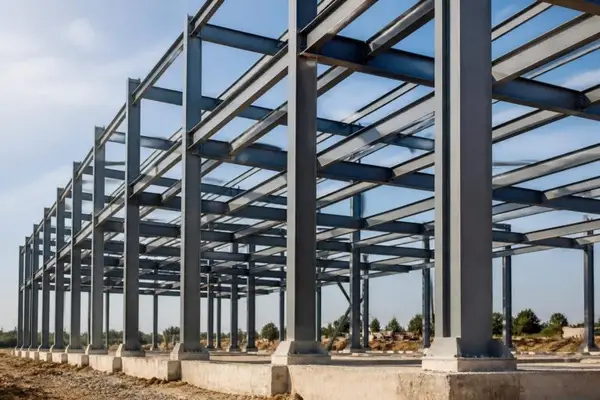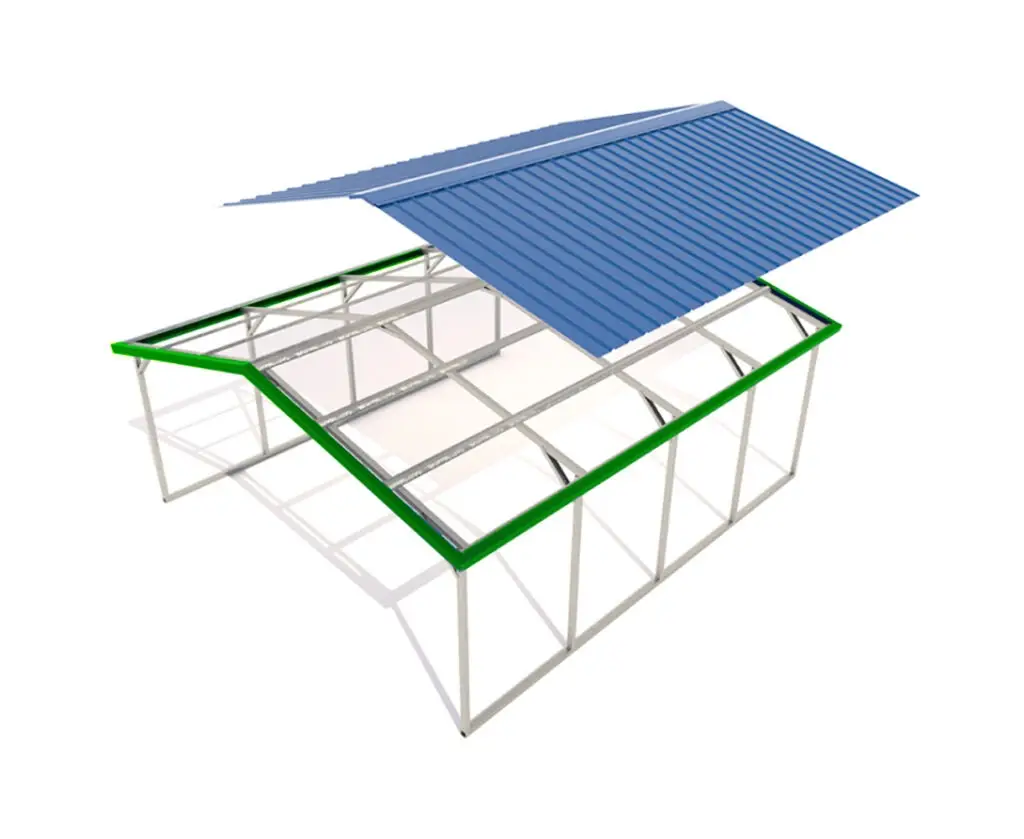


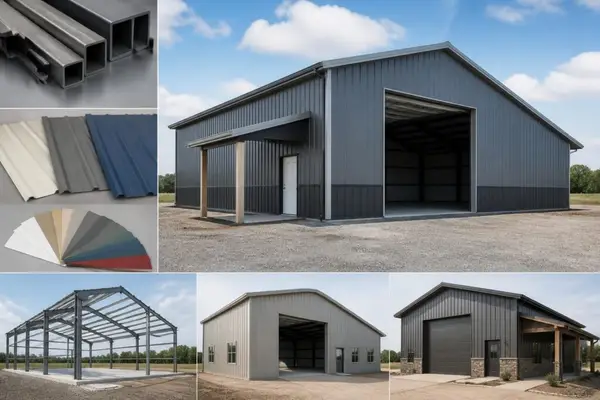
Understanding steel building prices requires more than simply looking at base numbers. Whether you're planning to protect vehicles, store equipment, or create workspace, metal structures offer durability and value that traditional construction often can't match. In 2026, the market presents numerous options across different price points, with costs influenced by everything from square footage and steel gauge to installation complexity and regional demand. Making an informed decision means understanding these variables and how they impact your final investment.
Current Steel Building Prices by Size
Steel building prices vary significantly based on dimensions, with larger structures typically offering better value per square foot. According to recent metal building pricing data, smaller buildings start around $15-$25 per square foot for basic kits, while larger structures can range from $10-$20 per square foot.
Here's a breakdown of typical price ranges for common building sizes:
| Building Size | Kit Price Range | Installed Price Range | Cost Per Sq Ft |
|---|---|---|---|
| 20×20 (400 sq ft) | $3,000-$6,000 | $6,000-$10,000 | $15-$25 |
| 30×40 (1,200 sq ft) | $8,500-$18,000 | $16,000-$30,000 | $13-$25 |
| 40×60 (2,400 sq ft) | $18,000-$35,000 | $30,000-$55,000 | $12-$23 |
| 50×100 (5,000 sq ft) | $40,000-$75,000 | $65,000-$120,000 | $13-$24 |
The data shows that steel building prices don't scale linearly. A 30×40 building offers better value than combining smaller structures, making proper size planning crucial for budget optimization.
Factors Beyond Base Dimensions
Square footage forms just the starting point for pricing calculations. Steel gauge thickness, roof style, and wall configuration substantially affect final costs. 14-gauge framing costs less than 12-gauge steel, but the heavier option provides superior strength for areas with demanding weather conditions.
Roof styles create noticeable price differences. Regular horizontal roof panels represent the most economical choice, while vertical roof systems add $1-$3 per square foot but offer superior water drainage and snow load capacity.
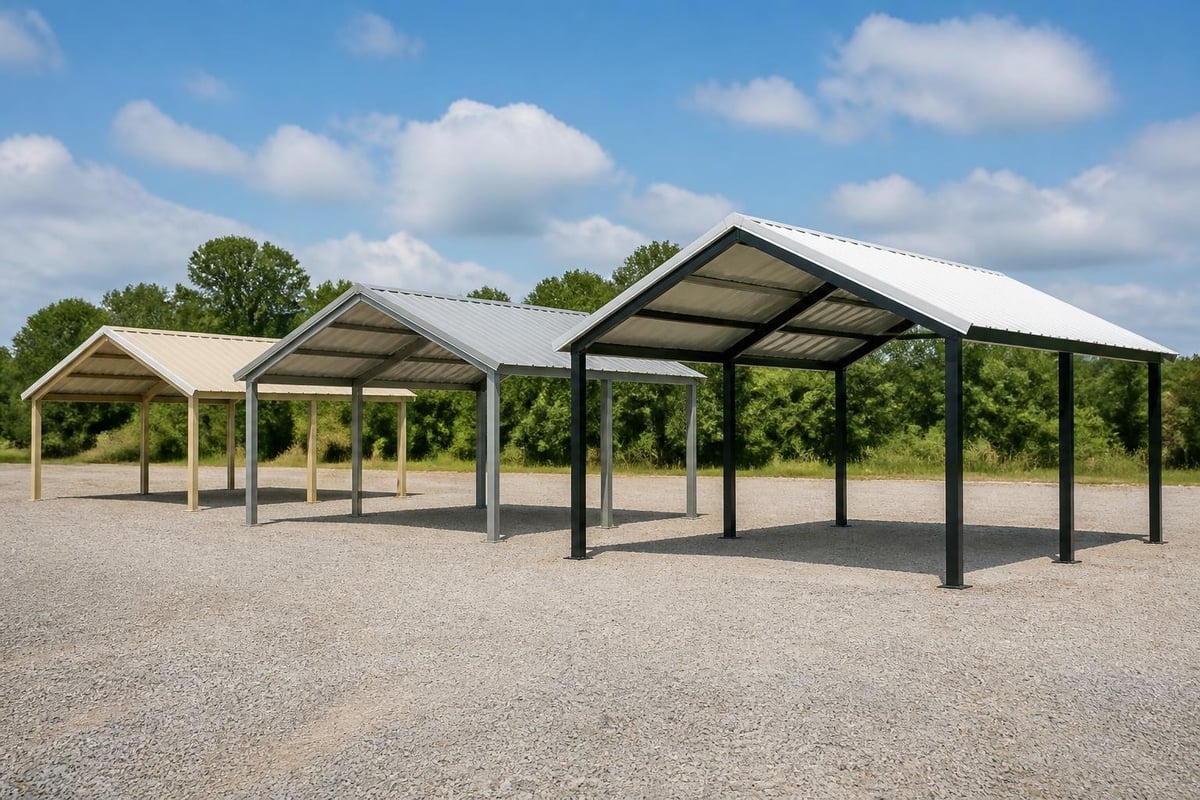
Understanding Material Costs
Steel market fluctuations directly impact building prices. Throughout 2026, steel structure pricing has remained relatively stable compared to previous years, though regional variations persist based on transportation costs and local demand.
Material quality indicators include:
- Gauge thickness (12, 14, or higher gauge)
- Panel orientation (horizontal vs. vertical)
- Frame tubing dimensions
- Coating and rust protection
- Warranty coverage length
Premium Features That Affect Pricing
Certain enhancements justify higher steel building prices through improved functionality and longevity. Galvanized steel framing resists corrosion far better than standard options, particularly valuable in humid climates or coastal regions. Insulation packages add $2-$6 per square foot but dramatically improve temperature control and reduce long-term energy costs.
Wind and snow certifications ensure structural integrity but require engineering calculations and reinforced components. Buildings certified for 140 mph winds or 35 psf snow loads cost approximately 15-25% more than non-certified structures, yet this investment proves essential in regions with severe weather patterns.
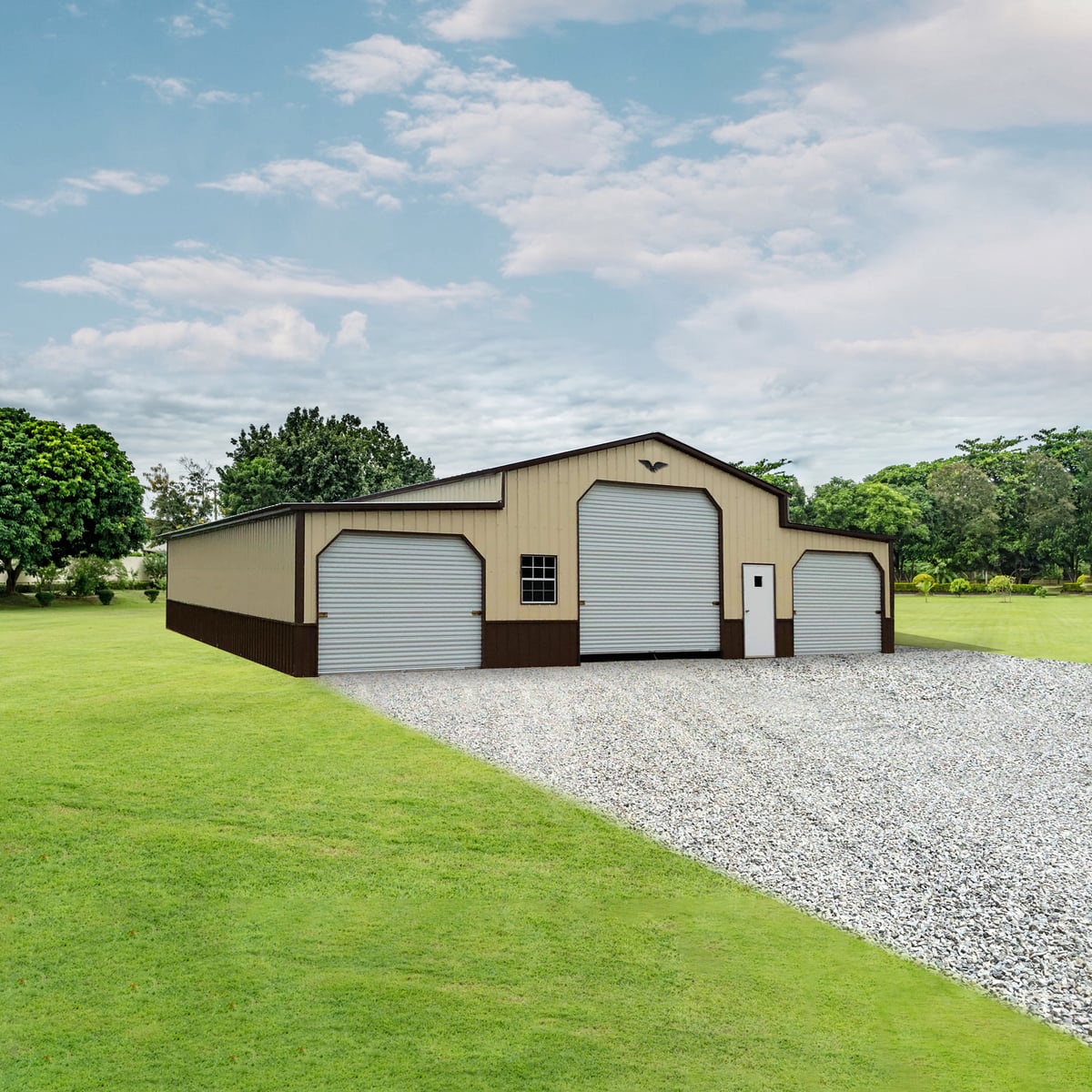
For property owners seeking specialized solutions, structures like metal horse barns demonstrate how targeted design features-additional leg height, reinforced frames, and proper ventilation-address specific needs while maintaining competitive pricing through efficient manufacturing processes.
Regional Price Variations
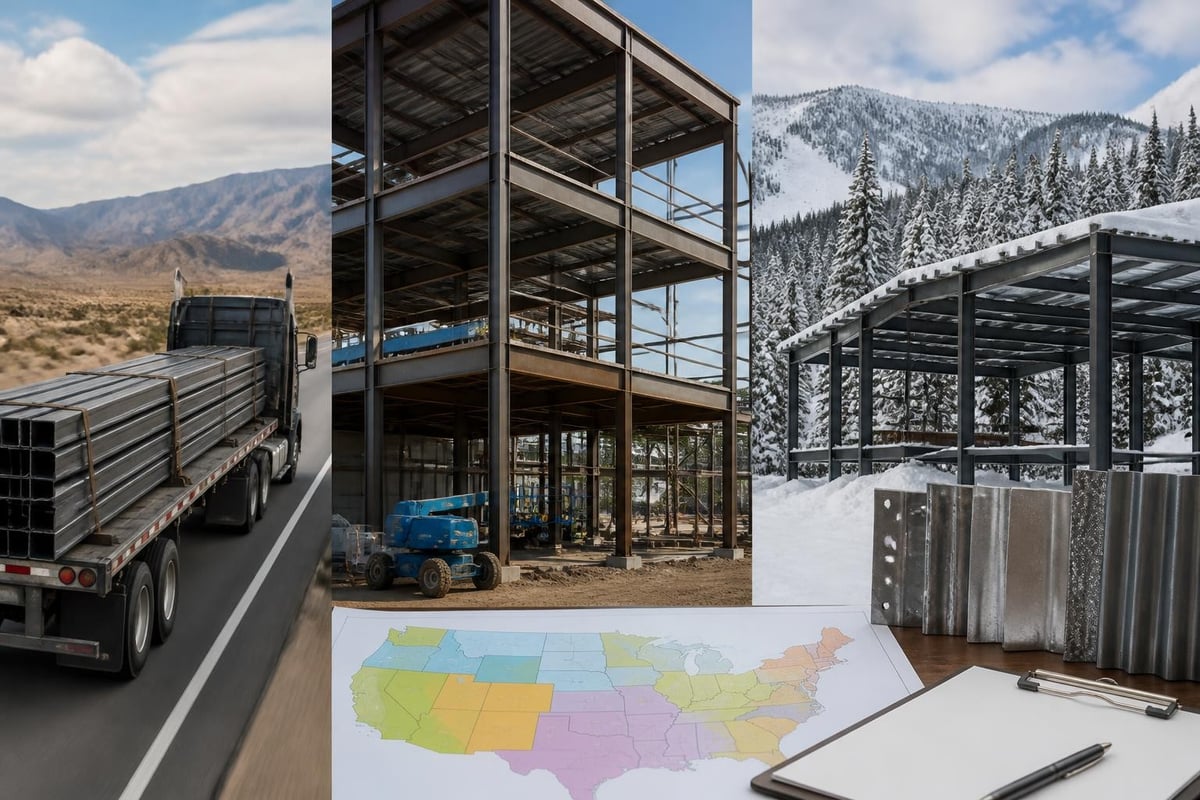
Geographic location significantly influences steel building prices through multiple channels. Transportation costs increase proportionally with distance from manufacturing facilities, potentially adding $500-$2,000 to delivered prices for remote locations. Local building codes and permit requirements vary substantially, with some jurisdictions requiring extensive engineering documentation that adds to project costs.
Key regional factors include:
- Distance from manufacturing plants and distribution centers
- Local building code stringency
- Required wind and snow load certifications
- Foundation requirements based on soil conditions
- Labor rates for installation services
States with simpler permitting processes and lower labor costs often see total installed prices 10-20% below high-regulation markets. Understanding your service area requirements helps establish realistic budget expectations.
Climate-Driven Cost Considerations
Weather conditions drive specific design requirements that affect pricing. Coastal buildings need enhanced corrosion protection, adding to material costs. Northern climates require steeper roof pitches and stronger framing to handle snow accumulation. Desert environments benefit from reflective coatings that reduce heat absorption.
These climate-specific modifications typically add 5-15% to base steel building prices but prevent costly repairs and premature replacement. The comprehensive pricing breakdown shows how environmental factors compound across multiple building components.
Installation and Foundation Costs
Many buyers focus exclusively on kit prices without accounting for installation and foundation expenses. Professional installation typically adds 40-70% to kit costs, varying based on building complexity and site preparation requirements. A $15,000 kit might require $8,000-$12,000 for complete installation, bringing total investment to $23,000-$27,000.
Foundation costs depend on soil conditions and building size. Options include:
| Foundation Type | Cost Range | Best For |
|---|---|---|
| Gravel pad | $2-$5 per sq ft | Temporary structures, level ground |
| Asphalt base | $4-$8 per sq ft | Vehicle storage, moderate traffic |
| Concrete slab | $6-$12 per sq ft | Permanent buildings, heavy equipment |
| Pier and beam | $8-$15 per sq ft | Uneven terrain, flood-prone areas |
Site preparation adds another variable. Level properties with good drainage require minimal grading, while sloped or poorly drained lots need extensive earthwork. Understanding the complete installation cost structure prevents budget surprises.
DIY vs. Professional Installation
Self-installation can reduce steel building prices significantly, potentially saving 30-50% on labor costs. However, this approach requires construction experience, proper tools, and adequate help. Most metal building kits include detailed instructions, but the process demands precision for proper alignment and water-tight assembly.
Professional installation offers several advantages beyond convenience. Experienced crews complete projects faster, ensure structural integrity, handle unexpected challenges, and typically provide workmanship warranties. For larger buildings or complex configurations, professional installation often proves more cost-effective than amateur attempts that risk errors requiring expensive corrections.
Customization Options and Their Costs
Basic steel building prices reflect standard configurations, but customization allows structures to match specific needs. Walk doors, garage doors, windows, and ventilation each add to base costs while enhancing functionality.
Common customization costs include:
- Walk doors (3×7): $350-$650 each
- Overhead doors (9×8): $800-$1,500 each
- Windows (3×3): $250-$500 each
- Insulation package: $2-$6 per sq ft
- Additional leg height (per foot): $200-$600
- Lean-to extensions: $8-$15 per sq ft
The detailed cost guide demonstrates how these additions accumulate. A building with three garage doors, two walk doors, insulation, and extended height can see customization costs exceed $6,000-$10,000 beyond base pricing.
Smart Customization Strategies
Prioritizing modifications yields better value than comprehensive upgrades. Essential features like proper door placement and adequate ventilation should come first, with aesthetic enhancements following budget availability. Planning electrical and plumbing rough-ins during initial construction costs far less than retrofitting later.
Consider future expansion needs when selecting customizations. Adding extra anchor points or reinforced sections during construction costs minimally, while retrofitting structural enhancements later requires significant expense. For those interested in exploring various metal building configurations, understanding customization cascades helps optimize budget allocation.
Comparing Kit Prices to Turnkey Solutions
Steel building prices appear in two primary formats: kit-only and turnkey installed. Kit prices cover materials shipped to your location, while turnkey pricing includes delivery, foundation, installation, and often permitting assistance. This distinction creates substantial price differences that require careful comparison.
According to comprehensive pricing analysis, turnkey solutions typically cost 60-100% more than kit-only prices. A $20,000 kit might translate to $35,000-$40,000 turnkey, but this comparison ignores the hidden costs of DIY approaches.
Hidden Costs in Kit-Only Pricing
Buyers choosing kit-only pricing must account for:
- Foundation materials and preparation
- Installation labor or crew costs
- Equipment rental (lifts, scaffolding, tools)
- Permit fees and engineering stamps
- Utility connection and site work
- Unexpected material needs (fasteners, sealants, trim)
These expenses frequently total 50-80% of kit prices, narrowing the gap between DIY and turnkey approaches. Time investment adds another consideration-professional crews complete installations in days rather than weeks.
Financing and Payment Considerations
Understanding steel building prices extends beyond sticker costs to financing options and payment structures. Many suppliers offer financing programs with varying terms, interest rates, and qualification requirements. Comparing total financing costs versus cash purchases reveals the true investment required.
Typical financing structures include:
- Rent-to-own programs with 36-60 month terms
- Traditional loans through banks or credit unions
- Supplier financing with promotional rates
- Home equity lines for property improvements
- Business equipment financing for commercial use
Interest rates and terms significantly affect total cost. A $30,000 building financed at 8% over 60 months costs approximately $36,500 total, adding $6,500 to the purchase price. Evaluating whether steel framing options justify financing costs versus delayed cash purchases requires honest assessment of need versus budget.
Down Payment Requirements
Most financing programs require 10-20% down payments, though some rent-to-own options advertise zero down. Lower down payments increase monthly costs and total interest paid. A $25,000 building with 10% down ($2,500) versus 20% down ($5,000) might seem similar initially, but the reduced principal saves hundreds in interest over the loan term.

Value Comparison: Steel vs. Traditional Construction
Steel building prices gain context when compared to traditional construction alternatives. Conventional stick-built structures typically cost $100-$200 per square foot for basic quality, while premium construction exceeds $250 per square foot. Even with complete customization and turnkey installation, metal buildings rarely exceed $50 per square foot.
Beyond initial costs, steel structures offer long-term value through minimal maintenance requirements. The engineered steel building pricing guide highlights how galvanized components resist rust, require no painting, and withstand pests that damage wood structures. Over a 20-year period, maintenance savings often equal 10-15% of initial building costs.
Insurance and Property Value Impacts
Steel construction frequently qualifies for lower insurance premiums due to superior fire resistance and wind durability. Some insurers offer 10-20% discounts for metal buildings compared to wooden structures. This translates to hundreds of dollars in annual savings that offset higher initial steel building prices.
Property value considerations vary by use case. Agricultural and commercial properties typically see strong value returns from metal buildings, while residential applications depend on aesthetic integration and local market preferences. Research shows well-designed metal structures can add 50-75% of construction costs to property valuations.
Planning Your Budget for 2026
Setting realistic budgets requires accounting for all cost components rather than focusing solely on advertised steel building prices. A comprehensive budget includes the structure itself, site preparation, foundation, installation, permits, utilities, and a 10-15% contingency for unexpected expenses.
Complete budget checklist:
- Base building kit or turnkey price
- Foundation (gravel, concrete, or pier system)
- Site preparation and grading
- Permit fees and engineering stamps
- Installation labor if not turnkey
- Utility connections (electric, water, gas)
- Interior finishing (if applicable)
- Landscaping and drainage
- Access improvements (driveways, paths)
- Contingency fund (10-15% of total)
This comprehensive approach prevents the budget creep that undermines many construction projects. For specialized applications like backyard carports or RV storage solutions, understanding complete costs ensures adequate funding from project start.
Timing Your Purchase
Steel building prices fluctuate with raw material costs, seasonal demand, and manufacturer promotions. Late fall and winter often bring lower prices as demand decreases, while spring and summer see premium pricing during peak construction season. Monitoring current steel building costs helps identify optimal purchase timing.
Manufacturer promotions can reduce costs by 5-15% during slow periods. However, weather delays might offset savings if winter installation proves difficult. Balancing price advantages against construction timing requires considering your specific climate and project urgency.
Quality Indicators Worth Paying For
Not all steel building prices reflect equivalent value. Certain quality markers justify premium pricing through enhanced durability and performance. Gauge thickness stands as the primary quality indicator-12-gauge steel offers substantially greater strength than 14-gauge, though at higher cost.
Premium manufacturers provide detailed specifications, engineering stamps, and comprehensive warranties. Buildings backed by 20-year warranties cost more initially but provide long-term security that budget options lack. The 30×40 building cost analysis demonstrates how quality features affect pricing across different manufacturers.
Certification for wind and snow loads represents another quality investment. While non-certified buildings cost less, they may not meet local code requirements or withstand severe weather. The modest premium for proper certification prevents catastrophic failure and expensive rebuilds.
For those creating comprehensive outdoor living spaces, integrating quality metal structures with premium elements like luxury outdoor kitchens creates cohesive environments that maximize property value and usability year-round.
Warranty Coverage Comparison
Warranty terms vary dramatically across manufacturers and directly correlate with steel building prices. Basic warranties cover rust-through for 10-20 years on panels, while premium warranties extend to 40 years and include frame components, fasteners, and trim.
| Warranty Level | Panel Coverage | Frame Coverage | Typical Cost Impact |
|---|---|---|---|
| Basic | 10-15 years | Not included | Baseline price |
| Standard | 20 years | 1 year workmanship | +5-8% cost |
| Premium | 40 years | 20 years | +12-18% cost |
Extended warranties cost more upfront but transfer to new owners, enhancing resale value. For permanent structures intended for decades of service, comprehensive warranty coverage justifies premium pricing.
Making the Final Decision
Steel building prices represent a significant investment that deserves thorough evaluation. Beyond comparing numbers, consider how different options align with your specific needs, timeline, and long-term plans. A building that costs 20% more but perfectly matches your requirements delivers better value than a cheaper structure requiring extensive modifications.
Request detailed quotes from multiple suppliers, ensuring each proposal includes identical specifications for accurate comparison. Verify what's included-delivery, installation, permits, foundation-as line-item differences make headline prices misleading. Ask about hidden fees, price guarantees, and what happens if steel costs change between order and delivery.
Visit completed installations when possible. Seeing finished buildings reveals quality differences that specifications don't capture. Talk with existing customers about their experience with pricing accuracy, installation quality, and post-sale support. These insights prove invaluable for avoiding suppliers who attract customers with low steel building prices but disappoint through poor execution.
Understanding steel building prices empowers you to make informed decisions that balance cost with quality and functionality. Whether you need vehicle protection, equipment storage, or versatile workspace, metal structures offer durable solutions at competitive prices when properly specified and installed. Metal Structure Sales LLC provides customizable metal buildings with transparent pricing that includes delivery and installation, helping you transform your property with confidence and clarity from initial quote through final construction.