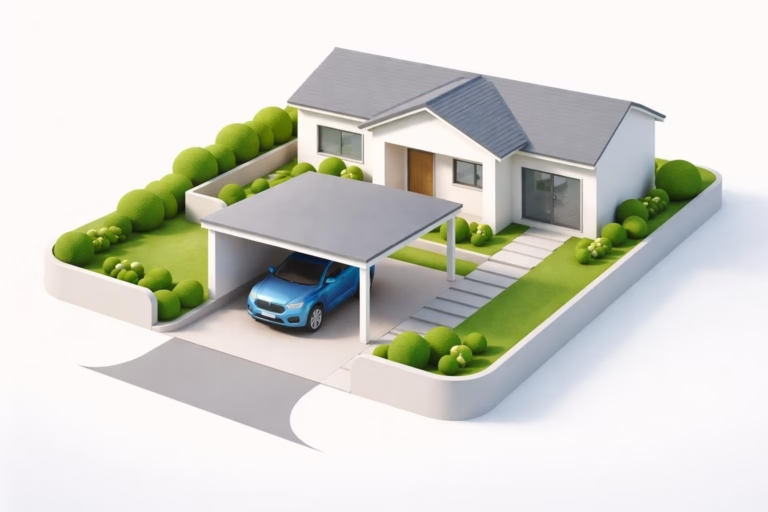


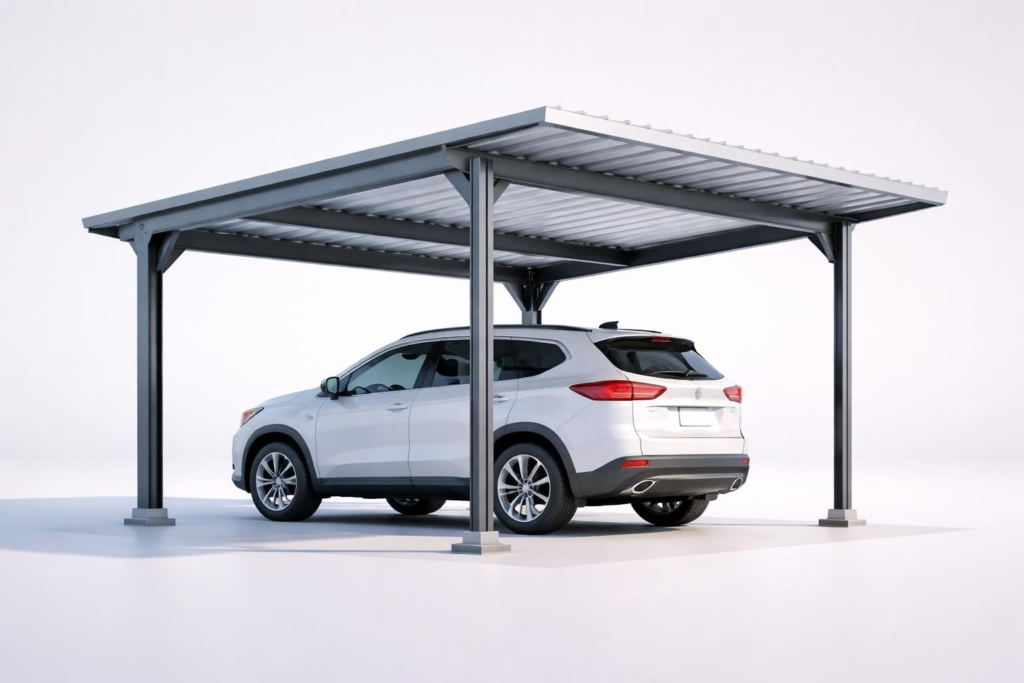
A steel canopy carport represents one of the most practical investments property owners can make to protect vehicles, equipment, and outdoor assets from weather damage. These versatile structures combine engineering strength with functional design, offering protection from sun, rain, snow, and hail while maintaining an open, accessible layout. Whether you need coverage for a single vehicle or multiple cars, RVs, boats, or farm equipment, understanding the features and benefits of steel canopy carports helps you make an informed decision that serves your needs for decades.
Understanding Steel Canopy Carport Construction
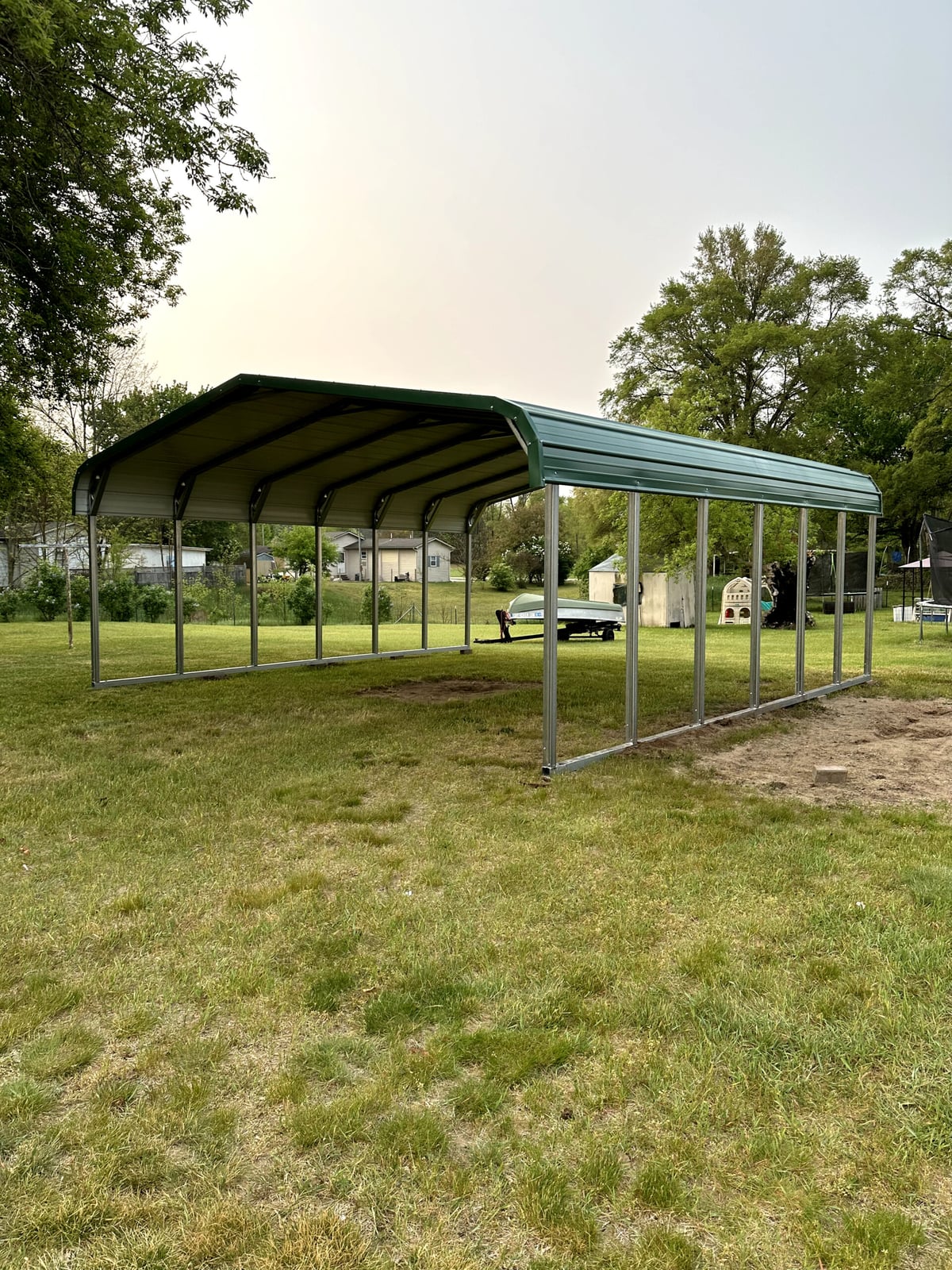
The foundation of any quality steel canopy carport begins with its frame construction. Manufacturers typically use galvanized steel tubing in various gauges, with 12-gauge and 14-gauge being the most common for residential and commercial applications. The gauge number inversely relates to thickness, meaning lower gauge numbers indicate stronger, thicker steel that provides enhanced structural integrity.
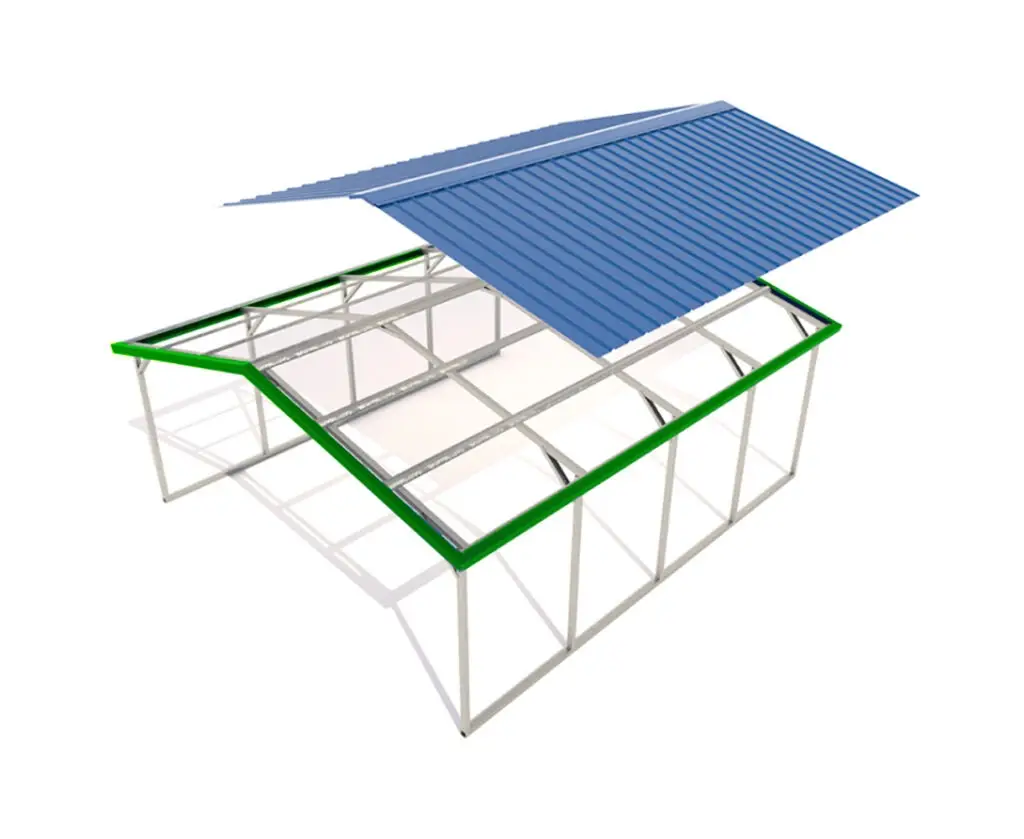
Frame components include vertical posts, horizontal beams, and roof trusses that work together to distribute weight and withstand environmental loads. Galvanization protects the steel from rust and corrosion by applying a zinc coating that acts as a barrier against moisture. This protective layer significantly extends the lifespan of the structure, particularly in humid climates or areas with frequent precipitation.
Roof Panel Materials and Styles
Steel roof panels form the protective canopy itself, available in different profiles and thicknesses. Most commonly, manufacturers offer 29-gauge or 26-gauge panels, with the heavier 26-gauge providing superior durability and resistance to denting from hail or falling debris. The panels feature ribbed designs that channel water away efficiently while adding structural rigidity.
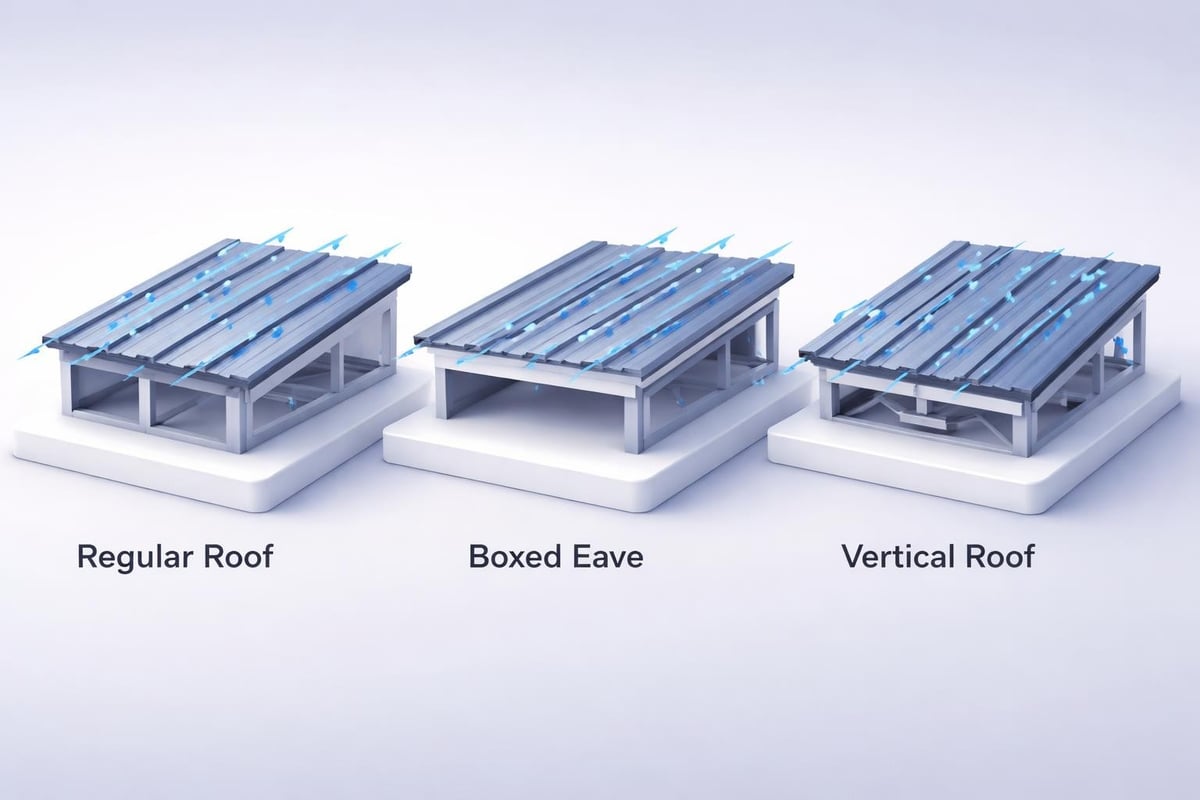
Three primary roof styles dominate the market:
- Regular roof style: Features horizontal panels with rounded corners, suitable for areas with moderate weather conditions
- Boxed eave roof style: Includes an A-frame design with horizontal panels, offering improved water runoff and enhanced aesthetics
- Vertical roof style: Positions panels vertically from ridge to eave, providing optimal snow and debris shedding for areas with heavy precipitation
Understanding certified versus non-certified carports becomes essential when selecting the appropriate roof style for your location. Certified structures meet specific engineering standards for wind and snow loads based on local building codes.
Key Advantages of Steel Canopy Carports
Steel canopy carports deliver multiple benefits that make them increasingly popular among homeowners, businesses, and agricultural operations. Their open design provides several advantages over fully enclosed garages while maintaining excellent protection capabilities.
Cost Efficiency and Value
Compared to traditional construction methods, steel canopy carports offer significant cost savings. The prefabricated nature of these structures reduces labor expenses and construction time. Installation often completes within one to three days depending on size and complexity, minimizing disruption to your property.
| Feature | Steel Canopy Carport | Traditional Garage |
|---|---|---|
| Average Cost | $2,000 – $8,000 | $15,000 – $40,000 |
| Installation Time | 1-3 days | 2-6 weeks |
| Foundation Required | Minimal (anchors/concrete) | Full concrete slab |
| Customization Options | Extensive | Moderate |
The price range varies based on dimensions, gauge thickness, roof style, and regional factors. According to market research data, the metal carports industry continues expanding as more property owners recognize the value proposition these structures provide.
Versatility and Accessibility
The open-sided design of a steel canopy carport provides unmatched accessibility from multiple angles. This configuration proves particularly valuable for:
- Frequent vehicle entry and exit without opening doors
- Equipment storage requiring quick access
- Workspace areas needing ventilation
- Multi-purpose coverage for outdoor activities
Property owners often discover uses beyond vehicle protection, transforming these structures into covered gathering spaces, workshop areas, or storage zones for lawn equipment and seasonal items.
Weather Protection Performance
Steel canopy carports excel at protecting assets from environmental damage. The overhead coverage blocks harmful UV rays that fade paint and damage interiors. Rain and snow runoff systems prevent water accumulation, while the structural design withstands significant wind loads when properly anchored.
Vertical roof designs particularly shine in regions experiencing heavy snowfall. The steep pitch prevents snow accumulation, eliminating concerns about excessive weight compromising structural integrity. This feature makes vertical-style steel canopy carports essential in northern climates and mountainous areas.
Customization Options and Configurations
Modern steel canopy carports offer extensive customization possibilities, allowing property owners to tailor structures precisely to their requirements. Understanding available options helps you design a carport that maximizes functionality while complementing your property aesthetics.
Dimensional Specifications
Width options typically range from 12 feet to 60 feet, accommodating everything from single vehicles to multiple RVs or commercial equipment. Standard widths include:
- 12-18 feet: Single vehicle protection
- 20-24 feet: Double carport for two standard vehicles
- 26-30 feet: Triple carport or RV coverage
- 32+ feet: Wide-span applications for boats, farm equipment, or commercial use
Length customization allows increments of one foot in most cases, with structures extending from 20 feet to 100 feet or more. Height adjustments accommodate tall vehicles, with leg heights available from standard 6-foot clearance up to 16 feet for oversized RVs or equipment.
Anchoring and Foundation Systems
Proper anchoring ensures your steel canopy carport remains secure during severe weather events. Installation methods include:
- Mobile home anchors: Auger-style anchors screwed into soil, suitable for temporary installations
- Concrete anchors: Rebar-style anchors embedded in concrete footings, providing maximum stability
- Asphalt anchors: Specialized anchors designed for installation on paved surfaces
The installation specifications vary based on soil conditions, local wind ratings, and structure dimensions. Professional installers assess site conditions and recommend appropriate anchoring systems to meet or exceed local building requirements.
Selecting the Right Steel Canopy Carport
Choosing the optimal steel canopy carport requires evaluating several critical factors. A systematic approach ensures your investment delivers long-term value and meets all functional requirements.
Assessing Your Coverage Needs
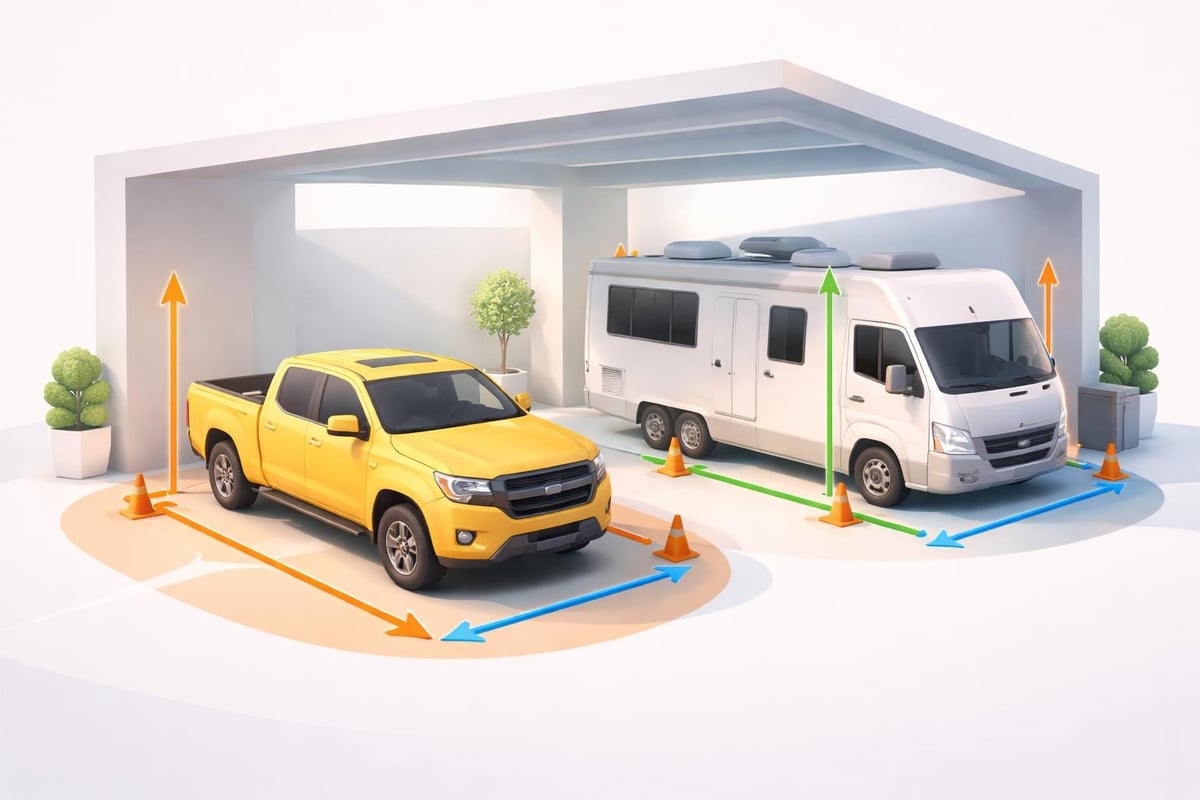
Begin by determining what you need to protect and the dimensions required. Measure vehicles or equipment carefully, adding several feet of clearance on all sides for comfortable access. Consider future needs as well, as expanding an existing carport proves more expensive than building adequate coverage initially.
Creating a prioritized list helps clarify requirements:
- Primary use (vehicle protection, equipment storage, workspace)
- Number and types of items requiring coverage
- Desired clearance heights
- Accessibility requirements
- Budget constraints
For those exploring options, the Metal Carport University provides comprehensive educational resources covering design considerations, material selection, and installation planning.
Material Grade and Certification Requirements
Building codes vary significantly by jurisdiction, with some areas requiring certified structures engineered to withstand specific wind speeds and snow loads. Review local regulations early in the planning process to avoid compliance issues.
When comparing buying guide options, pay attention to:
Frame gauge thickness: Heavier gauge steel provides greater strength but increases cost. Areas with severe weather should prioritize 12-gauge frames over lighter alternatives.
Panel gauge and coating: The 26-gauge panels resist damage better than 29-gauge options. Verify that panels include protective coatings on both sides to prevent rust.
Certification documentation: Request engineering certifications showing wind and snow load ratings that meet or exceed local requirements.
Color and Aesthetic Considerations
Modern steel canopy carports extend beyond basic functionality to enhance property appearance. Manufacturers offer extensive color selections for both roof panels and trim components, allowing coordination with existing structures.
Popular color schemes include:
- Classic neutrals (white, beige, tan) for traditional properties
- Earth tones (brown, green) blending with natural surroundings
- Bold colors (red, blue) making architectural statements
- Metallic finishes (galvalume, silver) for contemporary aesthetics
Exploring a color chart helps visualize how different combinations complement your property. Many suppliers offer virtual design tools that display your selected configuration in various color schemes.
Installation Process and Timeline
Understanding the installation process prepares property owners for what to expect and helps ensure smooth project completion. Professional installation typically follows a structured sequence that minimizes disruption while delivering quality results.
Site Preparation Requirements
Before installation day, property owners must complete several preparatory steps. The installation area requires leveling to within specifications, typically one inch over the structure's length and width. Uneven ground creates stress points that compromise structural integrity and potentially void warranties.
Clear the area of obstacles including:
- Overhanging branches that might interfere with installation equipment
- Underground utilities requiring location marking
- Debris, vegetation, or structures within the footprint
- Objects within 10 feet of the perimeter allowing crew access
Utility location services should mark electric, gas, water, and communication lines. Most areas offer free marking through 811 services, preventing costly and dangerous strikes during anchor installation.
Professional Installation Procedures
Experienced installation crews follow systematic procedures refined through hundreds of builds. The process typically spans one to three days depending on structure complexity and size.
| Installation Phase | Duration | Key Activities |
|---|---|---|
| Frame Assembly | 2-4 hours | Connecting legs, headers, and bracing components |
| Frame Positioning | 1-2 hours | Squaring, leveling, and initial placement |
| Anchoring | 2-3 hours | Installing foundation anchors and securing frame |
| Roof Installation | 3-5 hours | Attaching purlins, sheeting, and trim components |
| Final Inspection | 30 minutes | Quality verification and cleanup |
Professional crews bring specialized equipment including augers for anchor installation, lifts for roof work, and precision tools ensuring proper alignment. The expertise these teams provide justifies professional installation over attempting DIY approaches that risk structural compromise.
Maintenance and Longevity Considerations
Steel canopy carports require minimal maintenance while delivering decades of reliable service. Establishing simple care routines preserves appearance and extends structural lifespan well beyond initial expectations.
Routine Inspection Practices
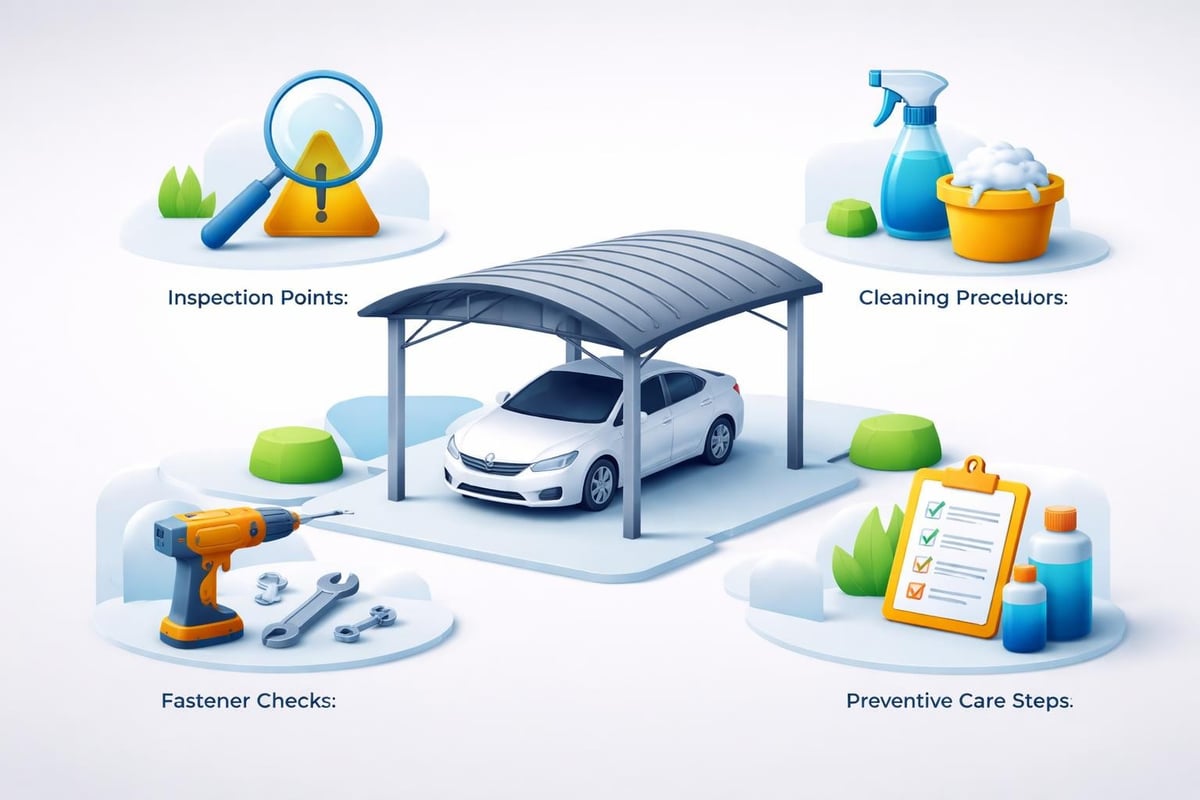
Conducting quarterly visual inspections identifies potential issues before they escalate into costly repairs. Walk around your steel canopy carport checking for:
- Rust spots: Small areas of corrosion appearing at connection points or damaged coating
- Loose fasteners: Bolts or screws requiring tightening after settling
- Debris accumulation: Leaves, branches, or other materials collecting on roof surfaces
- Panel damage: Dents, scratches, or displaced panels needing attention
Addressing minor issues promptly prevents progressive deterioration. Touch-up paint designed for metal structures conceals scratches and protects exposed steel from moisture infiltration.
Cleaning and Environmental Protection
Most steel canopy carports remain attractive with annual cleaning using mild detergent and water. A garden hose provides sufficient pressure for routine cleaning, while stubborn dirt may require soft-bristle brushing. Avoid abrasive cleaners or tools that scratch protective coatings.
In coastal environments or areas with heavy industrial pollution, semi-annual cleaning prevents salt or chemical accumulation that accelerates corrosion. Applying automotive wax to panels creates an additional protective barrier while enhancing appearance.
Snow removal becomes necessary only with excessive accumulation on regular or boxed eave roof styles. Vertical roof designs shed snow naturally, eliminating this maintenance requirement. When removal proves necessary, use plastic shovels or soft pushbrooms to avoid scratching panels.
Regional Considerations and Climate Adaptability
Geographic location significantly influences steel canopy carport specifications and performance requirements. Understanding regional factors ensures your structure performs optimally regardless of local conditions.
Wind and Snow Load Requirements
Building codes establish minimum engineering standards based on historical weather data. Coastal regions prone to hurricanes require higher wind ratings, often 140+ mph certification. Mountain areas experiencing heavy snowfall need structures rated for 35+ pounds per square foot ground snow loads.
The specifications for prefabricated steel canopies detail engineering standards addressing various environmental loads. Purchasing a structure engineered for your specific location prevents failures during extreme weather events and satisfies building permit requirements.
Different states maintain unique requirements, making it valuable to explore options through resources like finding service areas for metal structures. This ensures compliance with local codes while accessing region-appropriate designs.
Climate-Specific Material Selection
Temperature extremes influence material performance characteristics. Areas experiencing significant thermal cycling benefit from enhanced expansion joint design and heavier gauge materials that resist warping.
Humid climates prioritize galvanized or galvalume-coated steel with comprehensive rust protection. Desert environments with intense UV exposure benefit from premium paint systems that resist fading and chalking. Cold regions require designs preventing ice damming and accommodating thermal contraction.
Advanced Applications and Multi-Use Configurations
While vehicle protection remains the primary application, innovative property owners discover countless ways to maximize steel canopy carport utility. These versatile structures adapt to diverse needs beyond basic coverage.
Commercial and Agricultural Uses
Businesses leverage steel canopy carports for equipment protection, outdoor workspaces, and customer service areas. Agricultural operations utilize larger structures for:
- Hay and feed storage protecting inventory from moisture
- Equipment shelters for tractors, implements, and machinery
- Livestock shade structures in pastures and paddocks
- Loading/unloading zones for farm products
The multi-housing carport applications demonstrate how apartment complexes and property managers provide tenant parking while controlling costs. Commercial operators appreciate the rapid installation minimizing business disruption.
Integration with Renewable Energy Systems
Forward-thinking property owners combine vehicle protection with energy generation by installing solar panels on steel canopy carports. The SUNPARK® M2 specifications illustrate engineered systems supporting photovoltaic arrays while maintaining structural integrity for vehicle coverage below.
This dual-purpose approach maximizes land use efficiency, generates renewable energy, and provides valuable shade reducing vehicle interior temperatures. The investment economics improve significantly when structures serve multiple functions simultaneously.
Whether you're looking for basic vehicle coverage or exploring comprehensive solutions, understanding your options helps identify the perfect configuration. Those seeking complete protection from all sides might explore fully enclosed metal buildings that combine the durability of steel construction with total environmental isolation.
Hybrid Structures and Expandability
Smart planning includes considering future expansion possibilities. Many property owners initially install open steel canopy carports, later adding side panels or end walls to create partially or fully enclosed spaces. This phased approach spreads costs while ensuring the foundation accommodates eventual upgrades.
Modular design principles allow connecting multiple carport units or integrating storage rooms alongside vehicle coverage. The flexibility inherent in steel construction supports creative configurations matching evolving needs without requiring complete rebuilds.
Making Your Investment Decision
Purchasing a steel canopy carport represents a significant investment requiring careful evaluation of suppliers, warranties, and value propositions. Informed decision-making ensures satisfaction throughout the structure's multi-decade lifespan.
Evaluating Supplier Credentials
Not all carport manufacturers maintain equivalent quality standards or customer service commitments. Research potential suppliers thoroughly, examining:
- Years in business and industry reputation
- Customer reviews and testimonials
- Warranty terms covering materials and workmanship
- Engineering certifications and code compliance documentation
- Installation service quality and geographic coverage
Requesting references from recent customers in your area provides insights into real-world experiences. Questions about delivery timeliness, installation professionalism, and post-sale support reveal supplier reliability.
Understanding Total Cost of Ownership
Base pricing represents only part of the financial equation. Comprehensive cost analysis includes:
Initial purchase price: Structure cost plus delivery and installation fees
Site preparation: Grading, utility marking, and obstacle removal expenses
Permits and fees: Building permit costs and inspection fees
Foundation enhancements: Concrete footings if required by code or preferred for stability
Optional upgrades: Side panels, gable ends, extra bracing, or premium colors
Long-term maintenance: Minimal with steel structures but budget for occasional touch-ups
Comparing steel frame carports to traditional garages reveals significant lifetime savings despite similar protection levels. The reduced maintenance requirements and exceptional durability make steel canopy carports economically superior for most applications.
Financing and Budget Planning
Many suppliers offer financing programs making quality structures accessible regardless of immediate cash availability. Options typically include:
- Traditional installment loans with fixed monthly payments
- Rent-to-own arrangements requiring no credit checks
- Promotional financing with deferred or reduced interest periods
Understanding finance options helps structure payments comfortably within budget constraints. Calculate total financing costs including interest when comparing offers, as advertised rates may include conditions affecting final expenses.
Common Challenges and Solutions
Even well-planned projects encounter occasional obstacles. Anticipating potential challenges and understanding solutions minimizes stress and keeps installations on schedule.
Permitting and Regulatory Compliance
Building permit requirements vary dramatically between jurisdictions. Some areas allow steel canopy carports as accessory structures requiring only basic permits, while others mandate full engineering reviews and inspections.
Contact local building departments early in planning to understand:
- Setback requirements from property lines
- Height restrictions for accessory structures
- Homeowner association architectural review processes
- Utility easements limiting placement options
Professional suppliers familiar with regional codes provide guidance navigating regulatory requirements. Many handle permit applications as part of installation services, eliminating bureaucratic headaches for customers.
Site Condition Complications
Ground conditions occasionally surprise property owners during installation. Rocky soil resists standard anchor installation, requiring alternative foundation approaches. Unstable soil may necessitate concrete footings providing adequate bearing capacity.
Professional installation crews carry equipment handling most site challenges, but extreme conditions increase costs and timelines. Honest communication with suppliers about known site issues prevents surprise expenses on installation day.
Steel canopy carports deliver exceptional value through durable construction, versatile applications, and minimal maintenance requirements that protect your investments for decades. When you're ready to explore customized solutions perfectly suited to your property and protection needs, Metal Structure Sales LLC offers high-quality structures with comprehensive delivery and installation services. Their experienced team helps you design the ideal configuration, handles permitting complexities, and ensures professional installation that meets all engineering standards while exceeding your expectations.