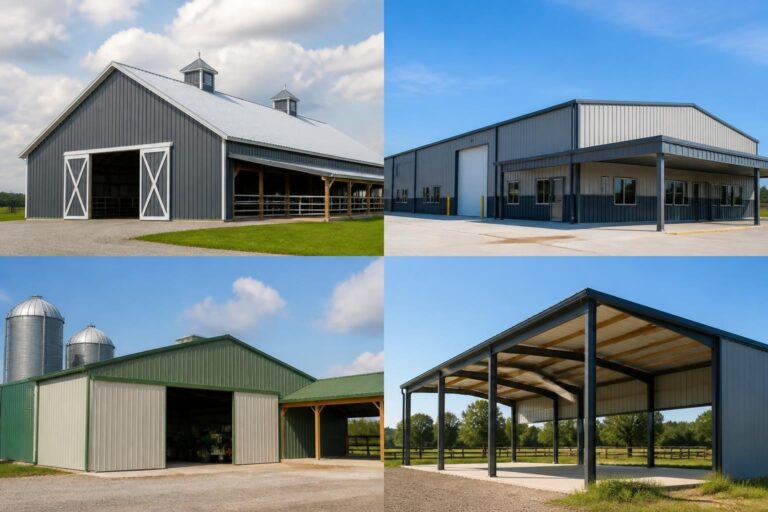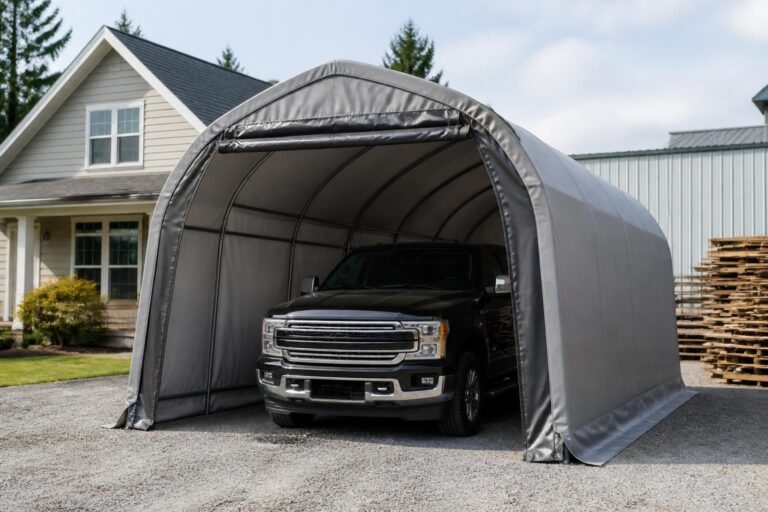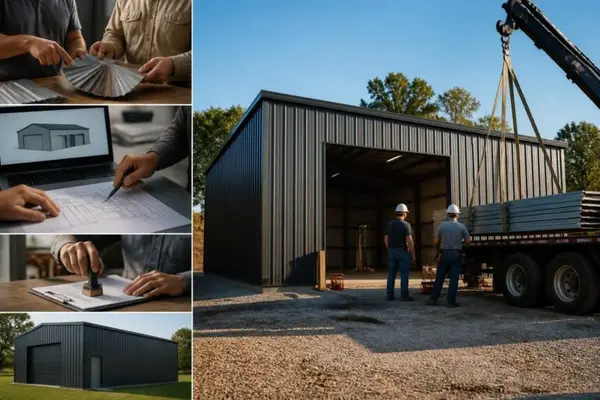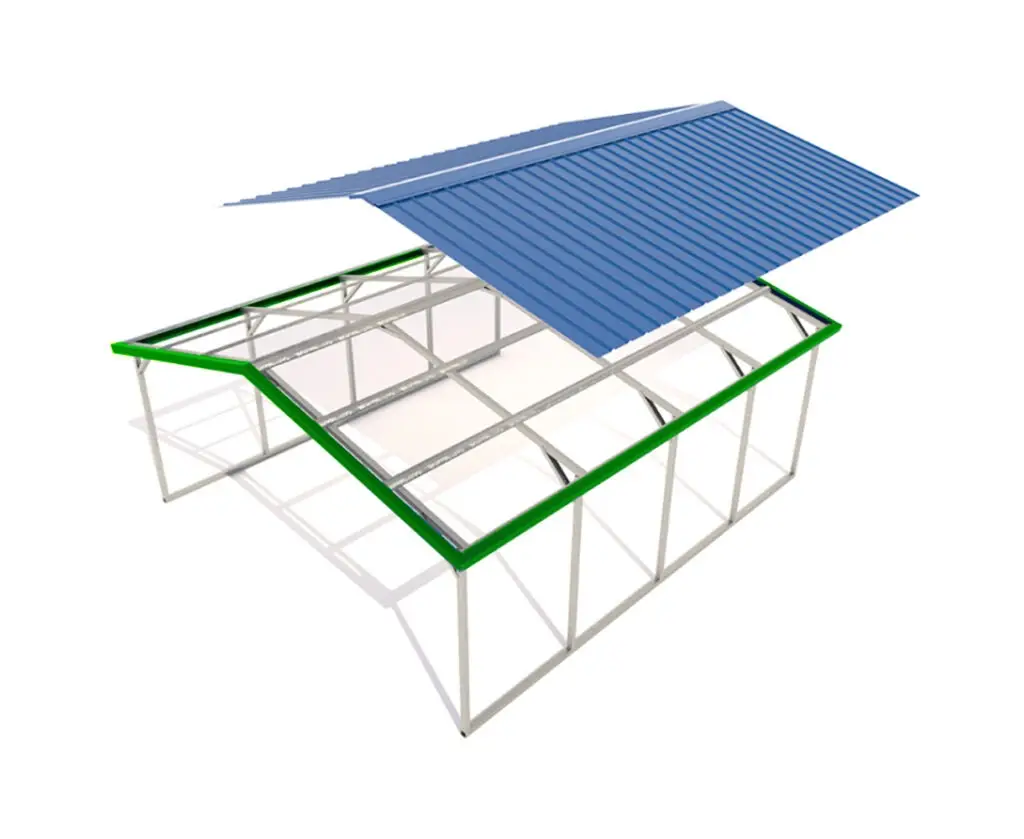


Steel buildings have become increasingly popular across residential, commercial, and agricultural applications due to their durability, cost-effectiveness, and quick installation times. However, one critical component that often requires careful consideration is window selection and installation. Choosing the right windows for steel buildings can significantly impact natural lighting, energy efficiency, ventilation, and overall functionality. Whether you're planning a metal workshop, storage facility, or fully enclosed structure, understanding your window options ensures your investment delivers maximum value and performance for decades to come.
Understanding Window Requirements for Metal Structures
Windows for steel buildings must meet unique structural and performance requirements that differ from traditional wood-framed construction. The thermal expansion properties of steel create specific challenges that window systems must accommodate without compromising the building envelope.
Metal structures expand and contract more noticeably than other building materials when temperature fluctuations occur. This movement requires window frames and mounting systems that can flex slightly without creating gaps or stress fractures. Steel-framed windows offer the best compatibility because they expand at similar rates to the building structure itself.
Load-Bearing Considerations
The self-supporting nature of steel buildings means windows don't carry structural loads in the same way they might in conventional construction. This characteristic provides greater flexibility in window placement and sizing options.
- Steel framing members provide all structural support
- Windows function purely as infill components
- Larger window openings become feasible without additional reinforcement
- Custom sizing options expand significantly
When planning window locations, coordinate with your building's frame design to ensure proper header placement and adequate support around openings. Most manufacturers can accommodate custom window locations during the initial design phase.
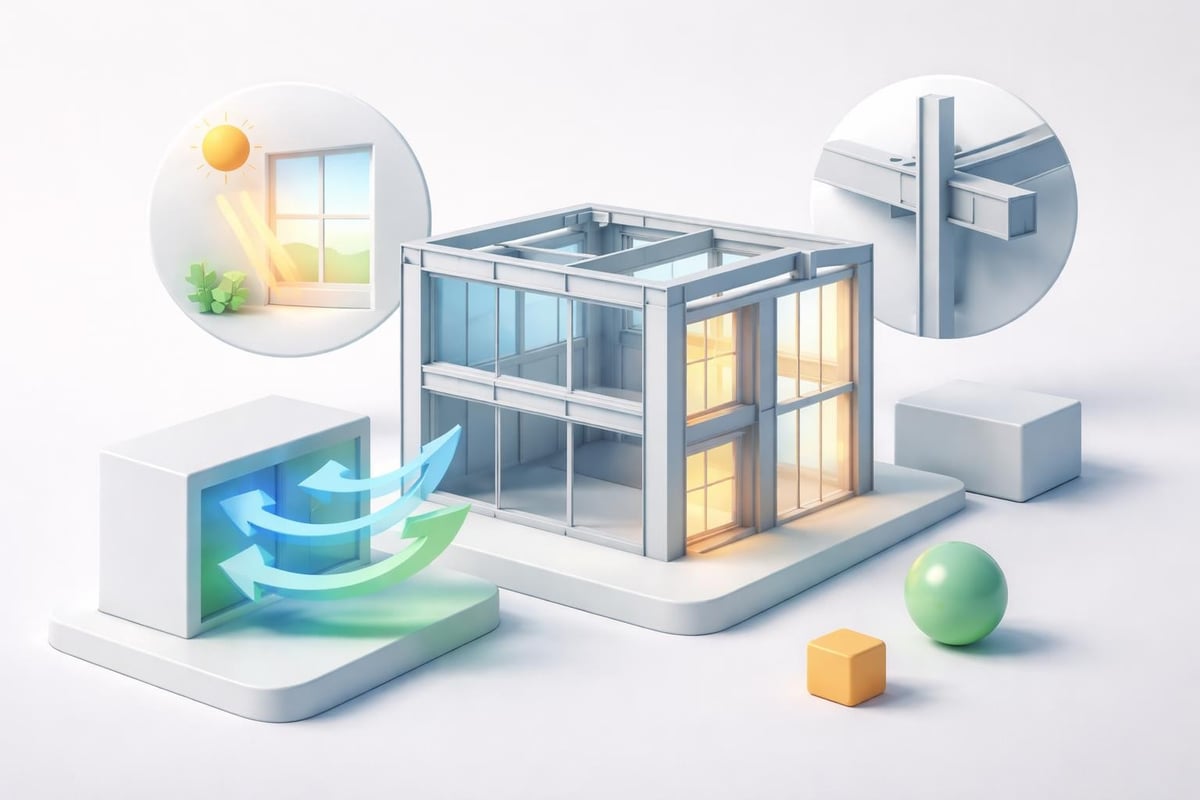
Types of Windows Best Suited for Steel Buildings
Several window styles work exceptionally well with metal construction, each offering distinct advantages depending on your specific application and climate requirements.
Fixed Windows
Fixed windows provide the most economical option for adding natural light without ventilation. These non-operable units offer superior energy efficiency because they eliminate the potential air leakage points associated with operable sashes.
Benefits of fixed windows:
- Lowest cost per square foot
- Maximum energy efficiency ratings
- Unlimited size possibilities
- Minimal maintenance requirements
- Enhanced structural integrity
Fixed windows work particularly well in climate-controlled spaces where mechanical ventilation systems handle air exchange. According to modern steel window applications, the slim profiles achievable with steel frames maximize glass area while maintaining structural strength.
Sliding Windows
Horizontal sliding windows offer excellent ventilation control and operate easily even in hard-to-reach locations. These units feature one or more panels that glide along tracks, making them ideal for workshops and agricultural buildings.
The simple mechanism of sliding windows for steel buildings requires less clearance space than swing-out styles, making them practical when exterior obstacles or interior workspace constraints exist. Weather-resistant seals along the track system prevent water infiltration during heavy rain events.
Awning and Hopper Windows
Awning windows hinge at the top and open outward, creating a protective overhang that allows ventilation even during light rain. Hopper windows reverse this configuration, hinging at the bottom and opening inward.
| Window Type | Best Applications | Key Advantages |
|---|---|---|
| Awning | Above doors, high walls | Rain protection, security |
| Hopper | Basements, low walls | Easy cleaning, controlled airflow |
| Sliding | Workshops, barns | Space efficiency, simple operation |
| Fixed | Climate-controlled spaces | Energy efficiency, cost savings |
These window styles excel in agricultural settings where ventilation control directly impacts animal comfort and health. Many metal horse barn designs incorporate multiple awning windows to maintain proper airflow year-round.
Frame Material Selection and Compatibility
While discussing windows for steel buildings, the frame material selection deserves careful attention because it directly affects installation ease, longevity, and thermal performance.
Steel window frames offer the highest compatibility with metal building construction. Thermally broken steel windows incorporate insulating barriers between interior and exterior metal surfaces, preventing condensation and improving energy efficiency. The matching thermal expansion rates between steel frames and steel buildings eliminate many common installation problems.
Aluminum Frame Options
Aluminum frames provide excellent corrosion resistance and require minimal maintenance. Modern aluminum windows feature thermal breaks similar to steel systems, delivering competitive energy performance at moderate price points.
The lightweight nature of aluminum simplifies handling during installation while maintaining structural rigidity. Powder-coated finishes resist scratching and fading, maintaining appearance for decades with minimal upkeep.
Vinyl and Composite Alternatives
Vinyl windows offer the lowest initial cost and excellent insulation properties. However, their different expansion rates compared to steel buildings can create installation challenges in extreme temperature zones.
Composite frames blend materials like fiberglass and polymers to achieve favorable thermal properties and structural strength. These engineered products often outperform traditional materials in specific performance categories.
Energy Efficiency and Insulation Performance
Energy-efficient windows dramatically reduce heating and cooling costs while improving interior comfort. For windows for steel buildings, energy performance becomes particularly important because metal structures transfer heat more readily than wood-framed alternatives.
Understanding U-Factor and R-Value
The U-factor measures how well a window prevents heat from escaping. Lower U-factor numbers indicate better insulation performance. R-value represents thermal resistance, with higher numbers showing better insulation.
Key energy metrics for window selection:
- U-factor between 0.20-0.30 for climate-controlled buildings
- Solar Heat Gain Coefficient (SHGC) matched to regional climate
- Visible Transmittance (VT) rating above 0.50 for workspace lighting
- Air Leakage ratings below 0.30 cfm/sq ft
When selecting insulated windows, consider your climate zone and intended building use. Agricultural structures often tolerate wider temperature ranges than workshops or retail spaces, allowing different performance specifications.
Multi-Pane Glass Systems
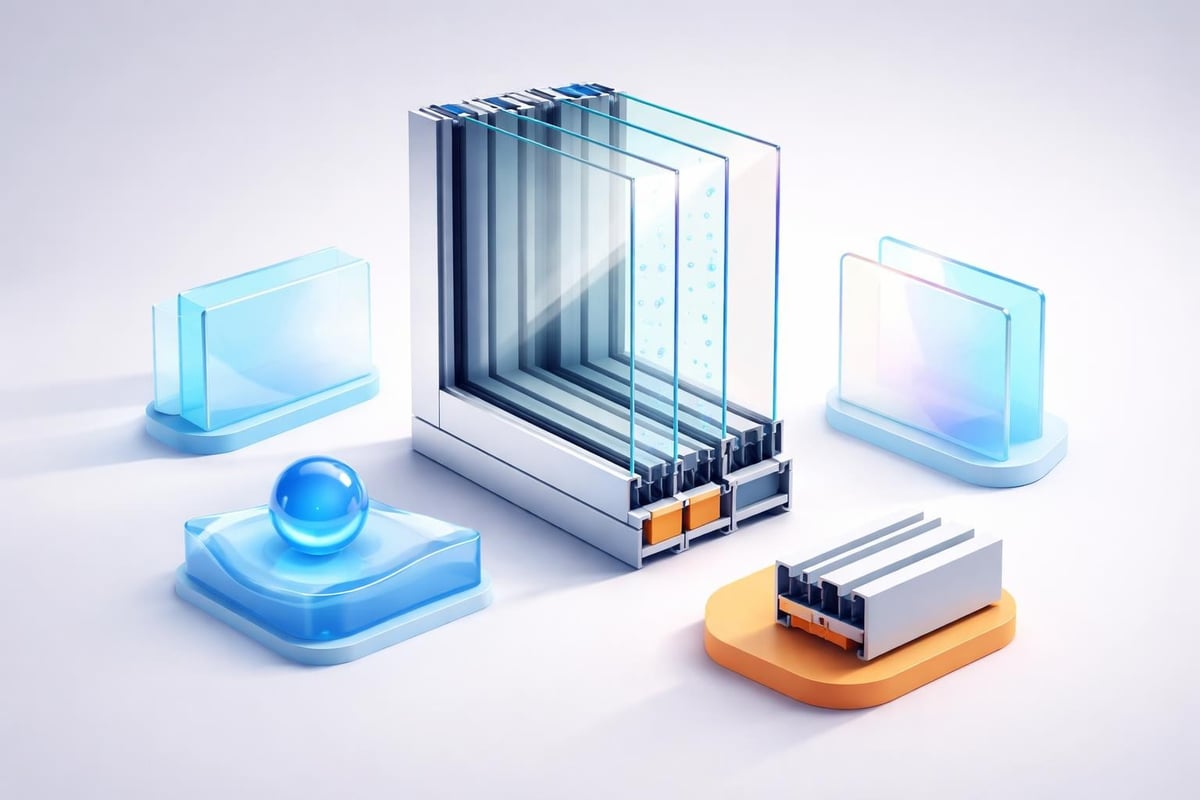
Double-pane and triple-pane glass assemblies provide superior insulation compared to single-pane options. The sealed airspace between glass layers creates an insulating barrier that significantly reduces heat transfer.
Argon or krypton gas fills between panes enhance insulation beyond standard air-filled systems. Low-emissivity (Low-E) coatings reflect infrared energy, keeping heat inside during winter and outside during summer months.
Installation Methods and Best Practices
Proper installation ensures windows for steel buildings perform optimally throughout their service life. The installation approach varies depending on whether windows integrate during initial construction or as retrofits to existing structures.
New Construction Integration
Installing windows during initial building construction provides the cleanest integration and most reliable long-term performance. Frame openings can be precisely positioned to align with structural members, and weather barriers integrate seamlessly with wall panels.
- Frame preparation: Install sub-framing or window bucks before exterior sheeting
- Flashing installation: Apply appropriate weatherproofing materials around rough openings
- Window placement: Set window units with proper clearance for sealant application
- Securing: Fasten through frame flanges into structural supports
- Sealing: Apply continuous weatherproof sealant around perimeter
- Trim installation: Add interior and exterior trim pieces for finished appearance
Many metal building packages can incorporate window provisions during the design phase, ensuring proper structural accommodation and streamlined installation.
Retrofit Installation Considerations
Adding windows to existing steel buildings requires more careful planning to maintain structural integrity and weather resistance. Cutting openings in existing panels necessitates proper framing reinforcement and meticulous sealing.
Professional installation becomes particularly important for retrofit projects. The risk of improper weatherproofing or inadequate structural support increases when modifying existing structures without expert guidance.
Ventilation and Climate Control Integration
Strategic window placement optimizes natural ventilation patterns, reducing mechanical HVAC requirements and associated operating costs. Understanding airflow principles helps maximize the benefits windows provide beyond simple daylighting.
Cross-Ventilation Design
Positioning operable windows on opposite walls creates cross-ventilation that naturally exhausts hot air while drawing cooler replacement air through the structure. This passive cooling strategy works exceptionally well in moderate climates and during shoulder seasons.
Window height placement affects ventilation effectiveness. Lower windows introduce fresh air while upper windows exhaust warm air that naturally rises. This stratification principle applies in structures from small workshops to large commercial facilities.
Seasonal Considerations
Windows for steel buildings in northern climates prioritize insulation and solar heat gain during winter months. Southern exposures capture valuable solar energy, reducing heating costs when paired with appropriate thermal mass inside the building.
Conversely, buildings in hot climates benefit from reduced solar heat gain through lower SHGC ratings and strategic shading. East and west windows often receive overhangs or awnings to block low-angle sun during summer months.
Security and Safety Features
Commercial steel buildings often require enhanced security measures that extend to window selection and placement. Several features improve window security without compromising aesthetics or functionality.
Impact-Resistant Glass Options
Laminated glass incorporates a plastic interlayer between glass panes that holds fragments together if broken. This construction resists penetration from thrown objects and slows forced entry attempts.
Tempered glass undergoes heat treatment that increases strength four to five times compared to standard annealed glass. When broken, tempered glass fractures into small granular chunks rather than dangerous shards, improving occupant safety.
Locking Mechanisms and Reinforcement
Multi-point locking systems engage at several locations along the window frame, distributing force and resisting prying. These advanced locks significantly outperform traditional single-point latches in security testing.
Window grilles or security bars provide additional protection for vulnerable locations. Modern designs integrate aesthetically while maintaining effective deterrence against unauthorized entry.
Climate-Specific Design Recommendations
Regional climate conditions heavily influence optimal window specifications for steel buildings. Matching window performance to local weather patterns ensures comfort, efficiency, and longevity.
Cold Climate Strategies
Freezing temperatures, snow loads, and heating cost concerns drive window selection in northern regions. Triple-pane windows with low-E coatings deliver the insulation performance cold climates demand.
| Climate Zone | Recommended U-Factor | Recommended SHGC | Ideal Frame Type |
|---|---|---|---|
| Northern | 0.20-0.28 | 0.35-0.50 | Steel or fiberglass |
| Mixed | 0.25-0.32 | 0.30-0.40 | Steel or aluminum |
| Southern | 0.30-0.40 | 0.25-0.35 | Aluminum or vinyl |
| Coastal | 0.25-0.35 | 0.25-0.40 | Corrosion-resistant |
Condensation resistance becomes critical in cold climates where interior humidity meets cold glass surfaces. Warm-edge spacer systems between glass panes raise interior surface temperatures, preventing condensation formation.
Hot and Humid Environments
High temperatures combined with humidity create different challenges requiring specialized approaches. Reflective or tinted glass reduces solar heat gain while maintaining adequate natural light levels.
Corrosion-resistant frame materials and hardware extend window life in coastal and high-humidity locations. Stainless steel fasteners, marine-grade aluminum, or vinyl frames resist degradation from salt air and moisture exposure.
Maintenance and Longevity Considerations
Proper maintenance extends window life and preserves performance characteristics. Windows for steel buildings generally require minimal upkeep, but regular inspections prevent minor issues from becoming expensive repairs.
Routine Inspection Schedule
Quarterly visual inspections identify developing problems before they compromise building envelope integrity. Check weather stripping for compression or damage, examine sealant joints for gaps or cracks, and verify smooth operation of moving parts.
Seasonal maintenance checklist:
- Spring: Clean glass, lubricate hinges and locks, inspect for winter damage
- Summer: Check seals and caulking, verify proper drainage
- Fall: Clean tracks and channels, test weather stripping effectiveness
- Winter: Remove ice buildup carefully, monitor for condensation issues
Many frequently asked questions about metal building maintenance address window care and common troubleshooting scenarios.
Weatherproofing and Seal Replacement
Sealants and weather stripping degrade over time from UV exposure, temperature cycling, and mechanical wear. Replacing these components every 5-10 years maintains weather resistance and energy efficiency.
Silicone-based sealants offer superior longevity and flexibility compared to acrylic alternatives. UV-resistant formulations prevent premature degradation in sun-exposed locations, extending service intervals between reapplication.
Cost Factors and Budget Planning
Understanding the total cost of window installation helps establish realistic budgets and make informed decisions about window selection for your steel building project.
Initial Purchase and Installation Costs
Window costs vary dramatically based on size, frame material, glass configuration, and performance specifications. Basic vinyl windows start around $100-200 per unit installed, while high-performance steel frames can exceed $500-1000 per window.
Installation complexity affects labor costs significantly. New construction integration typically runs $50-150 per window for labor, while retrofit installations may cost $150-300 per window depending on modification requirements.
For those considering converting existing open structures, understanding the process of transforming a carport into an enclosed garage provides valuable context for planning window integration during conversion projects.
Long-Term Operating Costs
Energy-efficient windows reduce heating and cooling expenses throughout the building's life. Calculating the payback period for higher-efficiency options often reveals that premium windows justify their initial cost through utility savings.
A typical climate-controlled 40×60 steel building might spend $500-1500 annually on heating and cooling. Upgrading from single-pane to high-performance windows can reduce these costs by 25-40%, recovering the price premium within 5-8 years.
Customization Options and Aesthetic Considerations
Modern windows for steel buildings offer extensive customization possibilities that complement architectural styles while meeting functional requirements. Thoughtful design integration creates cohesive, attractive structures regardless of intended use.
Color and Finish Selections
Powder-coated finishes provide durable color options that resist fading, chipping, and weathering. Most manufacturers offer dozens of standard colors plus custom color matching for specific architectural requirements.
Interior and exterior colors can differ, allowing bright interiors while exterior finishes blend with overall building aesthetics. This dual-color capability helps buildings integrate into existing landscapes or meet local design guidelines.
Divided Lite Patterns and Grilles
Decorative grille patterns add architectural character to plain glass expanses. Grilles can be applied to glass surfaces, suspended between panes, or incorporated as structural elements dividing individual glass sections.
Common grille patterns include colonial, prairie, farmhouse, and custom geometric designs. The historical development of steel windows shows how these divided lite patterns evolved from functional necessity to valued design elements.
Commercial and Industrial Applications
Large-scale commercial and industrial facilities require window solutions that balance daylighting, ventilation, energy efficiency, and durability. Steel windows for commercial buildings excel in these demanding applications through robust construction and proven longevity.
Warehouse and Distribution Centers
Clerestory windows along rooflines provide natural daylighting deep into large warehouse spaces without sacrificing valuable wall space for loading docks and storage. This elevated placement reduces glare while spreading diffuse light throughout work areas.
Translucent panel systems offer an alternative to traditional windows in structures prioritizing light transmission over views. These systems integrate directly into wall panels, simplifying installation while providing excellent light diffusion.
Manufacturing Facilities
Production environments often generate heat, humidity, and airborne contaminants requiring robust ventilation systems. Operable windows supplement mechanical systems during moderate weather, reducing operating costs while improving air quality.
Impact-resistant glazing protects windows from flying debris and occasional impacts common in manufacturing settings. The increased durability justifies higher initial costs through reduced replacement frequency.
Regulatory Compliance and Building Codes
Window installations must comply with local building codes addressing structural safety, energy efficiency, egress requirements, and fire protection. Understanding applicable regulations early in the planning process prevents costly modifications during or after construction.
Energy Code Requirements
Most jurisdictions adopt energy codes based on the International Energy Conservation Code (IECC) or ASHRAE 90.1 standards. These codes specify minimum window performance requirements varying by climate zone and building type.
Steel building design must account for these energy requirements from initial planning stages. Window specifications integrate with overall building envelope performance to achieve code compliance efficiently.
Safety and Egress Standards
Occupied buildings require specific window sizes and configurations for emergency egress from sleeping areas. These windows must meet minimum opening sizes and maximum sill heights specified in building codes.
Fire-rated windows become necessary when openings occur in fire-rated wall assemblies. These specialized units maintain fire resistance ratings through tested frame and glazing combinations certified for specific time periods.
Special Purpose Applications
Certain applications demand unique window configurations beyond standard commercial or residential requirements. Understanding these specialized needs ensures proper window selection for diverse steel building uses.
Agricultural Structures
Livestock housing requires careful balance between ventilation, natural light, and weather protection. Windows positioned strategically promote air circulation patterns that maintain healthy environments for animals while controlling condensation and ammonia buildup.
Sliding windows with screen options allow maximum airflow during warm weather while excluding insects and predators. Durable frames and impact-resistant glass withstand the rigors of agricultural environments where cleaning and maintenance occur under harsh conditions.
Workshop and Hobby Buildings
Natural lighting significantly improves work quality in workshops where precision tasks demand good visibility. North-facing windows provide consistent, shadow-free illumination ideal for detailed work, while south-facing units contribute passive solar heating.
Operable windows near workbenches exhaust fumes from painting, welding, or chemical processes. Properly positioned ventilation windows create negative pressure at work surfaces, drawing contaminants away from breathing zones.
Integration with Other Building Systems
Windows for steel buildings don't function in isolation but integrate with electrical, HVAC, and automation systems to create cohesive, efficient structures. Planning these integrations during design phases optimizes performance and reduces installation complexity.
Electrical and Lighting Coordination
Daylighting strategies reduce artificial lighting requirements, cutting electricity consumption significantly. Photosensor controls automatically dim or extinguish electric lights when natural light provides adequate illumination levels.
Window placement affects electrical layouts by reducing fixture quantities in well-lit areas while concentrating lighting in deeper building sections. This coordinated approach minimizes both installation and operating costs throughout the building's lifecycle.
Smart Building Integration
Motorized window operators integrate with building automation systems, opening and closing based on temperature, time of day, or occupancy patterns. These automated systems optimize natural ventilation while preventing weather damage from unexpected storms.
Sensor networks monitor interior conditions and adjust window positions to maintain comfortable temperatures without excessive mechanical heating or cooling. The resulting energy savings often justify automation system investments within a few years.
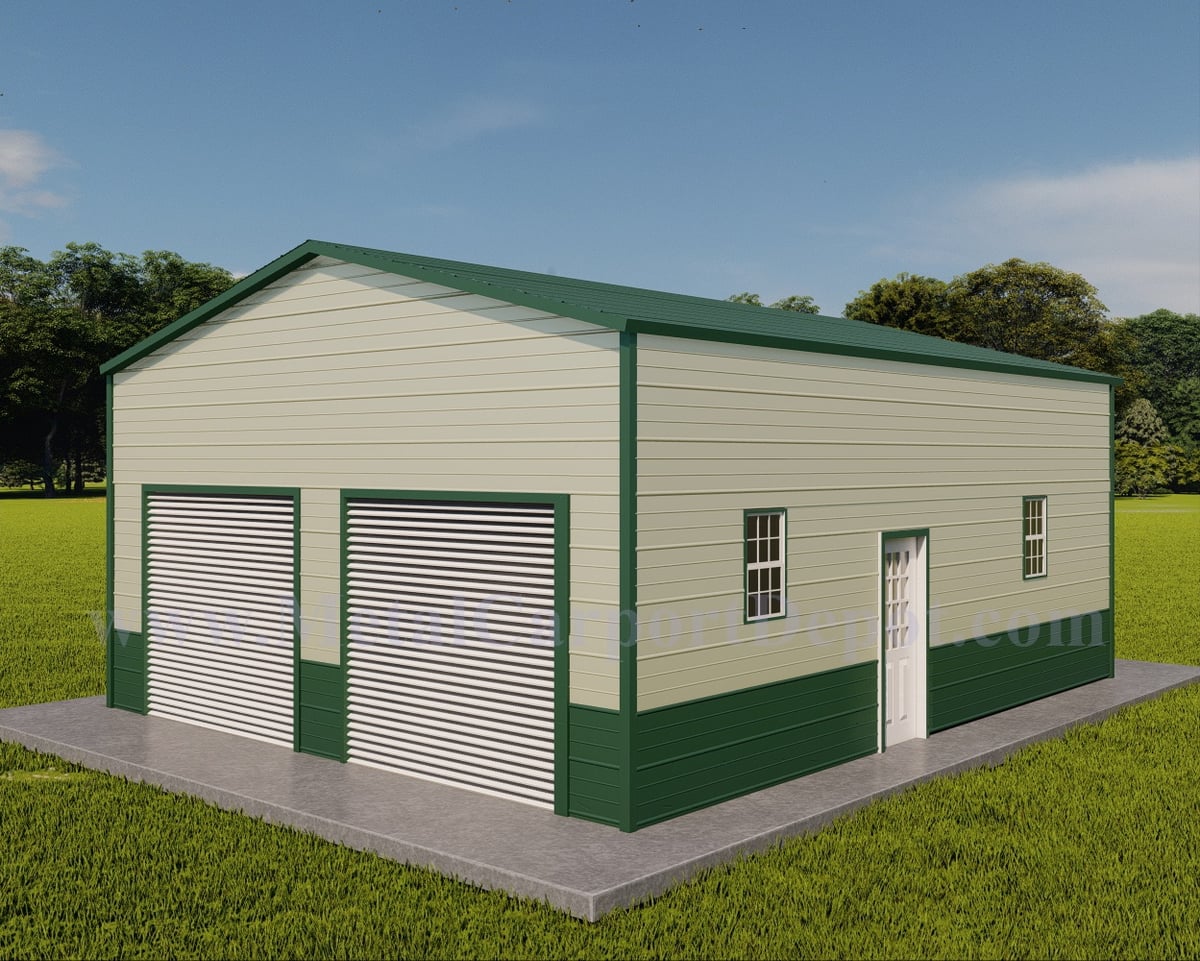
When planning comprehensive building solutions that incorporate windows alongside structural components, fully enclosed metal buildings offer customizable platforms accommodating diverse window configurations while maintaining structural integrity and weather resistance. These versatile structures serve residential, commercial, and agricultural applications with equal effectiveness when properly designed and equipped.
Selecting the Right Window Provider
Choosing a reputable window supplier ensures product quality, proper warranties, and reliable technical support throughout your building's life. Several factors distinguish exceptional suppliers from merely adequate options.
Warranty Coverage and Support
Comprehensive warranties protect against manufacturing defects, seal failures, and performance issues. Premium window manufacturers offer 10-20 year warranties on frames and hardware plus separate coverage for insulated glass units.
Technical support availability helps resolve installation questions and troubleshoot performance concerns. Suppliers with knowledgeable staff and responsive customer service departments deliver value beyond the initial product purchase.
Product Testing and Certification
Independent testing verifies window performance claims through standardized protocols. Certifications from organizations like the National Fenestration Rating Council (NFRC) provide objective performance data for comparison shopping.
Industry specifications define minimum quality standards for steel windows in various applications. Products meeting or exceeding these benchmarks deliver reliable long-term performance.
Regional Availability and Lead Times
Local suppliers often provide faster delivery and simpler warranty service compared to distant manufacturers. However, specialized products may only be available from national or international suppliers willing to ship regionally.
Planning window procurement early in the construction schedule accommodates longer lead times without delaying overall project completion. Custom sizes and specialty glazing options typically require 6-12 weeks from order to delivery.
Selecting appropriate windows for steel buildings requires balancing multiple factors including climate conditions, intended use, energy efficiency goals, and budget constraints. The right window choices enhance functionality, reduce operating costs, and improve occupant comfort for decades. Whether you're planning a new structure or upgrading an existing building, Metal Structure Sales LLC provides expert guidance and high-quality customizable metal buildings designed to accommodate your specific window and ventilation requirements with delivery and installation included.