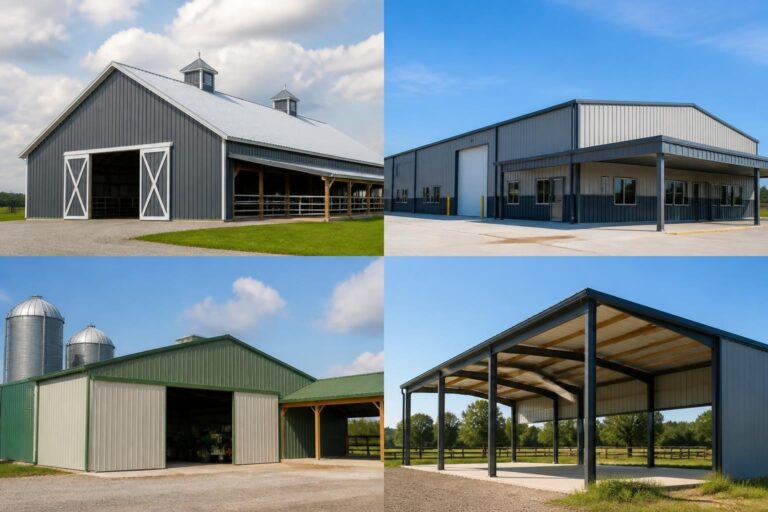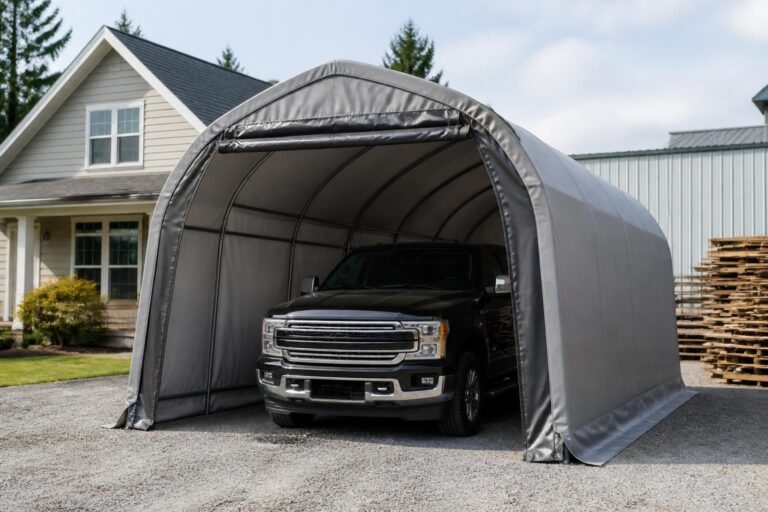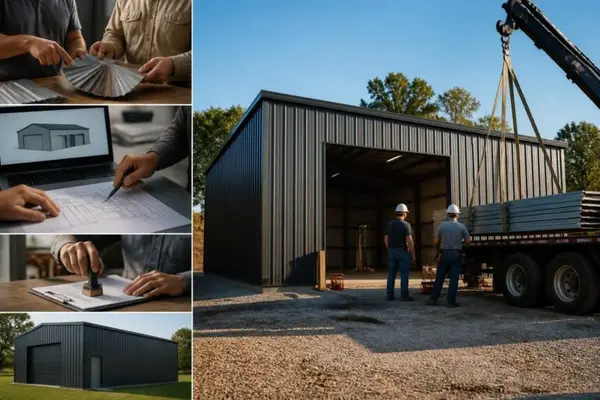


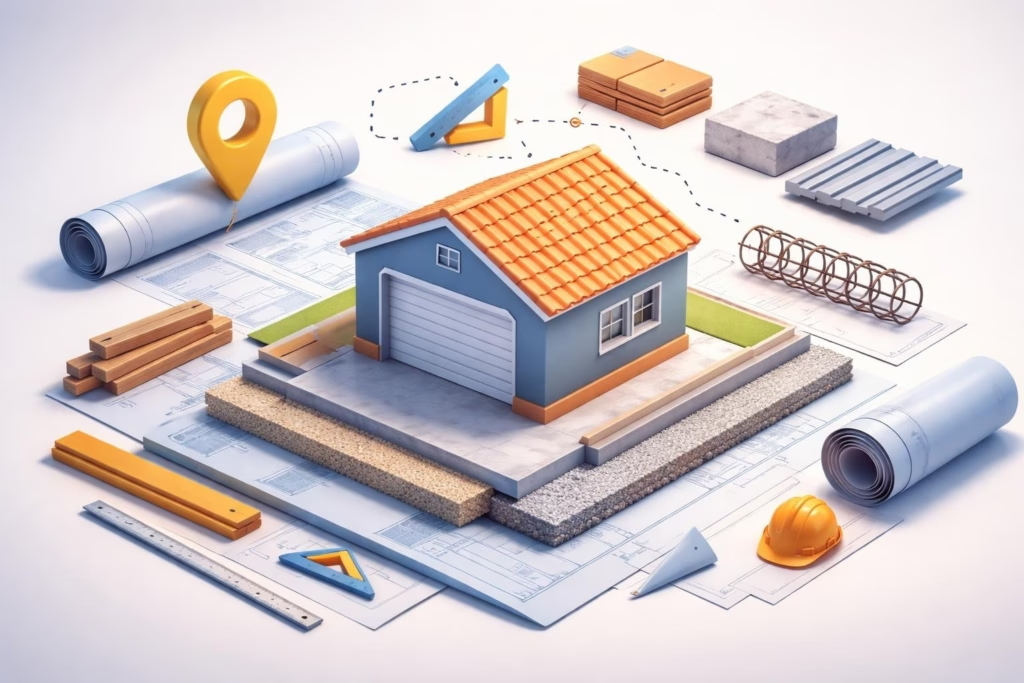
Building your own garage represents one of the most valuable investments you can make in your property. Whether you need protected storage for vehicles, a dedicated workshop space, or additional square footage for equipment and tools, the process to create your own garage requires careful planning and strategic decision-making. Modern construction methods and innovative materials have made garage construction more accessible than ever before, allowing property owners to design structures that perfectly match their specific requirements. This comprehensive guide walks you through every essential consideration, from initial planning stages to material selection and customization options, ensuring your garage project delivers lasting value and functionality.
Understanding Your Garage Needs and Goals
Before breaking ground, you must clearly define what you want to accomplish when you create your own garage. The intended purpose drives every subsequent decision in the construction process.
Primary Use Categories:
- Vehicle storage and protection from weather elements
- Workshop or hobby space for projects and craftsmanship
- Equipment storage for lawn care, tools, and seasonal items
- Combination spaces serving multiple functions simultaneously
Each purpose demands different specifications. A simple vehicle shelter requires different dimensions and features compared to a fully equipped workshop with electrical systems, climate control, and specialized storage solutions. Identifying your garage’s primary function helps establish baseline requirements for size, height, and structural features.
Assessing Space Requirements
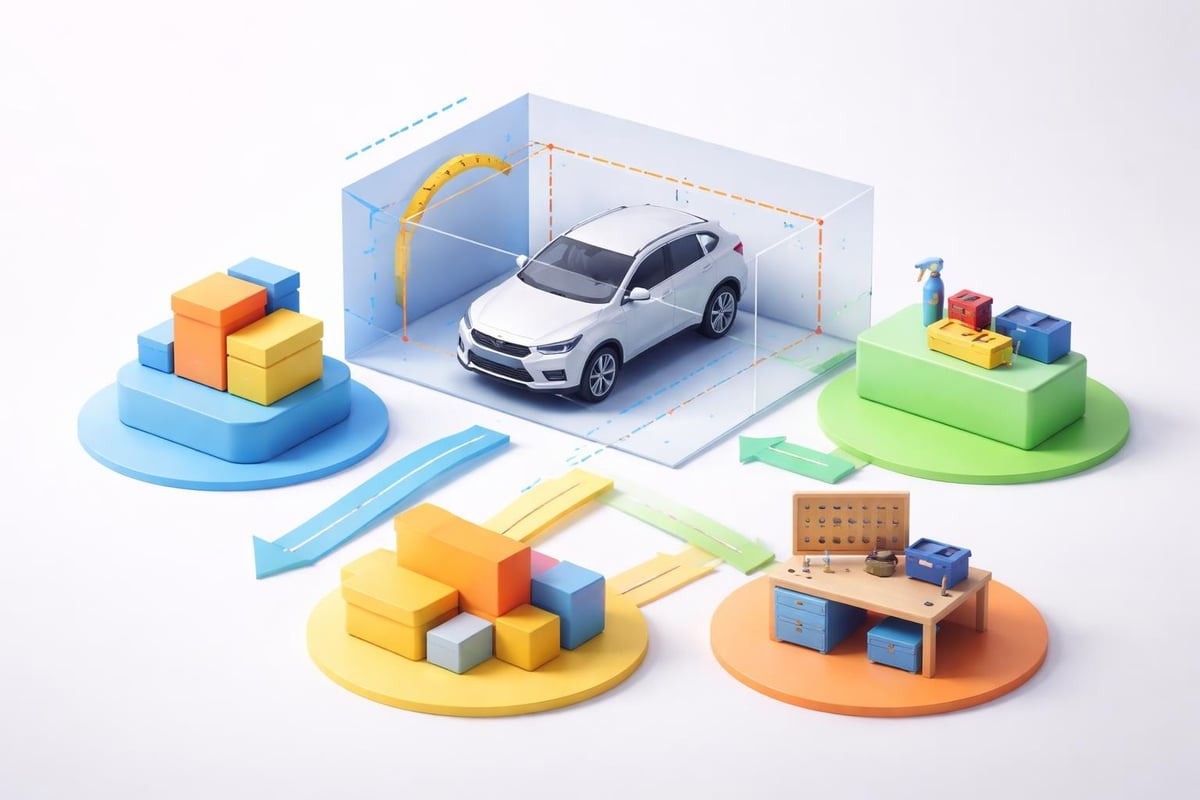
Accurate space planning prevents costly mistakes and ensures your garage serves its intended purpose effectively. Standard single-car garages measure approximately 12 feet by 22 feet, while double-car configurations typically span 20 feet by 22 feet. However, these dimensions represent minimum requirements that often feel cramped once you account for door clearance, storage shelving, and workspace areas.
Consider adding at least 2-4 feet beyond basic vehicle dimensions to accommodate comfortable movement and storage. Vertical clearance matters significantly if you plan to store recreational vehicles, work trucks, or equipment with extended heights. Many property owners discover that investing in extra space during initial construction costs far less than expanding later.
Site Preparation and Foundation Planning
The foundation determines your garage's longevity and structural integrity. When you create your own garage, the groundwork literally sets the stage for everything that follows.
Evaluating Your Property
Site selection involves multiple considerations beyond simply choosing a convenient location. Evaluate soil conditions, drainage patterns, and accessibility for both construction equipment and future use. Properties with high water tables or poor drainage require additional foundation work to prevent moisture issues.
Local building codes and zoning regulations dictate setback requirements from property lines, height restrictions, and sometimes even aesthetic guidelines. Research these requirements thoroughly before finalizing your site selection. Some municipalities require permits and inspections at various construction stages, adding time to your project timeline.
| Foundation Type | Best For | Advantages | Considerations |
|---|---|---|---|
| Concrete Slab | Most applications | Cost-effective, stable | Requires professional pour |
| Gravel/Crushed Stone | Metal carports | Excellent drainage | May shift over time |
| Pier Foundation | Sloped terrain | Adapts to uneven ground | Needs proper engineering |
| Frost-Protected | Cold climates | Prevents heaving | Higher initial cost |
Professional site preparation ensures proper grading and drainage. Water should flow away from your garage foundation in all directions, preventing pooling and potential structural damage.
Material Selection for Durability and Value
Material choices impact your garage's appearance, maintenance requirements, and total cost. The decision to create your own garage with specific materials shapes both immediate construction budgets and long-term ownership experience.
Traditional vs. Metal Construction
Conventional wood-frame garages offer familiarity and extensive customization options, but they require significant construction time and ongoing maintenance. Wood structures face challenges from moisture, pests, and fire risk that demand preventive treatments and regular upkeep.
Metal structures have gained substantial popularity for garage construction due to compelling advantages. Steel frames resist rot, termite damage, and fire while requiring minimal maintenance over decades of service. Metal building kits streamline construction with pre-engineered components that fit together efficiently, reducing labor costs and construction timeframes.
Key Benefits of Metal Garage Construction:
- Exceptional durability withstanding severe weather conditions
- Lower long-term maintenance compared to wood structures
- Fire-resistant properties providing enhanced safety
- Engineered strength handling heavy snow loads and wind pressure
- Faster installation reducing overall project timeline
- Cost-effectiveness through material efficiency and reduced labor
When evaluating materials, consider your local climate conditions. Coastal areas with salt air, regions with heavy snowfall, or locations experiencing extreme temperature fluctuations each present specific challenges that different materials handle with varying effectiveness.
Roof Systems and Weather Protection
Roof design significantly affects both functionality and aesthetic appeal. When you create your own garage, the roof style you select influences water drainage, snow load capacity, and interior headroom.
Common Roof Configurations:
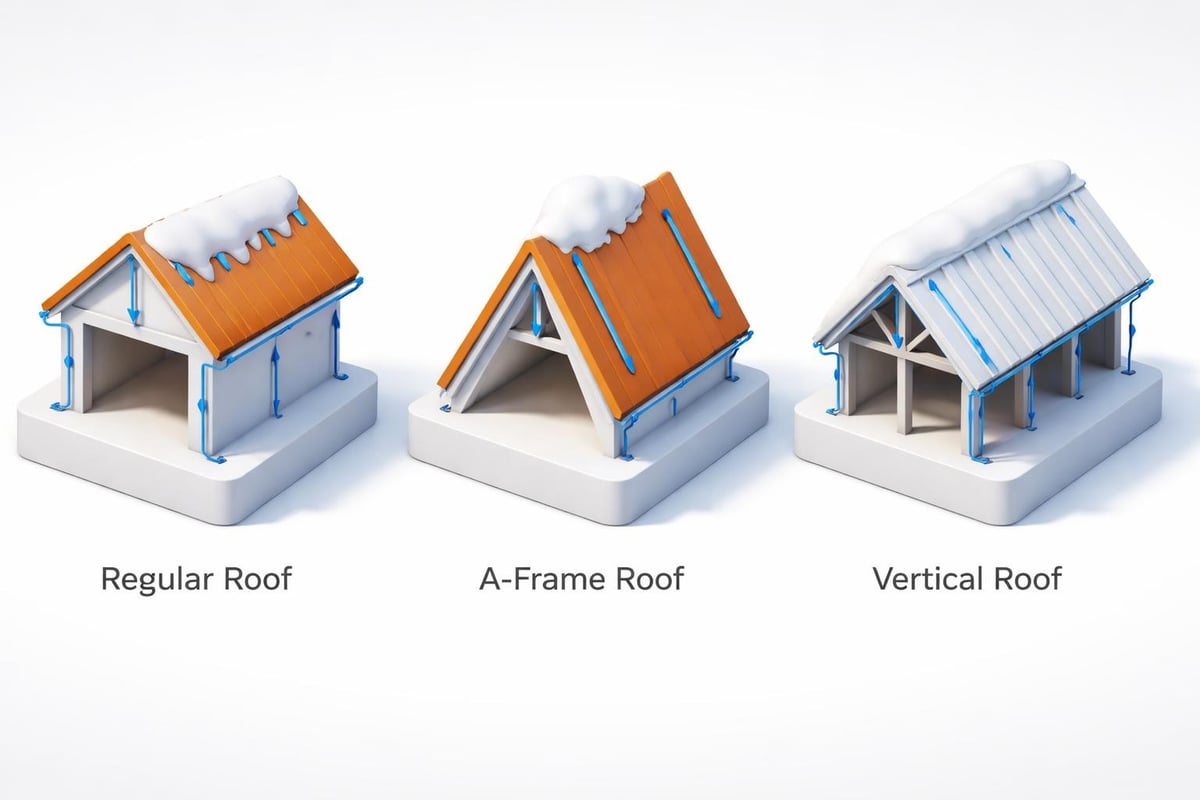
- Regular Style – Rounded roof with horizontal panels, economical and effective for moderate climates
- A-Frame Horizontal – Panels run horizontally across a peaked roof, improved water runoff
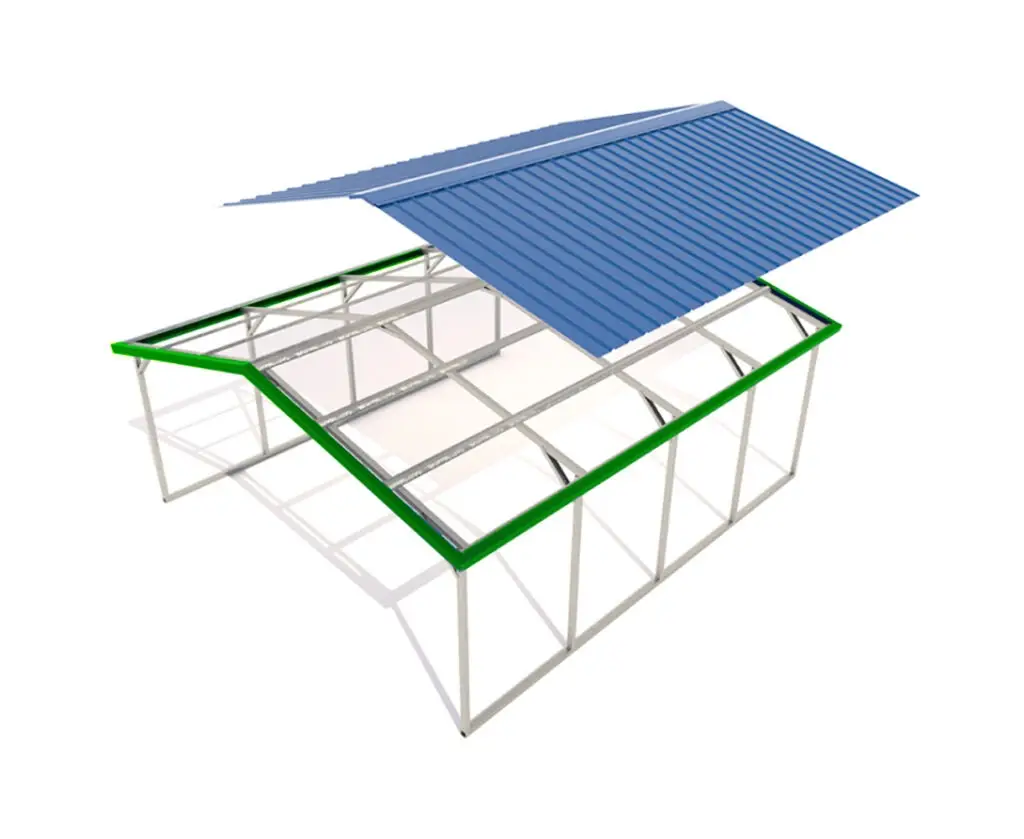
- Vertical Roof – Panels installed vertically from ridge to eave, superior strength and weather protection
Vertical roof systems excel in areas experiencing heavy rain or snow. The vertical panel orientation allows precipitation to slide off efficiently rather than pooling, extending roof life and reducing maintenance concerns. This configuration also provides the highest weight-bearing capacity, essential for regions with substantial snowfall.
Design Customization and Features
Customization transforms a basic garage into a perfectly tailored solution. Strategic feature selection enhances functionality while maintaining budget consciousness.
Door Configurations and Access Points
Entry points require careful consideration based on how you'll use your garage. Roll-up doors provide maximum opening width for vehicle access but require overhead clearance. Walk-through doors add convenience for quick access without opening the main garage door. When planning special considerations for garage construction, door placement affects both interior layout and exterior aesthetics.
Consider these door-related factors:
- Number and size of vehicles requiring access
- Frequency of entry and exit throughout the day
- Need for separate pedestrian access
- Window integration for natural lighting
- Insulation requirements for climate control
Interior Organization Systems
Efficient storage maximizes your garage's utility. Built-in shelving, pegboard walls, and overhead storage racks keep floors clear while organizing tools and equipment accessibly. Plan for electrical outlets positioned where you'll need them for power tools, charging stations, or workshop equipment.
Lighting design often gets overlooked during planning but profoundly impacts usability. Natural light through windows or translucent panels reduces daytime electricity costs, while strategically placed LED fixtures eliminate shadows in work areas.
For those storing materials or organizing supplies, having a reliable source for storage solutions becomes important. Companies like Pallet Company Pro, which specializes in buying and selling wooden and plastic pallets, can provide cost-effective options for creating custom storage systems within your garage space.
Budgeting and Cost Management
Financial planning determines project feasibility and prevents mid-construction surprises. To successfully create your own garage within budget constraints, develop comprehensive cost estimates covering all project phases.
Breaking Down Construction Costs
| Cost Category | Percentage of Total | Key Variables |
|---|---|---|
| Foundation | 15-25% | Soil conditions, size, preparation |
| Structure/Materials | 40-50% | Material type, dimensions, features |
| Labor/Installation | 20-30% | DIY vs. professional, complexity |
| Permits/Fees | 5-10% | Local requirements, inspections |
| Finishing/Extras | 10-15% | Doors, windows, electrical, insulation |
Metal garage structures often include delivery and installation in the base price, simplifying budgeting and eliminating surprises from separate contractor fees. This transparent pricing model helps property owners understand total project costs upfront.
Value Engineering Strategies
Smart cost management doesn't mean compromising quality. Prioritize features delivering the greatest functionality while deferring nice-to-have additions to future phases. Starting with a solid basic structure allows additions like upgraded doors, window installations, or interior finishing as budget permits.
Cost-Saving Approaches:
- Choose standard dimensions rather than custom sizes when possible
- Select proven designs reducing engineering complexity
- Plan electrical and plumbing during initial construction to avoid retrofitting costs
- Consider phased construction for large projects
- Compare total ownership costs including maintenance, not just initial price
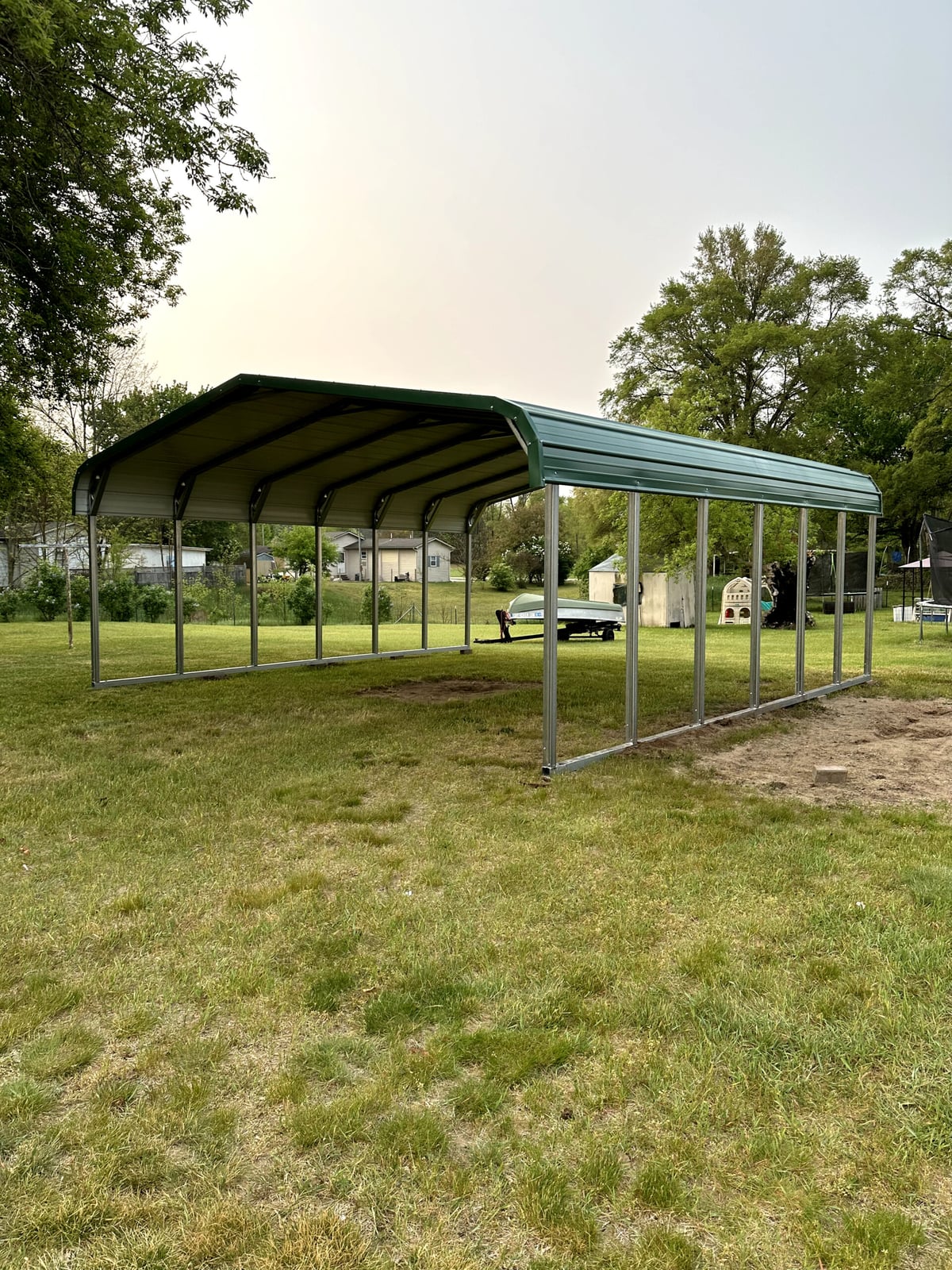
Metal Carport Combo Units offer an excellent example of value engineering, combining covered parking with enclosed storage in a single structure that costs less than building separate buildings. Metal Carport options provide flexibility in sizing and features, allowing you to select exactly what you need without paying for unnecessary extras.
Permitting and Legal Compliance
Regulatory compliance protects your investment and prevents legal complications. Every jurisdiction maintains specific requirements for outbuilding construction.
Navigating Building Codes
Contact your local building department early in the planning process to understand applicable codes and permit requirements. Most areas regulate:
- Setback distances from property boundaries
- Maximum structure height limitations
- Foundation specifications and frost depth requirements
- Electrical system standards and inspection protocols
- Accessibility requirements for certain building types
Understanding design tips and construction considerations specific to your region helps avoid compliance issues. Some areas impose restrictions on building materials, colors, or architectural styles to maintain neighborhood aesthetics.
Working with Homeowner Associations
Properties governed by homeowner associations face additional approval layers beyond municipal permits. Review your association's covenants and architectural guidelines before finalizing plans. Submit detailed drawings showing dimensions, materials, colors, and placement for review committee approval. This process can take several weeks, so factor it into your project timeline when you create your own garage.
Installation Timeline and Process
Understanding the construction sequence helps set realistic expectations and coordinate various project phases effectively.
Step-by-Step Construction Flow
1. Site Preparation and Foundation Work
Clear vegetation, level ground, and prepare the foundation according to your selected type. Concrete slabs require forms, rebar installation, and proper curing time before construction proceeds.
2. Frame Assembly and Installation
Metal building kits arrive with pre-cut, pre-drilled components that bolt together systematically. Professional installers typically complete frame assembly in 1-3 days depending on size and complexity.
3. Roof and Panel Installation
Roof panels attach to the frame structure, followed by wall panels. Proper installation ensures weather-tight seals and structural integrity. Vertical RV roof installations provide superior weather protection through enhanced panel orientation.
4. Door and Trim Installation
Garage doors, walk-through entries, and trim pieces complete the exterior. Quality installation at this stage prevents air leaks and ensures smooth door operation.
5. Interior Finishing
Electrical work, insulation, wall coverings, and flooring transform the structure into a fully functional space. This phase varies significantly based on intended use.
DIY Considerations vs. Professional Installation
The decision to tackle installation yourself or hire professionals depends on several factors. Building a garage yourself requires construction knowledge, appropriate tools, and available time. Metal building kits simplify DIY construction compared to traditional stick-built methods, but complex projects still benefit from professional expertise.
When to Consider Professional Installation:
- Large structures requiring specialized equipment
- Complex designs with multiple features
- Limited construction experience
- Tight timeline requirements
- Local codes requiring licensed contractors for certain work
Many metal structure suppliers include professional installation, eliminating the DIY decision entirely while ensuring proper construction that meets manufacturer warranties.
Maximizing Long-Term Value
Strategic choices during construction determine your garage's performance and value over decades of service.
Maintenance Planning
Even low-maintenance metal structures benefit from periodic care. Annual inspections should check:
- Fastener tightness and potential rust spots
- Panel condition and any damage from impacts
- Door operation and seal integrity
- Foundation stability and drainage effectiveness
- Interior moisture issues or condensation problems
Addressing minor issues promptly prevents expensive repairs later. Metal structures resist many common problems plaguing traditional garages, but proactive maintenance extends service life indefinitely.
Future Expansion Capabilities
When you create your own garage, consider potential future needs during initial planning. Oversizing the foundation slightly or including provisions for additional doors simplifies later expansions. Electrical service panels with extra capacity accommodate future circuit additions without costly panel upgrades.
Some property owners build in phases, starting with a basic structure and adding features as budgets allow. This approach requires initial planning to ensure additions integrate seamlessly rather than appearing as obvious afterthoughts.
Climate-Specific Considerations
Regional weather patterns influence design decisions significantly. Garage construction requirements vary dramatically between climates.
Cold Weather Regions
Areas experiencing freezing temperatures need foundations extending below frost lines to prevent heaving. Insulation becomes critical for maintaining usable interior temperatures and preventing condensation issues. Heating systems add comfort for workshop use during winter months.
Snow load ratings must match or exceed local building code requirements. Vertical roof designs shed snow efficiently, preventing dangerous accumulations that stress structural components.
Hot Climate Adaptations
Extreme heat demands different considerations. Adequate ventilation prevents interior temperatures from becoming unbearable. Ridge vents, gable vents, or powered exhaust fans maintain air circulation. Reflective roof coatings reduce solar heat gain, keeping interiors cooler.
High Wind and Storm Protection
Coastal regions and tornado-prone areas require enhanced anchoring systems and engineered wind ratings. Metal structures engineered for high wind zones include reinforced frames and certified anchoring systems. Verify that your garage design meets or exceeds local wind load requirements.
Smart Feature Integration
Modern garages can incorporate technology and convenience features that enhance daily use.
Electrical Systems and Lighting
Comprehensive electrical planning during construction costs far less than retrofitting later. Consider placement for:
- Overhead lighting with multiple zones
- Dedicated circuits for power tools and equipment
- Electric vehicle charging stations
- Security lighting and motion sensors
- Network connectivity for smart home integration
LED lighting provides excellent illumination while minimizing electricity consumption. Task lighting over workbenches supplements general ambient lighting for detailed work.
Security Enhancements
Protecting valuable vehicles and equipment justifies security investments. Modern garage door openers include rolling code technology preventing unauthorized access. Security cameras, alarm systems, and smart locks add protection layers while enabling remote monitoring from smartphones.
Motion-activated lighting deters potential intruders while providing convenience when arriving after dark. Simple timer systems can create the appearance of occupancy when you're away from the property.
Creating your own garage delivers significant value through enhanced storage, vehicle protection, and expanded functional space tailored precisely to your needs. Whether you need simple covered parking or a fully equipped workshop, careful planning and smart material selection ensure your investment serves you well for decades. Metal Structure Sales LLC specializes in helping property owners create custom garage solutions with durable metal construction, professional installation, and flexible designs that match any requirement or budget. Their expert team guides you through every decision, from initial sizing to final customization, ensuring your garage project exceeds expectations.