

Protecting your recreational vehicle from harsh weather conditions and environmental damage represents one of the most important investments you can make as an RV owner. A motorhome carport provides dedicated shelter that extends the lifespan of your vehicle while maintaining its appearance and functionality. With motorhomes ranging from compact Class B vans to massive Class A coaches exceeding forty feet in length, selecting the right protective structure requires careful consideration of dimensions, materials, and local regulations. Understanding these factors ensures you create a long-lasting solution that meets both practical needs and budget requirements.
Understanding Motorhome Carport Requirements
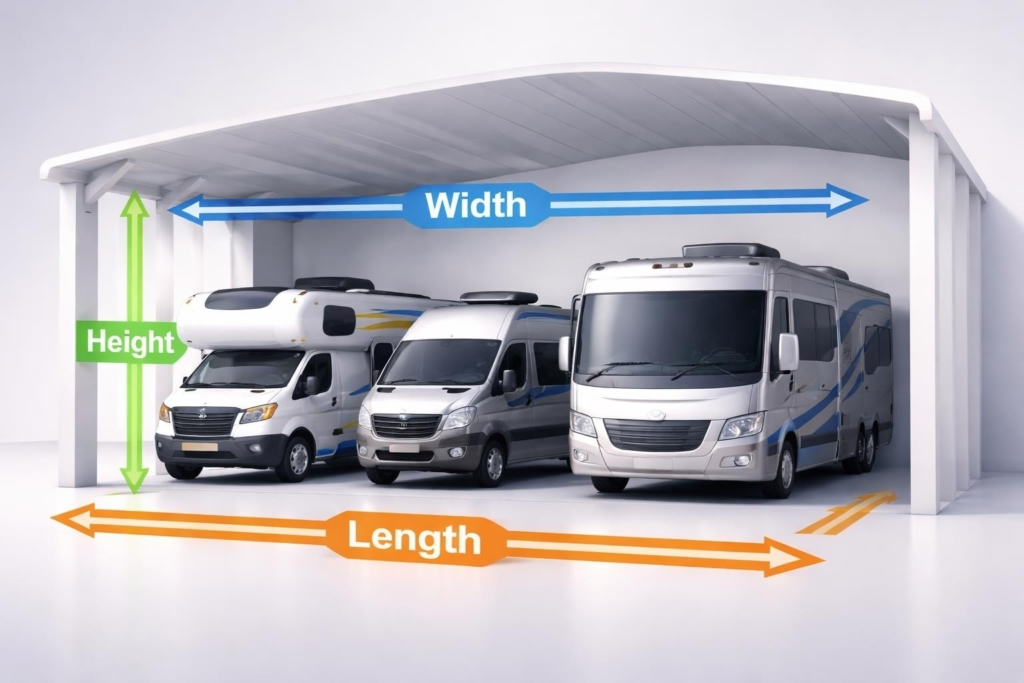
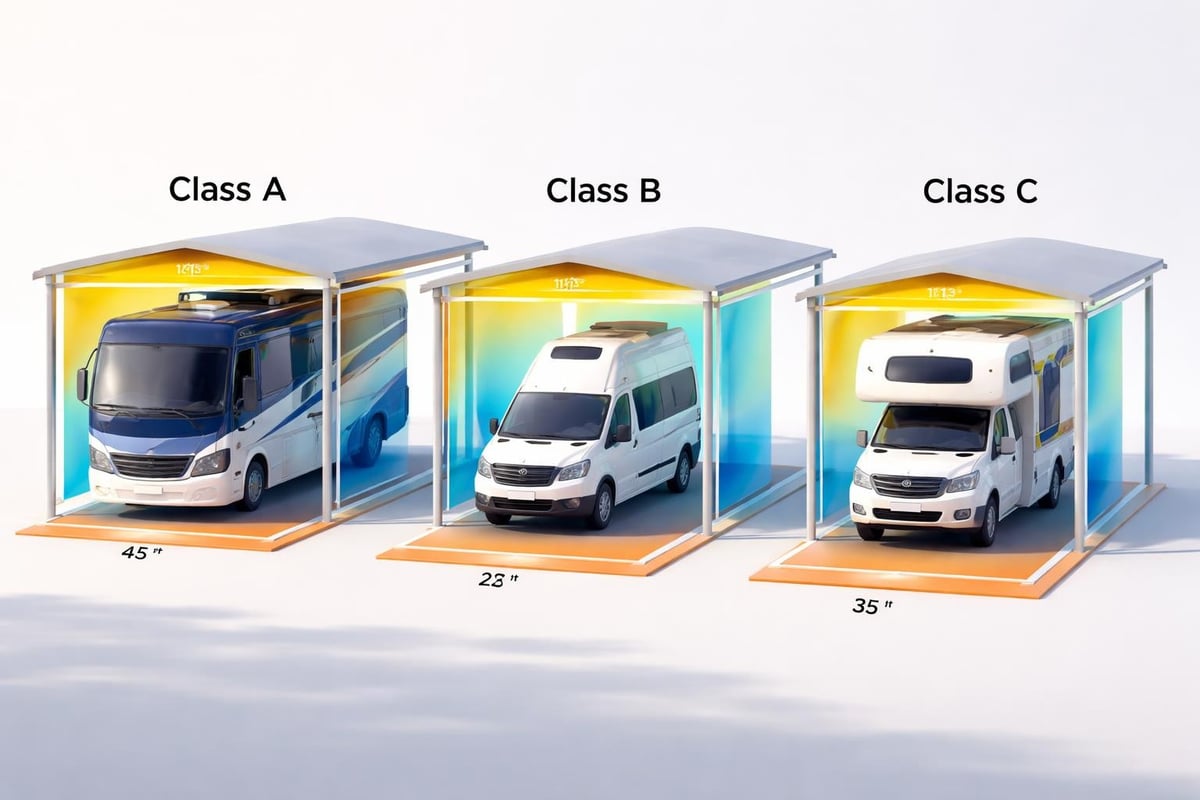
The foundation of any successful motorhome carport project begins with accurate measurements and clear understanding of your specific vehicle dimensions. Class A motorhomes typically measure between 26 and 45 feet in length, with heights ranging from 10 to 13 feet and widths approaching 8.5 feet. Class B motorhomes offer more compact dimensions at 17 to 23 feet long, while Class C models fall somewhere in the middle at 20 to 33 feet.
Beyond the basic footprint of your vehicle, proper clearance calculations make the difference between a functional shelter and an inadequate structure. Industry professionals recommend adding at least two feet to your motorhome's height measurement to account for roof-mounted accessories like air conditioning units, satellite dishes, and solar panels.
Critical Dimension Calculations
When planning your motorhome carport, consider these essential measurement factors:
- Additional width allowance: Add 2-4 feet beyond vehicle width for door clearance and maintenance access
- Length extensions: Include 3-5 feet extra for easier maneuvering and potential storage
- Height considerations: Account for antenna extension and future roof modifications
- Side clearance: Plan for comfortable walking space around the vehicle
The width calculation deserves particular attention since many motorhome owners underestimate their needs. A standard 12-foot wide carport might seem adequate for an 8-foot wide motorhome, but this leaves minimal space for opening doors or accessing storage compartments. Most experienced RV owners recommend minimum 14-foot widths for comfortable access and maintenance activities.
Material Selection and Structural Considerations
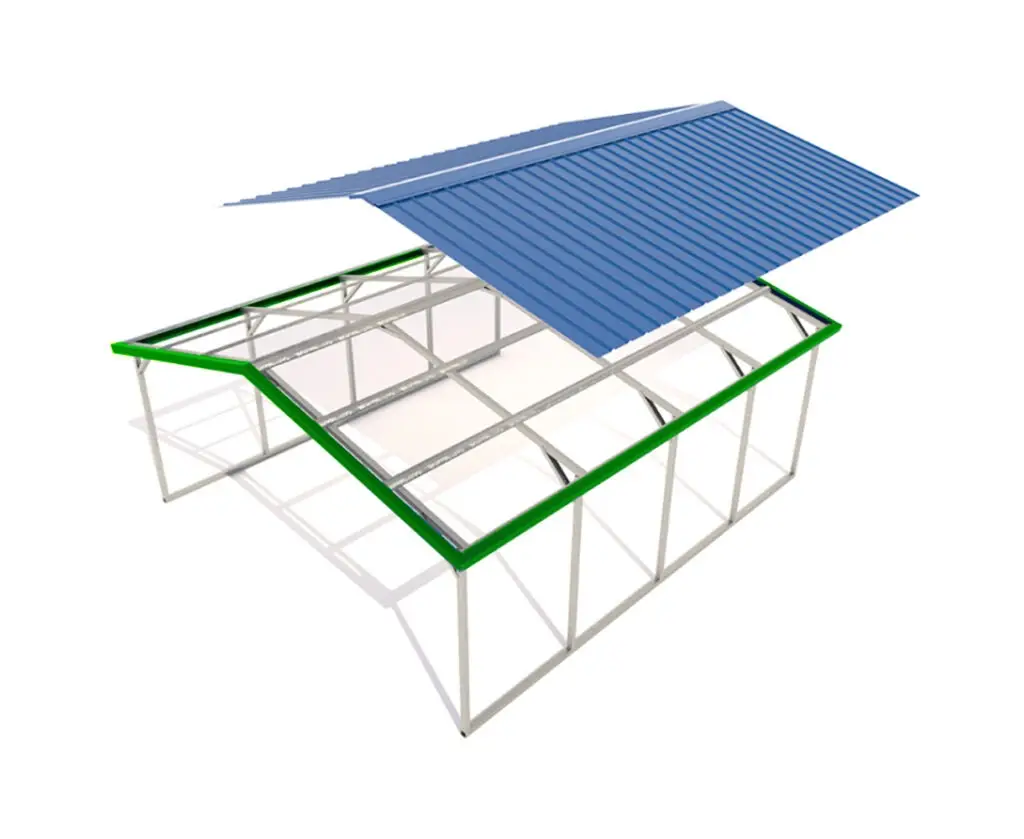
Metal construction has emerged as the preferred choice for motorhome carport structures in 2026, offering superior durability compared to wood or fabric alternatives. Galvanized steel frames resist rust and corrosion while maintaining structural integrity through decades of use. The gauge thickness of steel components directly impacts the structure's ability to withstand wind loads and snow accumulation.
Standard metal carport frames utilize 14-gauge steel tubing for vertical posts and horizontal supports. However, regions experiencing severe weather conditions benefit from upgraded 12-gauge steel construction, which provides enhanced strength against extreme loads. The roof panels themselves typically consist of 29-gauge or 26-gauge sheet metal, with the heavier 26-gauge option offering superior impact resistance and longevity.
Roof Style Options
| Roof Type | Characteristics | Best For |
|---|---|---|
| Regular Roof | Horizontal panels, rounded corners | Budget-conscious projects, light weather conditions |
| A-Frame (Boxed Eave) | Horizontal panels, boxed corners | Moderate weather, improved water drainage |
| Vertical Roof | Vertical panel orientation | Heavy snow/rain areas, maximum longevity |
The vertical roof style represents the premium option for motorhome carport construction. Its design allows rain, snow, and debris to slide off efficiently rather than accumulating on horizontal surfaces. This configuration reduces maintenance requirements and extends the structure's service life significantly.
Material choices extend beyond just the frame and roof panels. Certified anchoring systems secure the carport to either concrete foundations or ground-mounted auger anchors, depending on local soil conditions and building codes. Metal carports from reputable manufacturers include engineered anchor systems designed specifically for local wind and weather patterns.
Regulatory Compliance and Permitting
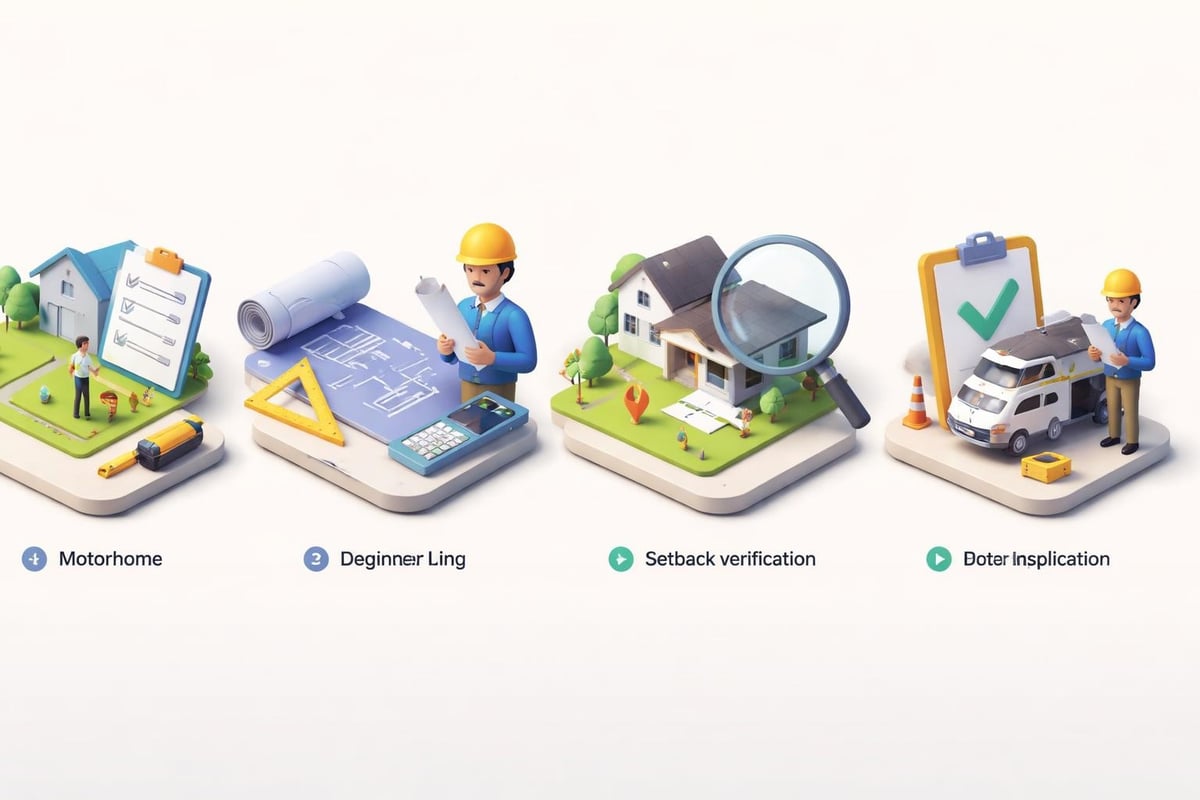
Navigating local building codes and permit requirements constitutes a crucial step in any motorhome carport installation. Most municipalities classify carports as accessory structures, subjecting them to specific zoning regulations regarding setback distances, maximum heights, and lot coverage percentages. Failure to obtain proper permits can result in fines, mandatory removal, or complications during property sales.
Maricopa County’s Planning and Development Department provides building standards that illustrate typical regulatory frameworks governing carport construction. These standards address critical factors including minimum setback distances from property lines, maximum structure heights, and foundation requirements. Similar regulations exist across different jurisdictions, though specific measurements and requirements vary.
Common Permit Requirements
Property owners pursuing motorhome carport construction typically encounter these regulatory considerations:
- Setback compliance: Minimum distances from property boundaries (often 5-10 feet)
- Height restrictions: Maximum structure height limitations (commonly 12-16 feet)
- Engineering certification: Stamped drawings from licensed engineers for wind and snow loads
- Foundation specifications: Approved anchoring methods based on soil conditions
- Fire separation: Distances from dwelling structures and combustible materials
The City of Cedar Park’s ordinance demonstrates how municipalities regulate carport placement and design characteristics. These local standards often require specific roof pitches, approved materials, and aesthetic considerations to maintain neighborhood character. Understanding legal requirements and best practices helps avoid costly mistakes and project delays.
Some jurisdictions distinguish between attached and freestanding carport structures, applying different rules to each configuration. Attached carports connecting to existing buildings may require additional fire-rated materials or separation barriers. Homeowners' associations often impose supplementary restrictions beyond municipal codes, mandating specific colors, styles, or screening requirements.
Customization Options for Enhanced Functionality
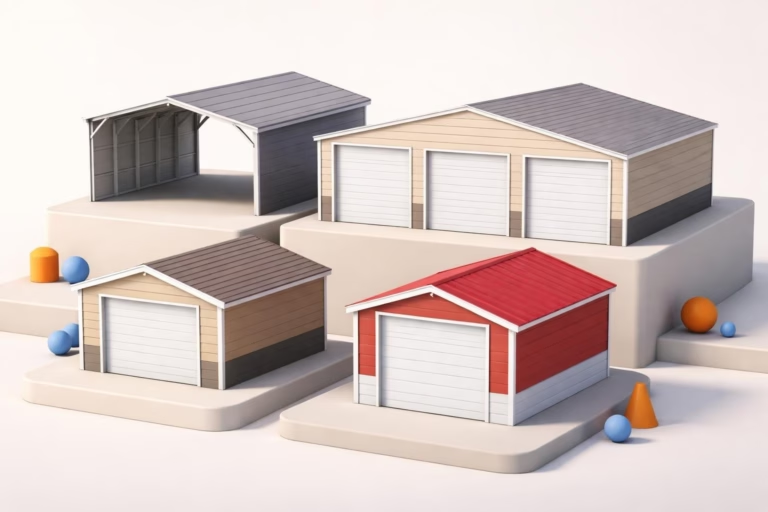
Modern motorhome carport designs extend far beyond basic shelter functionality, incorporating numerous customization features that enhance usability and protect your investment. Enclosed sides transform an open carport into a semi-enclosed structure, blocking wind-driven rain and providing additional security. Gable ends add architectural interest while improving structural rigidity and weather protection at the carport's front and rear openings.
Color selection allows property owners to coordinate their motorhome carport with existing structures or personal preferences. Most manufacturers offer extensive color palettes including earth tones, vibrant hues, and classic neutrals. Two-tone color schemes combining different colors for roof panels, trim, and structural components create distinctive appearances that complement surrounding architecture.
Practical additions significantly improve the motorhome carport's functionality:
- LED lighting systems: Integrated electrical packages with motion sensors
- Storage compartments: Built-in cabinets and shelving along sidewalls
- Workbench areas: Dedicated maintenance spaces with power outlets
- Equipment racks: Mounted storage for hoses, leveling blocks, and accessories
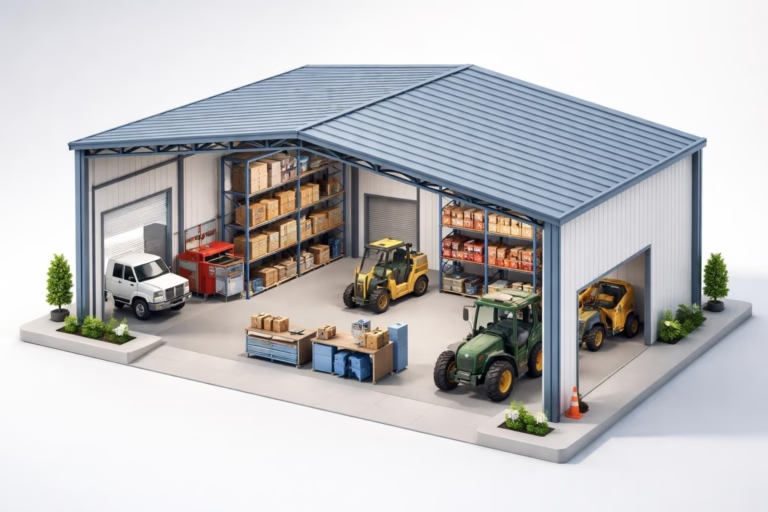
For property owners seeking comprehensive solutions, metal carport combo units combine open carport space with fully enclosed storage areas. These hybrid structures provide covered parking for your motorhome alongside secure storage for tools, seasonal equipment, and outdoor gear. This configuration maximizes property utilization while maintaining organized, accessible storage.
Advanced Protection Features
Extending your motorhome carport's protective capabilities requires consideration of additional features that address specific environmental concerns. Closed sides facing prevailing winds minimize moisture infiltration during storms. Extended roof overhangs provide extra protection for motorhome entry doors and storage compartments. Some owners incorporate concrete or gravel flooring systems that facilitate drainage while preventing mud accumulation beneath the vehicle.
Climate control options represent another frontier in motorhome carport customization. Insulated roof panels moderate temperature extremes, protecting sensitive vehicle systems from excessive heat or cold. Ventilation systems with ridge vents and soffit openings promote air circulation, reducing condensation and mildew formation inside stored vehicles.
Size Categories and Pricing Considerations
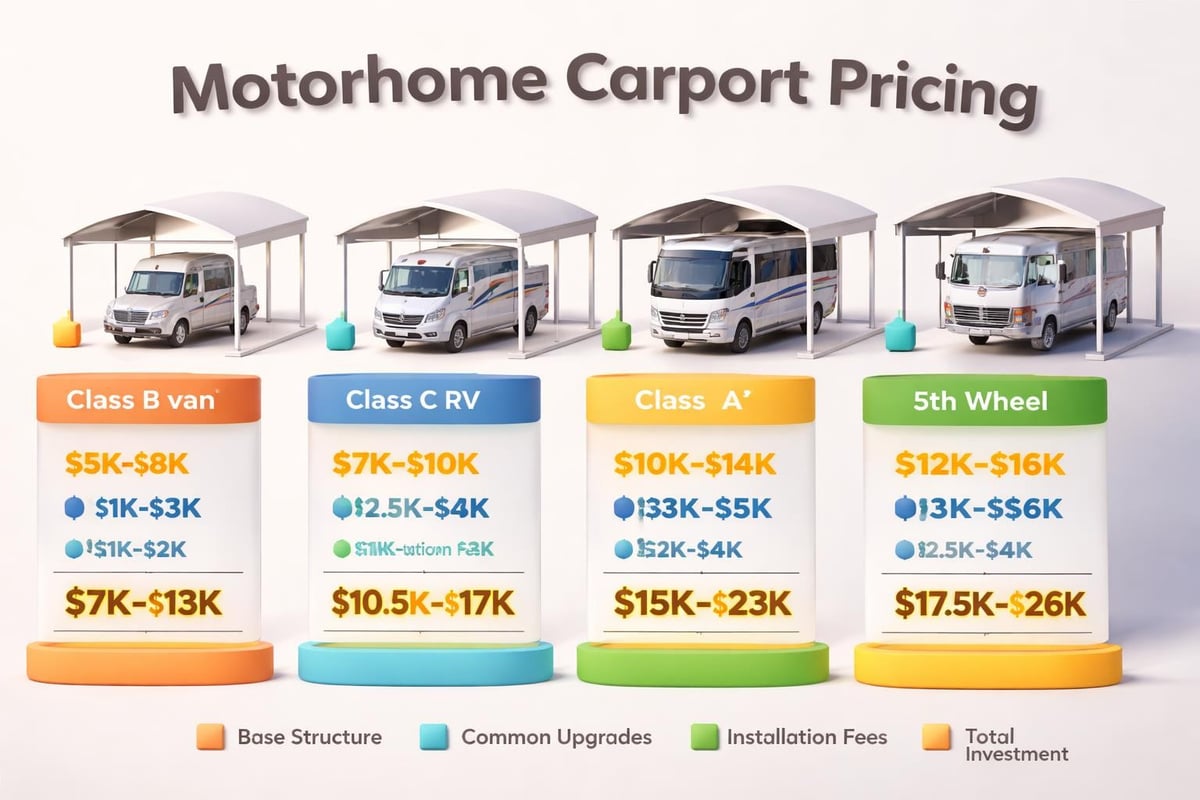
Motorhome carport costs vary substantially based on dimensions, materials, customization features, and regional factors. Entry-level structures measuring 12 feet wide by 30 feet long with regular roof styles typically start around $2,000 to $3,500 installed. Mid-range options incorporating 14-16 foot widths, A-frame roof construction, and 35-40 foot lengths generally range from $4,000 to $7,000. Premium vertical roof carports exceeding 18 feet wide and 45 feet long with enclosed sides often cost $8,000 to $15,000 or more.
Geographic location significantly influences final pricing due to transportation costs, local labor rates, and regional building code requirements. Properties in areas with extreme weather conditions necessitate heavier-gauge steel and enhanced anchoring systems, adding to base costs. Understanding factors that affect pricing helps property owners budget appropriately and avoid unexpected expenses.
| Size Range | Typical Motorhome | Price Range | Recommended Features |
|---|---|---|---|
| 12'W x 30'L | Class B, small Class C | $2,000-$4,000 | Regular or A-frame roof |
| 14'W x 35'L | Medium Class C | $4,000-$6,500 | A-frame or vertical roof |
| 16'W x 40'L | Large Class C, small Class A | $6,000-$9,000 | Vertical roof, partial enclosure |
| 18'W x 45'L | Large Class A | $8,500-$15,000+ | Vertical roof, full customization |
Installation timing affects overall project costs, with manufacturers often offering seasonal promotions during slower periods. Bulk purchasing or ordering multiple structures simultaneously may qualify for volume discounts. Some suppliers include delivery and installation in quoted prices, while others charge separately for these services.
Understanding carport installation costs beyond just the structure itself ensures comprehensive budget planning. Site preparation requirements like grading, concrete pouring, or utility relocation add significant expenses. Properties with challenging access, steep slopes, or poor soil conditions face higher installation costs due to additional labor and materials needed.
Long-Term Maintenance and Care
Proper maintenance extends your motorhome carport's service life while preserving its protective capabilities and appearance. Metal structures require minimal upkeep compared to wood alternatives, but regular attention prevents small issues from developing into costly repairs. Annual inspections identify loose fasteners, damaged panels, or compromised anchoring systems before they threaten structural integrity.
Cleaning protocols for metal carports involve simple procedures that most property owners complete themselves. Washing roof panels and structural components with mild soap and water removes accumulated dirt, pollen, and environmental contaminants. Avoid abrasive cleaners or high-pressure washing that might damage protective coatings or force water into sealed connections.
Essential Maintenance Tasks
Implement these maintenance activities to maximize your motorhome carport's longevity:
- Quarterly inspections: Check anchor bolts, structural connections, and panel fasteners
- Annual cleaning: Wash all surfaces to remove corrosive elements
- Gutter maintenance: Clear debris from drainage systems if equipped
- Touch-up painting: Address scratches or coating damage promptly
- Snow removal: Clear excessive accumulation during heavy winter weather
Seasonal maintenance requirements vary by climate and local conditions. Properties in coastal areas face accelerated corrosion from salt exposure, necessitating more frequent cleaning and protective treatments. Regions experiencing heavy snowfall require monitoring of roof loads and timely snow removal to prevent structural stress. Tips for maintaining metal carports apply across different geographic locations with minor adaptations for local conditions.
Addressing minor damage immediately prevents escalation into major problems. Small dents or scratches receive touch-up paint to seal exposed metal from moisture. Loose bolts get tightened during routine inspections. Damaged panels warrant prompt replacement to maintain weather protection and structural integrity. Most metal carport manufacturers stock replacement components that match original specifications.
Design Integration with Property Aesthetics
Successfully integrating a motorhome carport into your property's existing visual character requires thoughtful design decisions beyond purely functional considerations. Color coordination with your home's exterior creates cohesive appearance rather than jarring contrast. Architectural details like trim packages, decorative gables, and coordinated roof styles help blend the structure with surrounding buildings.
Landscaping strategies soften the visual impact of large metal structures while enhancing overall property appeal. Strategic plantings of trees, shrubs, or climbing vines create natural screens without compromising air circulation. Defined pathways connecting the carport to your home improve accessibility while adding landscape interest. Decorative gravel, pavers, or stamped concrete flooring elevates the carport area from purely utilitarian to aesthetically pleasing.
Property layout optimization positions your motorhome carport for maximum convenience while respecting setback requirements and sight lines. Placement near property entrances facilitates easier maneuvering for large vehicles. Orientation relative to prevailing winds minimizes weather exposure. Positioning away from bedroom windows reduces noise disturbance from vehicle operation.
Some homeowners incorporate their motorhome carport into broader outdoor living spaces, creating multifunctional areas that serve various purposes. Extended roof coverage provides shaded gathering spaces for outdoor activities when the motorhome is away. Integrated lighting and electrical systems support workshop activities or recreational equipment storage. Custom steel buildings offer flexibility in design that accommodates these multipurpose applications.
Foundation and Anchoring Systems
The foundation supporting your motorhome carport determines its stability and resistance to environmental forces. Concrete slab foundations provide the most robust support, creating level surfaces that facilitate vehicle positioning while preventing ground moisture from affecting stored items. Four-inch thick concrete slabs with proper reinforcement handle the weight of heavy motorhomes while resisting cracking and settling.
Ground-mounted anchor systems offer economical alternatives to concrete slabs in appropriate soil conditions. Auger-style anchors penetrate deep into the earth, connecting to carport legs through steel cables or rods. Mobile home anchors provide similar functionality using different mechanical principles. Both systems require engineering calculations accounting for local wind speeds and soil characteristics.
Rebar anchors embedded in concrete footings at each leg position combine aspects of both approaches. This method provides excellent stability without requiring full slab coverage, reducing material costs while maintaining structural security. Utah guidelines for carport construction illustrate typical anchoring specifications required by regulatory authorities.
Soil Considerations
Different soil types necessitate specific anchoring approaches:
- Rocky soil: Requires concrete footings or specialized rock anchors
- Sandy soil: Benefits from wider footings or deeper auger penetration
- Clay soil: Needs frost-depth footings to prevent seasonal movement
- Mixed soil: May require engineering analysis for optimal anchor selection
Professional installers assess soil conditions before recommending appropriate foundation systems. Some properties require soil compaction or stabilization before installation proceeds. Poorly drained locations benefit from French drain systems or gravel beds that direct water away from the structure's base. Proper foundation preparation prevents settling, tilting, or structural stress that compromises the carport's integrity.
Multi-Vehicle and Expandable Configurations
Property owners with multiple recreational vehicles or future expansion plans benefit from considering larger or modular motorhome carport designs. Double-wide configurations measuring 24 to 30 feet across accommodate two vehicles side-by-side or provide generous clearance for a single large motorhome plus adjacent storage. Triple-wide structures extend coverage further, creating comprehensive vehicle storage facilities.
Modular construction approaches allow starting with basic coverage and adding sections as needs evolve. Initial installation might cover just the motorhome, with planned expansion incorporating additional bays for boats, trailers, or utility vehicles. This phased approach spreads costs over time while maintaining design cohesion across the entire structure.
Some manufacturers offer combination units featuring motorhome carport space alongside enclosed storage buildings. These integrated structures share common rooflines and structural systems while providing both open and enclosed areas. The enclosed sections accommodate temperature-sensitive items, tools, or seasonal equipment requiring protection from theft.
For property owners needing exceptional dimensions, specialized wide-span structures accommodate motorhomes with slide-outs extended or multiple vehicles parked perpendicular to typical orientations. These custom configurations require careful engineering but provide ultimate flexibility in vehicle storage and property organization.
Seasonal Use and Climate Protection
Motorhome carport benefits extend beyond simple rain and sun protection, addressing specific seasonal challenges that threaten vehicle condition and performance. Winter protection prevents snow accumulation on roof systems, reducing weight stress and ice dam formation. Enclosed or partially enclosed carports minimize exposure to freeze-thaw cycles that crack seals and damage exterior components.
Summer shade significantly reduces interior temperatures in stored motorhomes, protecting upholstery, electronics, and plastic components from heat degradation. UV-resistant roof coatings reflect solar radiation rather than absorbing it, moderating temperatures beneath the structure. This protection extends the lifespan of rubber roof membranes and prevents premature aging of exterior graphics and paint.
Regional climate considerations influence optimal motorhome carport specifications. Coastal properties benefit from enhanced corrosion resistance through upgraded coatings or aluminum construction. Desert locations require reinforced anchoring against high winds and dust storms. Mountain properties need certified snow load ratings exceeding standard specifications. Selecting the right dealer who understands regional requirements ensures your structure meets local environmental challenges.
Year-round protection maintains motorhome readiness for spontaneous trips rather than requiring extensive preparation after extended storage periods. Covered vehicles accumulate less dust and debris, reducing cleaning time before departure. Protected electrical systems and mechanical components experience fewer weather-related issues, improving reliability and reducing maintenance costs.
Investing in a quality motorhome carport protects your substantial RV investment while enhancing property functionality and value. By carefully considering dimensions, materials, local regulations, and customization options, you create a durable structure that serves your needs for decades. Metal Structure Sales LLC specializes in customizable metal carports designed specifically for motorhome protection, offering professional installation, quality materials, and comprehensive support throughout your project. Contact their team today to explore options that fit your specific requirements and budget.