


The foundation of any durable metal structure begins with understanding steel building steel and its critical role in construction quality. Whether you're planning a residential carport, commercial warehouse, or agricultural building, the type of steel used directly impacts structural integrity, longevity, and overall performance. Modern metal building construction relies on specific steel grades, manufacturing standards, and quality control measures that ensure your investment withstands decades of use. The selection process involves evaluating material properties, understanding industry standards, and matching steel specifications to your project's unique demands.
Understanding Steel Building Steel Fundamentals
Steel building steel represents the primary structural material used in pre-engineered metal buildings and custom fabricated structures. This category encompasses various steel types, each manufactured to meet specific performance criteria and building code requirements.
The composition of structural steel typically includes iron combined with carbon and other alloying elements. Carbon content generally ranges from 0.05% to 2%, with most construction-grade steel falling between 0.15% and 0.30%. These percentages significantly influence the material's strength, ductility, and weldability.
Key Properties That Define Quality
When evaluating steel building steel, several fundamental properties determine suitability for construction applications:
- Tensile strength: The maximum stress steel can withstand while being stretched
- Yield strength: The stress level at which steel begins permanent deformation
- Ductility: The ability to deform without fracturing under tensile stress
- Weldability: How easily steel can be joined through welding processes
- Corrosion resistance: The material's ability to resist oxidation and degradation
Understanding steel material properties helps builders and property owners make informed decisions about structural specifications. The balance between these characteristics determines how well a metal building performs under various environmental conditions and load requirements.
Common Steel Grades for Metal Buildings
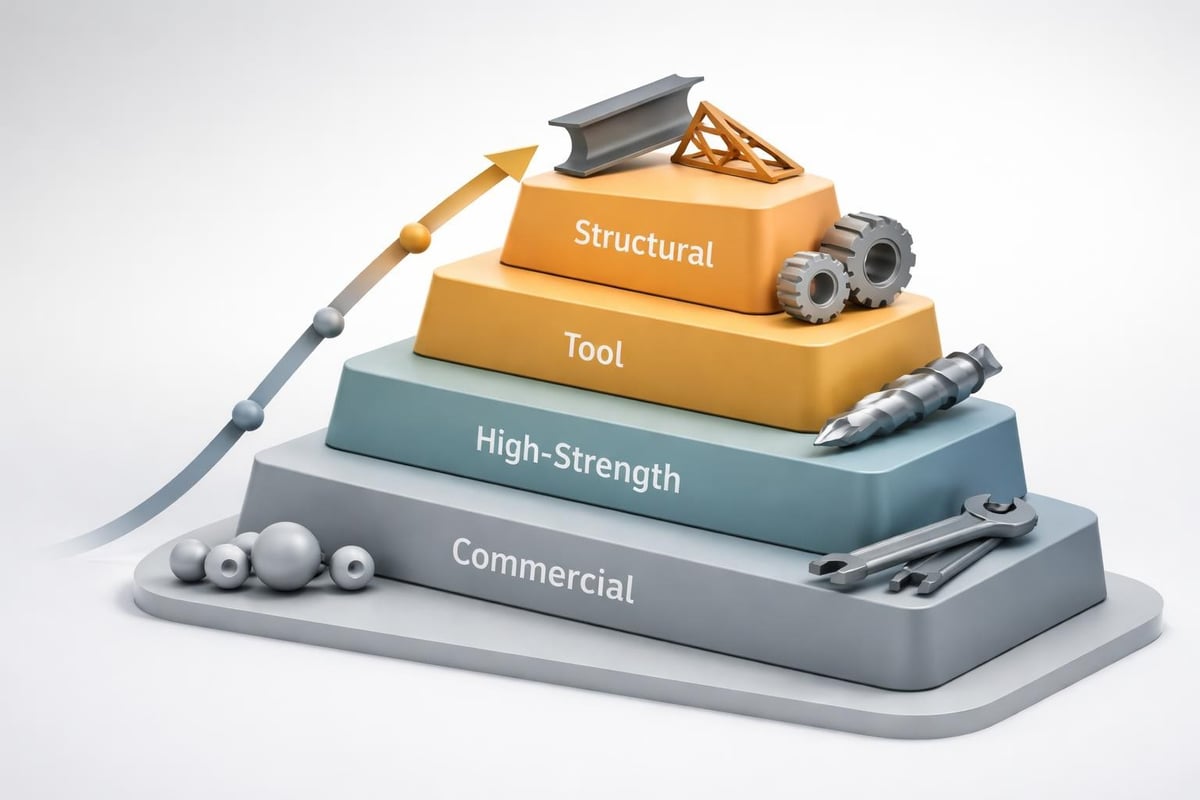
The steel industry uses standardized grading systems to classify materials based on chemical composition and mechanical properties. For metal building applications, specific grades have become industry standards due to their proven performance characteristics.
ASTM A36: The Industry Workhorse
ASTM A36 represents one of the most widely used structural steel grades in North America. This carbon steel grade offers a minimum yield strength of 36,000 psi and excellent weldability. Its versatility makes it suitable for beams, columns, and framing components in metal structures.
Property owners appreciate A36 steel for its cost-effectiveness and reliable performance in typical building applications. The material handles both tensile and compressive loads efficiently while maintaining dimensional stability over time.
High-Strength Steel Options
For applications requiring enhanced load-bearing capacity, high-strength steel grades provide superior performance:
| Steel Grade | Minimum Yield Strength | Primary Applications | Key Advantages |
|---|---|---|---|
| ASTM A572 Grade 50 | 50,000 psi | Columns, heavy beams | Higher strength-to-weight ratio |
| ASTM A588 | 50,000 psi | Exposed structures | Enhanced atmospheric corrosion resistance |
| ASTM A992 | 50,000 psi | Wide-flange beams | Optimized for seismic applications |
The grades and standards of steel for pre-engineered metal buildings provide detailed specifications for selecting appropriate materials. These standards ensure consistency across manufacturers and compliance with local building codes.
Steel Standards and Certifications
Steel building steel must conform to rigorous standards established by industry organizations. These standards create uniformity in manufacturing, testing, and quality assurance processes.
ASTM International Standards
The American Society for Testing and Materials establishes comprehensive steel standards that govern material specifications. ASTM standards define chemical composition limits, mechanical property requirements, and testing procedures for various steel products.
Manufacturers must certify their steel building steel meets applicable ASTM specifications before distribution. This certification process includes chemical analysis, tensile testing, and dimensional verification.
AISI Standards for Cold-Formed Steel
The American Iron and Steel Institute develops standards specifically for cold-formed steel framing members. These standards address the unique characteristics of lighter-gauge steel products used in metal building components such as purlins, girts, and wall panels.
Cold-formed steel standards specify minimum thickness requirements, coating weights for galvanized products, and performance criteria for structural elements. Understanding the differences between various standard systems helps ensure proper material selection for specific building components.

Gauge Thickness and Structural Performance
The thickness of steel building steel, measured in gauge numbers, directly correlates with structural strength and durability. Lower gauge numbers indicate thicker steel, while higher numbers represent thinner materials.
Standard Gauge Ranges
Metal building manufacturers typically offer steel in the following gauge ranges:
- 12-gauge: 0.1046 inches thick, premium structural applications
- 14-gauge: 0.0747 inches thick, standard structural framing
- 20-gauge: 0.0359 inches thick, roofing and siding panels
- 26-gauge: 0.0179 inches thick, economy panels and trim
Frame components generally use heavier gauges (12 or 14) to provide adequate load-bearing capacity. Panel materials may utilize lighter gauges while still delivering effective weather protection and reasonable durability.
Matching Gauge to Application
Selecting appropriate gauge thickness requires analyzing several factors:
- Wind load requirements based on geographic location
- Snow load calculations for roof systems
- Span distances between support members
- Expected service life and maintenance considerations
- Budget constraints balanced against performance needs
For property owners considering wide span metal structures, frame gauge becomes particularly critical. Larger clear-span designs require heavier gauge steel to maintain structural integrity without intermediate support columns.
Galvanization and Coating Systems
Raw steel building steel requires protective coatings to prevent corrosion and extend service life. Galvanization represents the most common protection method for metal building applications.
Hot-Dip Galvanizing Process
Hot-dip galvanizing involves immersing steel components in molten zinc, creating a metallurgical bond between the base metal and protective coating. This process produces a multi-layered coating system that provides both barrier protection and sacrificial corrosion protection.
The zinc coating thickness typically ranges from G60 to G90, with higher numbers indicating heavier coating weights. G90 galvanization (0.90 oz/ft² of zinc) represents the industry standard for exposed metal building components in most climates.
Alternative Coating Technologies
Beyond traditional galvanization, several coating systems enhance steel performance:
- Galvalume coating combining aluminum and zinc for superior corrosion resistance
- Powder coating applied over galvanized steel for color and additional protection
- Paint systems using advanced polymer technology for aesthetic and protective qualities
Coastal environments with salt exposure may benefit from Galvalume-coated steel building steel, which offers enhanced protection against atmospheric corrosion. The aluminum component in Galvalume provides a stable oxide layer that slows corrosion progression.
Strength-to-Weight Ratios in Design
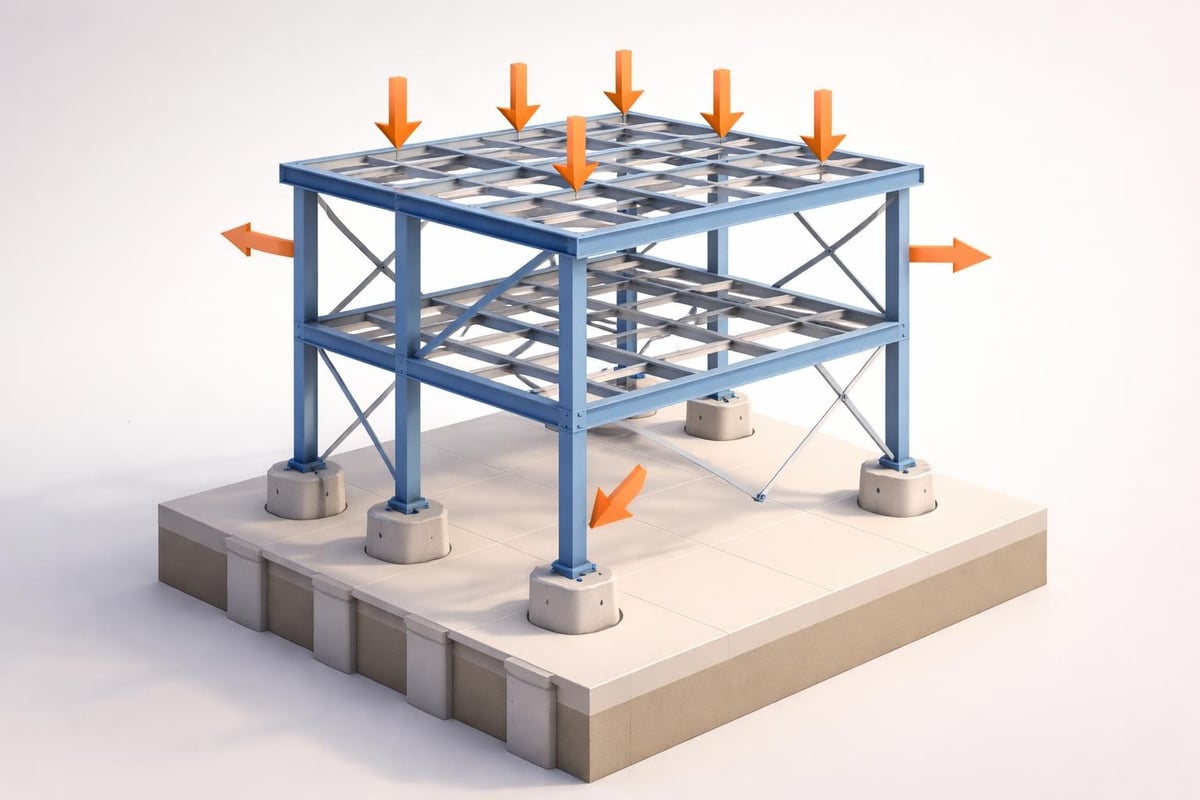
One defining advantage of steel building steel involves its exceptional strength-to-weight ratio compared to alternative construction materials. This characteristic enables efficient structural designs that minimize material usage while maximizing load capacity.
Engineers leverage steel's high tensile strength to create longer clear spans with fewer support members. This design efficiency translates to reduced material costs, faster installation times, and greater interior space flexibility.
Comparing Material Efficiency
| Material | Compressive Strength (psi) | Tensile Strength (psi) | Density (lb/ft³) | Strength-to-Weight Ratio |
|---|---|---|---|---|
| Structural Steel | 36,000-50,000 | 58,000-65,000 | 490 | Excellent |
| Concrete | 3,000-5,000 | 300-700 | 150 | Good (compression) |
| Wood | 5,000-7,500 | 10,000-15,000 | 35-45 | Moderate |
The data demonstrates why steel structures dominate commercial and industrial construction. Steel's combination of high strength and manageable weight creates economic advantages throughout the building lifecycle.
Manufacturing Processes and Quality Control
Modern steel building steel production involves sophisticated manufacturing processes that ensure consistent quality and precise dimensional tolerances. Understanding these processes helps property owners appreciate the engineering behind quality metal structures.
Primary Steel Production
Steel manufacturing begins with iron ore reduction in blast furnaces or electric arc furnaces using recycled scrap. The molten metal undergoes refinement to achieve target chemical compositions, with precise control of carbon and alloying element percentages.
Continuous casting processes transform molten steel into semi-finished shapes called billets, blooms, or slabs. These intermediate products then undergo rolling operations to create structural shapes, sheet products, or tubular members.
Secondary Fabrication
After primary rolling, steel building steel receives additional processing:
- Cold forming shapes lighter-gauge products into structural profiles
- Punching and drilling creates connection points for assembly
- Cutting operations size members to specified lengths
- Galvanizing or coating applies corrosion protection
- Quality inspection verifies dimensional accuracy and material properties
Reputable manufacturers maintain strict quality control throughout fabrication. Chemical analysis, mechanical testing, and dimensional verification ensure every component meets design specifications and applicable standards.
Customization Options for Specific Applications
Modern steel building steel availability allows extensive customization to match specific project requirements. Property owners can specify exact combinations of grade, gauge, coating, and fabrication details to optimize performance and value.
Frame System Choices
The primary structural frame may utilize different steel configurations:
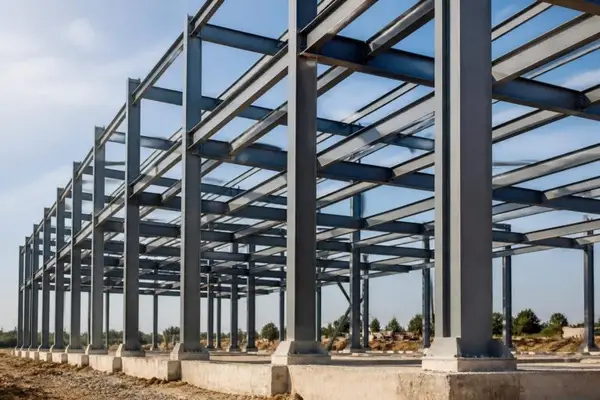
- Rigid frame systems with welded or bolted moment connections
- Post-and-beam designs using simple connections and bracing
- Truss systems for longer spans and cathedral ceiling aesthetics
- Hybrid combinations mixing multiple framing approaches
Each system offers distinct advantages regarding clear span capability, aesthetic appearance, and construction costs. Frame selection depends on building width, intended use, and architectural preferences.
Panel and Sheeting Variations
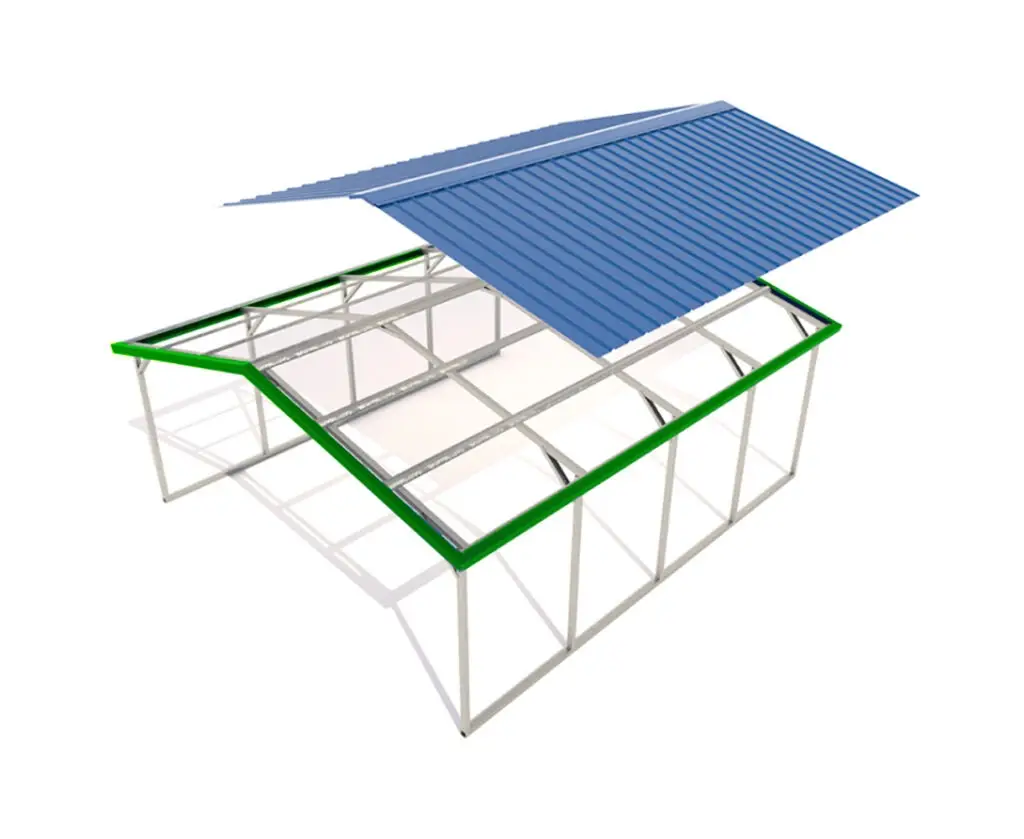
Beyond structural framing, steel building steel for panels and sheeting presents numerous options. For projects requiring both covered and enclosed spaces, Metal Carport Combo Units demonstrate how different steel components work together effectively. These innovative designs combine open carport areas with fully enclosed storage or workshop spaces, utilizing appropriate gauge steel for each functional zone.
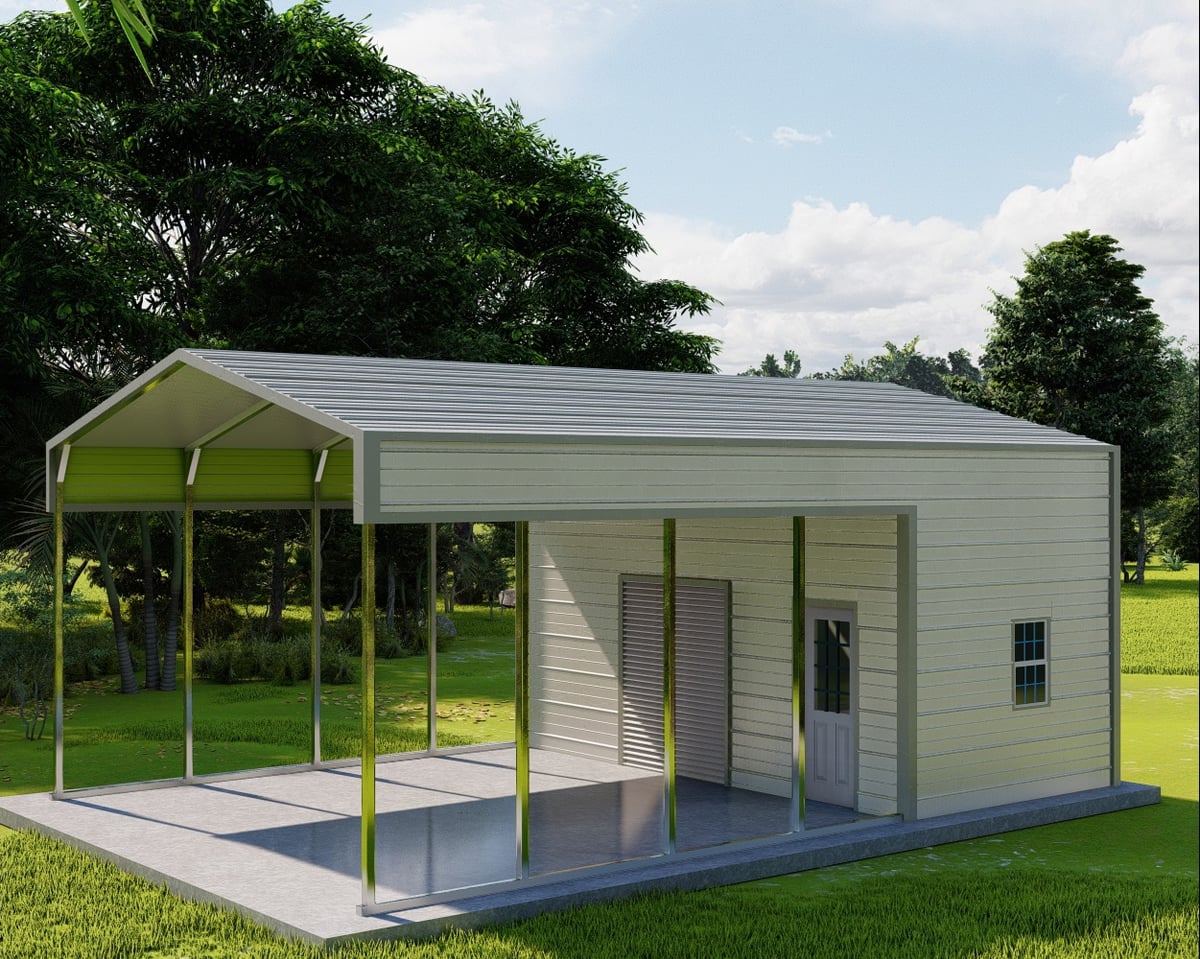
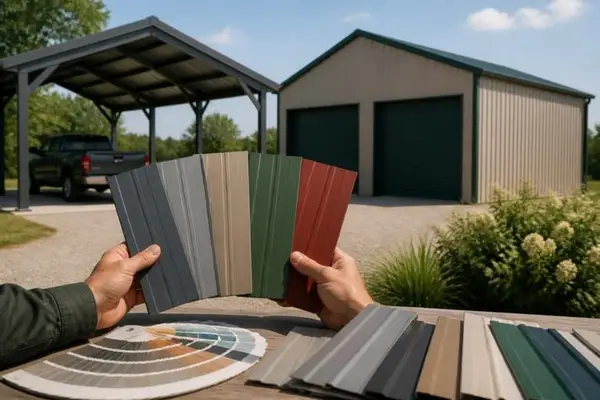
Panel profiles range from corrugated patterns offering economy to standing seam systems providing premium weather resistance and contemporary aesthetics. Color options through painted or powder-coated finishes allow buildings to complement existing structures or meet specific design requirements.
Environmental Considerations and Sustainability
Steel building steel offers significant environmental advantages that align with sustainable building practices. The material's recyclability, durability, and energy efficiency contribute to reduced environmental impact over the building lifecycle.
Recycling and Circular Economy
Steel ranks as the most recycled material globally, with recycling rates exceeding 85% for structural applications. Demolished metal buildings provide valuable scrap that reenters the manufacturing stream without quality degradation.
This circular economy model reduces mining requirements for raw materials and lowers energy consumption in steel production. Electric arc furnace technology, which uses primarily recycled content, requires significantly less energy than traditional blast furnace processes.
Longevity and Resource Efficiency
Properly maintained steel building steel structures regularly provide 50+ years of service life. This extended durability minimizes replacement cycles and the associated environmental costs of demolition, material production, and construction.
The material's strength allows efficient designs that use less steel volume compared to alternative materials achieving similar performance. This efficiency extends to foundation requirements, as lighter steel structures often need less extensive concrete work than heavier building systems.
Economic Factors in Steel Selection
While understanding technical specifications of steel building steel remains important, economic considerations ultimately drive material selection decisions. Balancing initial costs against long-term value requires analyzing multiple factors.
Initial Material Costs
Steel prices fluctuate based on commodity markets, manufacturing capacity, and global demand. Premium grades and heavier gauges command higher prices but deliver enhanced performance. Property owners must evaluate whether upgraded specifications provide sufficient value for their specific application.
Volume purchasing through established manufacturers often reduces per-unit costs. Standardized building designs utilizing common steel sizes and profiles typically cost less than fully custom structures requiring special-order materials.
Lifecycle Cost Analysis
Comprehensive economic evaluation extends beyond initial purchase price to include:
- Installation labor and equipment requirements
- Foundation costs related to structural loads
- Maintenance expenses over expected service life
- Energy performance affecting operational costs
- Insurance premiums potentially influenced by building materials
Steel's combination of fast installation, minimal maintenance, and superior durability often produces lower lifecycle costs despite potentially higher upfront material expenses compared to some alternatives.
Regional Considerations and Building Codes
Local climate conditions, seismic activity, and building code requirements significantly influence appropriate steel building steel specifications. What works effectively in one geographic region may prove inadequate or over-engineered for another location.
Wind and Snow Load Variations
Coastal areas subject to hurricane-force winds require enhanced connection details and potentially heavier gauge steel compared to inland locations with moderate weather. Similarly, northern climates with substantial snow accumulation need robust roof systems capable of handling increased loads.
Building codes specify minimum design loads based on historical weather data and safety factors. Understanding structural steel properties helps ensure selected materials meet or exceed these requirements.
Seismic Design Requirements
Earthquake-prone regions necessitate special consideration for steel building design. Ductile steel grades that can absorb seismic energy through controlled deformation prove essential for life safety in these applications. Connection details and bracing systems receive particular attention to ensure adequate performance during ground motion events.
Inspection and Maintenance Protocols
Even the highest-quality steel building steel requires proper inspection and maintenance to achieve maximum service life. Establishing routine protocols helps identify potential issues before they develop into significant problems.
Initial Installation Inspection
Upon delivery and installation, verify:
- Material certifications match specified grades and gauges
- Galvanization coating appears uniform without damage
- Connection points align properly with adequate fastener engagement
- Panel installation follows manufacturer specifications
- Flashing and trim components seal effectively against weather infiltration
Documentation of initial condition provides baseline reference for future inspections and warranty claims if issues emerge.
Ongoing Maintenance Requirements
Regular maintenance for steel structures includes:
- Annual visual inspection of panels, trim, and fasteners
- Cleaning to remove debris and prevent moisture accumulation
- Touch-up coating of scratches or damaged galvanization
- Fastener tightening as thermal cycling may cause loosening
- Gutter and drainage maintenance to prevent water pooling
These straightforward tasks extend steel building steel service life significantly. Most property owners can perform routine maintenance without specialized equipment or professional assistance.
Advanced Applications and Innovations
The steel building industry continues evolving with new alloys, manufacturing techniques, and design approaches. These innovations expand possibilities for steel building steel applications while improving performance and sustainability.
High-Strength Low-Alloy Steels
HSLA steels incorporate small amounts of elements like vanadium, niobium, or titanium to enhance strength without increasing carbon content. These advanced materials enable lighter structures with equivalent load capacity compared to conventional grades.
For applications requiring exceptional strength-to-weight ratios or extended clear spans, HSLA options provide engineering solutions previously unattainable. The materials maintain excellent weldability and formability despite enhanced mechanical properties.
Weathering Steel Developments
Atmospheric corrosion-resistant steels develop protective oxide layers that eliminate the need for painting or galvanization in many applications. Originally developed for bridge construction, these materials now appear in architectural metal building applications where the characteristic rust-colored patina aligns with design aesthetics.
Weathering steel performance depends heavily on environmental conditions, making it suitable primarily for areas with moderate industrial or rural atmospheres rather than coastal or highly corrosive environments.
Integration with Building Systems
Steel building steel doesn't exist in isolation but integrates with numerous other building components and systems. Understanding these relationships ensures cohesive overall performance.
Insulation Compatibility
Metal buildings require proper insulation systems to control heat transfer and prevent condensation. The steel frame must accommodate insulation installation without creating thermal bridges that compromise energy efficiency.
Common insulation approaches include:
- Fiberglass blanket systems with vapor barriers
- Rigid foam board insulation between framing members
- Spray foam application providing both insulation and air sealing
- Reflective foil systems reducing radiant heat transfer
Proper insulation design considers the steel frame's thermal conductivity and incorporates appropriate vapor control strategies to prevent moisture-related issues.
Electrical and Mechanical Integration
Steel framing provides natural grounding paths for electrical systems while requiring careful planning to avoid creating short circuits or electromagnetic interference. Conduit routing, junction box placement, and equipment mounting all require coordination with the structural steel layout.
HVAC systems, plumbing, and other mechanical components must integrate without compromising structural integrity. Penetrations through steel members require engineering review to ensure adequate remaining capacity for intended loads.
Selecting appropriate steel building steel involves balancing technical specifications, economic factors, and project-specific requirements to achieve optimal long-term value. Understanding steel grades, standards, coating systems, and performance characteristics empowers property owners to make informed decisions about their metal structure investments. Metal Structure Sales LLC provides expert guidance throughout the selection process, offering high-quality steel buildings with customizable options, professional installation, and comprehensive support to ensure your project meets both immediate needs and decades of future service.