

Building a protective structure for your vehicle doesn't have to be an overwhelming task. Whether you're looking to shield your car from harsh weather elements or create additional covered workspace, learning how to make a carport can be a rewarding project that adds value to your property. This comprehensive guide walks you through every essential step, from initial planning and permit considerations to selecting materials and construction techniques. By understanding the fundamentals and following proper procedures, you can create a durable carport that serves your needs for years to come.
Planning Your Carport Project
Before you make a carport, proper planning establishes the foundation for success. Start by evaluating your property and determining the ideal location. Consider factors like drainage patterns, proximity to your home, existing utility lines, and access to driveways or roads.
Determining Size and Dimensions
The size of your carport depends on several factors:
- Number of vehicles you plan to protect
- Vehicle dimensions including height for trucks or RVs
- Additional storage needs for lawn equipment or outdoor gear
- Future requirements if you anticipate purchasing larger vehicles
- Property constraints including setback requirements and available space
Standard single-car carports typically measure 12 feet by 20 feet, while double-car versions often require at least 20 feet by 20 feet. Height considerations are equally important, especially if you own taller vehicles or want to maximize storage capacity above vehicles.
Understanding Permit Requirements
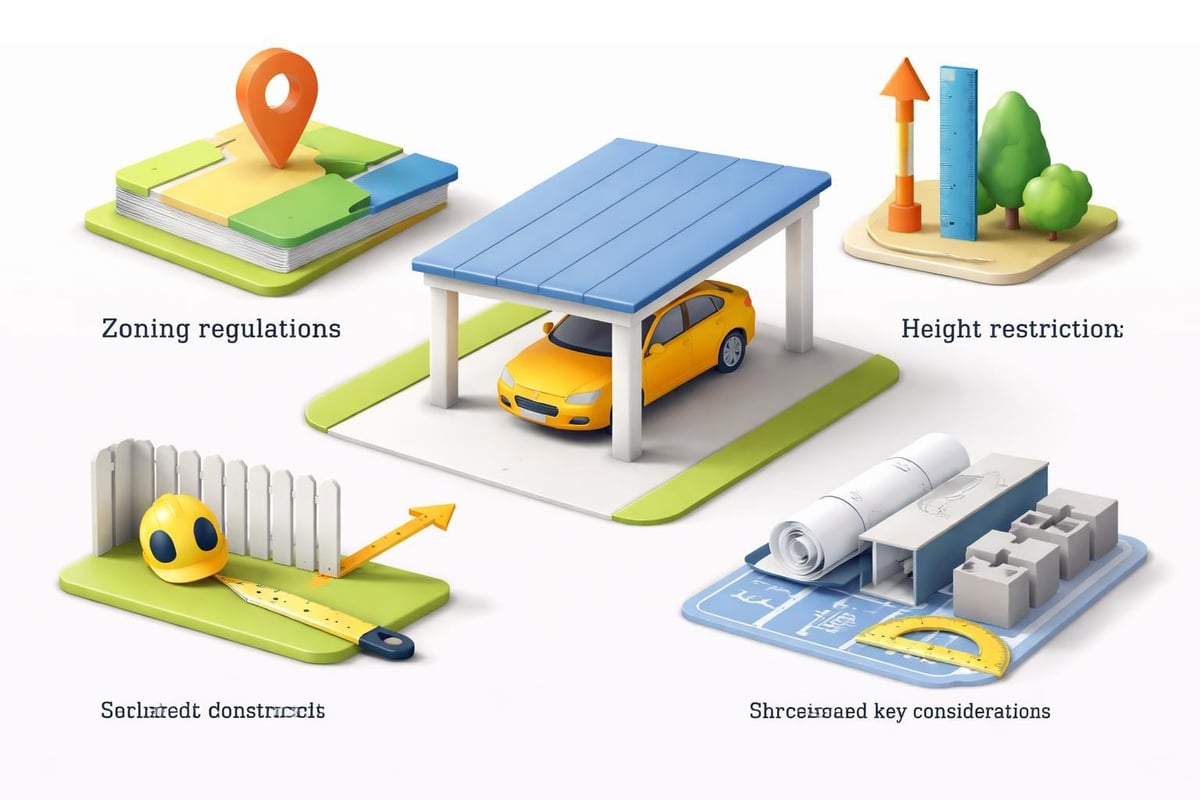
Most jurisdictions require permits when you make a carport. Understanding permit requirements for carport construction helps avoid legal complications and ensures your structure meets local building codes.
Contact your local building department to determine specific requirements in your area. Factors that influence permit needs include structure size, permanent versus temporary installation, and proximity to property lines. The permit process typically involves submitting detailed plans showing dimensions, materials, and structural specifications.
| Permit Consideration | Typical Requirement | Action Needed |
|---|---|---|
| Setback Distance | 5-10 feet from property line | Measure property boundaries |
| Maximum Height | 12-15 feet | Plan roof elevation |
| Foundation Type | Varies by soil conditions | Soil assessment |
| Inspection Schedule | Multiple checkpoints | Coordinate with inspector |
Choosing Materials and Design
Material selection significantly impacts durability, cost, and maintenance requirements when you make a carport. Each option presents distinct advantages and considerations.
Metal Versus Wood Structures
Metal carports have gained tremendous popularity due to their durability and low maintenance needs. Steel framing resists rot, termites, and warping that commonly affect wood structures. Metal also handles extreme weather conditions exceptionally well, from heavy snow loads to high winds.
Wood carports offer a traditional aesthetic that some property owners prefer. They blend naturally with residential architecture and allow for easy customization. However, wood requires regular maintenance including staining or painting every few years to prevent deterioration.
Roof Style Selection
Three primary roof styles dominate carport design:
Regular Roof Style: Features a rounded or slightly curved design. This economical option works well in areas with moderate weather conditions. Water and debris slide off the curved surface effectively.
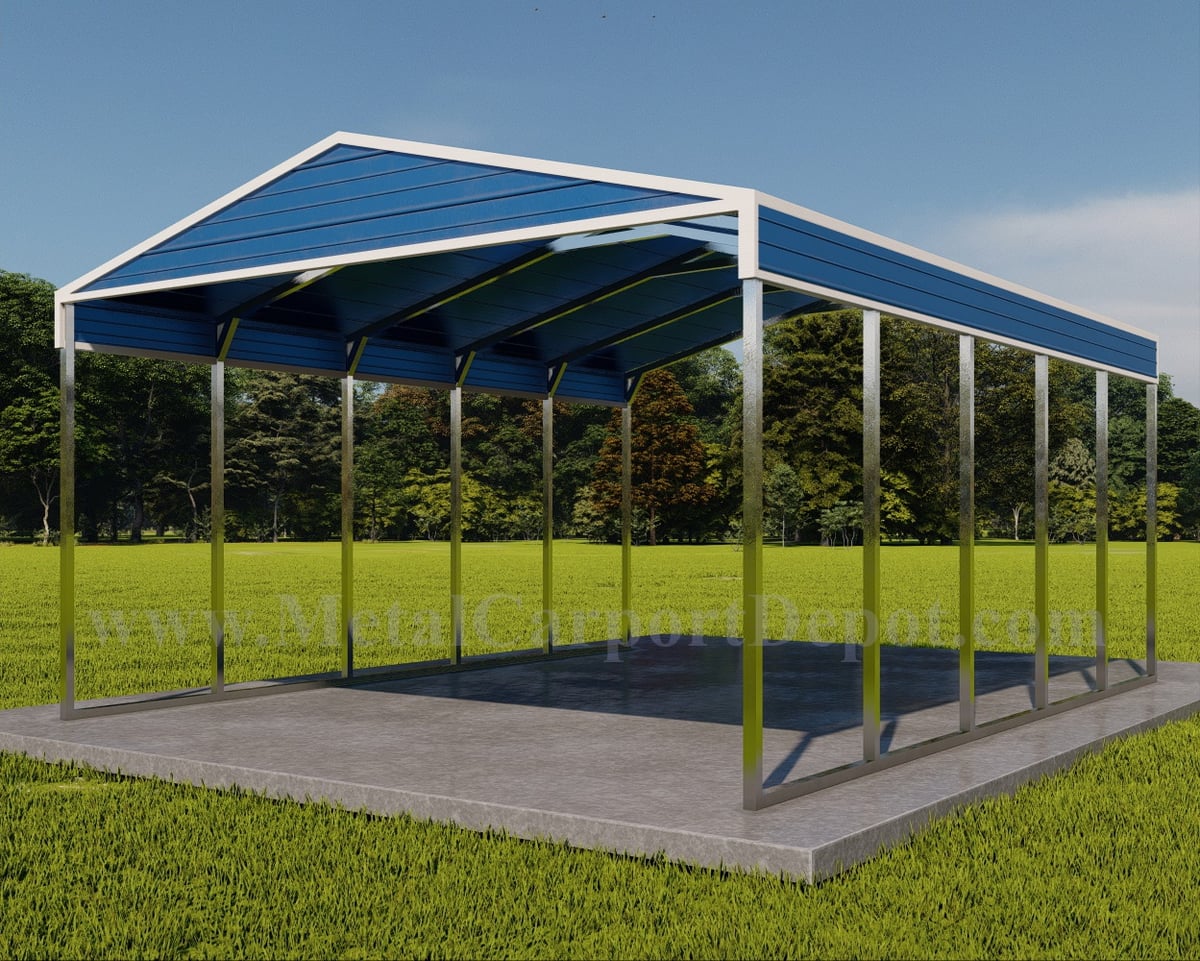
A-Frame Roof Style: Creates a traditional peaked appearance with panels running horizontally. This A-frame design provides excellent water drainage and increases structural strength. The steeper pitch handles snow accumulation better than regular styles.
Vertical Roof Style: Panels run vertically from peak to eave, offering superior strength and weather resistance. This premium option is recommended for areas experiencing heavy snow, strong winds, or significant rainfall. Debris slides off more easily due to the vertical orientation.
When selecting your design, consider customization options that enhance functionality. Metal carports offer exceptional versatility with various sizing options, leg heights, and additional features like enclosed sides or gable ends. The ability to customize your structure ensures it meets your specific requirements while matching your property's aesthetic.
Site Preparation and Foundation Work
Proper site preparation ensures stability and longevity when you make a carport. The foundation directly impacts structural integrity and determines how well your carport withstands environmental stresses over time.
Leveling and Grading
Begin by clearing the construction area of vegetation, debris, and obstacles. Mark the exact footprint using stakes and string lines. Check level in multiple directions using a long level or transit.
If your site has significant slope, you have two options:
- Grade the entire area to create a level surface
- Adjust post heights to compensate for slope variations
Grading provides the most professional appearance and simplifies construction. However, adjusting post heights works well for moderate slopes and reduces earthwork requirements.
Foundation Options
Different foundation types suit varying budgets, soil conditions, and permanence requirements.
| Foundation Type | Best For | Installation Time | Relative Cost |
|---|---|---|---|
| Concrete Slab | Permanent structures | 3-5 days | High |
| Concrete Piers | Most soil types | 1-2 days | Medium |
| Ground Anchors | Temporary or mobile | Few hours | Low |
| Gravel Base | Well-draining soil | 1 day | Low-Medium |
Concrete slabs provide the most stable and permanent foundation. They create a clean, finished floor surface suitable for workspace or storage. Pour slabs at least 4 inches thick with wire mesh reinforcement.
Concrete piers offer excellent stability without the expense of a full slab. Dig holes below the frost line (typically 24-36 inches deep depending on location), install cardboard forms, and fill with concrete. This approach allows water drainage beneath the structure.
Construction Process and Assembly
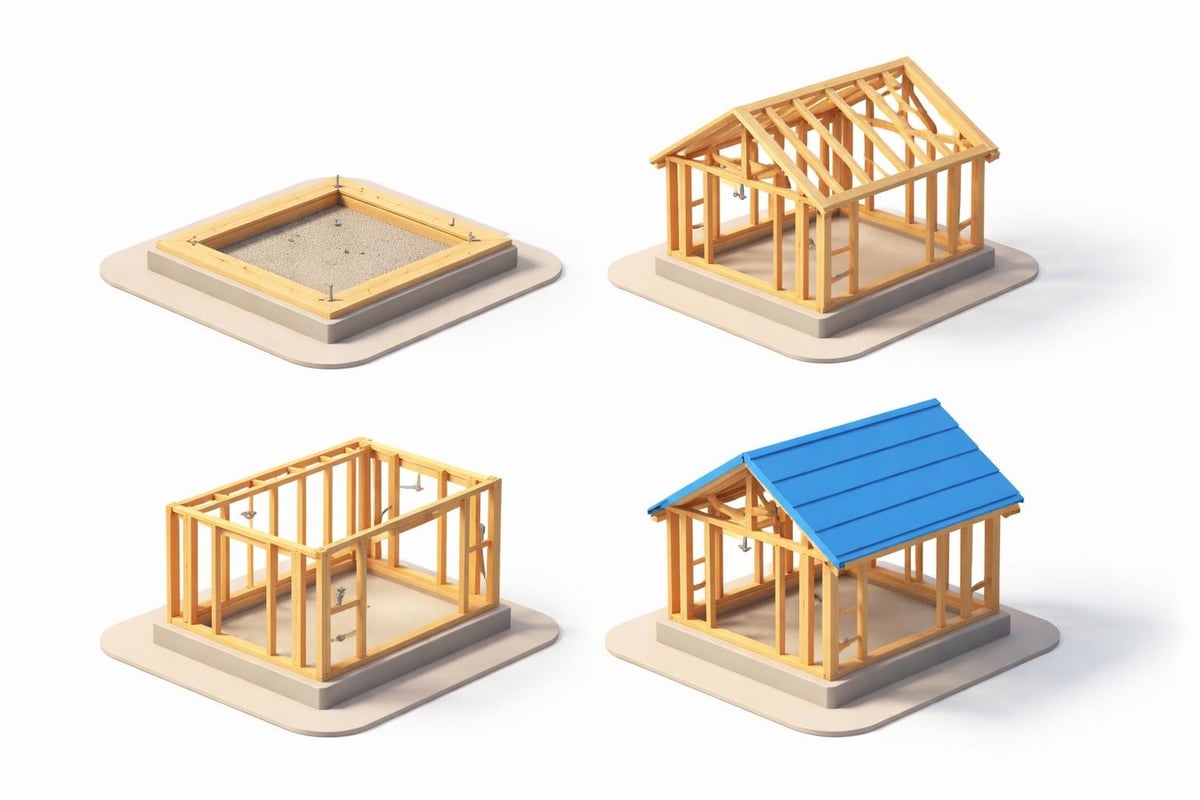
Following systematic construction steps ensures your carport goes together properly. Whether you're working from scratch or assembling a prefabricated kit, organization and precision matter.
Frame Assembly Steps
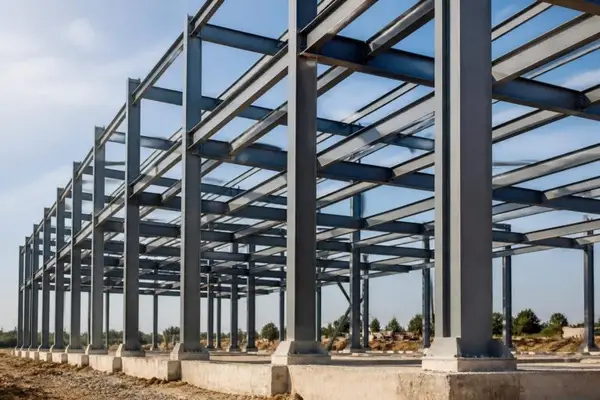
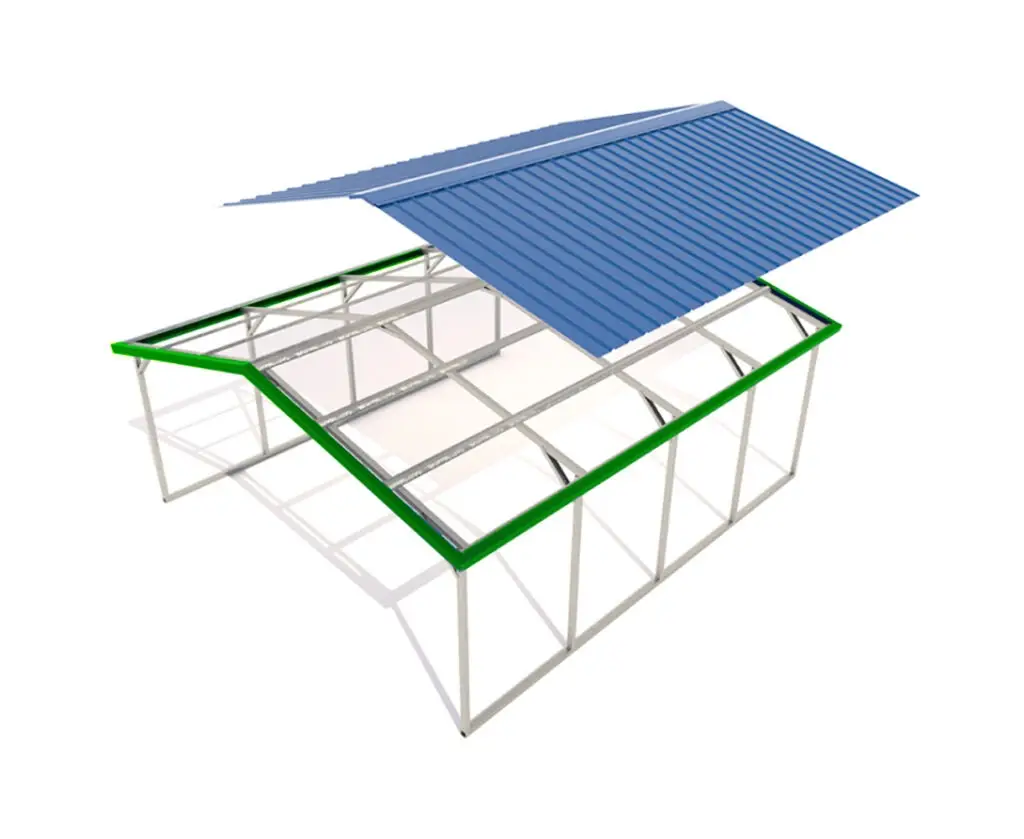
The frame forms the skeleton of your structure. For metal carports, most components arrive pre-cut and ready for assembly:
- Install anchor posts at each corner and along sides according to your plan
- Connect horizontal beams between posts to create the perimeter
- Add cross braces for lateral stability and wind resistance
- Install roof trusses or rafters at specified intervals
- Secure all connections with appropriate bolts and hardware
- Verify square and level before proceeding to roofing
When you make a carport from wood, cut all components to exact specifications before assembly. Use pressure-treated lumber for posts and ground-contact components to resist moisture and insect damage.
This step-by-step carport building guide provides additional visual references and detailed instructions for each construction phase.
Roofing Installation
Roof installation requires careful attention to detail for proper weather protection:
- Begin at the lowest point and work upward
- Overlap panels according to manufacturer specifications (typically 6-8 inches)
- Use appropriate fasteners designed for metal roofing
- Install closure strips at panel edges to prevent wind uplift
- Seal all fastener penetrations to prevent leaks
- Add trim pieces for a finished appearance
For vertical roof styles, ensure panels run from ridge to eave continuously. This orientation maximizes strength and water-shedding capability.
Safety Considerations and Best Practices
Safety must remain paramount throughout construction. Following established safety protocols protects you and helpers from injury while ensuring a quality finished product.
Personal Protective Equipment
Always wear appropriate safety gear:
- Safety glasses to protect eyes from metal shavings and debris
- Work gloves when handling sharp metal edges or rough lumber
- Steel-toed boots to protect feet from dropped materials
- Hard hat when working beneath partially constructed frames
- Hearing protection when using power tools
Working at Heights
Roof installation requires working at elevated positions. Use stable ladders rated for your weight plus materials. Position ladders on firm, level ground and extend them at least three feet above the work surface.
Consider renting scaffolding for larger projects. Scaffolding provides a stable work platform and reduces fatigue compared to repeatedly climbing ladders. Never overreach when working at heights-reposition your ladder or scaffolding instead.
Maintenance and Longevity
After you make a carport, proper maintenance extends its service life significantly. Regular inspections and preventive care prevent small issues from becoming major problems.
Routine Inspection Schedule
Conduct thorough inspections quarterly and after severe weather events:
- Check all fasteners for tightness
- Examine roofing panels for damage or loose sections
- Inspect frame connections for signs of stress or corrosion
- Clear debris from roof surfaces and gutters if installed
- Verify anchor points remain secure
Metal structures require minimal maintenance compared to wood alternatives. However, addressing minor issues promptly prevents accelerated deterioration.
Protecting Against Corrosion
Modern metal carports typically feature galvanized steel with protective coatings. Despite these treatments, maintain protection by:
- Touching up scratches or damaged coating promptly
- Removing debris that traps moisture against metal surfaces
- Ensuring proper drainage around foundation points
- Applying rust-inhibiting treatments to vulnerable areas
For property owners in regions with harsh winter conditions, understanding how structures perform in specific climates helps inform maintenance schedules. Areas like Connecticut and Vermont experience significant snow loads that require attention to roof clearing and structural inspection.
Cost Considerations and Budgeting
Understanding the complete financial picture helps you make a carport that fits your budget while meeting your needs. Costs vary significantly based on size, materials, features, and whether you hire professionals or complete the work yourself.
DIY Versus Professional Installation
Building your own carport can save 30-50% on labor costs. However, consider these factors:
DIY Advantages:
- Significant cost savings on labor
- Complete control over timeline and quality
- Learning valuable construction skills
- Satisfaction of completing the project yourself
Professional Installation Benefits:
- Expertise ensures proper construction techniques
- Faster completion timeline
- Warranty coverage on labor and materials
- Proper compliance with building codes and permits
- Insurance coverage during construction
Budget Planning Components
| Cost Category | Percentage of Total | Notes |
|---|---|---|
| Materials | 60-70% | Frame, roofing, fasteners, concrete |
| Permits and Fees | 5-10% | Varies by jurisdiction |
| Tools and Equipment | 5-10% | If purchasing vs. renting |
| Site Preparation | 10-15% | Grading, excavation, utilities |
| Labor (if hiring) | 30-40% | Professional installation |
Get quotes from multiple suppliers when purchasing materials. Bulk pricing and seasonal promotions can significantly reduce costs. Some suppliers include delivery and installation, which simplifies logistics and ensures professional assembly.
Climate-Specific Considerations
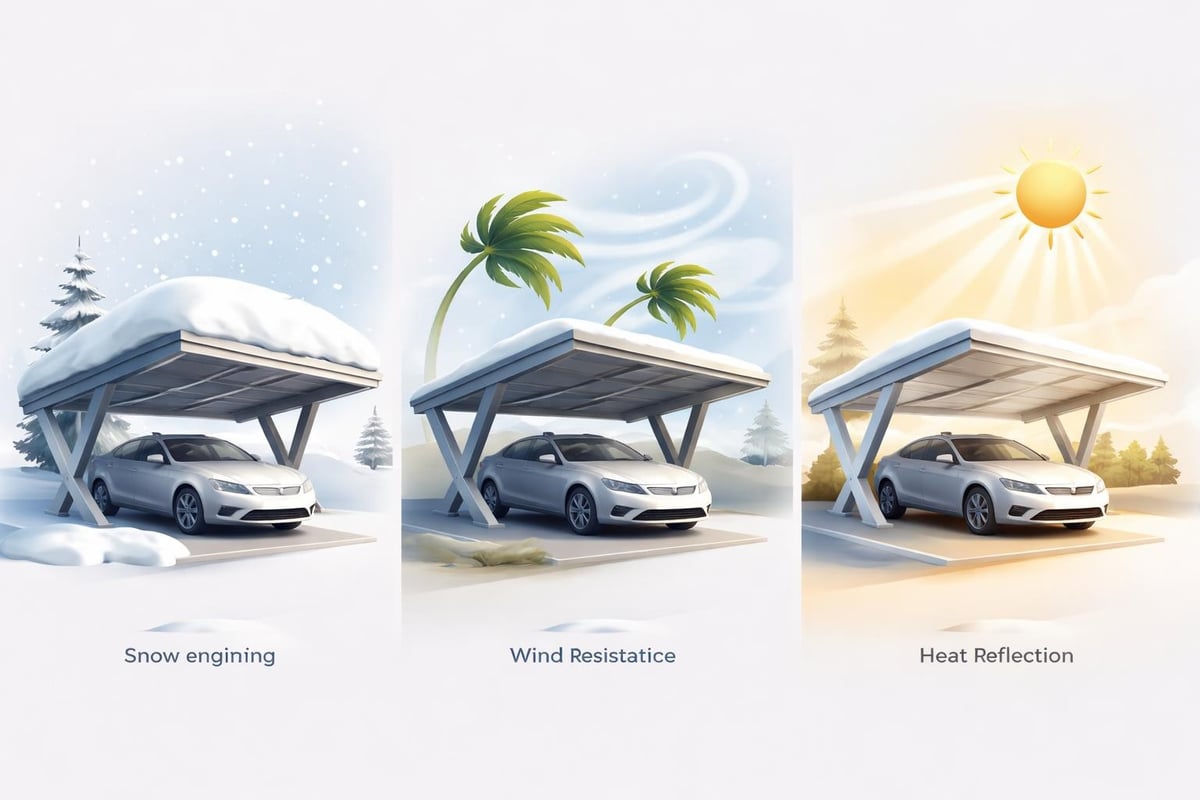
Regional weather patterns influence design decisions when you make a carport. Structures must withstand local environmental challenges to provide reliable protection.
Snow Load Requirements
Northern regions require carports engineered for substantial snow accumulation. Vertical roof styles shed snow most effectively, reducing structural stress. Frame components must be sized appropriately for anticipated loads.
States like Michigan and Iowa experience heavy snowfall that demands robust construction. Check local building codes for minimum snow load requirements, typically measured in pounds per square foot.
Wind Resistance Features
Coastal areas and open plains face high wind exposure. Enhance wind resistance through:
- Additional anchor points beyond minimum requirements
- Cross-bracing between posts and in roof trusses
- Certified wind ratings appropriate for your zone
- Enclosed sides or wind walls to reduce uplift forces
Heat and Sun Protection
Southern climates prioritize sun protection and heat management. Consider:
- Roof coatings with high solar reflectance
- Extended roof overhangs for shade
- Ventilation features to reduce heat buildup
- UV-resistant materials for extended lifespan
Areas like Missouri and Maryland experience varied conditions requiring balanced design approaches that handle both winter weather and summer heat.
Advanced Features and Customization
Once you make a carport meeting basic requirements, additional features enhance functionality and value. These upgrades transform simple coverage into versatile workspace or storage solutions.
Enclosure Options
Partial or complete enclosure expands your carport's utility:
- Gable ends close triangular openings at roof peaks
- Side panels protect against wind-driven rain and snow
- Roll-up doors convert open carports into secure storage
- Windows provide natural light in enclosed sections
Complete enclosure essentially creates a garage, offering security and weather protection comparable to traditional structures at lower cost.
Electrical and Lighting Integration
Adding electrical service enhances usability:
- Plan electrical layout before construction begins
- Install conduit runs during frame assembly
- Include adequate outlets for tools and equipment
- Add motion-sensor lighting for convenience and security
- Consider ceiling fans for air circulation
Always hire licensed electricians for electrical work and ensure installations meet code requirements.
Multi-Purpose Applications
Carports serve diverse functions beyond vehicle protection. When you create your own garage or carport, consider multiple uses:
- Workshop space with workbenches and tool storage
- Covered outdoor entertaining area
- Equipment storage for lawn care or recreational vehicles
- Horse barn with stall modifications
- Boat or RV protection during off-seasons
Designing with versatility in mind maximizes your investment and adapts to changing needs over time.
Common Mistakes to Avoid
Learning from others' experiences helps you avoid costly errors when you make a carport. These frequent mistakes can compromise structural integrity, appearance, or functionality.
Planning Oversights
- Underestimating size requirements: Build larger than current needs to accommodate future vehicle changes
- Ignoring drainage patterns: Poor drainage causes foundation settling and water pooling
- Skipping permit process: Unpermitted structures create legal issues and insurance complications
- Insufficient clearance: Account for vehicle door swing and walking space around cars
Construction Errors
Poor construction techniques lead to premature failure:
- Using incorrect fasteners or inadequate quantities
- Failing to verify square and level during assembly
- Neglecting proper concrete curing times
- Overtightening bolts which damages metal components
- Skipping manufacturer's assembly instructions for kits
This visual guide to building a carport demonstrates proper techniques and common pitfall avoidance.
Material Selection Issues
- Choosing materials inadequate for local climate conditions
- Purchasing low-quality components to save money initially
- Mismatching metal gauges and structural requirements
- Neglecting corrosion-resistant fasteners in coastal areas
Environmental and Practical Benefits
Beyond basic vehicle protection, carports provide numerous advantages that justify the investment and effort required to make a carport.
Vehicle Preservation
Covered parking extends vehicle lifespan by protecting against:
- UV radiation that fades paint and damages interiors
- Precipitation causing rust and corrosion
- Tree sap, bird droppings, and falling debris
- Hail damage during severe weather
- Ice accumulation requiring scraping
Energy and Cost Savings
Shaded vehicles require less air conditioning when you enter them on hot days, reducing fuel consumption. Protection from elements decreases maintenance frequency and costs over vehicle ownership periods.
Property Value Enhancement
Well-constructed carports increase property appeal and market value. They demonstrate property care and provide practical amenities that buyers value. Metal structures particularly appeal due to minimal maintenance requirements and modern appearance.
Versatile Workspace Creation
The covered area serves multiple functions:
- Protected area for vehicle maintenance and repairs
- Shaded space for outdoor projects
- Storage for seasonal items and equipment
- Gathering area for social events
Working With Professional Resources
While many homeowners successfully make a carport independently, professional assistance provides valuable benefits for complex projects or when time constraints exist.
When to Hire Professionals
Consider professional installation for:
- Large or complex structures exceeding basic designs
- Situations requiring specialized equipment or skills
- Projects with tight timelines or scheduling constraints
- Installations on challenging terrain or difficult access areas
- When manufacturer warranties require professional installation
Selecting Quality Suppliers
Reputable suppliers provide complete support throughout your project. Look for companies offering:
- Detailed design assistance and customization options
- Engineering certification for structural integrity
- Comprehensive warranties covering materials and workmanship
- Delivery and installation services included in pricing
- Responsive customer support for questions and concerns
Quality suppliers guide you through the entire process, from initial design through final installation, ensuring your structure meets expectations and performs reliably for decades.
This comprehensive building guide provides additional insights into material selection and long-term maintenance strategies that preserve your investment.
Successfully completing a carport project requires careful planning, quality materials, and attention to detail throughout construction. Whether you choose to make a carport yourself or work with professional installers, the result provides lasting value through vehicle protection, versatile covered space, and enhanced property appeal. Metal Structure Sales LLC specializes in delivering customizable metal carports with professional installation included, ensuring you receive a durable structure engineered for your specific climate and requirements. Their comprehensive approach handles everything from initial design through final installation, making the entire process straightforward and stress-free.