

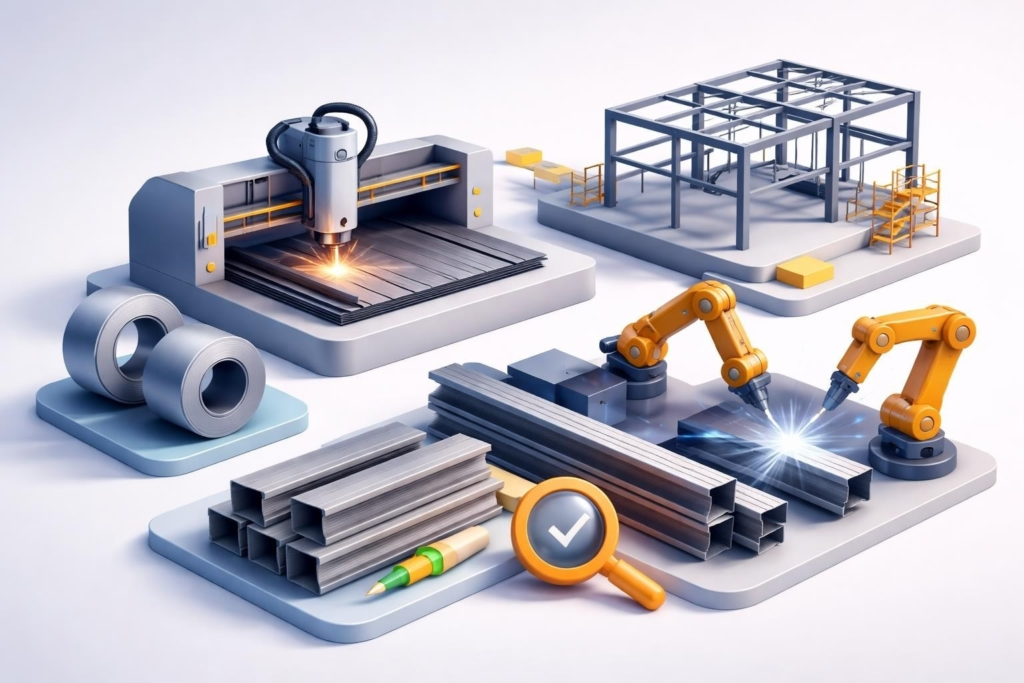
The steel building manufacturing industry has evolved into a sophisticated sector that combines advanced engineering, precision fabrication, and rigorous quality control. As demand for durable, cost-effective structures continues to grow across residential, commercial, and agricultural applications, understanding the manufacturing process behind these buildings becomes increasingly important. Modern steel building manufacturing integrates cutting-edge technology with time-tested methods to produce structures that meet stringent safety standards while offering exceptional value and longevity.
The Foundation of Steel Building Manufacturing
Steel building manufacturing begins with careful material selection and preparation. Manufacturers source high-grade steel that meets specific industry standards for structural integrity, ensuring each component can withstand environmental stresses and load requirements. The quality of raw materials directly impacts the final product's durability and performance.
Material Specifications and Standards
The steel used in modern manufacturing must comply with ASTM (American Society for Testing and Materials) standards and AISC (American Institute of Steel Construction) specifications. These standards define:
- Minimum yield strength requirements for structural components
- Chemical composition tolerances that affect weldability and durability
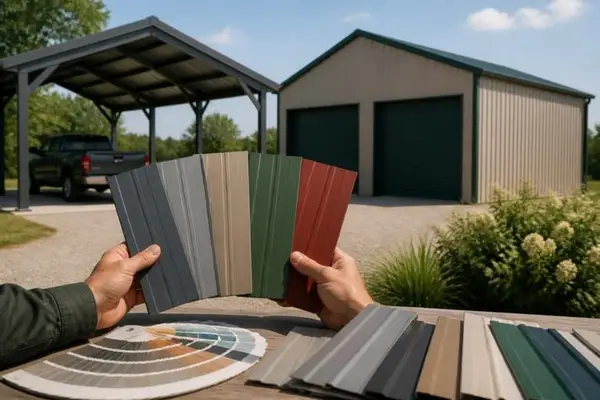
- Coating specifications for corrosion resistance
- Thickness measurements for different building applications
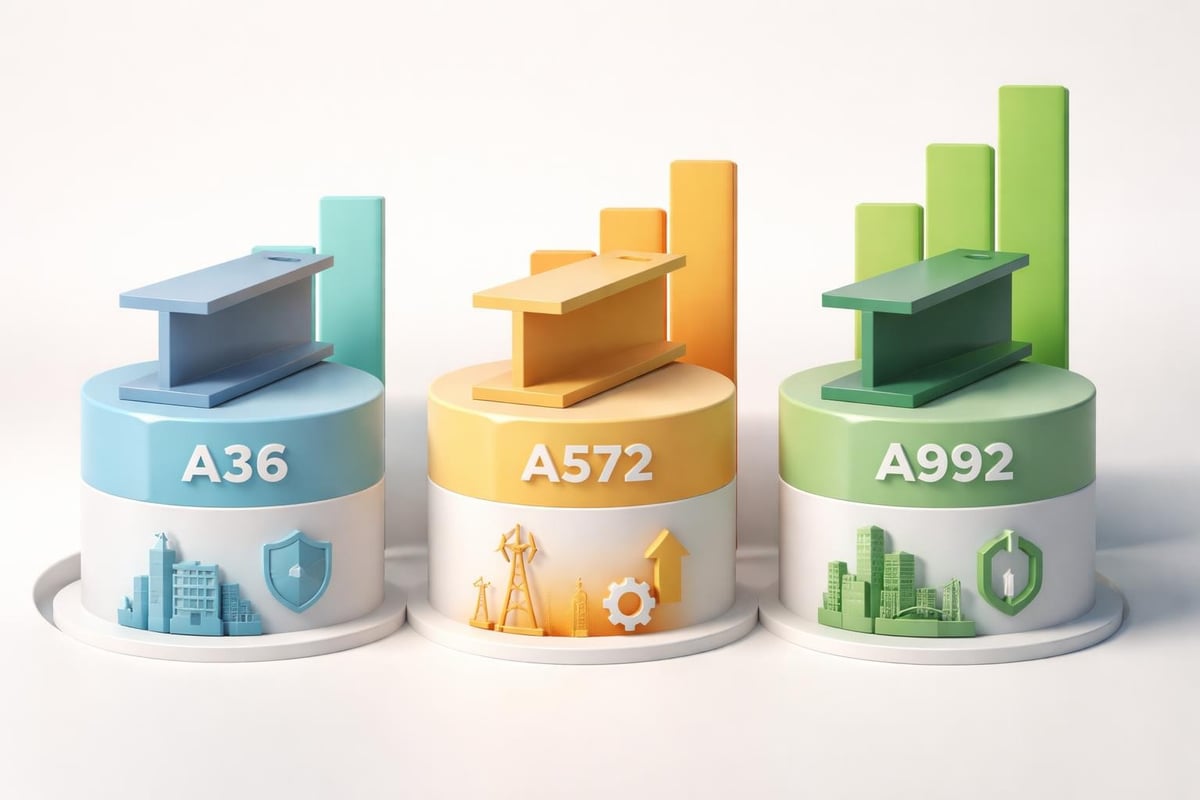
Common steel grades used in building manufacturing include A36, A572, and A992, each offering distinct properties suited for specific structural needs. Grade selection depends on factors like building size, location, wind loads, and snow loads.
Pre-Engineering and Design Precision
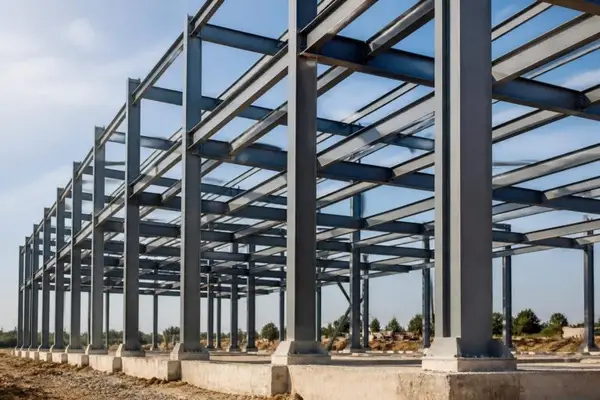
Pre-engineered metal buildings represent a significant advancement in steel building manufacturing. This approach involves designing complete building systems in a controlled factory environment before any on-site construction begins. The pre-engineered metal building market has experienced substantial growth due to the efficiency and cost savings this method provides.
Design teams utilize sophisticated CAD (Computer-Aided Design) software to create detailed blueprints that account for every structural element. Engineers calculate load-bearing requirements, connection points, and material specifications with precision that minimizes waste and maximizes structural integrity.
Computer-Aided Manufacturing Integration
Modern steel building manufacturing leverages CNC (Computer Numerical Control) machinery to translate digital designs into physical components. This technology ensures:
- Precise cutting of steel members to exact specifications
- Consistent hole placement for bolt connections
- Accurate bending for custom roof profiles and trim pieces
- Repeatable quality across multiple building units
The integration between design and manufacturing systems reduces human error and accelerates production timelines while maintaining exacting standards.
The Manufacturing Process Breakdown
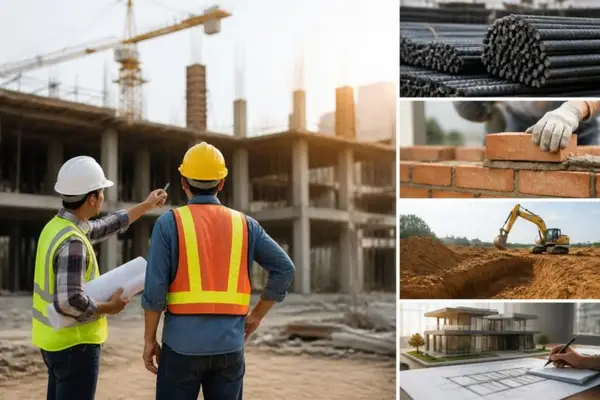
The actual fabrication of steel building components follows a systematic process that transforms raw steel into finished structural elements. Each stage requires specialized equipment and skilled operators who understand both the technical requirements and safety protocols.
Cutting and Forming Operations
Steel arrives at manufacturing facilities in standard sizes that must be cut and shaped according to building specifications. Plasma cutting, laser cutting, and waterjet cutting technologies offer different advantages depending on material thickness and precision requirements. Forming operations include:
- Roll forming for creating consistent profiles
- Press braking for angular components
- Punching for creating bolt holes and connection points
- Shearing for straight cuts through sheet metal
Quality checks occur throughout these operations to verify dimensional accuracy and identify any material defects before proceeding to subsequent stages.
Welding and Assembly Procedures
Welding represents a critical phase in steel building manufacturing where individual components are joined to create larger assemblies. Certified welders follow strict procedures that comply with AWS (American Welding Society) standards. The quality of welds directly affects structural performance and longevity.
| Welding Method | Application | Advantages |
|---|---|---|
| MIG Welding | Frame connections | Speed, efficiency |
| TIG Welding | Precision joints | Clean finish, control |
| Stick Welding | Field assembly | Versatility, portability |
After welding, assemblies undergo stress relief treatments when necessary to prevent warping or residual stresses that could compromise structural integrity.
Quality Control Throughout Manufacturing
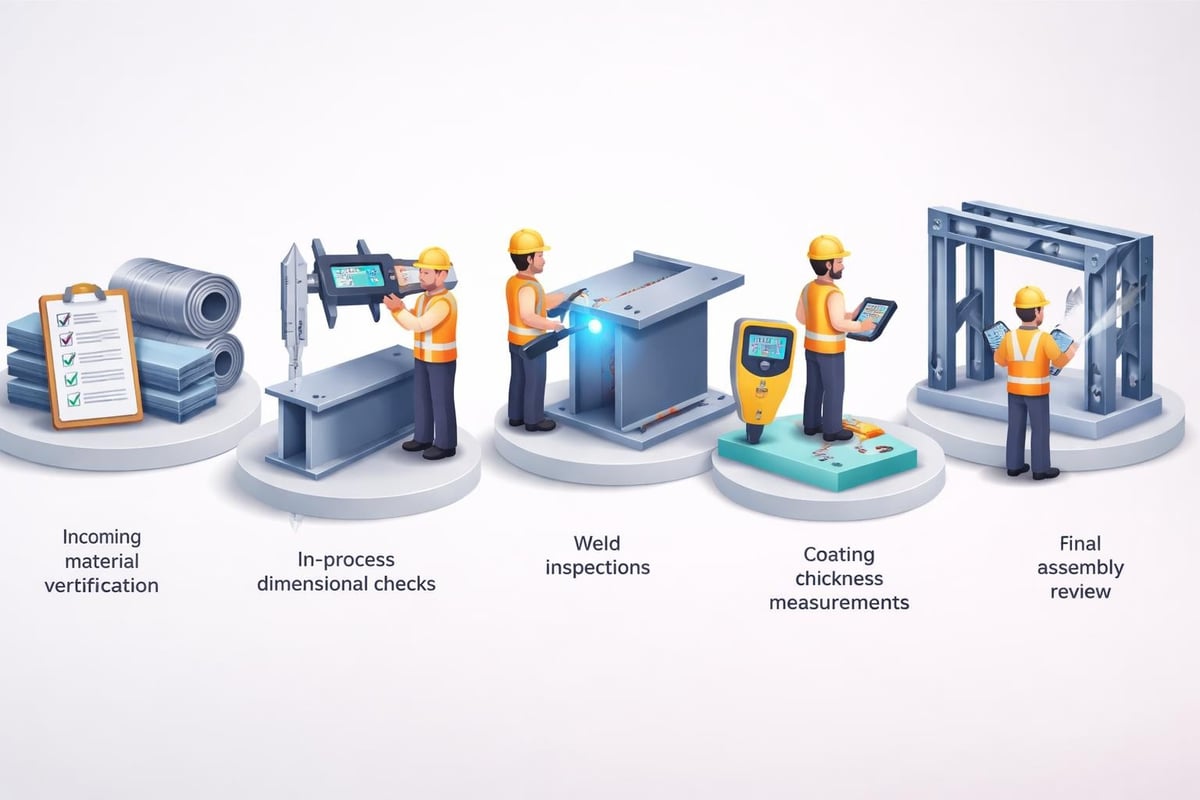
Strict quality control measures distinguish reputable manufacturers from those who cut corners. Quality assurance begins with incoming material inspection and continues through every manufacturing stage until final shipping.
Inspection Protocols and Testing
Manufacturers implement multi-point inspection systems that verify:
- Material certifications match specifications
- Dimensional tolerances fall within acceptable ranges
- Weld quality meets strength and appearance standards
- Surface preparation and coating application provide adequate protection
- Hardware and fasteners meet grade requirements
Non-destructive testing methods like ultrasonic testing or magnetic particle inspection may be employed for critical welds or connections. These techniques identify internal defects without damaging components.
Surface Treatment and Protection
Protecting steel from corrosion extends building lifespan significantly. Steel building manufacturing includes comprehensive surface treatment processes that create barriers against moisture, salt, and atmospheric contaminants.
Galvanization and Coating Systems
Hot-dip galvanization remains the gold standard for corrosion protection in steel building manufacturing. This process immerses steel components in molten zinc, creating a metallurgical bond that protects even if the coating is scratched or damaged. Alternative coating systems include:
- Paint systems with primer and topcoat layers
- Powder coating for enhanced durability and appearance
- Galvalume coating combining aluminum and zinc
- Specialty coatings for marine or industrial environments
Coating selection depends on building location, budget, and expected service life. Manufacturers in regions with harsh weather conditions often recommend more robust protection systems.
Compliance and Safety Standards
Steel building manufacturing operates under comprehensive regulatory frameworks designed to protect workers and ensure product safety. OSHA standards for steel manufacturing address workplace hazards including machine guarding, fall protection, and material handling procedures.
Environmental and Emission Controls
Current compliance standards in steel manufacturing emphasize environmental responsibility. Manufacturers must manage:
- Air emissions from cutting and welding operations
- Waste disposal for metal scraps and coating materials
- Water treatment for washing and cooling processes
- Energy efficiency in production equipment
Progressive manufacturers invest in recycling programs and energy-efficient equipment that reduce environmental impact while controlling operating costs.
Market Trends and Industry Growth
The metal building structure manufacturing market demonstrates robust growth projections through 2026, driven by increasing demand across multiple sectors. Agricultural applications, commercial warehousing, and residential storage needs all contribute to market expansion.
Regional Variations and Opportunities
Different regions experience varying demand patterns based on climate, economic activity, and building codes. Manufacturers serving diverse geographic areas must understand regional requirements and preferences. For instance, metal carports in California may require different engineering than those in Georgia due to seismic considerations versus hurricane wind loads.
The steel framing industry continues adapting to regional construction trends and building code updates that influence manufacturing specifications.
Customization Capabilities in Modern Manufacturing
One significant advantage of contemporary steel building manufacturing is the ability to customize structures for specific applications without sacrificing efficiency. Advanced manufacturing systems accommodate variations in:
- Building dimensions and clear span requirements
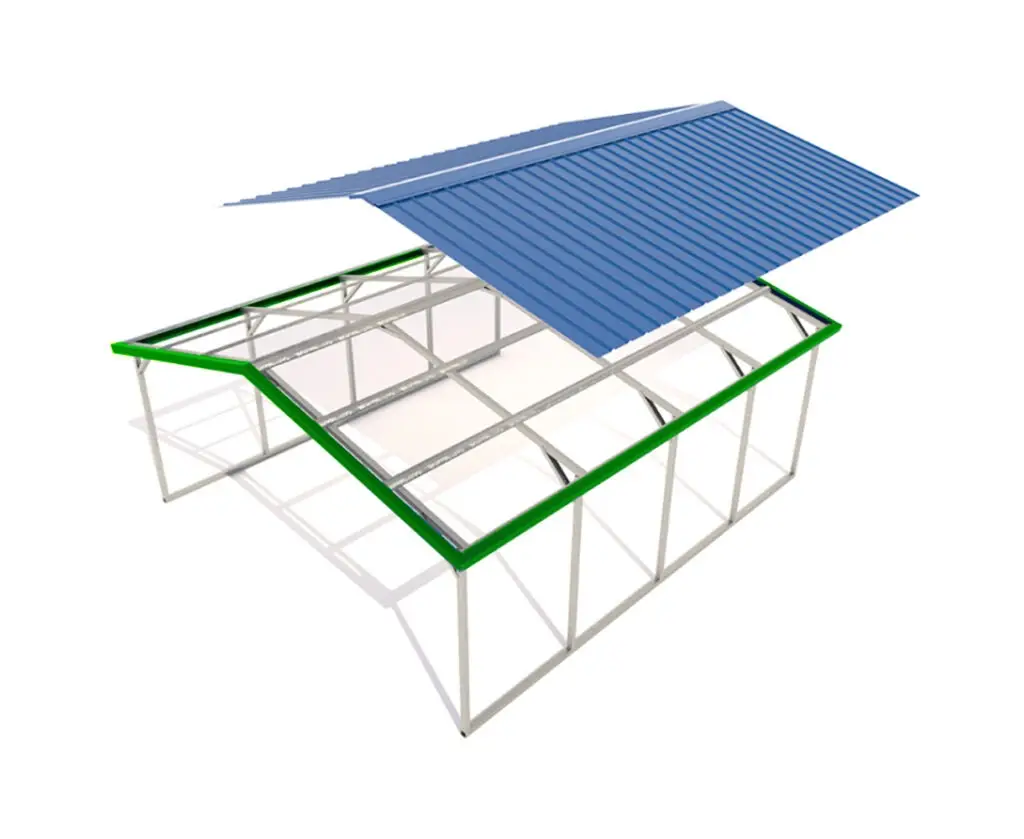
- Roof styles including vertical, horizontal, and A-frame configurations
- Door and window placements
- Interior partition layouts
- Accessory additions like gutters, insulation, and ventilation
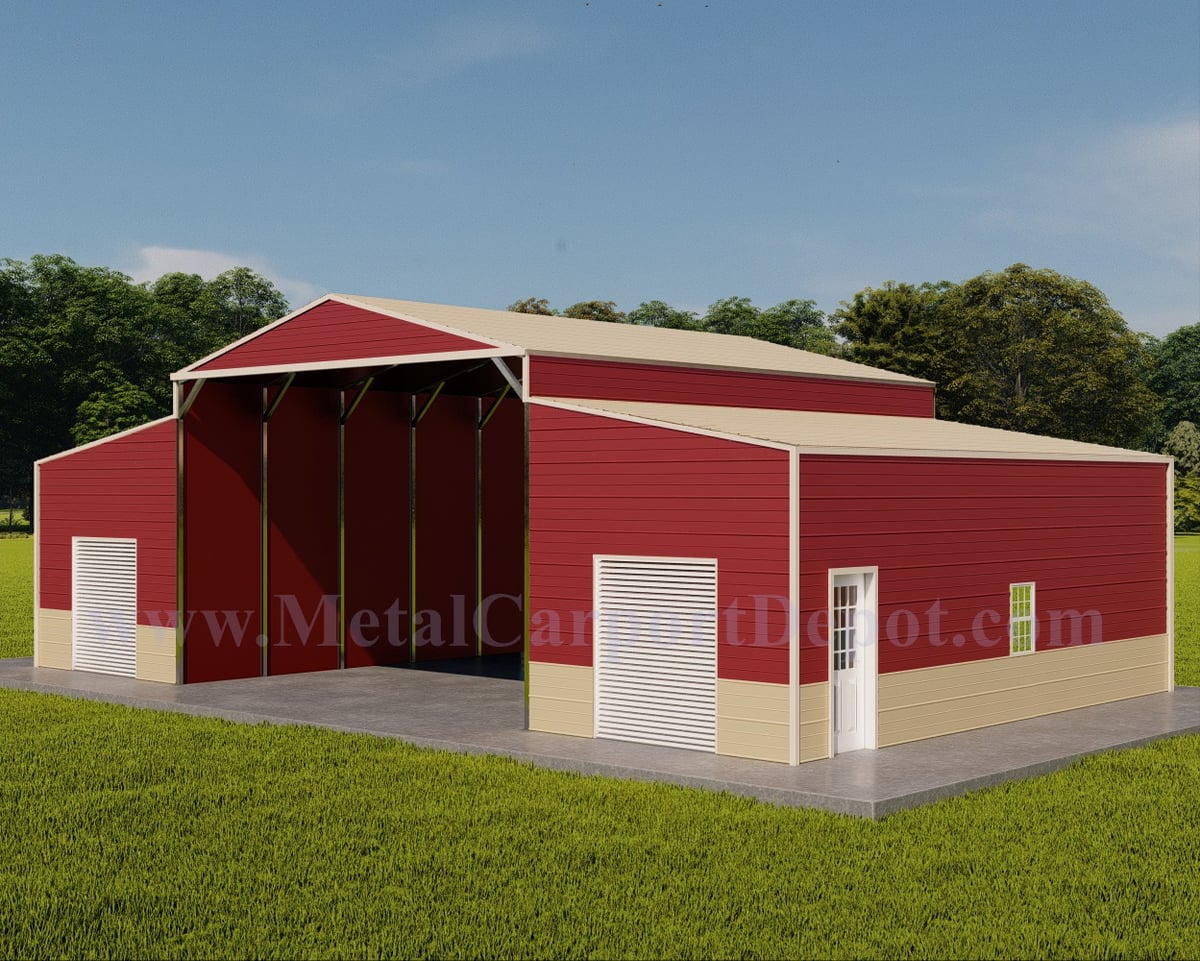
For agricultural customers seeking specialized structures, metal horse barns demonstrate how manufacturers adapt standard building systems to meet unique requirements. These structures incorporate features like tack rooms, wash areas, and specialized ventilation while maintaining the structural efficiency of pre-engineered systems.
Design Flexibility Without Compromise
Customization doesn't mean abandoning manufacturing efficiency. Smart manufacturers develop modular design approaches where standard components can be configured in numerous ways. This strategy provides customers with tailored solutions while maintaining production speed and cost control.
Assembly and Installation Considerations
While manufacturing occurs in controlled factory environments, the final assembly and installation phase presents unique challenges. Steel building manufacturing must account for field conditions and installation logistics from the design stage.
Component Packaging and Shipping
Manufacturers organize building components into logical groupings that facilitate efficient installation. Proper labeling, bundling, and documentation ensure installers can identify parts quickly and assemble buildings in the correct sequence. Packaging protects components during transport and storage.
| Component Category | Packaging Method | Installation Priority |
|---|---|---|
| Primary framing | Bundled and banded | First stage |
| Secondary framing | Grouped by section | Second stage |
| Roof and wall panels | Stacked and wrapped | Third stage |
| Trim and accessories | Boxed by type | Final stage |
Installation manuals produced during manufacturing provide step-by-step guidance with diagrams, fastener schedules, and safety warnings. Clear documentation reduces installation time and prevents errors that could compromise structural performance.
Technology Integration and Future Directions
Steel building manufacturing continues evolving through technology adoption that enhances efficiency, accuracy, and sustainability. Manufacturers investing in advanced systems gain competitive advantages through faster production, reduced waste, and improved quality consistency.
Automation and Robotics
Automated systems handle repetitive tasks with precision impossible for manual operations. Robotic welding cells produce consistent, high-quality welds while freeing skilled workers for complex tasks requiring human judgment. Automated material handling reduces injury risk and accelerates material flow through production facilities.
Building Information Modeling (BIM) software creates digital representations of buildings that integrate design, manufacturing, and construction data. This technology enables better coordination, reduces conflicts, and improves project outcomes.
Cost Efficiency in Manufacturing Operations
Efficient steel building manufacturing balances quality with cost control. Manufacturers achieve competitive pricing through:
- Material optimization that minimizes waste
- Process efficiency reducing labor hours per building
- Volume purchasing of raw materials and components
- Energy management lowering utility costs
- Continuous improvement eliminating bottlenecks and defects
These efficiencies ultimately benefit customers who receive high-quality buildings at reasonable prices. Whether exploring rent-to-own options or direct purchase, buyers benefit from manufacturing improvements that control costs without sacrificing quality.
Workforce Skills and Training
The steel building manufacturing workforce requires diverse skills ranging from engineering expertise to hands-on fabrication abilities. Successful manufacturers invest in employee training programs that:
- Develop technical competencies in specialized equipment operation
- Reinforce safety awareness and compliance procedures
- Teach quality control principles and inspection techniques
- Build problem-solving skills for addressing production challenges
- Foster continuous improvement mindset across the organization
Certification programs through organizations like the American Welding Society and the Metal Building Manufacturers Association help workers demonstrate proficiency and advance their careers while ensuring manufacturers maintain skilled workforces.
Supply Chain Management
Effective steel building manufacturing depends on reliable supply chains that deliver materials, components, and hardware when needed. Manufacturers must balance inventory costs against production requirements while managing relationships with multiple suppliers.
Raw steel prices fluctuate based on global market conditions, requiring manufacturers to implement strategic purchasing and inventory management. Long-term supplier relationships provide stability and may offer preferential pricing or priority allocation during supply constraints.
Component standardization across product lines reduces the number of unique parts requiring inventory, simplifying supply chain management while maintaining design flexibility through different configurations of standard components.
Understanding the complexities behind steel building manufacturing helps customers appreciate the engineering, precision, and quality control that go into every structure. From material selection through final assembly, reputable manufacturers follow rigorous processes that ensure buildings perform reliably for decades. Whether you need a carport, garage, or specialized structure, Metal Structure Sales LLC combines manufacturing excellence with personalized service, delivering customizable metal buildings with installation included. Contact us today to discuss how our expertly manufactured structures can meet your specific needs.