

Determining the right carport space for your property requires careful consideration of vehicle dimensions, usage patterns, and future needs. Whether you're protecting a single car, multiple vehicles, or recreational equipment, understanding how to calculate and optimize your coverage area ensures you invest in a structure that serves you well for years to come. The difference between adequate and exceptional carport space often comes down to planning dimensions that accommodate not just your vehicles, but also the practical clearances and access requirements that make daily use convenient and safe.
Understanding Standard Carport Space Dimensions
The foundation of effective carport planning begins with understanding industry-standard dimensions and how they relate to vehicle sizes. A single-car carport space typically measures 12 feet wide by 20 feet long, providing adequate room for most sedans and compact SUVs. However, modern vehicles have grown larger over the past decade, making these minimums feel increasingly tight.
For comfortable single-vehicle coverage, many property owners now opt for 14 feet wide by 22 feet long. This additional space allows for easier door opening, provides walking room around the vehicle, and accommodates wider trucks or SUVs without concern. When planning your carport space, remember that measurements should account for mirrors, which add approximately 6-8 inches to each side of your vehicle's width.
Multi-Vehicle Configurations
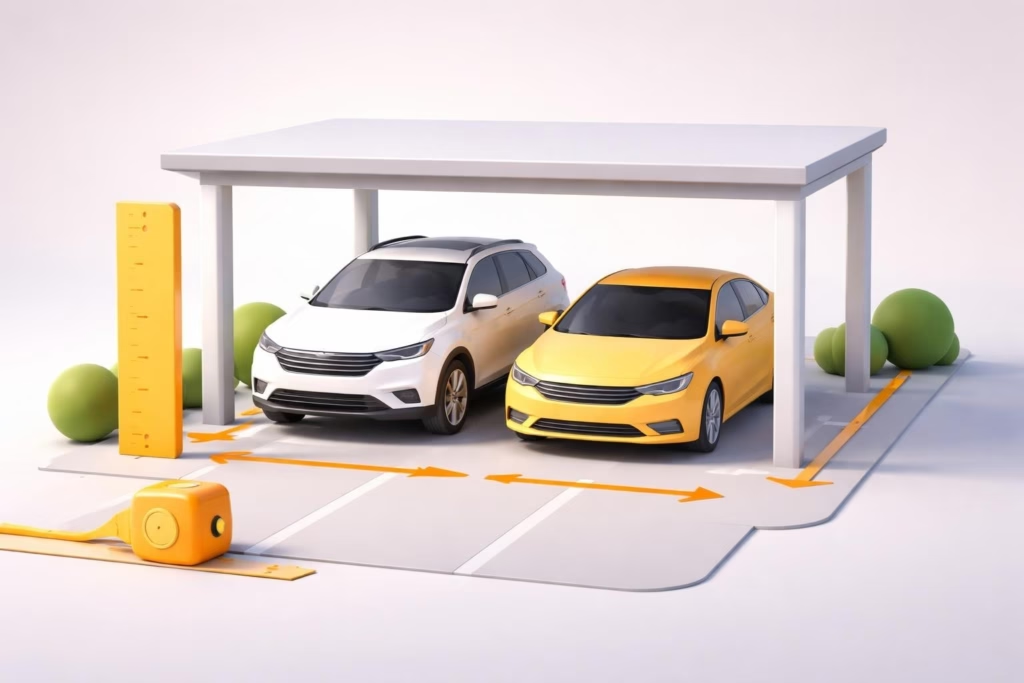
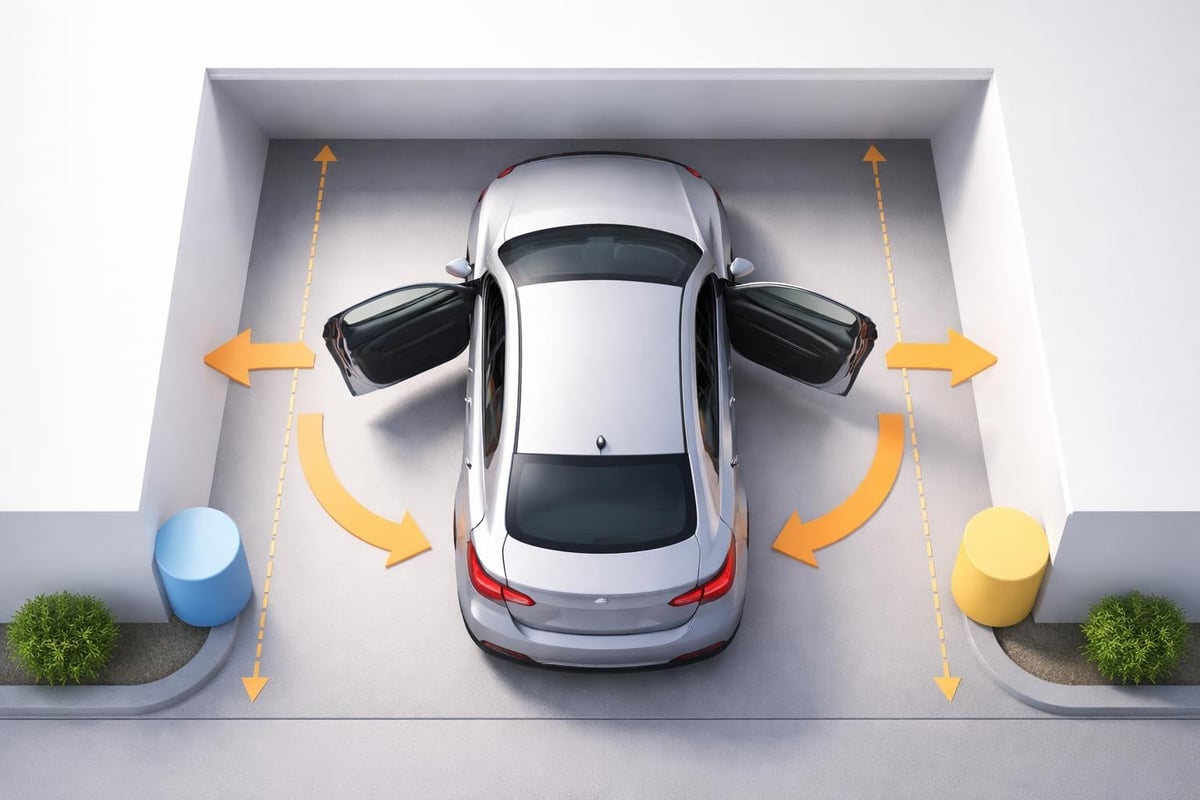
Double carport space configurations start at 18 feet wide but function more effectively at 20-24 feet. The extra width ensures both vehicles can open doors simultaneously without collision and allows passengers to exit comfortably. Length requirements remain similar to single-car options, though extending to 24 feet provides valuable space for workbenches, storage cabinets, or seasonal equipment.
Key clearance considerations include:
- Minimum 3 feet between parked vehicles for door access
- Additional 2 feet on exterior sides for walking space
- 4-6 feet of extra length for storage or workspace
- Height clearances of 7-8 feet for standard vehicles, 12-14 feet for RVs
When evaluating your needs, measure your current vehicles and add at least 2 feet to width and length measurements. This buffer accommodates future vehicle purchases and prevents the frustration of outgrowing your investment.
Calculating Your Ideal Carport Space Requirements
Accurate space calculation prevents costly mistakes and ensures your structure meets both current and anticipated needs. Begin by documenting the dimensions of all vehicles you plan to shelter, including length, width, and height with roof racks or antennas installed. Building a carport requires this foundational measurement work before selecting materials or finalizing designs.
Create a simple table listing each vehicle's specifications:
| Vehicle Type | Length | Width | Height | Notes |
|---|---|---|---|---|
| Family SUV | 16'8" | 6'2" | 5'10" | With roof rack |
| Sedan | 15'4" | 5'10" | 4'8" | Standard mirrors |
| Pickup Truck | 19'2" | 6'8" | 6'4" | Extended cab |
Add your usage patterns to this analysis. If you frequently load cargo, garden equipment, or sports gear, factor in workspace around your vehicles. Property owners who work on vehicle maintenance need substantially more carport space than those who simply park and walk away.
Terrain and Property Constraints
Your available carport space isn't solely determined by preference. Property boundaries, setback requirements, and terrain features all influence final dimensions. Most municipalities require structures to sit at least 5-10 feet from property lines, though carport regulations vary significantly by location.
Sloped properties present unique challenges and opportunities. A carport space on a grade may require additional height on the downhill side, affecting overall clearances and costs. However, strategic placement can provide natural drainage and reduce water pooling concerns that plague flat installations.
Underground utilities represent another critical constraint. Contact utility companies to mark lines before finalizing your carport space location. Installing anchors or footings through electrical, gas, or water lines creates dangerous situations and expensive repair bills.
Maximizing Functionality Within Your Carport Space
Once you've determined basic dimensions, focus on features that enhance daily usability. Strategic carport space planning incorporates storage solutions, lighting placement, and traffic flow patterns that make the structure more than simple overhead coverage.
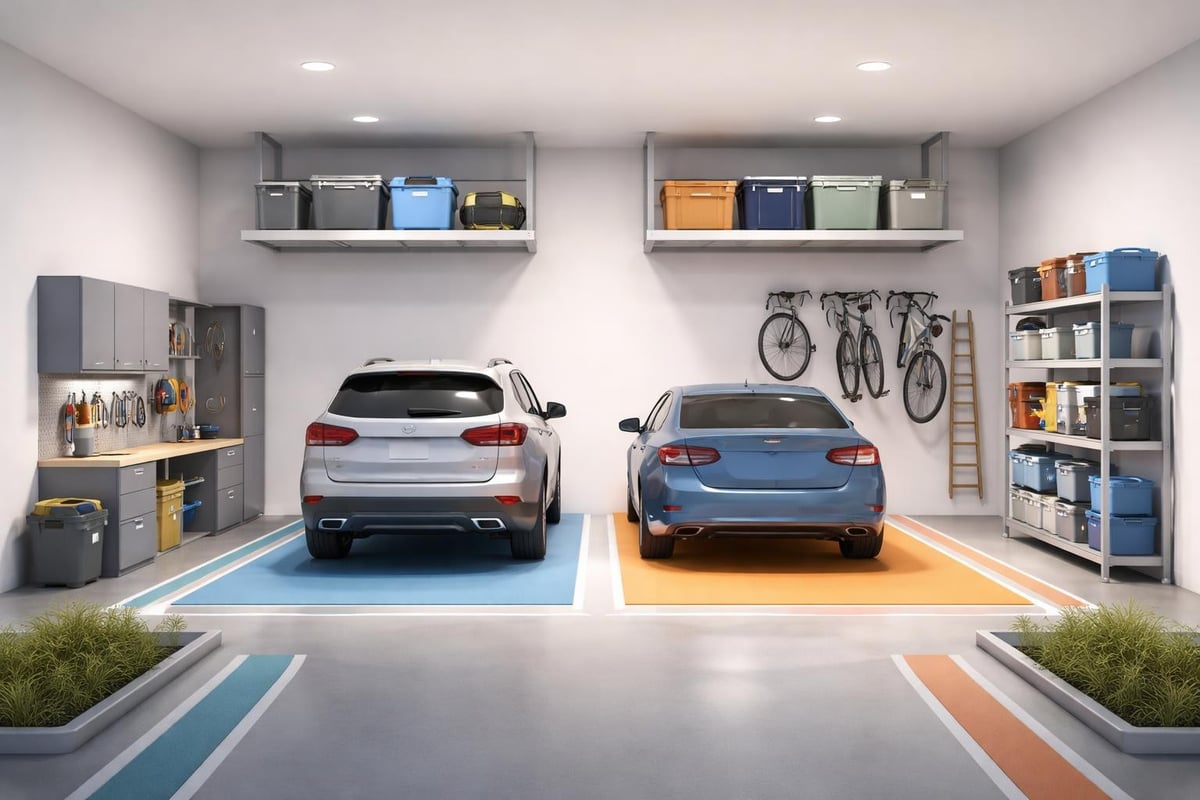
Wall-mounted storage systems maximize vertical space without encroaching on vehicle areas. Overhead racks positioned above hood height provide seasonal storage for camping gear, holiday decorations, or rarely used equipment. These additions effectively double your usable carport space without expanding the footprint.
Design Elements That Add Value
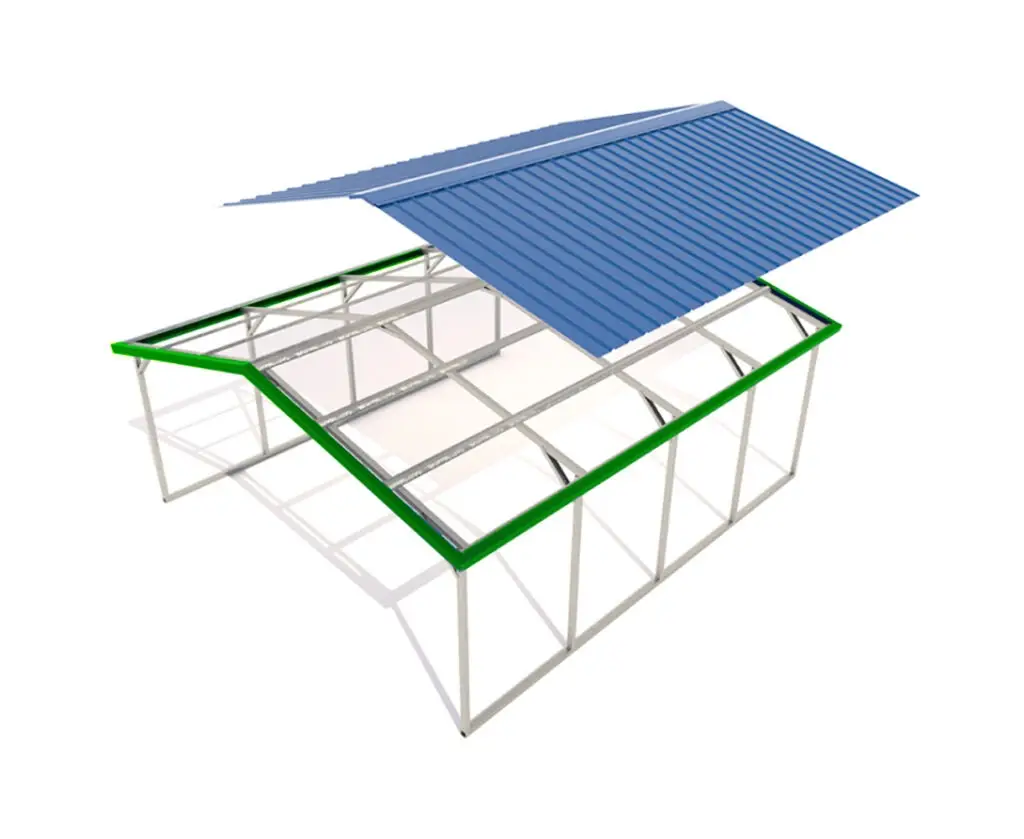
Roof style significantly impacts your carport space functionality. Standard flat or slightly sloped roofs work well for basic coverage, but A-frame designs offer superior water runoff and snow load management. A-frame carports provide additional vertical space that proves valuable for tall vehicles or overhead storage systems.
Consider these functional enhancements:
- Electrical outlets positioned on support posts for tool access
- LED lighting strips along roof edges for evening visibility
- Concrete flooring extensions beyond the roof line for workspace
- Side panels on prevailing wind directions for weather protection
- Gutters and downspouts to direct water away from the foundation
Each addition should serve a specific purpose in your usage pattern. Avoid features that look appealing but don't align with how you'll actually use the carport space daily.
Special Considerations for Oversized Carport Space
Large vehicles, recreational equipment, and commercial applications demand carport space planning beyond standard residential dimensions. RVs, boats, and work trucks require both additional square footage and specialized structural considerations to ensure safe, practical coverage.
RV carport space typically starts at 14 feet wide for Class B motorhomes and extends to 16-20 feet for Class A models. Length requirements range from 25 feet for smaller units to 45+ feet for luxury coaches with towed vehicles. Height becomes the most critical dimension, with many RVs requiring 13-16 feet of clearance including roof-mounted air conditioning units and satellite dishes.
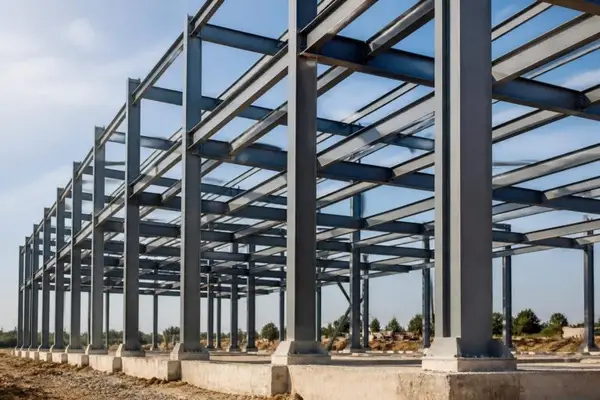
Wide span metal structures address these needs effectively, offering clear-span coverage up to 60 feet wide without interior support posts. This unobstructed carport space proves invaluable for maneuvering large vehicles and provides flexibility for changing equipment over time.
Commercial and Agricultural Applications
Work trucks with equipment racks, company vans, and fleet vehicles benefit from commercial-grade carport space planning. These applications often require:
- Reinforced framing to support heavier roof loads
- Increased leg height for box trucks or service vehicles
- Extended length for trailer parking
- Multiple access points for efficient traffic flow
Agricultural equipment presents unique challenges. Tractors, combines, and implements vary dramatically in size, often requiring custom carport space configurations. Metal structures offer the engineering flexibility to accommodate these specialized needs while maintaining structural integrity and weather resistance.
Property owners in regions with significant snowfall should account for additional roof load capacity. Understanding essential carport features helps ensure your structure withstands local weather conditions without compromise.
Regional Variations in Carport Space Planning
Local climate, building codes, and weather patterns influence optimal carport space design significantly. What works perfectly in Arizona may prove inadequate in Michigan, where snow loads and ice accumulation demand different structural approaches.
Northern regions require steeper roof pitches to shed snow effectively and prevent accumulation that can exceed structural capacity. Carport space in areas like Michigan or Vermont benefits from vertical roof designs that allow snow and ice to slide off naturally rather than building up and creating safety hazards.
Southern and coastal regions face different challenges. Wind resistance becomes paramount in hurricane-prone areas, requiring additional anchoring and engineering certifications. Virginia carport installations must account for both winter weather and potential tropical storm impacts, while Louisiana structures prioritize wind ratings and flood elevation requirements.
| Region Type | Primary Concern | Recommended Feature |
|---|---|---|
| Northern | Snow load | Vertical roof, reinforced framing |
| Coastal | Wind resistance | Certified anchoring, enclosed sides |
| Desert | UV exposure | Reflective roofing, extended coverage |
| Midwest | Mixed weather | Versatile design, drainage systems |
Local building departments provide specific requirements for your area. Research permit needs early in planning to avoid delays or redesigns after ordering your carport space structure.
Long-Term Considerations for Your Carport Space Investment
Smart carport space planning accounts for changing needs over time. The vehicles you own today may differ significantly from those you'll drive in five or ten years, and your property usage patterns will likely evolve as well.
Future-proofing your investment means selecting dimensions that accommodate growth. A young family might currently own sedans but could upgrade to SUVs or pickup trucks as children grow and activities expand. Building adequate carport space from the start costs less than expanding or replacing a structure later.
Expandability and Modifications
Consider how easily your chosen carport space design can be modified or expanded. Open-sided structures offer the most flexibility, allowing for enclosed walls, additional bays, or extended coverage as needs change. Some property owners start with basic vehicle coverage and gradually transform the space into combination workshop-storage areas.
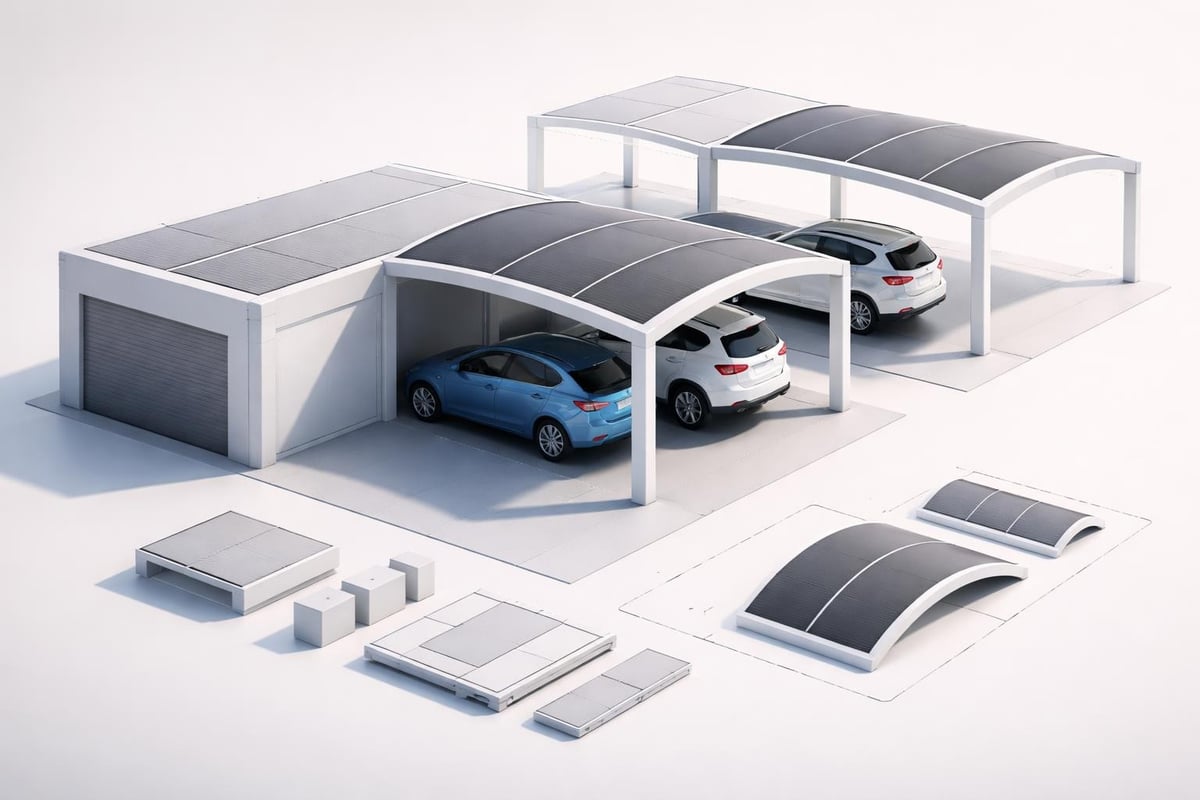
Metal combo units provide built-in expansion capability by combining open carport space with enclosed storage or workspace. This hybrid approach delivers immediate functionality while maintaining options for future customization.
Modification-friendly features include:
- Modular panel systems that add enclosed walls
- Extended rooflines that accommodate side expansions
- Reinforced posts rated for additional roof sections
- Electrical conduit pre-installed for future power needs
Quality construction materials ensure your carport space investment delivers decades of service. Gauge thickness in steel framing, coating quality for corrosion resistance, and engineering certifications all impact long-term durability and maintenance requirements.
Optimizing Carport Space for Multiple Uses
Modern carport space serves purposes far beyond simple vehicle storage. Property owners increasingly view these structures as multipurpose areas that adapt to seasonal activities, hobbies, and changing household needs throughout the year.
During pleasant weather, your carport space might function as an outdoor entertainment area, protected workspace for DIY projects, or covered play area for children. Strategic planning makes these transitions seamless without compromising primary vehicle protection duties.
Removable side panels offer weather protection during winter months while opening the structure to breezes during summer. This flexibility transforms enclosed carport space into comfortable outdoor living areas without permanent modifications. The City of Garland’s carport guidelines discuss how different configurations impact permitting and zoning classifications.
Seasonal Adaptation Strategies
Consider how your carport space needs shift across seasons:
- Winter: Full vehicle protection, snow equipment storage, protected entryway
- Spring: Gardening workspace, potting area, lawn equipment access
- Summer: Shaded recreation space, outdoor workspace, entertainment area
- Fall: Harvest processing area, decoration storage, vehicle winterization zone
Designing with seasonal flexibility in mind maximizes the value extracted from your carport space investment. Simple additions like fold-down work tables, removable screening, or portable lighting create functional zones without permanent structural changes.
Property owners with limited garage or shed space particularly benefit from treating carport space as multipurpose square footage. The open design and easy access make these areas ideal for activities that generate mess, noise, or require frequent trips to outdoor areas.
Professional Installation Versus DIY Carport Space Projects
Deciding between professional installation and DIY construction significantly impacts both initial costs and long-term satisfaction with your carport space. Each approach offers distinct advantages depending on your skills, available time, and project complexity.
Professional installation provides engineered structural integrity, permitting assistance, and warranty coverage that protects your investment. Companies specializing in metal structures bring expertise in site preparation, anchoring systems, and code compliance that ensures your carport space meets all safety requirements. Most professional installations complete within one to three days, minimizing disruption to your property.
DIY approaches offer cost savings but require significant time investment and construction knowledge. Building a durable carport demands proper foundation work, precise measurements, and understanding of structural load requirements that amateur builders may underestimate.
| Aspect | Professional | DIY |
|---|---|---|
| Timeline | 1-3 days | 1-3 weeks |
| Permits | Included | Self-managed |
| Warranty | Comprehensive | Materials only |
| Cost | Higher upfront | Lower initial |
| Quality assurance | Guaranteed | Variable |
For standard carport space projects using pre-engineered metal kits, professional installation typically costs 20-30% of total project expense. This investment ensures proper assembly, appropriate anchoring for local wind ratings, and compliance with building codes that protect property values.
Complex projects involving large clear-span carport space, significant site preparation, or challenging terrain strongly favor professional installation. The specialized equipment and engineering knowledge required for these applications exceed typical DIY capabilities.
Customizing Your Carport Space Design
Personalization transforms basic carport space into a structure that complements your property aesthetics while meeting functional requirements. Modern metal carports offer extensive customization options that allow matching existing buildings, incorporating architectural features, and selecting colors that enhance curb appeal.
Roof style represents the most visible design element. Beyond basic flat or gabled options, architectural features like extended gables, enclosed ends, or decorative trim packages create visual interest. These additions require minimal additional carport space but significantly impact overall appearance.
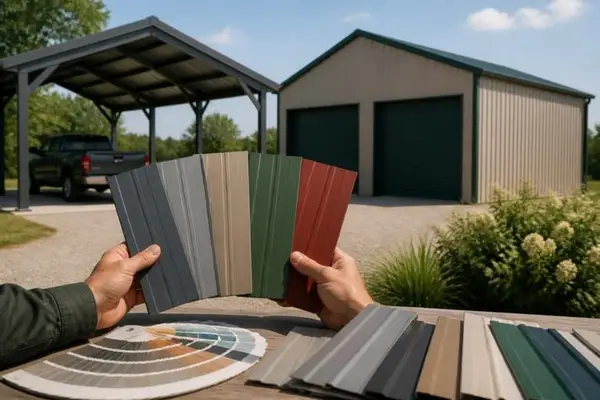
Color selection extends beyond simple preference. Light colors reflect heat and reduce internal temperatures during summer months, while darker tones blend with wooded settings or traditional building palettes. Many manufacturers offer multi-tone options combining trim colors with main panels for custom appearances.
Consider architectural elements from your home when designing carport space:
- Match roof pitch angles to main residence
- Coordinate metal colors with existing structures
- Align post placement with home's architectural rhythm
- Integrate landscaping that connects carport to main buildings
These visual connections create cohesive property aesthetics rather than viewing the carport space as an afterthought addition. Austin architects’ perspectives on carport design demonstrate how thoughtful planning integrates these structures into overall property design.
Functional Customization Options
Beyond aesthetics, functional customizations enhance daily usability. Partially enclosed sides on prevailing weather directions provide wind and rain protection without full enclosure costs. Strategic placement of these panels maintains airflow while sheltering vehicles from the elements most likely to cause damage.
Extending your carport space roofline beyond the main structure creates covered walkways connecting to your home, workshop, or other buildings. These extensions prove particularly valuable in regions with frequent rain or snow, providing protected paths that keep you dry during vehicle access.
Gutter systems and downspout placement deserve careful planning during customization. Proper water management prevents foundation erosion, ice dam formation, and water pooling that can damage both the structure and parked vehicles. Direct runoff to rain gardens, collection barrels, or drainage systems that manage water responsibly.
For property owners requiring extensive customization, services like custom garage design tools allow visualizing options before committing to final specifications. These planning resources help ensure your carport space configuration meets all requirements while staying within budget constraints.
Material Selection Impact on Carport Space Performance
Construction materials fundamentally affect how well your carport space performs over its lifespan. Metal structures dominate modern carport construction due to superior durability, low maintenance requirements, and design flexibility that accommodates various dimensional needs.
Steel gauge thickness determines structural strength and longevity. Standard residential carport space typically uses 14-gauge tubing for framing, providing adequate strength for most applications. Upgrading to 12-gauge steel increases load capacity and extends service life, particularly valuable in high snow-load regions or for oversized structures.
Roof panel gauge affects both durability and noise levels. Twenty-nine-gauge panels represent entry-level options suitable for mild climates, while 26-gauge or heavier materials withstand hail impact and severe weather more effectively. The thickness difference seems minimal but significantly impacts long-term performance.
Material comparison considerations:
- Galvanized steel: Excellent corrosion resistance, proven longevity
- Galvalume coating: Superior rust protection, ideal for coastal areas
- Powder-coated finishes: Enhanced aesthetics, additional weather protection
- Insulated panels: Temperature control, condensation reduction
Anchor systems secure your carport space to foundations and determine wind resistance ratings. Concrete footings provide maximum stability and meet most building code requirements, while ground anchors offer faster installation in stable soil conditions. Your region's wind zone and soil type dictate appropriate anchoring approaches.
Understanding materials helps when comparing options across manufacturers. Two similarly sized carport space quotes may vary significantly in price, with material quality explaining much of the difference. Investing in heavier-gauge materials and superior coatings pays dividends through reduced maintenance and extended service life.
Proper carport space planning balances current vehicle needs with future flexibility, ensuring your investment delivers long-term value and functionality. From accurate dimension calculations to material selection and customization options, each decision impacts how well the structure serves your property for decades to come. Metal Structure Sales LLC provides expert guidance through every stage of carport planning and installation, offering customizable metal structures with professional installation included to ensure your project meets exact specifications and exceeds expectations.