

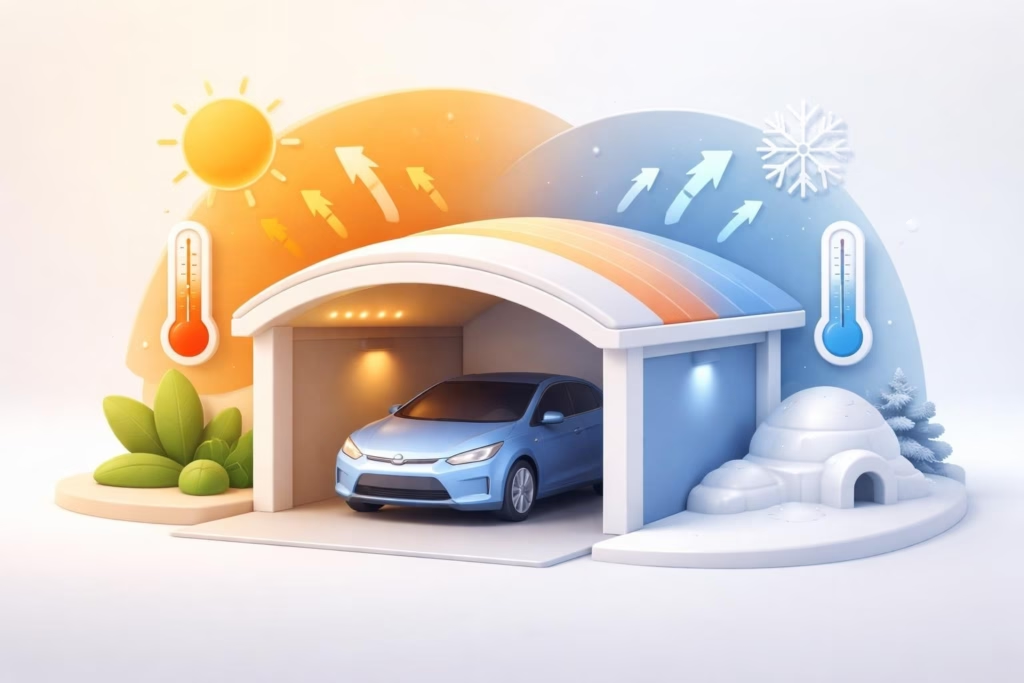
Protecting your vehicles from the elements is a priority for any property owner, but standard carports often fall short when it comes to regulating temperature and providing comprehensive protection. Insulated carports represent a significant upgrade over traditional open or single-skin structures, offering enhanced climate control, condensation prevention, and year-round comfort. As we move through 2026, more homeowners and business owners are recognizing the value of investing in structures that not only shield vehicles from rain and sun but also create a controlled environment that preserves vehicle condition and expands usability. Whether you're storing classic cars, daily drivers, recreational vehicles, or using the space as a workshop, understanding the benefits and options available for insulated carports helps you make an informed decision that maximizes your investment.
Understanding Insulated Carport Construction
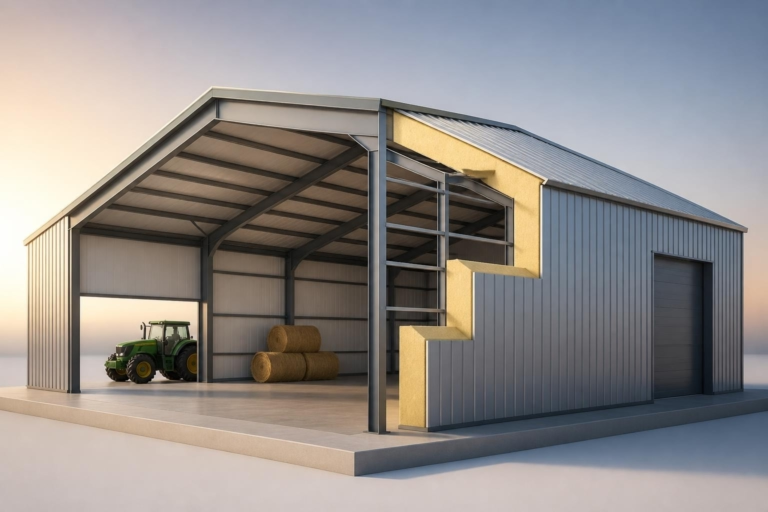
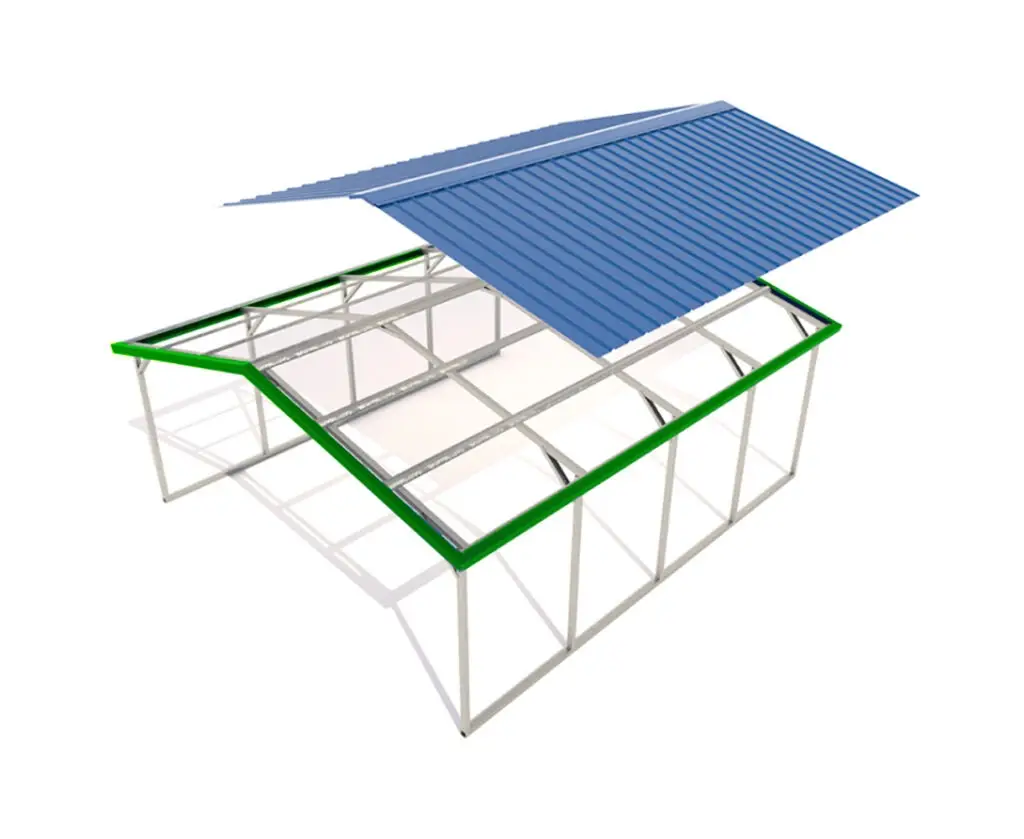
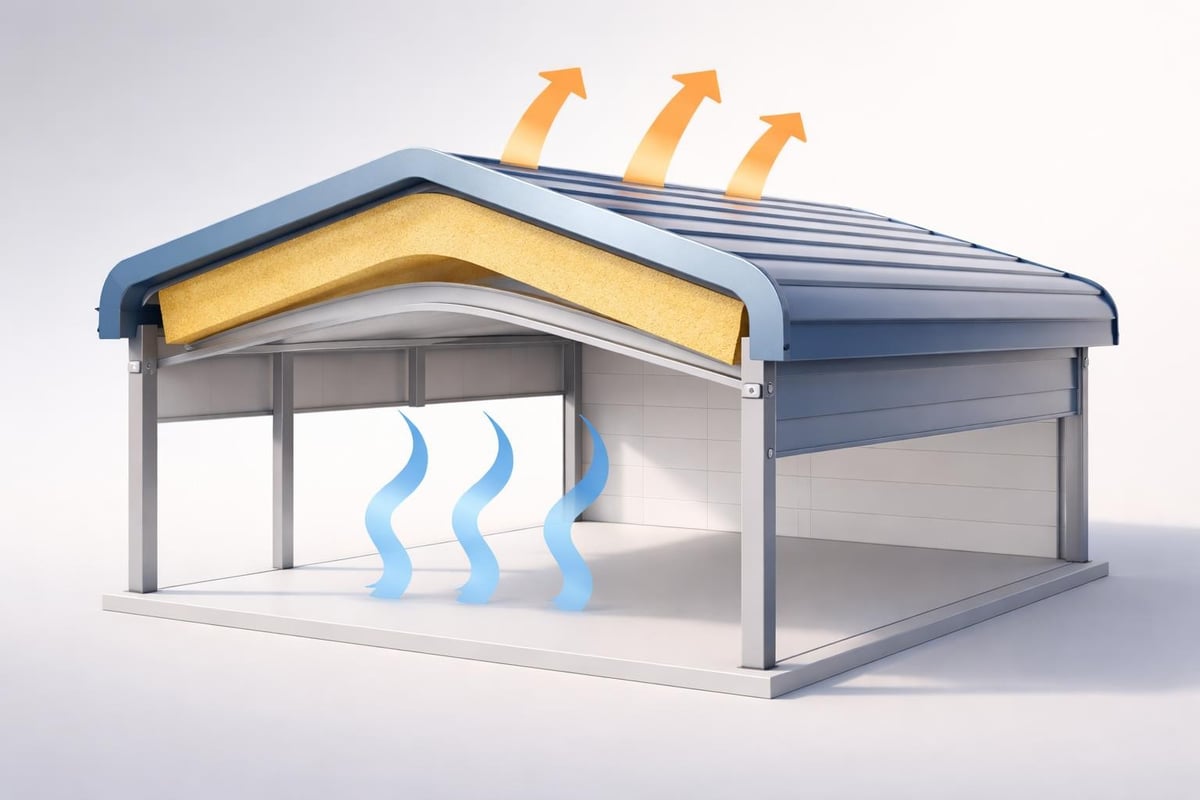
Insulated carports incorporate specialized materials and construction techniques that set them apart from conventional designs. The core difference lies in the addition of insulation materials between the outer metal panels and inner surfaces, creating a thermal barrier that regulates temperature and reduces heat transfer.
Key Components of Insulated Structures
The typical insulated carport consists of several critical layers working together to achieve optimal performance. The outer metal panels serve as the primary weather barrier, while the insulation layer provides thermal resistance. Common insulation materials include foam boards, spray foam, fiberglass batts, and reflective barriers, each offering different R-values and installation requirements.
Metal framing systems must be robust enough to support the additional weight of insulation and interior panels. Steel frames with 12-gauge or 14-gauge tubing provide the structural integrity needed for long-term durability. The gauge refers to the thickness of the steel, with lower numbers indicating thicker, stronger material.
Interior finishing panels create a clean appearance while protecting the insulation from moisture and physical damage. These panels can be metal, vinyl-coated, or other moisture-resistant materials depending on your aesthetic preferences and budget.
Insulation Material Options
Selecting the right insulation type for your metal carport significantly impacts performance and cost. Each material offers distinct advantages for different climates and applications.
| Insulation Type | R-Value Range | Best Applications | Durability |
|---|---|---|---|
| Spray Foam | R-6 to R-7 per inch | Complete coverage, air sealing | Excellent |
| Fiberglass Batts | R-3 to R-4 per inch | Budget-friendly installations | Good with vapor barrier |
| Foam Board | R-4 to R-6.5 per inch | Walls and roof panels | Excellent |
| Reflective Barriers | R-1 to R-2 | Hot climates, radiant heat control | Very good |
Spray foam insulation provides superior coverage by expanding to fill gaps and creating an airtight seal. This makes it particularly effective at preventing condensation and air infiltration. However, professional installation is typically required, increasing upfront costs.
Fiberglass batts offer an economical solution that's relatively easy to install in standard framing cavities. When paired with proper vapor barriers, they deliver consistent thermal performance in moderate climates.
Benefits of Climate-Controlled Vehicle Storage
Temperature regulation stands as the primary advantage of insulated carports, but the benefits extend far beyond simple comfort. These structures create an environment that actively protects your investment while expanding functionality throughout the year.
Vehicle Preservation and Maintenance
Extreme temperature fluctuations cause significant stress on vehicle components. Insulated carports maintain more stable conditions, reducing the expansion and contraction cycles that degrade rubber seals, gaskets, and paint finishes. Battery life extends when protected from freezing temperatures, and fluids maintain proper viscosity more consistently.
Condensation prevention is particularly critical for classic cars and vehicles stored for extended periods. When warm, moist air contacts cold metal surfaces, water droplets form and promote rust formation. Insulation keeps interior surfaces closer to ambient temperature, minimizing this moisture accumulation.
The advantages of insulated carports include protection from UV radiation damage, which fades paint and cracks dashboard materials over time. While the metal roof blocks direct sunlight, insulation prevents radiant heat from raising interior temperatures to levels that accelerate deterioration.
Energy Efficiency and Cost Savings
For carports equipped with electrical outlets, lighting, or heating systems, insulation dramatically reduces energy consumption. The thermal barrier prevents conditioned air from escaping, allowing smaller heating or cooling units to maintain comfortable temperatures efficiently.
- Lower utility bills during winter months when using space heaters or workshop equipment
- Reduced cooling costs in summer climates where temperatures regularly exceed 90°F
- Minimal temperature variation throughout day-night cycles
- Decreased load on climate control equipment, extending system lifespan
Property owners in regions with significant seasonal temperature swings see the most substantial savings. A well-insulated structure can reduce heating and cooling costs by 30-50% compared to uninsulated alternatives.

Design Configurations and Customization
Modern insulated carports accommodate diverse needs through flexible design options and customization features. Understanding these choices helps you create a structure perfectly suited to your specific requirements and available space.
Roof Styles and Their Impact
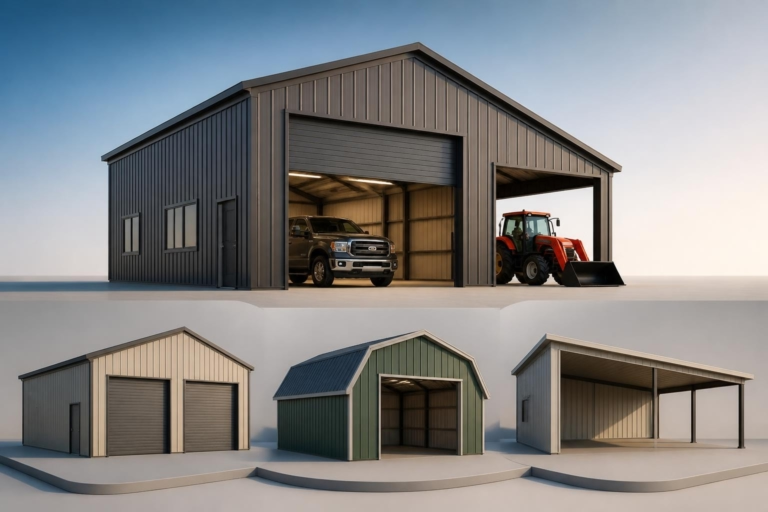
Three primary roof styles dominate the insulated carport market, each offering distinct advantages for insulation installation and overall performance.
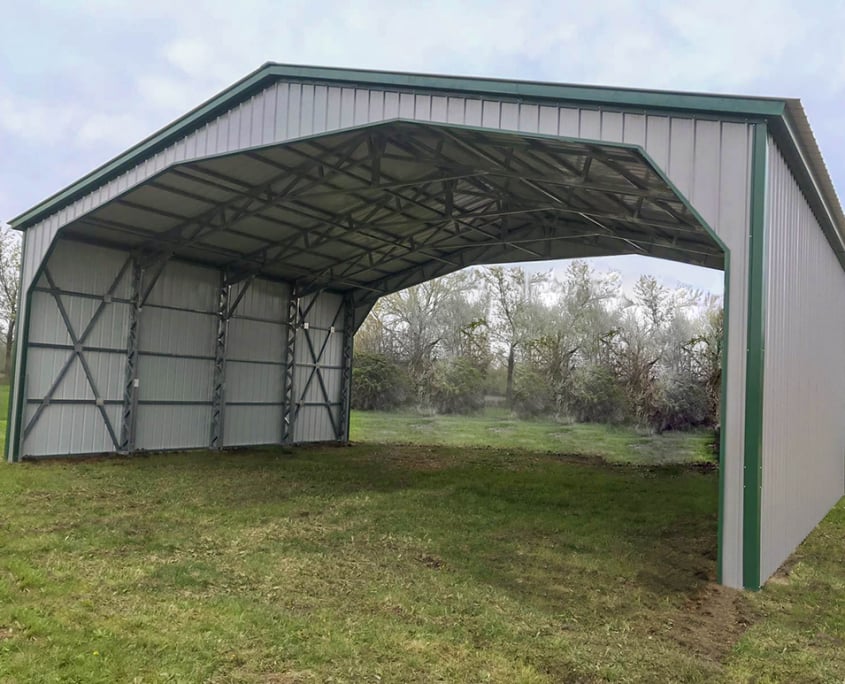
Regular roof style features horizontal panels running perpendicular to the frame with rounded eaves. While the most economical option, this style can be more challenging to insulate effectively due to its curved profile. It works well in areas with light precipitation and moderate snow loads.
A-frame (boxed eave) carports utilize horizontal panels with enclosed eaves, creating a cleaner appearance and better water runoff. The boxed design simplifies insulation installation and provides superior protection against wind-driven rain. Many customers exploring A-frame carport options appreciate the enhanced durability and professional aesthetic.
Vertical roof systems represent the premium choice for insulated carports. Panels run vertically from ridge to eave, allowing precipitation and debris to slide off efficiently. This design handles heavy snow loads better and provides the cleanest interior ceiling for insulation installation. The vertical orientation also reduces the likelihood of panel separation during extreme weather events.
Size and Height Specifications
Insulated carports range from compact single-car units to wide span metal structures exceeding 30 feet in width, accommodating multiple vehicles or serving as workshop spaces. Standard widths include 12, 18, 20, 22, 24, and 30 feet, with custom dimensions available for unique requirements.
Height considerations become critical when planning insulation installation. Standard leg heights start at 6 feet but can extend to 16 feet or more for RVs, boats, or commercial equipment. Additional height provides better air circulation and simplifies the insulation process by allowing easier access to roof areas.
Common size configurations:
- Single vehicle: 12' x 20' with 7' legs
- Double carport: 20' x 20' with 8' legs
- RV cover: 14' x 40' with 14' legs
- Workshop: 24' x 30' with 10' legs
- Commercial storage: 30' x 50' with 12' legs
Installation Considerations and Best Practices
Proper installation determines whether your insulated carport delivers its full potential for temperature control and longevity. Several factors influence the installation process and final performance.
Site Preparation Requirements
Level foundations are essential for insulated carports, as uneven surfaces create stress points that can compromise structural integrity over time. Concrete slabs, gravel beds, or asphalt pads all work well, depending on your budget and local building codes.
Adequate drainage prevents water accumulation around the foundation, which could lead to rust on anchor points and reduce the structure's lifespan. Proper grading directs water away from the carport perimeter. When planning metal carport installations in various regions, contractors assess local soil conditions and water table levels to recommend appropriate foundation solutions.
Electrical planning should occur before installation begins if you intend to add lighting, outlets, or climate control systems. Running conduit through the foundation or beneath the structure during installation is significantly easier than retrofitting later.
Professional vs. DIY Installation
While some property owners possess the skills for DIY carport installation, insulated structures present additional complexity that often warrants professional expertise. The insulation process requires careful attention to detail to avoid thermal bridges and ensure complete coverage.
Professional installers bring specialized tools and experience that accelerate the process while ensuring compliance with local building codes. They understand proper vapor barrier placement, recognize potential condensation issues, and can modify installation techniques based on regional climate factors.
For those committed to self-installation, thorough research and careful planning are essential. Understanding insulated carport roofing benefits helps you appreciate why precision matters during assembly and insulation application.
Climate-Specific Applications
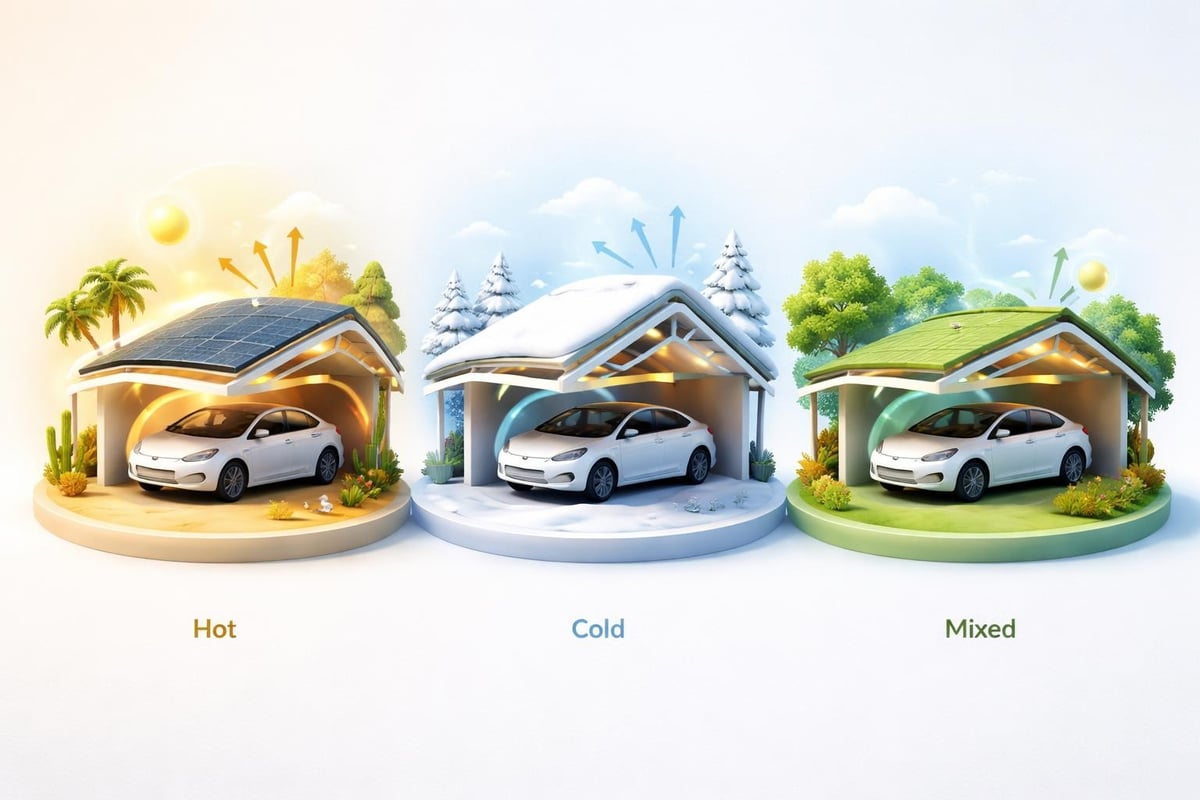
Regional weather patterns significantly influence insulated carport design and material selection. Tailoring your structure to local conditions maximizes performance and return on investment.
Hot Climate Considerations
In areas where summer temperatures regularly exceed 95°F, radiant heat becomes the primary concern. Metal roofs absorb solar radiation and transfer that heat into the interior space. Reflective insulation barriers combined with adequate roof ventilation combat this effect.
Light-colored roof panels reflect more sunlight than dark colors, reducing heat absorption by 15-20%. When paired with foam board or spray foam insulation, interior temperatures can remain 20-30°F cooler than uninsulated structures.
Southern states benefit from additional considerations like extended overhangs that provide shade during peak sun hours. The installation guidance for insulated carports in warm regions emphasizes ventilation strategies that work with insulation rather than against it.
Cold Climate Requirements
Northern regions demand insulation that prevents heat loss and protects against freezing temperatures. Higher R-values become important where winter temperatures drop below 20°F regularly.
Spray foam insulation excels in cold climates by creating an air barrier that prevents drafts and eliminates cold spots. This seamless coverage stops moisture infiltration that leads to ice damming on roof edges.
| Climate Zone | Recommended R-Value | Priority Features |
|---|---|---|
| Hot/Humid | R-13 to R-19 | Ventilation, reflective barriers |
| Hot/Dry | R-13 to R-19 | Radiant barriers, light colors |
| Cold | R-19 to R-30 | Air sealing, vapor barriers |
| Mixed | R-13 to R-25 | Balanced insulation, adaptability |
Snow load ratings must match local requirements, with steeper roof pitches (vertical style) shedding accumulation more effectively. Properties in states like Vermont or Wisconsin require engineering specifications that account for substantial snow weight.
Multi-Purpose Functionality
The controlled environment created by insulated carports enables uses far beyond simple vehicle storage. This versatility adds significant value to your property investment.
Workshop and Hobby Spaces
Temperature regulation makes insulated carports ideal for woodworking, automotive repair, metalworking, and other activities requiring comfortable working conditions. Consistent temperatures benefit tools, materials, and craftsmanship quality.
Paint and finishing work demand specific temperature ranges for proper curing. Insulated spaces maintain those conditions naturally, reducing the need for supplemental heating or cooling. Wood remains stable without the expansion and contraction that occurs in uninsulated buildings.
Tool and equipment protection improves dramatically when stored in climate-controlled spaces. Power tools, air compressors, and precision instruments experience less wear from humidity fluctuations and temperature extremes.
Additional Storage Solutions
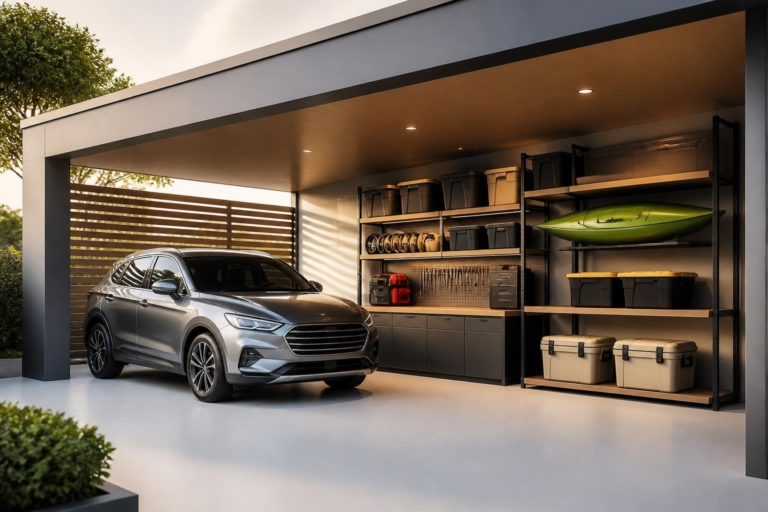
Beyond vehicles and workshops, insulated carports serve as excellent storage for temperature-sensitive items. Seasonal decorations, outdoor furniture during winter months, and gardening equipment all benefit from protection against extreme conditions.
Some property owners convert portions of their insulated carports into enclosed storage rooms by adding walls and doors. This creates secure, climate-controlled space for valuable items at a fraction of the cost of traditional building additions. When exploring options to create your own custom garage space, consider how insulation expands the structure's potential uses.
Maintenance and Long-Term Care
Proper maintenance extends the lifespan of insulated carports while preserving their performance characteristics. Regular attention to key components prevents minor issues from developing into costly repairs.
Routine Inspection Schedule
Quarterly inspections help identify potential problems early. Check the following elements during each review:
- Roof panels: Look for loose screws, separated seams, or damage from debris
- Insulation integrity: Verify no moisture intrusion or compression has occurred
- Foundation anchors: Ensure all connections remain tight and rust-free
- Gutters and drainage: Clear debris that could cause water backup
- Door and window seals: Replace worn weatherstripping promptly
Annual professional inspections catch issues that might escape casual observation. Trained technicians assess structural integrity, identify rust development in early stages, and verify that insulation maintains its R-value.
Cleaning and Protection
Metal surfaces benefit from periodic cleaning with mild soap and water. This removes accumulated dirt, pollen, and pollutants that can degrade protective coatings over time. Avoid abrasive cleaners or power washing at high pressure, which may damage paint finishes.
Touching up scratches or chips in the metal coating prevents rust from taking hold. Small paint repair kits specifically formulated for metal buildings are readily available and easy to apply.
Interior insulation typically requires no maintenance if properly installed with vapor barriers. However, inspect for any signs of moisture accumulation, which indicates ventilation issues or envelope breaches needing attention. Essential maintenance practices for enclosed structures apply equally to insulated carports.
Cost Analysis and Investment Value
Understanding the financial aspects of insulated carports helps you make informed decisions aligned with your budget and long-term goals. While initial costs exceed basic carport options, the investment delivers returns through energy savings and increased property value.
Price Factors and Budget Planning
Several variables influence the total cost of insulated carports. Base pricing starts with structure size and roof style, then increases with customization options and insulation quality.
Primary cost drivers include:
- Square footage and height specifications
- Roof style (regular, A-frame, or vertical)
- Insulation type and R-value
- Gauge of steel framing
- Panel thickness and coating quality
- Enclosed walls versus open sides
- Additional features like windows, doors, or electrical
Entry-level insulated carports typically cost 30-50% more than comparable uninsulated structures. However, when factoring in energy savings and reduced vehicle maintenance costs, many owners recoup the additional investment within 5-7 years.
Regional variations affect pricing based on installation complexity, local building code requirements, and delivery distances. For accurate estimates, consult with suppliers familiar with carport options in your specific state.
Return on Investment Considerations
Property value increases represent another financial benefit of insulated carports. Real estate professionals note that well-designed outbuildings with climate control capabilities appeal to buyers seeking versatile property features.
The multiple benefits of quality carport installation extend beyond immediate utility to include long-term asset appreciation. Insulated structures maintain their condition better than uninsulated alternatives, requiring fewer repairs and retaining aesthetic appeal longer.
Insurance premiums may decrease when vehicles are stored in enclosed, insulated structures rather than outdoors. Consult your insurance provider about potential savings that offset some installation costs.
Material Selection and Durability
The quality of materials used in insulated carport construction directly impacts longevity and performance. Understanding different options helps you balance initial investment against expected lifespan.
Steel Grade and Coating Systems
Metal carports utilize galvanized steel for corrosion resistance, with additional protective coatings enhancing durability. The gauge rating indicates steel thickness, while coating type determines weather resistance.
12-gauge steel framing provides superior strength for structures in high-wind areas or those requiring extended clear spans. This heavier-gauge material resists bending and maintains structural integrity under significant loads.
14-gauge framing offers excellent performance for most residential applications at a lower cost than 12-gauge. It handles standard snow loads and wind ratings while providing decades of reliable service.
Panel coatings range from basic galvanized finishes to premium systems with multiple protective layers. Different carport materials affect maintenance requirements and lifespan expectations.
| Coating Type | Expected Lifespan | Rust Resistance | Color Options |
|---|---|---|---|
| Galvanized | 20-25 years | Good | Limited (silver) |
| Painted Galvanized | 25-30 years | Very Good | Multiple |
| Premium Multi-Layer | 30-40 years | Excellent | Wide variety |
Insulation Longevity
Quality insulation materials maintain their R-value for decades when properly installed and protected from moisture. Closed-cell spray foam shows minimal degradation over time and resists settling that reduces effectiveness.
Fiberglass batts require vapor barriers to prevent moisture absorption, which can compress the material and reduce thermal performance. When installed correctly with appropriate moisture protection, fiberglass delivers consistent results for 25-30 years.
Foam board insulation combines durability with stable R-values across its service life. Rigid panels resist compression and moisture intrusion better than fiberglass alternatives.
Permit Requirements and Building Codes
Before installing an insulated carport, understanding local regulations prevents costly delays and ensures compliance with safety standards. Requirements vary significantly by jurisdiction.
Common Permit Considerations
Most municipalities require building permits for permanent structures exceeding certain size thresholds. Typical trigger points include structures over 200 square feet or those anchored to permanent foundations.
Setback requirements dictate how close to property lines you can build. These regulations protect sight lines, maintain neighborhood aesthetics, and ensure adequate access for emergency vehicles.
Height restrictions may limit how tall your insulated carport can be, particularly in residential zones. Some areas impose additional restrictions in historic districts or communities with homeowners' associations.
Wind and snow load specifications ensure structures can withstand local weather extremes. Engineering certifications verify that your insulated carport meets or exceeds these requirements.
Zoning and Land Use
Zoning classifications determine allowable uses for your property. Agricultural zones typically permit larger structures with fewer restrictions, while residential zones may limit size and placement options.
Some jurisdictions differentiate between open carports and enclosed structures, applying different regulations to each category. Adding walls and insulation might reclassify your structure, triggering additional requirements.
Consulting local building departments early in the planning process clarifies expectations and helps avoid design modifications after ordering your structure. Professional installers familiar with regional codes streamline this process significantly.
Insulated carports represent a smart investment for property owners seeking superior vehicle protection, energy efficiency, and versatile space utilization that extends far beyond basic weather protection. By selecting appropriate insulation materials, roof styles, and customization options tailored to your climate and needs, you create a structure that delivers decades of reliable performance. Metal Structure Sales LLC specializes in designing and installing high-quality insulated metal structures customized to your specific requirements, with delivery and professional installation included to ensure your investment provides maximum value from day one. Explore your options and start protecting your vehicles with a premium Metal Structure Sales LLC insulated carport today.