

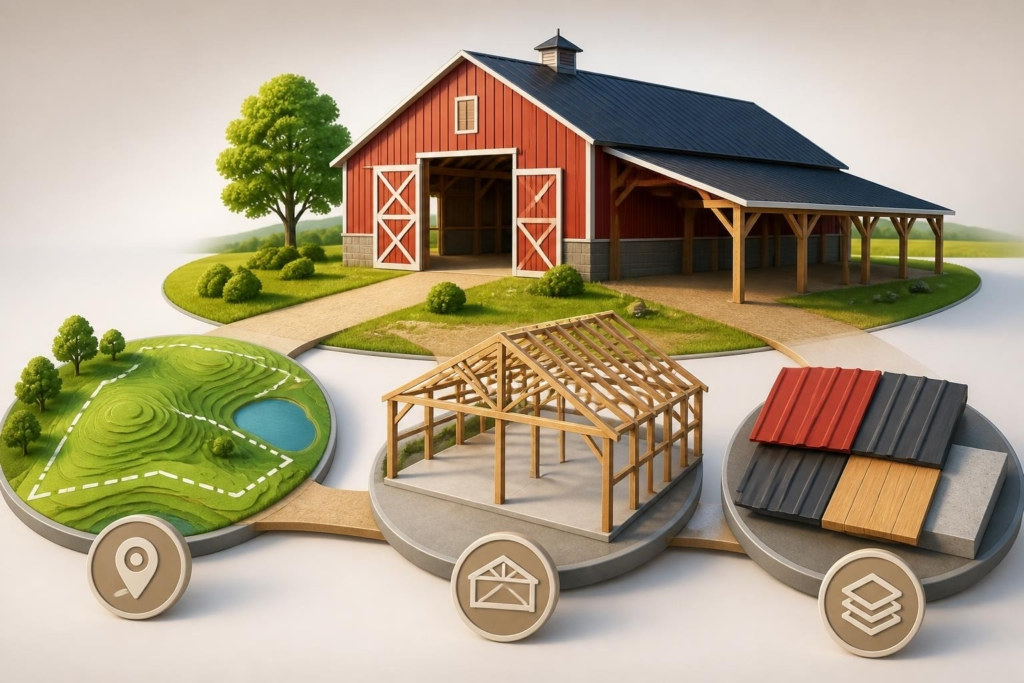
Barn building represents one of the most significant investments for property owners, agricultural operations, and livestock enthusiasts. Whether you're planning to house horses, store equipment, or create workspace for your farm, understanding the fundamentals of barn construction ensures you'll create a structure that serves your needs for decades. Modern barn building combines traditional structural principles with innovative materials and techniques that deliver superior durability, cost-effectiveness, and functionality compared to methods used even a decade ago.
Planning Your Barn Building Project
Before breaking ground on any barn building project, comprehensive planning establishes the foundation for success. The initial planning phase determines everything from structural requirements to long-term maintenance costs.
Defining Purpose and Requirements
Every successful barn building project starts with a clear understanding of its intended use. Agricultural barns require different specifications than equipment storage facilities or horse barns. Consider the following factors:
- Primary function: livestock housing, equipment storage, workshop space, or multi-purpose use
- Capacity requirements: number of animals, vehicle count, or square footage needed
- Special features: tack rooms, wash stalls, office space, or living quarters
- Future expansion: planning for growth prevents costly renovations later
Document your specific needs in detail. A horse barn requires stall dimensions, ventilation systems, and flooring materials that differ significantly from a general storage barn. Understanding your facility’s purpose shapes every subsequent decision in the building process.
Budget Considerations and Cost Factors
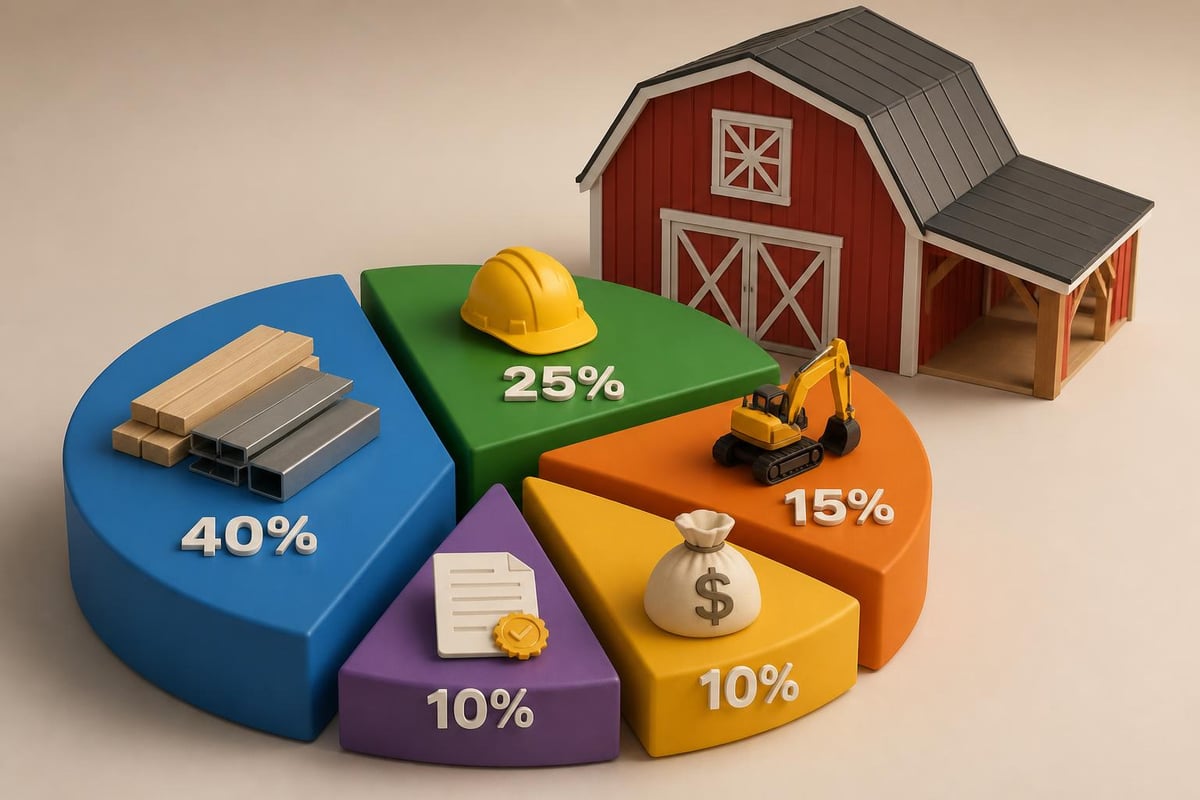
Barn building costs vary dramatically based on size, materials, location, and complexity. Creating a realistic budget prevents financial surprises during construction.
| Cost Category | Percentage of Total | Key Variables |
|---|---|---|
| Materials | 40-50% | Steel, wood, roofing, siding |
| Labor | 25-35% | Professional vs. DIY, complexity |
| Site Preparation | 10-15% | Grading, drainage, foundation |
| Permits & Fees | 5-8% | Local regulations, inspections |
| Contingency | 10-15% | Unexpected issues, changes |
Modern metal structures often provide significant cost advantages over traditional wood construction. Steel buildings typically install faster, require less maintenance, and offer superior longevity. When evaluating your budget, consider the total cost of ownership over 20-30 years rather than just initial construction expenses.
Site Selection and Preparation
The location you choose for barn building directly impacts drainage, accessibility, environmental conditions, and daily operational efficiency. Poor site selection creates ongoing problems that expensive construction cannot remedy.
Evaluating Terrain and Drainage
Water management ranks among the most critical considerations in barn building. Structures built in low-lying areas or locations with poor drainage face moisture problems, foundation issues, and accelerated deterioration.
Select sites with natural drainage away from the building. Proper barn siting requires evaluating how water flows across your property during heavy rain. Ideally, position your barn on slightly elevated ground with a gentle slope that directs water away from the foundation.
Test soil composition before finalizing your location. Clay-heavy soils retain moisture and may require additional drainage solutions. Sandy or gravelly soils typically drain well but may need reinforcement for foundation stability. Professional soil testing costs several hundred dollars but prevents thousands in future remediation expenses.
Accessibility and Orientation
Daily operations become significantly easier when barn building incorporates thoughtful accessibility planning. Consider vehicle access for feed delivery, veterinary visits, and equipment movement. Plan for adequate turnaround space, especially for larger vehicles and trailers.
Building orientation affects natural lighting, ventilation, and energy efficiency. In North America, positioning the long axis east-west maximizes natural light while minimizing direct summer sun exposure. Southern exposures provide beneficial winter warmth, while northern sides require weather protection.
Structural Framework and Building Methods
Modern barn building offers multiple framing techniques, each with distinct advantages for different applications and budgets. Understanding these methods helps you select the optimal approach for your specific needs.
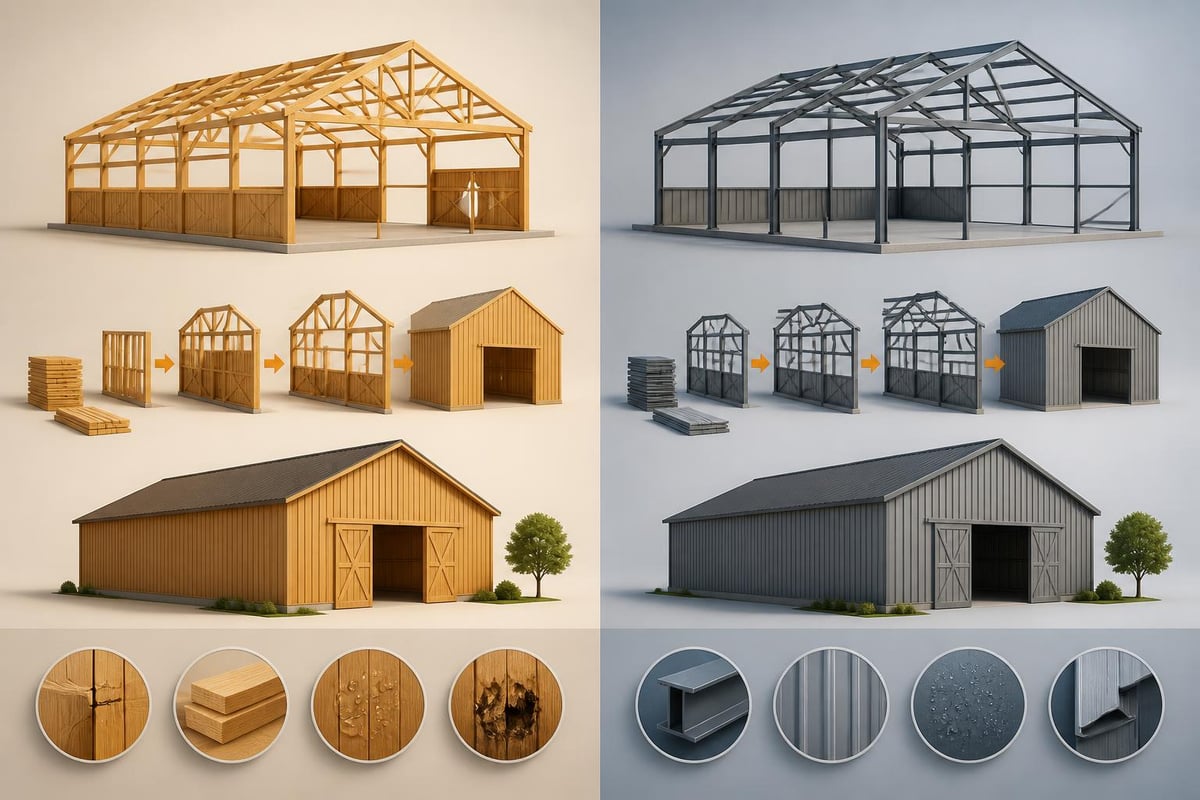
Traditional Wood Frame Construction
Wood framing represents the historical standard for barn building, utilizing dimensional lumber for posts, beams, and rafters. This method offers design flexibility and uses readily available materials.
Advantages of wood frame construction:
- Familiar to most contractors and builders
- Allows for custom modifications during construction
- Natural insulation properties
- Traditional aesthetic appeal
Wood structures require regular maintenance including painting, sealing, and periodic replacement of deteriorated components. Termites, moisture damage, and fire risk present ongoing concerns that demand vigilant monitoring.
Metal Building Systems
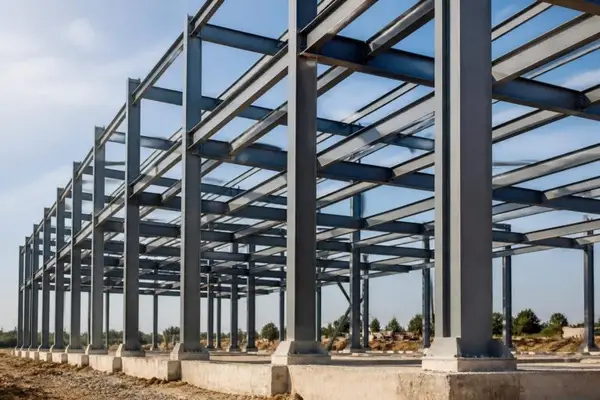
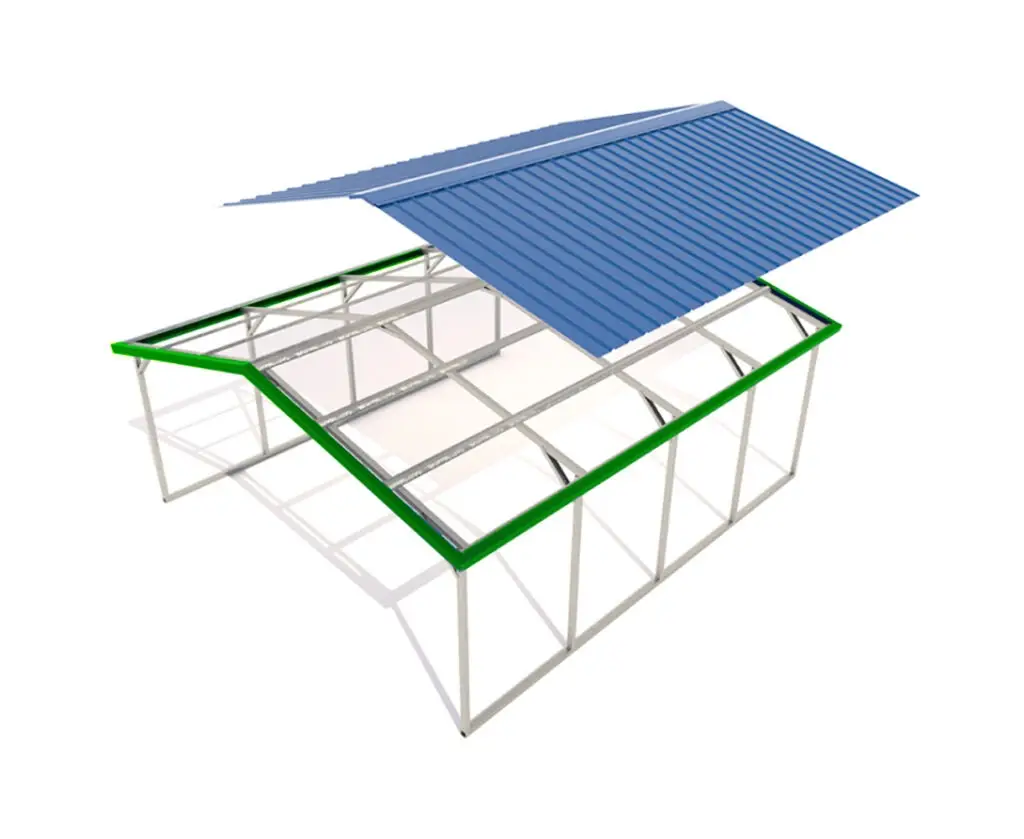
Steel and metal building systems have revolutionized barn building over the past two decades. These structures utilize engineered metal frames with metal roofing and siding panels.
Metal barns deliver exceptional strength-to-weight ratios, requiring fewer interior support columns and creating open, flexible spaces. The non-combustible nature of steel provides inherent fire resistance, while modern galvanized and coated finishes resist rust and corrosion for decades.
Installation speed represents another significant advantage. Prefabricated metal components arrive ready for assembly, reducing on-site construction time by 50-70% compared to traditional methods. For those seeking versatile storage solutions with minimal maintenance requirements, exploring steel metal building options provides insight into modern construction capabilities.
Post-Frame Construction Techniques
Post-frame (pole barn) construction offers a hybrid approach that combines simplicity with structural efficiency. This building method embeds vertical posts directly in the ground or in concrete footings, eliminating the need for a complete foundation.
Post-frame barn building works exceptionally well for agricultural applications requiring large, open interior spaces. The technique accommodates wide spans without interior supports, creating flexible layouts for equipment storage or livestock housing.
Roofing and Siding Materials
Material selection for your barn's exterior envelope affects appearance, durability, maintenance requirements, and long-term costs. Both roofing and siding deserve careful consideration during the barn building planning phase.
Roofing Options and Performance
| Roofing Material | Lifespan | Maintenance | Cost | Best For |
|---|---|---|---|---|
| Metal Panels | 40-60 years | Very Low | Medium | All climates, durability |
| Asphalt Shingles | 20-30 years | Medium | Low | Traditional appearance |
| Standing Seam Metal | 50+ years | Minimal | High | Premium applications |
| Corrugated Metal | 30-40 years | Low | Low-Medium | Budget-conscious projects |
Metal roofing dominates modern barn building for compelling reasons. The material sheds snow and rain efficiently, resists fire, and reflects solar heat to reduce interior temperatures. Properly installed metal roofs require virtually no maintenance beyond occasional inspections.
Ventilation integration represents a critical roofing consideration. Ridge vents, gable vents, and cupolas facilitate air movement that prevents moisture accumulation and maintains comfortable interior conditions for livestock or stored materials.
Siding Choices and Protection
Barn siding serves both aesthetic and protective functions. The exterior envelope shields the interior from weather, provides insulation properties, and defines the structure's visual character.
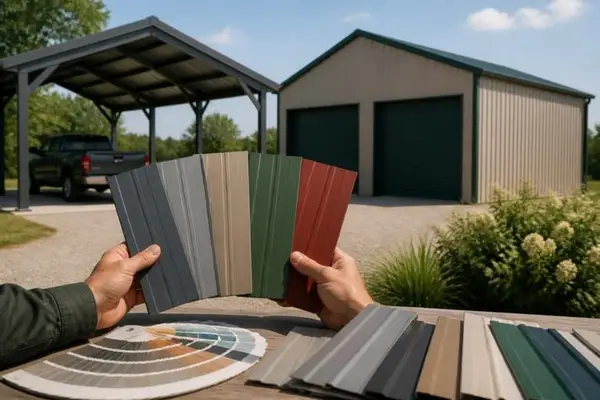
Metal siding panels offer exceptional durability and minimal maintenance. Modern finishes come in numerous colors and textures, including options that replicate traditional wood appearance. The material resists rot, insect damage, and fire while providing decades of service.
Wood siding delivers classic barn aesthetics but requires regular staining or painting to prevent deterioration. Composite materials attempt to balance wood's appearance with improved weather resistance, though costs typically exceed both wood and metal alternatives.
Interior Design and Functionality
The interior layout profoundly impacts daily barn operations. Thoughtful barn building incorporates workflow efficiency, safety considerations, and flexibility for future modifications.
Layout Planning for Efficiency
Organize your barn's interior based on usage patterns and operational flow. Equipment storage barns benefit from wide aisles and strategic door placement that minimizes maneuvering. Horse barns require stall arrangements that facilitate feeding, cleaning, and animal movement.
Consider these layout principles:
- Traffic patterns: Minimize congestion points where people, animals, or equipment frequently cross paths
- Storage accessibility: Place frequently used items near entry points
- Utility placement: Position water sources, electrical panels, and lighting strategically
- Future flexibility: Design spaces that accommodate changing needs without major reconstruction
Creating distinct zones for different activities improves organization and safety. Separate storage areas from work zones, and isolate equipment that generates noise or dust from livestock areas.
Flooring and Foundation Requirements
Foundation and flooring specifications vary significantly based on your barn's purpose. Horse facility construction demands careful attention to stall flooring that provides drainage, cushioning, and traction.
Concrete floors offer durability and easy cleaning for equipment storage and work areas. However, solid concrete proves too hard for livestock comfort without rubber mats or bedding. Gravel or crushed stone foundations work well for general storage applications while providing natural drainage.
Climate Considerations and Insulation
Regional climate significantly influences barn building specifications. Structures in northern climates require different design elements than those in southern or coastal regions.
Temperature Control Strategies
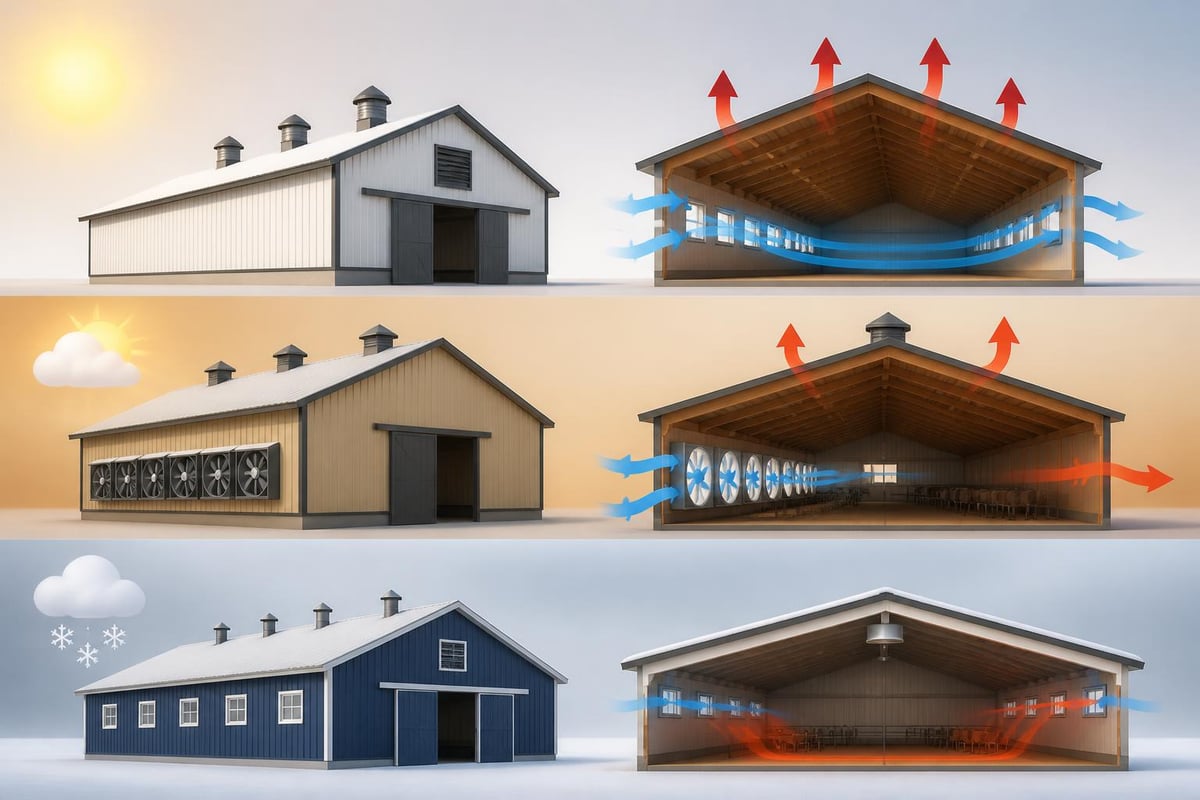
Effective ventilation prevents moisture accumulation that damages structures and creates unhealthy conditions. Natural ventilation through strategically placed openings often suffices for livestock barns, utilizing thermal buoyancy as warm, moist air rises and exits through roof vents while fresh air enters at lower levels.
Insulation requirements depend on your barn's use. Climate-controlled workshops or living spaces require comprehensive insulation in walls, roof, and potentially floors. Agricultural storage typically needs minimal insulation, while livestock housing benefits from moderate insulation that stabilizes temperatures without eliminating necessary air exchange.
Weather Protection Features
Design your barn building to withstand local weather extremes. Snow load capacity matters in northern regions, while hurricane-resistant construction proves essential in coastal areas. Wind resistance affects roof design, siding attachment methods, and door specifications.
Proper roof overhang protects siding and foundation from water damage. Gutters and downspouts direct rainwater away from the building, preventing erosion and moisture infiltration. In regions with heavy snow, steeper roof pitches facilitate snow shedding and reduce structural load.
Permitting and Regulatory Compliance
Nearly all barn building projects require permits and must comply with local building codes, zoning regulations, and agricultural ordinances. Navigating these requirements early prevents costly delays and modifications.
Understanding Local Requirements
Building codes vary by jurisdiction, establishing minimum standards for structural safety, electrical systems, and fire protection. Agricultural buildings sometimes receive exemptions from certain residential building standards, but never assume exemptions apply without verification.
Contact your local building department during early planning stages. Present preliminary plans and inquire about:
- Required permits and application procedures
- Setback requirements from property lines
- Height restrictions and size limitations
- Septic, water, and utility regulations
- Environmental impact assessments
Zoning ordinances may restrict barn placement, size, or use in certain areas. Some residential zones prohibit livestock or limit commercial activities that might operate from barn structures.
Professional Assistance and Inspections
Hiring professionals for design, engineering, or construction ensures compliance with building codes and industry standards. Modern barn construction processes often involve architects or engineers who create plans that satisfy regulatory requirements while optimizing functionality.
Budget for multiple inspections throughout construction. Foundation, framing, electrical, and final inspections typically occur at different project stages. Schedule inspections promptly to avoid construction delays, and never cover work that requires inspection before receiving approval.
Modern Materials and Innovations
Barn building continues evolving as new materials and construction technologies emerge. Staying informed about innovations helps you make decisions that improve performance while potentially reducing costs.
Advanced Metal Building Systems
Today's metal building systems incorporate sophisticated engineering that maximizes strength while minimizing material usage. Computer-aided design optimizes every component for specific load requirements, eliminating waste and reducing costs.
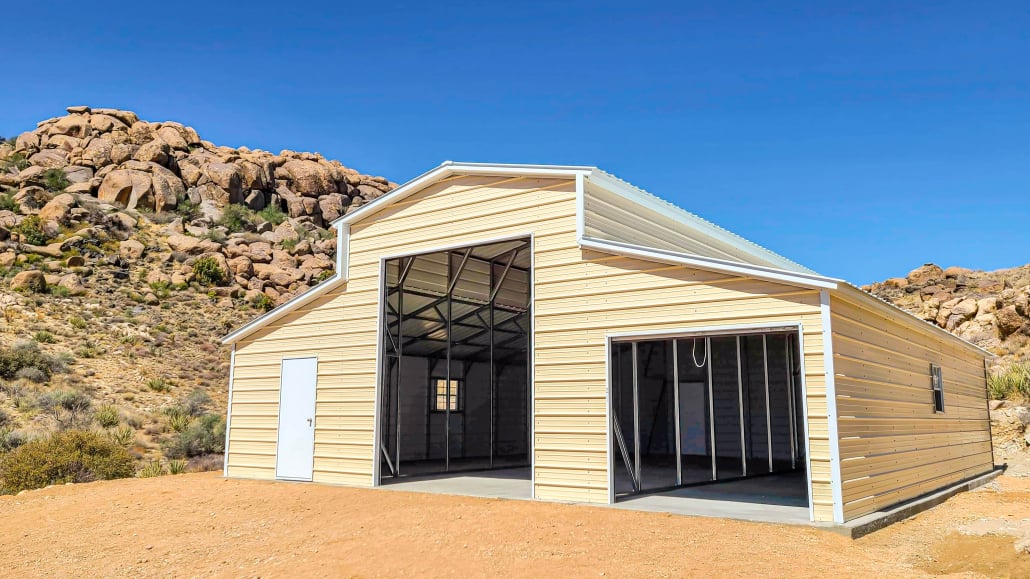
Metal Horse Barns from specialized manufacturers combine the durability of steel construction with features specifically designed for equine care. These structures include proper ventilation systems, appropriate stall dimensions, and corrosion-resistant finishes that withstand the challenging barn environment. Customizable metal horse barns demonstrate how modern materials meet traditional agricultural needs with superior performance and longevity.
Sustainable Building Practices
Environmental consciousness increasingly influences barn building decisions. Sustainable practices reduce environmental impact while often lowering operating costs.
Energy-efficient design minimizes heating and cooling expenses. Proper insulation, strategic window placement, and reflective roofing materials reduce energy consumption significantly. Solar panels integrated during initial construction cost less than retrofitting and provide long-term energy savings.
Recycled and recyclable materials appeal to environmentally conscious builders. Steel buildings use recycled content and remain fully recyclable at the end of their service life. Responsible forestry certifications identify wood products from sustainably managed sources.
Customization and Special Features
Modern barn building accommodates virtually unlimited customization, allowing you to create structures that precisely match your requirements and preferences.
Tailoring Design to Specific Needs
Generic barn designs rarely optimize functionality for specialized applications. Custom design addresses unique requirements that standard plans overlook.
Equipment storage barns benefit from wide span construction that eliminates interior columns, maximizing usable space and simplifying vehicle maneuvering. Extra height accommodates tall equipment or provides overhead storage using loft areas.
Multi-purpose facilities might combine enclosed workshop space with open carport areas. These hybrid designs deliver versatility for operations requiring both weather protection and covered parking without constructing separate buildings.
Adding Value-Enhancing Features
Strategic feature additions increase your barn's functionality and property value. Consider incorporating:
- Electrical systems: Adequate outlets, proper lighting, and dedicated circuits for equipment
- Water supply: Frost-free hydrants, wash stations, and automatic waterers
- Storage solutions: Built-in shelving, tack rooms, and organized equipment areas
- Climate control: Ceiling fans, heaters, or air conditioning for comfort
- Security features: Locks, cameras, and alarm systems for valuable equipment
Quality lighting transforms barn usability. Natural light through windows or translucent roof panels reduces electricity costs while creating pleasant working conditions. LED fixtures provide bright, efficient artificial lighting when needed.
Maintenance and Long-Term Care
Protecting your barn building investment requires ongoing maintenance that prevents minor issues from becoming major problems. Establishing regular maintenance schedules preserves structural integrity and extends service life.
Routine Inspection Checklist
Conduct comprehensive inspections at least twice annually, preferably in spring and fall. Systematic examinations identify developing problems before they cause significant damage.
Inspect these critical areas:
- Roof condition: Check for loose panels, damaged flashing, or deteriorating sealant
- Gutters and drainage: Ensure water flows freely away from the building
- Foundation: Look for cracks, settling, or moisture intrusion
- Doors and hardware: Verify smooth operation and secure latching
- Siding: Examine for dents, scratches, or gaps requiring attention
- Interior structure: Assess framing connections and signs of stress
Document inspection findings with photographs and notes. Tracking condition changes over time reveals patterns that indicate developing issues requiring professional assessment.
Preventive Maintenance Strategies
Proactive maintenance costs far less than reactive repairs after damage occurs. Simple preventive measures protect your barn building investment effectively.
Keep vegetation trimmed away from the structure. Trees and shrubs touching siding trap moisture and provide pathways for insects. Maintain at least three feet of clearance around the entire perimeter.
Address minor damage immediately. Small roof leaks quickly become major problems as water infiltrates insulation and structural components. Tighten loose fasteners, seal gaps, and repair damage promptly to prevent escalation.
Successful barn building combines thoughtful planning, quality materials, proper construction techniques, and ongoing maintenance to create structures that serve your needs reliably for decades. Whether you're constructing agricultural facilities, equipment storage, or specialized structures, understanding these fundamental principles ensures your project delivers lasting value. Metal Structure Sales LLC specializes in durable, customizable metal buildings designed specifically for agricultural and storage applications, offering complete solutions with delivery and installation included to simplify your construction process.