

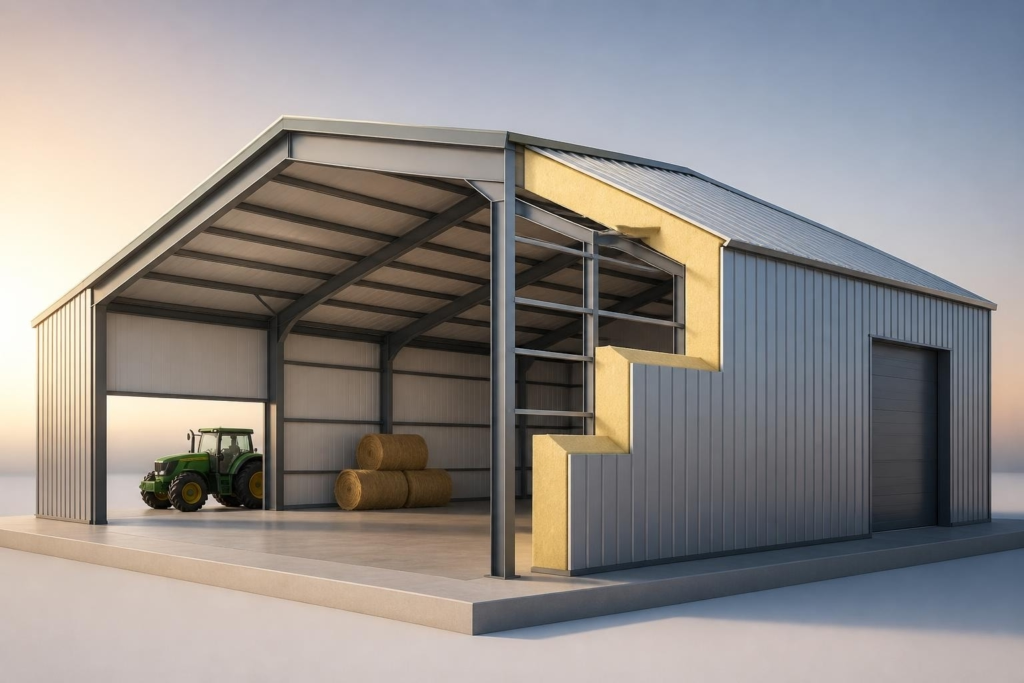
The construction industry has witnessed a significant shift toward energy-efficient building solutions, and insulated metal buildings have emerged as a leading choice for commercial, agricultural, and residential applications. These structures combine the durability and cost-effectiveness of metal construction with superior thermal performance, creating spaces that maintain comfortable temperatures year-round while reducing operational costs. Whether you're planning a workshop, storage facility, equipment shelter, or agricultural building, understanding the advantages and specifications of insulated metal buildings helps you make an informed investment that pays dividends for decades.
Understanding Insulated Metal Building Construction
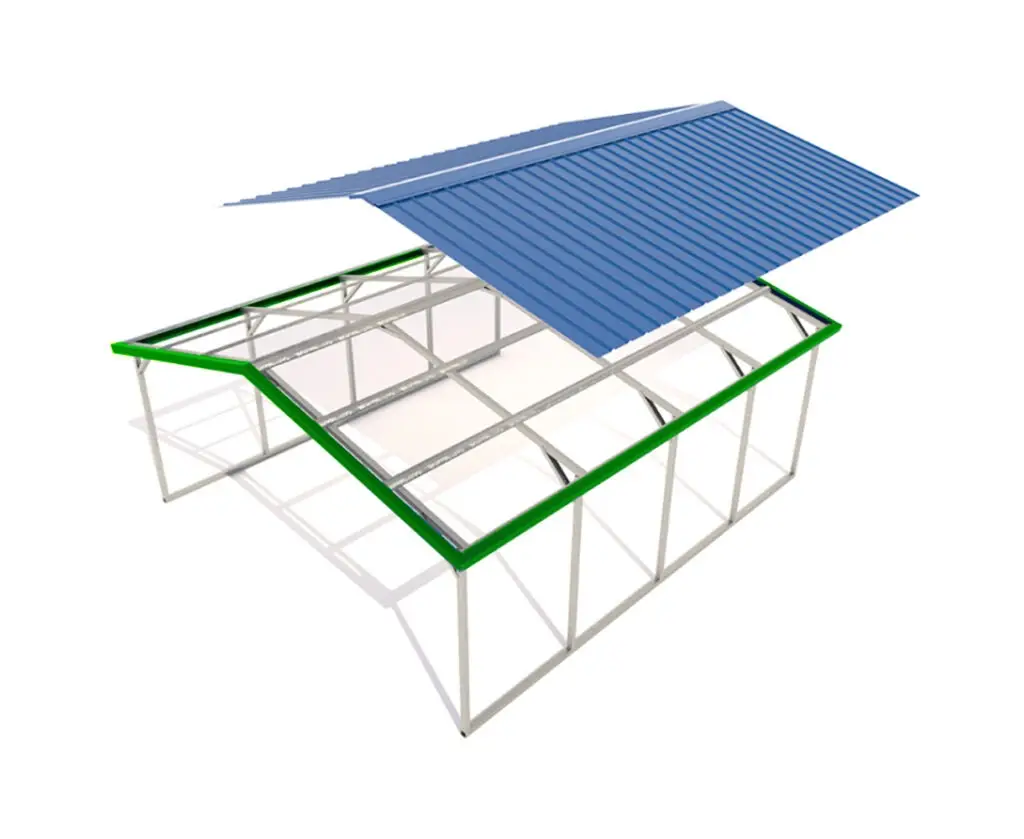
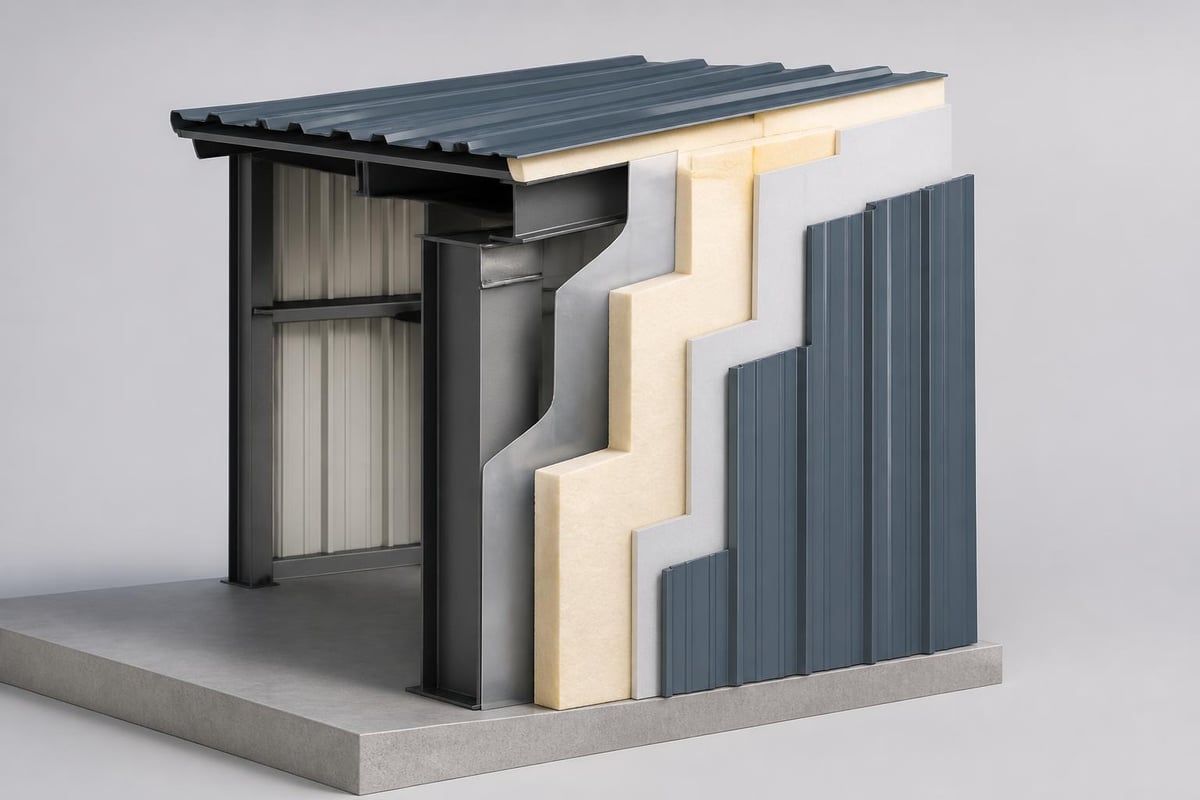
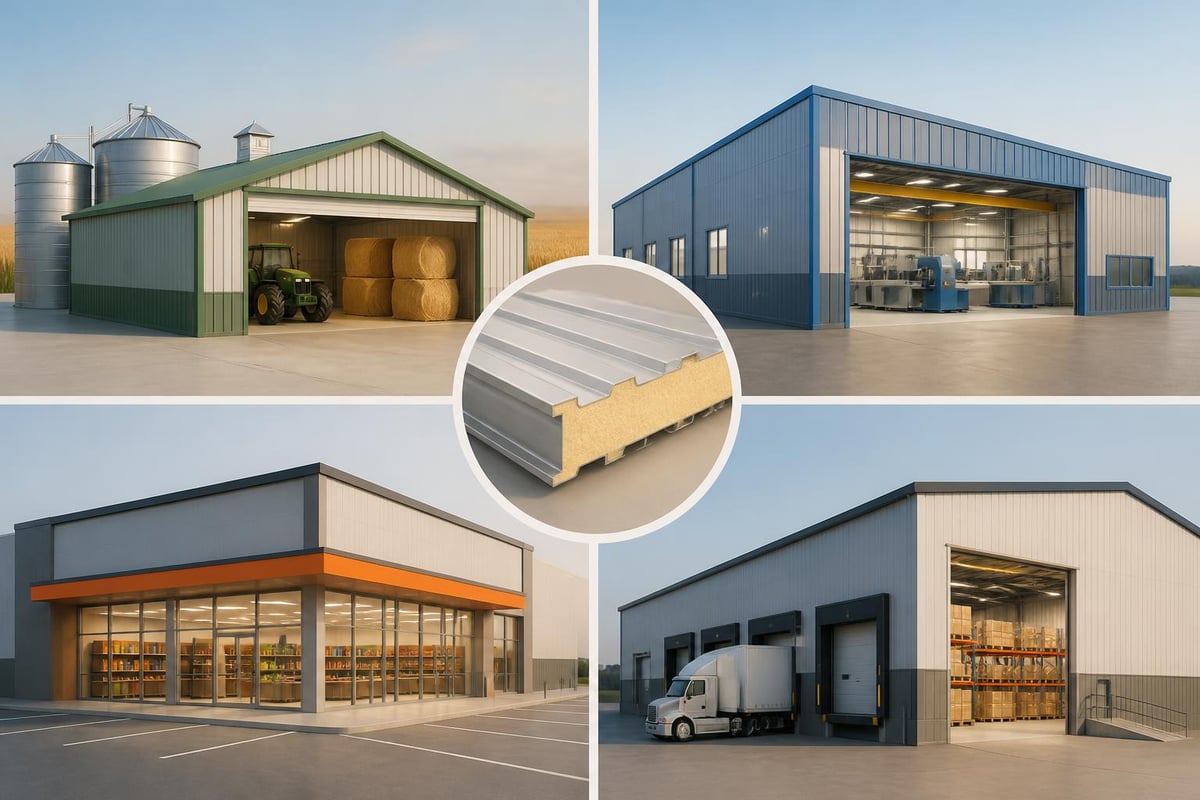
Insulated metal buildings utilize a sophisticated construction approach that integrates thermal barriers directly into the building envelope. Unlike traditional post-frame construction with added insulation, these structures often incorporate insulated metal panels that serve as both structural components and thermal barriers. The panels consist of rigid foam insulation sandwiched between two layers of metal, creating a continuous insulation layer that eliminates thermal bridging.
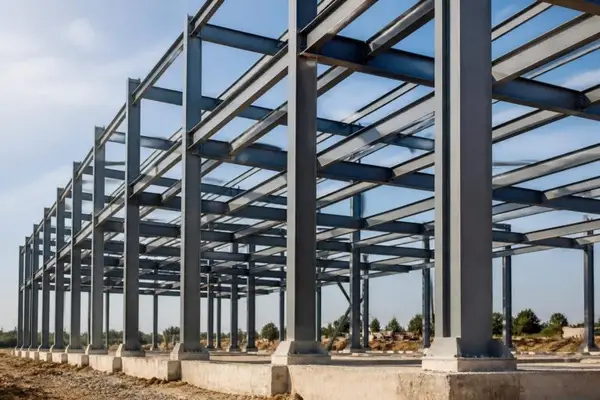
The engineering behind these structures focuses on three critical elements: structural integrity, thermal performance, and weather resistance. The metal framework provides exceptional strength-to-weight ratios, while the insulated panels create a tight building envelope that resists heat transfer. This combination results in buildings that withstand severe weather conditions while maintaining consistent interior temperatures regardless of external climate fluctuations.
Core Components of Insulated Metal Buildings
Modern insulated metal buildings incorporate several key elements that work together to deliver superior performance:
- Structural Steel Framework: Primary and secondary framing members engineered to support specific loads
- Insulated Panel Systems: Factory-manufactured panels with integrated foam cores ranging from R-13 to R-50
- Vapor Barriers: Moisture control systems that prevent condensation within wall and roof assemblies
- Thermal Breaks: Strategic placement of non-conductive materials to interrupt heat flow paths
- Weather Sealing: Precision-engineered joints and fastening systems that eliminate air infiltration
The choice of insulation type significantly impacts building performance. Polyurethane and polyisocyanurate foam cores offer the highest R-values per inch, while expanded polystyrene provides excellent moisture resistance at a lower cost point. Each material selection should align with your specific climate conditions and performance requirements.
Energy Efficiency and Cost Savings
The energy performance of insulated metal buildings represents one of their most compelling advantages. Buildings with properly installed insulated metal roof and wall panel systems can reduce heating and cooling costs by forty to sixty percent compared to conventional construction. This efficiency stems from the continuous insulation layer that eliminates thermal bridging common in traditional stick-framed buildings.
Temperature regulation becomes particularly critical in agricultural and commercial applications. Livestock facilities require stable environments to maintain animal health and productivity, while workshops and storage buildings protect sensitive equipment and materials from temperature extremes. The thermal mass created by insulated metal buildings helps moderate temperature swings, creating more stable interior conditions with less mechanical intervention.
Calculating Return on Investment
| Cost Factor | Traditional Building | Insulated Metal Building | Annual Savings |
|---|---|---|---|
| Heating Expenses | $4,200 | $2,100 | $2,100 |
| Cooling Expenses | $3,800 | $1,900 | $1,900 |
| Maintenance | $1,500 | $600 | $900 |
| Total Annual | $9,500 | $4,600 | $4,900 |
These calculations demonstrate how insulated metal buildings generate substantial savings over their lifespan. Most building owners recover their additional upfront investment within three to seven years through reduced utility expenses. Beyond direct cost savings, improved energy efficiency often qualifies for tax incentives and utility rebates that further enhance financial returns.
Design Flexibility and Customization Options
Insulated metal buildings offer remarkable versatility in design and configuration. Clear-span construction eliminates interior support columns, creating unobstructed floor space for equipment storage, livestock management, or commercial operations. Buildings can incorporate features such as overhead doors, windows, walk doors, and ventilation systems positioned precisely where needed for optimal functionality.
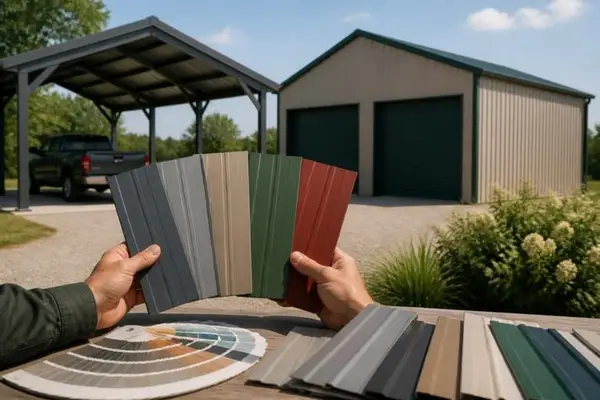
The aesthetic appeal of modern insulated metal buildings has evolved significantly beyond basic industrial appearance. Color options extend across the visible spectrum, allowing buildings to complement existing structures or meet specific branding requirements. Architectural details such as wainscoting, trim packages, and varied roof pitches create visual interest while maintaining the fundamental benefits of metal construction.
Common Building Configurations
Agricultural operations frequently benefit from specialized designs tailored to specific activities. Metal horse barns exemplify how insulated metal buildings adapt to unique requirements, providing proper ventilation for animal health while maintaining comfortable temperatures during extreme weather. These structures accommodate individual stalls, tack rooms, and storage areas within a single integrated design.
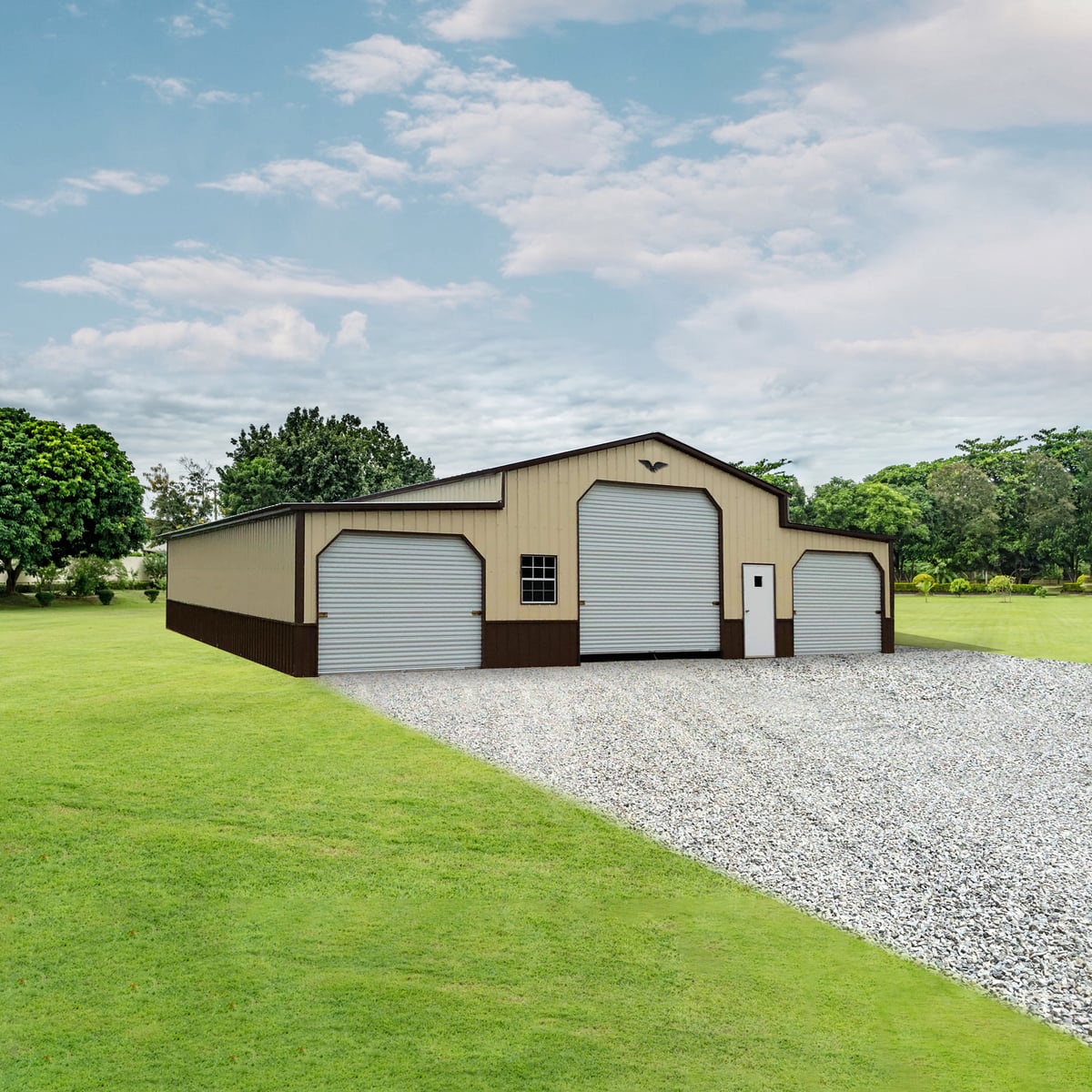
Commercial applications require different considerations:
- Workshop and Manufacturing: High ceilings for equipment clearance, multiple access points, and dedicated electrical service areas
- Cold Storage Facilities: Enhanced insulation specifications, specialized door systems, and moisture control provisions
- Retail Spaces: Customer-facing aesthetics, display lighting integration, and climate-controlled environments
- Equipment Storage: Wide-span designs for large machinery, proper drainage systems, and corrosion-resistant finishes
The modular nature of metal building construction enables future expansion without compromising existing structure integrity. Buildings can extend in length or add lean-to attachments as operational needs evolve, protecting your initial investment while accommodating growth.
Installation and Construction Timeline
Insulated metal buildings offer significant advantages in construction speed compared to conventional building methods. The prefabricated components arrive at the job site ready for assembly, reducing on-site labor requirements and minimizing weather-related delays. Most buildings reach weathertight status within days of construction commencement, allowing interior finish work to proceed regardless of external conditions.
Site preparation requirements remain similar to other construction types, including foundation work, utility connections, and proper drainage. However, the reduced weight of metal buildings often allows for simpler foundation designs compared to masonry or heavy timber structures. Pier foundations, slab-on-grade systems, or combination approaches provide adequate support depending on soil conditions and building specifications.
Construction Phase Breakdown
The typical installation sequence follows this pattern:
- Week 1: Site preparation, foundation installation, and utility rough-in
- Week 2-3: Primary framework erection and roof panel installation
- Week 4: Wall panel installation and trim details
- Week 5-6: Interior finishing, electrical work, and final inspections
Weather conditions and building complexity influence actual timelines, but the predictable nature of metal building construction allows for accurate scheduling. This reliability proves particularly valuable for commercial projects operating under strict deadlines or agricultural applications needing completion before specific seasonal demands.
Durability and Maintenance Requirements
The longevity of insulated metal buildings stems from their resistance to common structural threats. Metal framing does not support mold growth, provides no food source for termites or rodents, and withstands moisture exposure without degrading. Properly finished metal panels resist corrosion for decades, with many manufacturers offering warranties spanning thirty to fifty years on paint finishes and structural components.
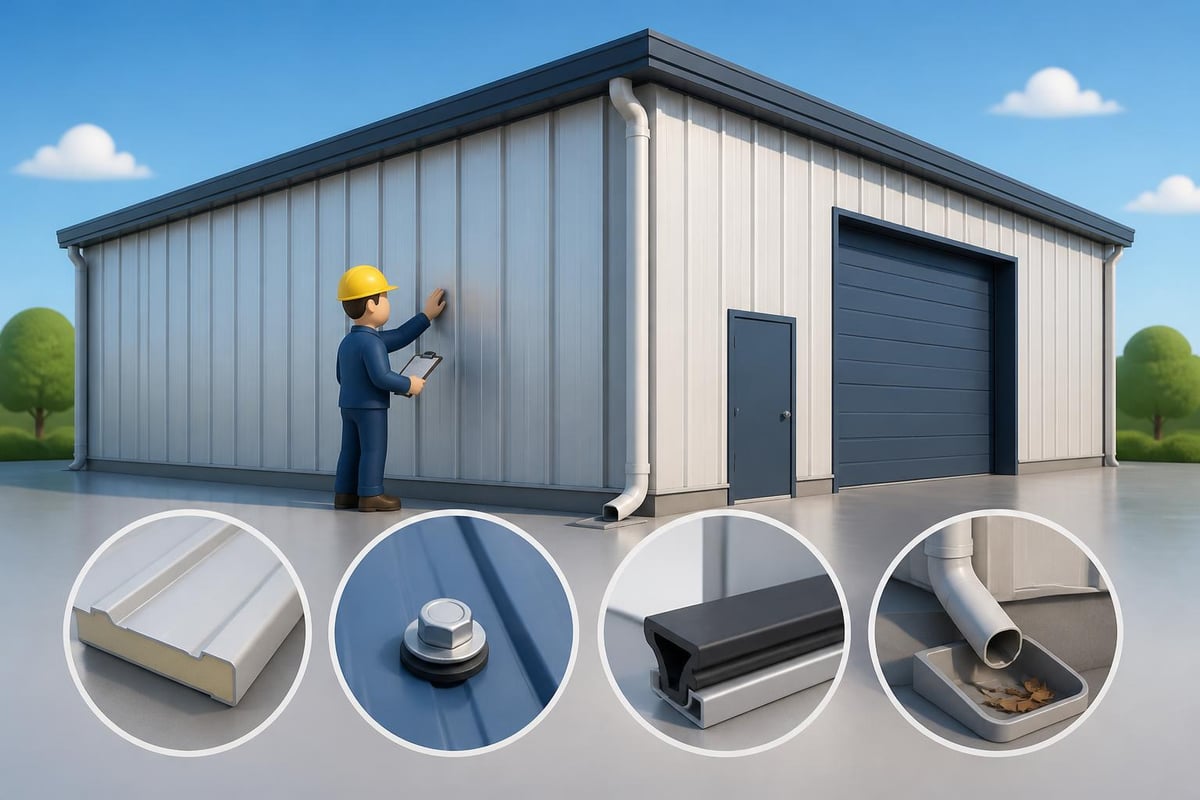
Maintenance requirements remain minimal compared to wood-framed structures. Annual inspections should verify proper functioning of doors, windows, and ventilation systems while checking for any damaged panels or compromised weather sealing. The thermal performance and structural integrity of quality insulated metal buildings requires little intervention when properly installed and maintained.
Long-Term Performance Factors
| Maintenance Item | Frequency | Typical Cost | Impact if Neglected |
|---|---|---|---|
| Panel Inspection | Annual | $0 (DIY) | Water infiltration |
| Fastener Tightening | Every 3 years | $200-400 | Panel detachment |
| Sealant Replacement | Every 5-7 years | $500-1,000 | Air leakage |
| Paint Touch-up | As needed | $100-300 | Corrosion development |
These modest maintenance requirements translate to lower lifetime ownership costs. The absence of wood components eliminates concerns about rot, warping, or insect damage that plague traditional construction. Metal buildings maintain their structural integrity and appearance with minimal intervention, making them ideal for remote locations or applications where maintenance access proves challenging.
Climate Considerations and Regional Performance
Insulated metal buildings perform exceptionally well across diverse climate zones, though specific design considerations optimize performance for regional conditions. Northern climates benefit from enhanced roof insulation to prevent ice dam formation and manage snow loads, while southern regions prioritize reflective roof coatings to minimize heat gain. The versatility of insulated metal panels in commercial and cold-storage applications demonstrates their adaptability to extreme thermal requirements.
Humidity control requires particular attention in coastal and tropical environments. Proper vapor barrier placement prevents condensation within wall assemblies, while adequate ventilation manages interior moisture levels. Buildings in high-humidity regions often incorporate continuous ridge vents, gable vents, or mechanical ventilation systems to maintain optimal conditions.
Wind resistance specifications must align with local building codes and historical weather patterns. Engineered connections between panels and structural members ensure buildings withstand hurricane-force winds in coastal zones, while proper anchoring prevents uplift in tornado-prone regions. The inherent strength of metal construction provides superior storm resistance compared to many alternative building materials.
Regional Design Adaptations
Cold climate optimizations include:
- Increased roof pitch for snow shedding
- Enhanced insulation values (R-40 to R-50)
- Heated foundations to prevent frost heaving
- Snow guards and ice retention systems
Hot climate considerations involve:
- Reflective roof coatings to reduce heat absorption
- Enhanced attic ventilation for heat dissipation
- Insulated overhead doors to minimize thermal transfer
- UV-resistant panel finishes for color retention
The flexibility of insulated metal buildings allows designers to address these regional requirements without compromising the fundamental benefits of metal construction. Proper specification ensures buildings perform optimally regardless of location or climate challenges.
Comparing Insulated Panel Technologies
The evolution of insulated metal panels for roof and wall systems has produced several distinct technologies, each offering specific advantages for different applications. Understanding these differences helps you select the optimal system for your building requirements and budget parameters.
Polyisocyanurate foam cores provide the highest R-value per inch of thickness, making them ideal where space constraints limit panel depth. These panels achieve R-values exceeding R-30 in relatively thin profiles, though they command premium pricing compared to alternative core materials. The closed-cell structure resists moisture absorption and provides excellent long-term thermal stability.
Expanded polystyrene cores offer excellent value for applications requiring moderate insulation performance. While providing lower R-values per inch than polyurethane products, EPS panels deliver consistent performance at lower cost points. Their moisture resistance and dimensional stability make them suitable for most commercial and agricultural applications.
Panel Profile and Joint Systems
Beyond core material selection, panel profile significantly impacts performance and aesthetics:
- Flat Panel Systems: Clean contemporary appearance with concealed fasteners and minimal visual interruption
- Ribbed Profiles: Enhanced structural strength with traditional agricultural building aesthetic
- Standing Seam: Premium weathertightness with vertical rib design that facilitates water drainage
- Corrugated Patterns: Cost-effective option providing adequate performance for budget-conscious projects
Joint design determines how effectively panels resist air and water infiltration. Tongue-and-groove systems create mechanical locks between adjacent panels, while ship-lap joints rely on sealant application for weatherproofing. The most advanced systems incorporate both mechanical interlocking and sealant redundancy for maximum protection against the elements.
Regulatory Compliance and Building Codes
Navigating building codes and permit requirements represents a critical aspect of insulated metal building projects. Most jurisdictions have adopted the International Building Code or similar standards that establish minimum requirements for structural design, energy efficiency, and life safety systems. Metal building manufacturers typically provide engineered drawings stamped by licensed professionals, simplifying the approval process.
Insulation options for metal buildings must meet or exceed minimum R-value requirements established by local energy codes. These specifications vary by climate zone, with colder regions mandating higher insulation levels than temperate areas. Compliance verification occurs through building department plan review and on-site inspections during construction.
Fire resistance ratings may apply depending on building use and proximity to property lines. Metal construction inherently provides non-combustible building envelopes, though interior finishes and contents remain subject to fire code provisions. Agricultural buildings often receive exemptions from certain commercial building requirements, though specific regulations vary by jurisdiction and intended use.
Permitting Process Steps
The typical approval sequence includes:
- Pre-application consultation with building officials to clarify requirements
- Site plan submission showing building location, setbacks, and drainage
- Structural drawings review verifying compliance with wind and snow load requirements
- Energy calculations demonstrating compliance with thermal performance standards
- Utility coordination for electrical, water, and sewer connections
- Foundation inspection before backfilling or concrete placement
- Final inspection verifying completion according to approved plans
Working with experienced metal building suppliers streamlines this process, as they understand code requirements and provide documentation formatted for regulatory review. Their familiarity with common approval obstacles helps avoid delays and ensures projects proceed smoothly from conception through occupancy.
Advanced Features and Technology Integration
Modern insulated metal buildings accommodate sophisticated mechanical and technological systems that enhance functionality and efficiency. Building automation systems integrate heating, cooling, lighting, and ventilation controls into unified platforms accessible via smartphone or computer. These systems optimize energy consumption by adjusting conditions based on occupancy, time of day, and external weather conditions.
Solar panel integration represents an increasingly popular enhancement for insulated metal buildings. The large roof surfaces and simple structural geometry create ideal conditions for photovoltaic installations. Manufacturers of insulated metal panels often offer attachment systems specifically designed for solar array mounting, simplifying installation while maintaining roof warranty coverage.
LED lighting systems maximize the energy efficiency advantages of insulated metal buildings. High-efficiency fixtures reduce electrical consumption while providing superior illumination compared to traditional lighting technologies. Daylight harvesting through strategically placed skylights or translucent panels further reduces artificial lighting requirements during daytime hours.
Specialized Applications and Industry Solutions
Different industries leverage insulated metal buildings in ways that highlight their versatility and performance capabilities. Agricultural operations utilize these structures for equipment storage, livestock housing, and crop processing facilities. The ability to maintain consistent temperatures proves critical for animal welfare and crop preservation, while the durable construction withstands the demanding conditions inherent in farm environments.
Manufacturing and industrial applications benefit from the clear-span designs that accommodate production equipment and material handling systems. The thermal efficiency and rapid installation of insulated metal buildings minimize construction disruption while creating comfortable work environments that enhance productivity. Climate-controlled conditions protect sensitive manufacturing processes and finished goods from temperature and humidity fluctuations.
Retail and commercial uses increasingly embrace insulated metal buildings for their combination of affordability, quick construction, and design flexibility. Showrooms, offices, and customer-facing spaces achieve professional aesthetics while maintaining the cost advantages of metal construction. The energy efficiency of these buildings reduces operational expenses, improving profitability for businesses operating on tight margins.
Investment Considerations and Budgeting
Accurate cost estimation for insulated metal buildings requires understanding the various factors influencing final pricing. Base building costs typically range from thirty-five to seventy-five dollars per square foot, depending on insulation specifications, design complexity, and regional market conditions. This range encompasses the building package, delivery, and professional installation.
Site preparation expenses vary dramatically based on existing conditions. Level sites with adequate drainage and accessible utility connections minimize foundation and grading costs, while sloped or remote locations require additional investment. Foundation types also impact budgets, with simple pier systems costing less than engineered slab foundations or frost-protected shallow foundations.
Customization options add incremental costs but enhance functionality and appearance. Windows, overhead doors, walk doors, and ventilation systems each contribute to the final investment while improving building usability. Electrical systems, plumbing rough-in, and HVAC equipment represent separate line items that vary based on building use and local contractor rates.
Budget Planning Framework
| Cost Category | Percentage of Total | Typical Range |
|---|---|---|
| Building Package | 40-50% | $15,000-$45,000 |
| Foundation | 15-20% | $5,000-$12,000 |
| Site Preparation | 10-15% | $3,000-$9,000 |
| Electrical/Mechanical | 15-25% | $6,000-$15,000 |
| Permits/Engineering | 5-10% | $2,000-$6,000 |
These percentages provide general guidance, though specific projects may deviate based on unique circumstances or local market conditions. Obtaining detailed quotes from multiple suppliers and contractors ensures competitive pricing while allowing accurate budget development. Most reputable metal building companies provide transparent pricing and itemized proposals that facilitate informed decision-making.
Environmental Impact and Sustainability
The environmental profile of insulated metal buildings aligns well with contemporary sustainability priorities. Steel ranks among the most recycled materials globally, with recycling rates exceeding ninety percent for structural steel components. Buildings constructed today utilize significant recycled content while remaining fully recyclable at end-of-life, creating closed-loop material cycles that minimize resource extraction.
Energy efficiency during operational life represents the most significant environmental benefit of insulated metal buildings. Reduced heating and cooling requirements translate directly to lower fossil fuel consumption and decreased greenhouse gas emissions. Buildings achieving superior thermal performance may qualify for LEED certification or similar green building recognition programs, enhancing their value and marketability.
The durability of metal construction extends building lifecycles compared to alternative materials requiring more frequent replacement. Structures lasting fifty to seventy-five years with minimal maintenance reduce the cumulative environmental impact associated with construction activities. The ability to repurpose or relocate metal buildings further extends their useful life while avoiding demolition waste.
Insulated metal buildings represent a smart investment for anyone seeking durable, energy-efficient structures that perform reliably across decades of use. The combination of superior thermal performance, minimal maintenance requirements, and design flexibility makes these buildings ideal for agricultural, commercial, and personal applications. When you're ready to explore how an insulated metal building can serve your specific needs, Metal Structure Sales LLC offers customizable solutions with delivery and installation included, helping you create the perfect structure backed by quality materials and professional expertise.