

Finding the right carport requires more than simply browsing listings and choosing the lowest price. Whether you need to protect your daily driver from harsh weather, shield an RV from sun damage, or create a covered workspace, understanding the full scope of what to look for in carports for sale will save you time, money, and frustration. The metal carport market has evolved significantly in recent years, offering structures that combine durability, customization, and value in ways that were unavailable just a decade ago. This guide walks you through everything you need to know before making your purchase decision.
Understanding Material Options and Their Long-Term Value
The materials used in carport construction directly impact both upfront costs and decades of performance. Metal carports have become the dominant choice for residential and commercial applications due to their exceptional durability and minimal maintenance requirements.
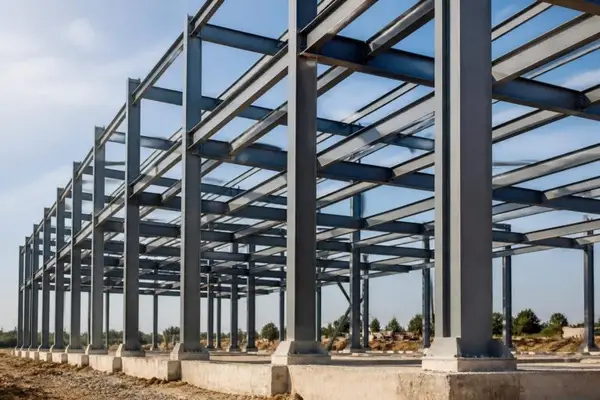
Steel gauge thickness determines structural strength and longevity. Most quality carports for sale feature 12-gauge or 14-gauge steel framing, with 12-gauge providing superior strength for areas with heavy snow loads or high winds. The roof and side panels typically use 26-gauge or 29-gauge steel sheeting, balancing weight with weather resistance.
Galvanization and Protective Coatings
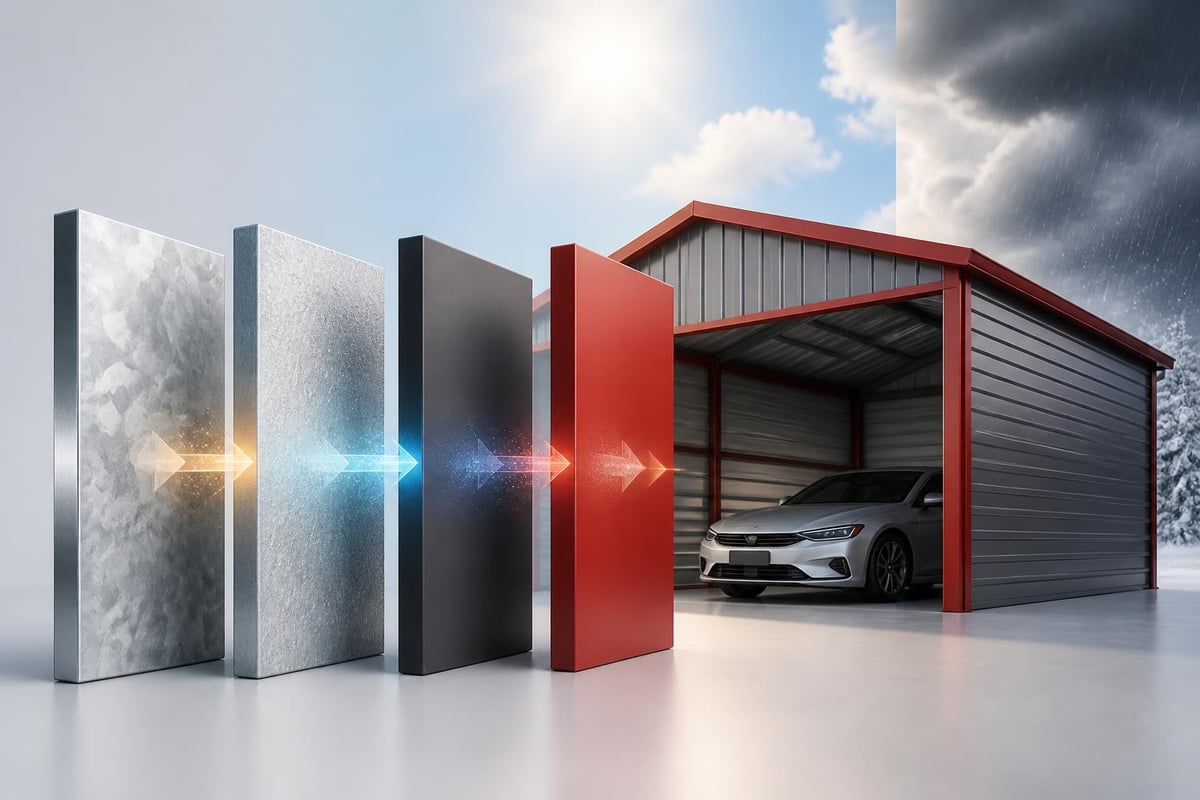
Modern metal carports receive multiple layers of protection against corrosion. The steel undergoes hot-dip galvanization, which bonds zinc to the metal surface at a molecular level. This process creates a barrier that prevents rust formation even when the surface sustains minor scratches or abrasions.
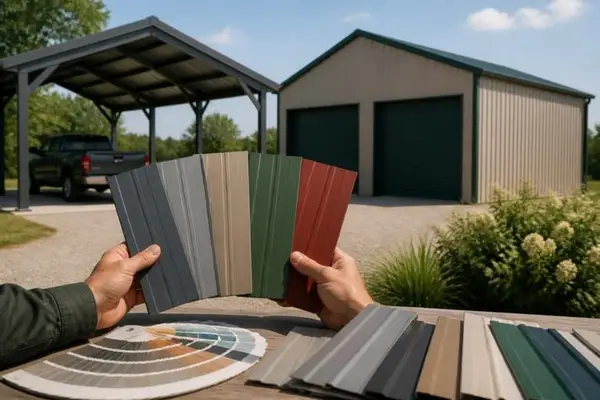
After galvanization, manufacturers apply powder-coat finishes or painted surfaces in various colors. These coatings serve dual purposes: aesthetic appeal and additional weather protection. Quality carports maintain their appearance for 20-30 years with minimal maintenance, unlike wood structures that require regular staining or painting.
Sizing Considerations for Different Applications
Selecting the appropriate dimensions represents one of the most critical decisions when shopping for carports for sale. Undersizing creates frustration every time you park, while excessive sizing wastes money and property space.
Standard Vehicle Protection
For a single car, minimum recommended dimensions are 12 feet wide by 20 feet long. This provides adequate clearance for doors to open and allows you to walk around the vehicle comfortably. Two-car carports typically start at 18 feet wide by 20 feet long, though 20 feet by 20 feet offers more practical space.
Height considerations matter more than many buyers initially realize. Standard carports offer 6-7 feet of leg height, sufficient for most passenger vehicles. However, if you drive a lifted truck or plan to use the space for a boat or RV, consider 10-12 feet of clearance. Some manufacturers offer leg heights up to 16 feet for specialized applications.
| Vehicle Type | Minimum Width | Recommended Length | Suggested Height |
|---|---|---|---|
| Compact Car | 12 ft | 20 ft | 6-7 ft |
| Full-Size Truck | 14 ft | 22 ft | 8-10 ft |
| RV/Motorhome | 14-16 ft | 30-40 ft | 12-14 ft |
| Boat with Trailer | 14 ft | 25-30 ft | 10-12 ft |
Multi-Purpose and Commercial Applications
Many property owners discover that carports serve purposes beyond vehicle storage. These structures function effectively as covered workspaces, outdoor entertainment areas, equipment storage, and agricultural shelters. When planning for multiple uses, add 4-6 feet to your minimum dimensions to accommodate these activities comfortably.
For properties requiring extensive coverage, wide span metal structures ranging from 32 to 60 feet wide provide solutions for multiple vehicles, commercial equipment, or agricultural needs. These engineered structures maintain strength across significant spans without requiring interior support posts, maximizing usable space beneath the roof.
Roof Styles and Their Practical Implications
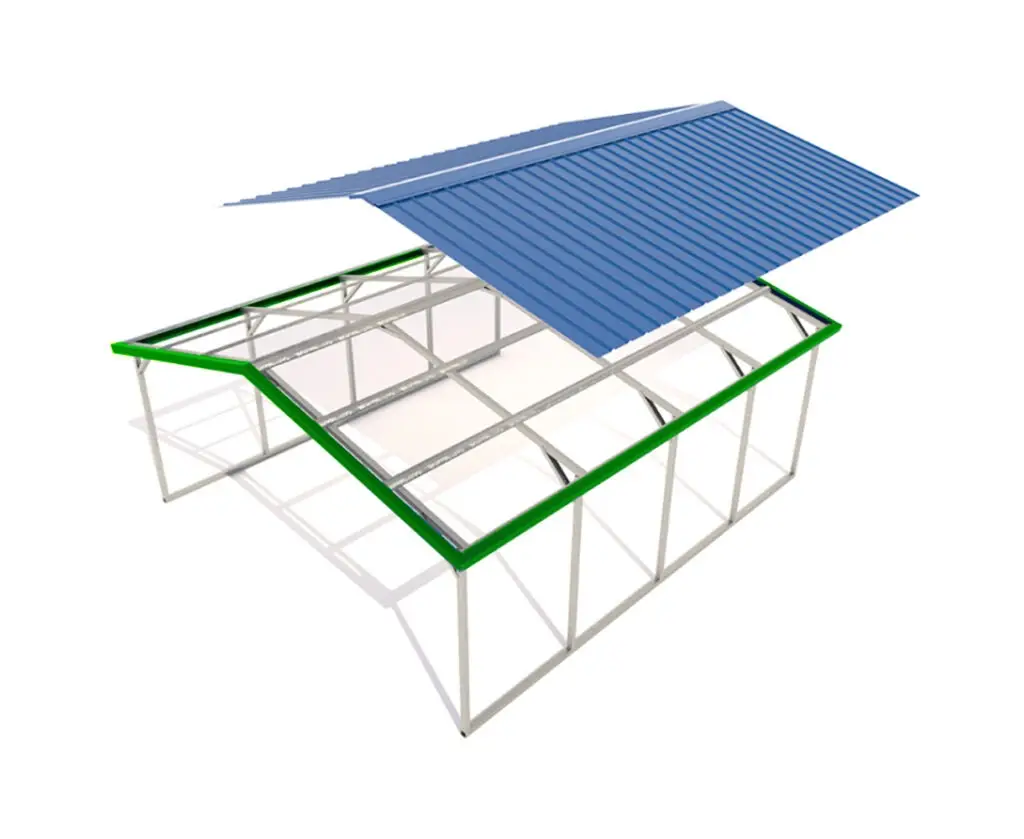
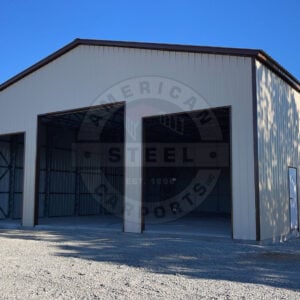
The roof configuration affects both aesthetics and functionality. Most carports for sale offer three primary roof styles, each with distinct advantages.
Regular roof style features rounded edges and horizontal roof panels. This economical option works well in regions with mild weather conditions. The panels run from side to side, making this the most budget-friendly choice.
Boxed-eave roof style incorporates an A-frame design with horizontal panels. The boxed eaves create a more finished appearance and provide better water runoff than regular roofs. This mid-range option suits most climates and offers excellent value.
Vertical roof style represents the premium choice, with panels running vertically from peak to eave. This orientation allows rain, snow, and debris to slide off efficiently rather than accumulating on the surface. Vertical roofs meet certification requirements for areas with significant snow loads and high winds.
Certification Requirements and Building Codes
Understanding local regulations before purchasing prevents costly surprises. Many jurisdictions require building permits for carport installation, with specific requirements varying by location. Federal regulations provide baseline standards for manufactured carports, while state-specific codes may impose additional requirements.
Certified carports meet engineered standards for wind and snow loads specific to your region. These certifications often prove necessary for:
- Obtaining building permits
- Satisfying HOA requirements
- Meeting insurance policy conditions
- Ensuring structural safety during severe weather
Reputable sellers provide certification documentation as part of the purchase process. Before buying, verify whether your location requires certified structures and what load ratings apply to your area.
Customization Options That Add Functionality
Quality carports for sale offer extensive customization beyond basic dimensions and roof styles. These modifications transform a simple cover into a highly functional structure tailored to your specific needs.
Enclosure Options
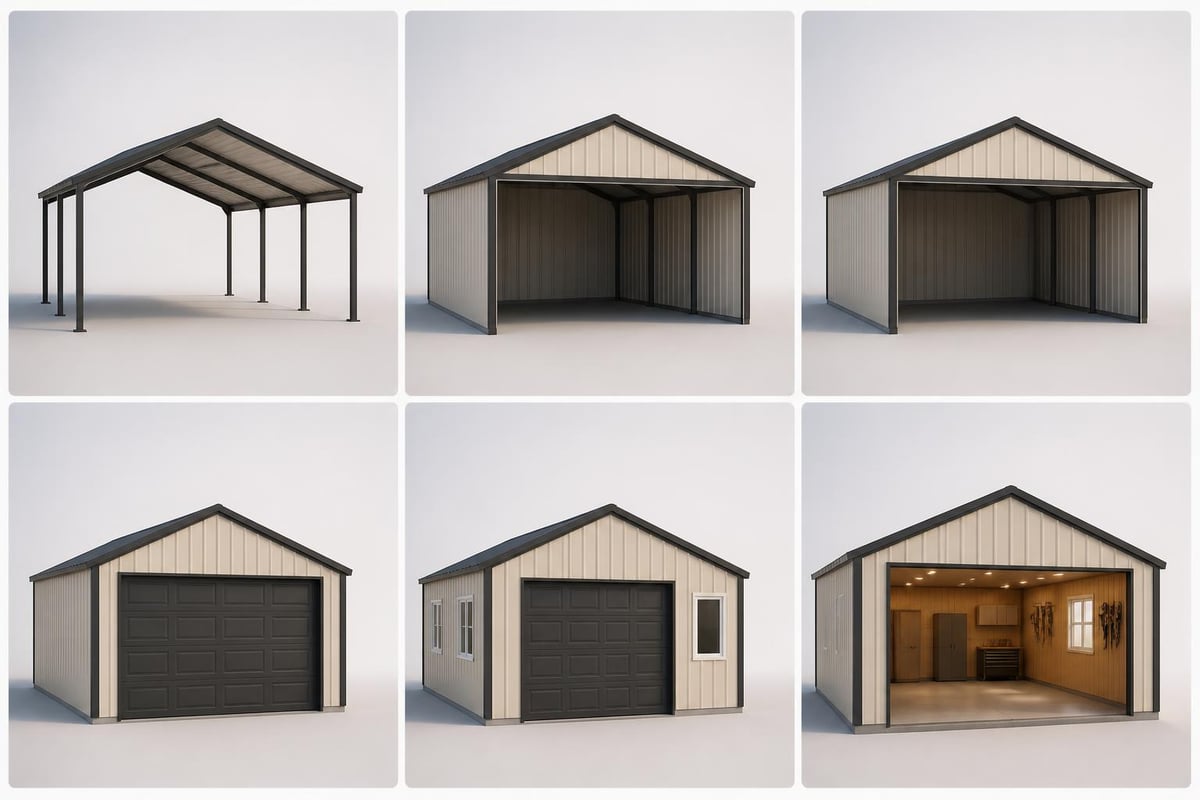
Partial or full enclosures significantly expand your carport's utility. Side panels block wind-driven rain and snow, protecting vehicles more effectively than an open structure. Gable ends close the front and back, creating a more garage-like environment. Fully enclosed structures provide maximum protection and security, essentially functioning as metal garages.
Common enclosure configurations include:
- Three sides enclosed with one open for access
- Both gable ends enclosed with open sides
- Partial height walls for wind protection while maintaining airflow
- Complete enclosure with walk-in doors and roll-up garage doors
Functional Additions
Windows provide natural light in enclosed or partially enclosed carports. Strategically placed windows reduce electricity costs during daytime use and improve visibility when working inside the structure.
Walk-in doors offer convenient access without opening large garage doors. Standard sizes include 36-inch and 48-inch widths, with options for windows within the door itself.
Garage doors transform carports into secure storage spaces. Roll-up doors come in various sizes, typically 8, 9, or 10 feet wide, allowing easy vehicle access while providing security when closed.
Insulation and interior finishing create comfortable workspaces. Wainscoting covers interior walls, while insulation packages regulate temperature for year-round usability.
Site Preparation and Installation Considerations
The quality of your site preparation directly impacts your carport's longevity and performance. Many issues that appear to be structural problems actually stem from inadequate ground preparation.
Foundation Requirements
Metal carports require level, stable foundations. The most common options include:
Gravel base: A 4-6 inch layer of compacted gravel provides adequate drainage and stability for most installations. This economical option works well for open carports in areas without extreme weather.
Concrete slab: Pouring a concrete foundation offers maximum stability and creates a clean, finished floor surface. This option costs more initially but provides superior long-term value, especially for enclosed structures.
Asphalt surface: Existing asphalt driveways can support carport installation if the surface remains in good condition and provides adequate drainage.
The foundation must extend beyond the carport's footprint by at least 6 inches on all sides. This overhang prevents water from pooling around the anchor points and compromises structural stability.
Anchor Systems
Proper anchoring prevents movement during high winds and storms. Installation methods vary based on foundation type:
- Rebar anchors: Driven into the ground for installations on gravel or dirt
- Concrete anchors: Bolted directly into concrete slabs
- Asphalt anchors: Specialized fasteners for asphalt surfaces
- Mobile home anchors: Ground augers for temporary or semi-permanent installations
Professional installers typically include anchoring as part of the installation service, ensuring compliance with manufacturer specifications and local building codes. Understanding what's included in installation costs helps you budget accurately and avoid unexpected expenses.
Pricing Factors and Budget Planning
The cost of carports for sale varies significantly based on size, materials, customization, and installation complexity. Understanding these factors helps you set realistic budgets and compare options effectively.
Base Structure Costs
Entry-level metal carports start around $1,200-$1,800 for a single-car structure with a regular roof. Two-car carports typically range from $2,500-$4,000 for basic configurations. These prices assume standard dimensions with minimal customization.
Premium features increase costs proportionally:
- Vertical roof: Add 15-25% to base price
- Certified construction: Add $500-$1,500 depending on specifications
- Increased height: Add $200-$400 per additional foot of leg height
- Extended length or width: Varies by square footage added
Total Project Costs
Beyond the structure itself, comprehensive budgeting includes several additional expenses:
| Cost Component | Typical Range | Notes |
|---|---|---|
| Base Structure | $1,200-$8,000+ | Varies by size and features |
| Site Preparation | $500-$3,000 | Grading, gravel, or concrete |
| Installation | Often included | Some sellers charge separately |
| Permits | $50-$500 | Jurisdiction dependent |
| Electrical (if desired) | $800-$2,500 | Wiring, outlets, lighting |
Many reputable sellers include delivery and installation in their quoted prices, eliminating surprise fees. Before comparing options, clarify exactly what each quote includes to ensure accurate price comparisons.
Legal and Regulatory Compliance
Installing a carport involves navigating various legal requirements that vary by location. Addressing these considerations early prevents project delays and potential legal issues.
Zoning and Setback Requirements
Local zoning ordinances dictate where you can place structures on your property. Setback requirements specify minimum distances from property lines, streets, and existing buildings. Understanding whether you can install a carport on your driveway depends largely on these local regulations.
Homeowners associations impose additional restrictions beyond municipal codes. HOA rules may specify:
- Approved architectural styles
- Color limitations
- Maximum structure sizes
- Required approval processes
Permit Application Process
Most jurisdictions require building permits for permanent carport installations. The application process typically involves:
- Submitting site plans showing structure placement
- Providing engineering specifications and certifications
- Paying permit fees
- Scheduling inspections during and after installation
- Obtaining final approval before regular use
Working with sellers who understand local requirements streamlines this process. Many experienced companies assist with permit applications as part of their customer service, leveraging their familiarity with local building departments and common approval requirements.
Evaluating Seller Reputation and Service
The company you purchase from matters as much as the product itself. Carports for sale come from numerous manufacturers and dealers, but quality, service, and reliability vary dramatically.
Key Evaluation Criteria
Years in business indicates stability and experience. Companies operating for 10+ years have demonstrated their ability to deliver quality products and stand behind their warranties.
Customer reviews provide insights into real-world experiences. Look beyond overall ratings to read specific comments about delivery timeliness, installation quality, customer service responsiveness, and how the company handles problems.
Warranty coverage protects your investment. Standard warranties typically include:
- 20-30 years on rust-through for galvanized steel
- 1-2 years on workmanship and installation
- Manufacturer defect coverage
Customization flexibility separates full-service providers from basic dealers. The best companies work with you to design structures meeting your specific needs rather than forcing you into predetermined packages.
Service and Support Expectations
Quality sellers provide comprehensive support throughout the buying process:
- Free site surveys to assess installation feasibility
- Design consultation to optimize your structure
- Clear, detailed quotes with no hidden fees
- Coordination of permit applications when needed
- Professional installation teams
- Post-installation follow-up to ensure satisfaction
Before making your final decision, many experts recommend reviewing comprehensive buying guides that detail what to expect from the purchasing process and help identify potential red flags.
Long-Term Maintenance and Care
One significant advantage of metal carports involves their minimal maintenance requirements compared to wood or fabric alternatives. However, proper care extends their lifespan and maintains their appearance.
Routine Maintenance Tasks
Annual inspections help identify minor issues before they become major problems. Check for:
- Loose bolts or fasteners
- Panel damage or separation
- Accumulated debris in gutters or on roof
- Rust spots requiring touch-up paint
- Proper drainage around the foundation
Cleaning maintains appearance and prevents corrosion. Twice-yearly washing with mild soap and water removes dirt, pollen, and other contaminants. Avoid abrasive cleaners or high-pressure washing that might damage protective coatings.
Debris removal prevents water pooling and panel damage. Clear leaves, branches, and other accumulation from the roof surface, especially after storms. This simple task significantly extends roof life.
Addressing Minor Repairs
Small issues require prompt attention to prevent escalation:
- Scratches or paint chips: Apply touch-up paint to exposed metal, preventing rust formation
- Loose fasteners: Tighten bolts and screws annually, replacing any that show wear
- Panel separations: Resecure panels that have shifted or separated at seams
- Drainage problems: Regrade areas where water pools near the foundation
Most routine maintenance requires no specialized tools or skills. Property owners handle these tasks themselves, keeping long-term ownership costs minimal.
Seasonal Considerations and Weather Performance
Metal carports perform reliably across diverse climates when properly specified and maintained. Understanding how weather affects your structure helps you select appropriate features and prepare for seasonal challenges.
Winter Performance
Snow loads determine necessary structural specifications in cold climates. Certified carports rated for your area's snow load prevent dangerous accumulation and potential collapse. Vertical roof panels shed snow more efficiently than horizontal configurations, reducing accumulation risk.
Ice formation along roof edges requires attention. Ensure proper drainage prevents ice dams that might damage panels or create safety hazards. In extreme cold regions, consider heated roof edges for critical applications.
Summer Considerations
UV exposure affects both vehicles and the structure itself. Quality powder-coat finishes resist fading from sun exposure, maintaining appearance for decades. The shade provided by carports dramatically reduces interior vehicle temperatures compared to direct sun exposure.
Storm preparation involves securing loose items stored beneath the carport and ensuring proper drainage channels remain clear. Well-anchored structures withstand significant wind loads, but removing temporary items prevents them from becoming projectiles during severe weather.
Regional Adaptation
Different regions require specific features:
- Coastal areas: Galvanized steel with quality paint coatings resists salt air corrosion
- Desert climates: Lighter colored roofs reflect heat, reducing radiant warmth beneath the structure
- High-wind zones: Certified construction with enhanced anchoring systems withstands hurricane and tornado conditions
- Heavy snow regions: Vertical roofs with appropriate load ratings prevent dangerous accumulation
Discussing your specific climate with sellers ensures you receive recommendations appropriate for your location. Resources like detailed carport buying guides provide climate-specific advice for various regions.
Making Your Final Decision
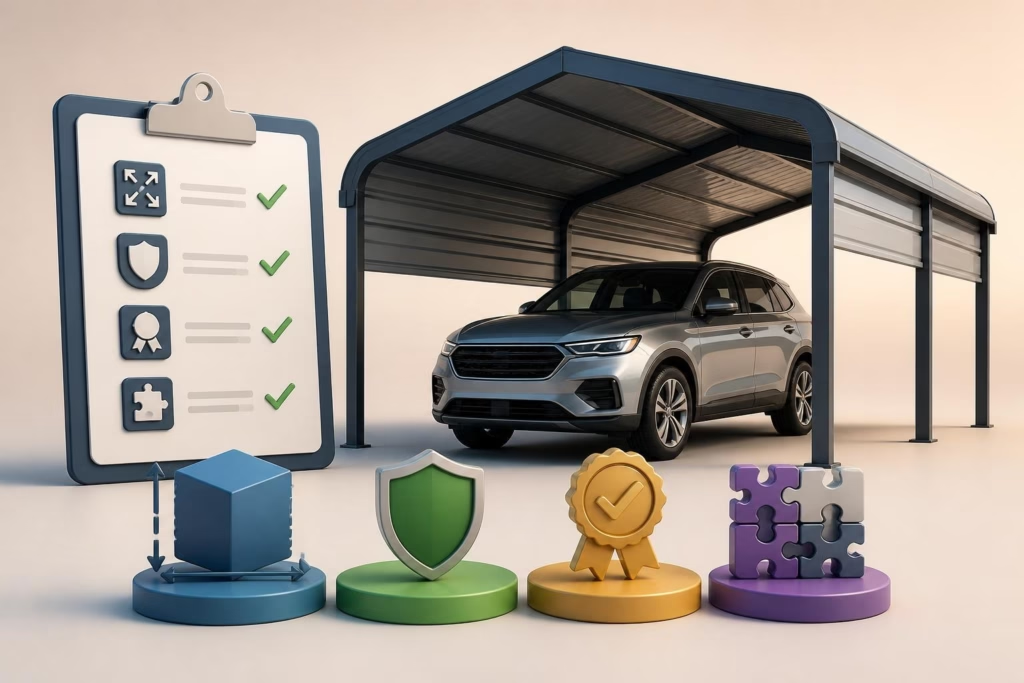
After evaluating all factors, narrowing your options requires prioritizing what matters most for your specific situation. Different buyers place varying importance on initial cost, long-term durability, aesthetic appeal, and functional flexibility.
Decision Matrix Approach
Creating a simple comparison framework helps organize your options:
Must-have features: Requirements that eliminate options not meeting basic needs
- Minimum size to accommodate your vehicles
- Certification for local weather conditions
- Budget constraints including total installed cost
- Compliance with local regulations and HOA rules
Nice-to-have features: Preferences that differentiate between acceptable options
- Aesthetic preferences like roof style and color
- Additional height for future flexibility
- Enclosure options for enhanced protection
- Warranty duration and coverage
Future considerations: Factors affecting long-term value
- Potential for expansion or modification
- Resale value impact on property
- Changing vehicle or equipment storage needs
- Multi-purpose usage possibilities
Getting the Best Value
Value extends beyond the lowest price. Consider total cost of ownership over 20-30 years, including maintenance, repairs, and functionality. A carport costing $1,000 more initially but requiring minimal maintenance and lasting five years longer represents better value than the cheapest option.
Negotiation opportunities often exist, particularly for:
- Multiple structure purchases
- Off-season installation scheduling
- Simplified designs requiring less customization
- Package deals including site preparation
Reputable companies work with buyers to find configurations meeting both needs and budgets. Clear communication about your requirements and constraints allows sellers to suggest creative solutions you might not have considered.
Selecting from the carports for sale in today's market requires balancing immediate needs with long-term value, ensuring your investment provides decades of reliable protection. From understanding material quality and proper sizing to navigating regulations and customization options, informed decisions lead to structures that exceed expectations year after year. Metal Structure Sales LLC specializes in high-quality metal carports and buildings customized to your specific requirements, with delivery and installation included to simplify your purchasing experience. Explore the full range of options and find the perfect solution for your vehicle protection needs today.