

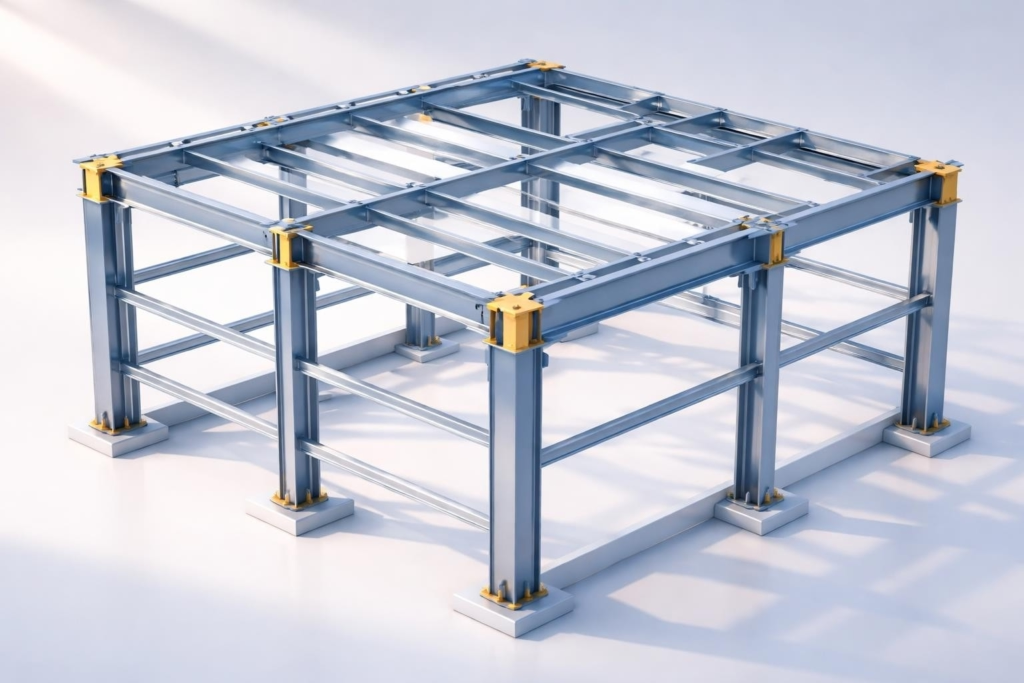
Framing steel building projects has transformed the construction industry, offering unmatched durability, flexibility, and cost-effectiveness. Whether you're planning a commercial facility, agricultural storage, or residential metal structure, understanding the fundamentals of steel framing ensures your project meets structural requirements while staying within budget. The framing system forms the skeleton of your building, determining its strength, longevity, and ability to withstand environmental forces. This comprehensive guide explores the critical aspects of steel building framing, from initial planning through installation techniques.
Understanding Steel Building Frame Systems
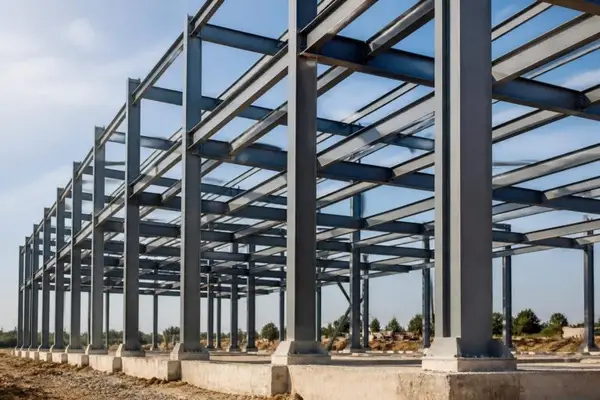
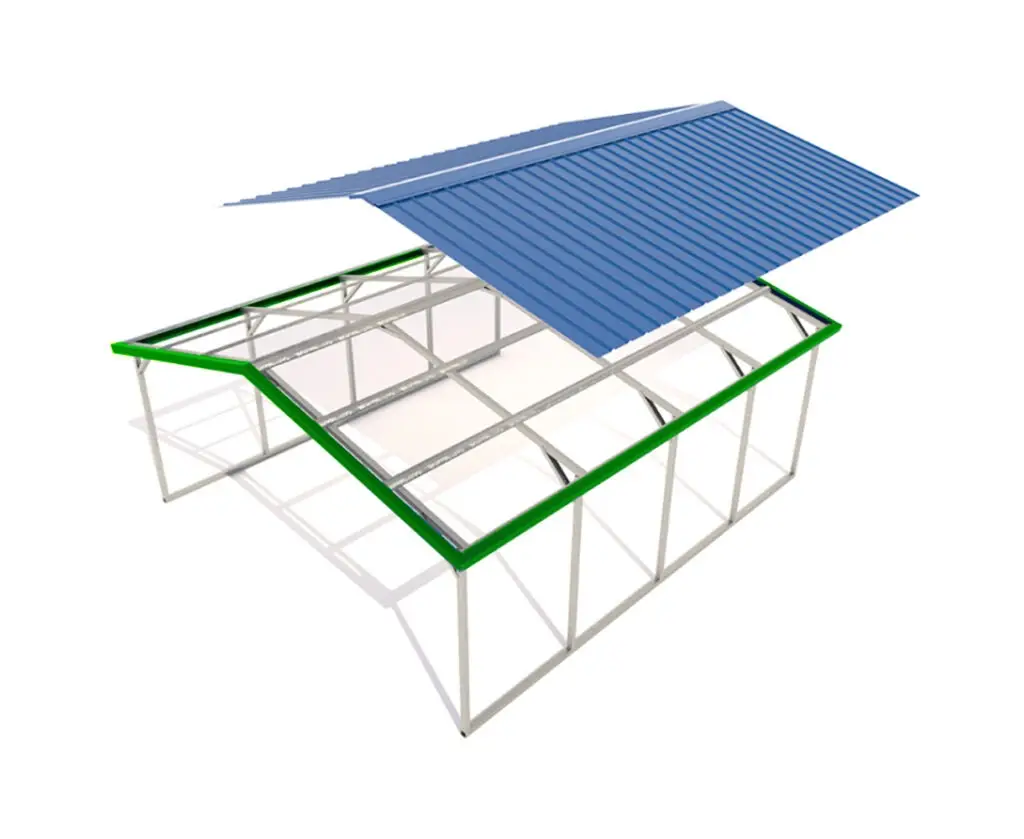
The foundation of any successful framing steel building project begins with selecting the appropriate frame system. Steel frames consist of primary and secondary structural members that work together to support the entire structure. Primary framing includes columns and rafters that form the main skeleton, while secondary framing encompasses purlins, girts, and bracing elements that provide additional support and stability.
Modern steel framing techniques have evolved significantly, incorporating advanced engineering principles and manufacturing processes. Clear-span frames eliminate interior columns, maximizing usable space for storage or operations. Multi-span frames utilize interior columns to support wider structures economically. Single-slope frames create a simple roof pitch ideal for lean-to designs or buildings requiring water drainage in one direction.
Primary Frame Components
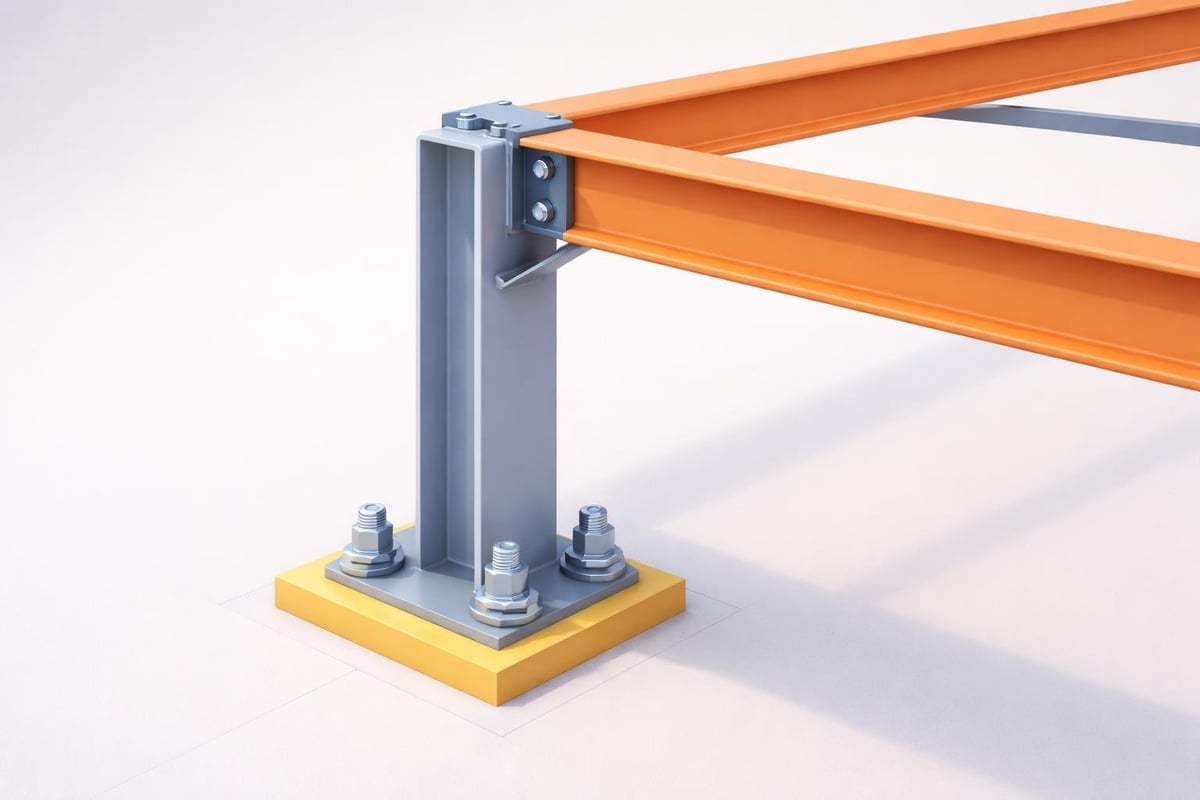
Columns serve as vertical load-bearing members anchored to concrete foundations. These critical components transfer roof loads and lateral forces to the ground, requiring precise engineering calculations based on building height, width, and expected loads. Column spacing typically ranges from 20 to 30 feet, though custom configurations accommodate specific design requirements.
Rafters form the sloped or horizontal roof structure, connecting at the ridge and extending to the eave. These members support roof loads including dead loads (roofing materials), live loads (maintenance workers), and environmental loads (snow, wind). The rafter profile and dimensions directly impact the building's clear span capability and overall structural integrity.
Base plates and anchor bolts secure columns to foundation footings, creating a stable connection between the steel frame and concrete base. This connection system must resist uplift forces during high winds while allowing for thermal expansion and contraction of steel members.
Secondary Framing Elements in Steel Buildings
Secondary framing members complete the structural system when framing steel building projects, providing attachment points for wall and roof panels while adding lateral stability. These components work in concert with primary framing to create a complete load path from roof to foundation.
Purlins and Girts
Purlins span horizontally between rafters, supporting roof panels and transferring loads to the primary frame. Z-shaped and C-shaped purlins offer different load capacities and attachment options. Purlin spacing typically ranges from 4 to 6 feet on center, though specific spacing depends on panel type and expected loads. The design of purlin-supported roof systems requires careful consideration of multiple factors including span length and load combinations.
Girts serve the same function for wall systems, running horizontally between columns to support wall panels. Like purlins, girts distribute loads from wall panels to primary framing members while providing lateral bracing for columns. Proper girt spacing prevents panel deflection and ensures weather-tight wall systems.
| Secondary Member | Primary Function | Typical Spacing | Common Profiles |
|---|---|---|---|
| Roof Purlins | Support roof panels | 4-6 feet | Z-section, C-section |
| Wall Girts | Support wall panels | 4-6 feet | Z-section, C-section |
| Eave Struts | Connect columns at eave | Per column spacing | C-section, Tube |
| Base Girts | Support wall at base | Per building perimeter | C-section, Angle |
Bracing Systems
Rod bracing provides critical lateral stability in steel building frames. X-bracing patterns create triangulated systems that resist lateral forces from wind and seismic events. Cable bracing offers an economical alternative for buildings in low-wind areas, while rod bracing provides superior strength for high-wind applications.
Portal frames eliminate the need for rod bracing in specific bays by using moment-resistant connections between columns and rafters. This approach creates clear spans without diagonal bracing members, though it requires heavier primary framing components and more complex connections.
Material Specifications for Steel Framing
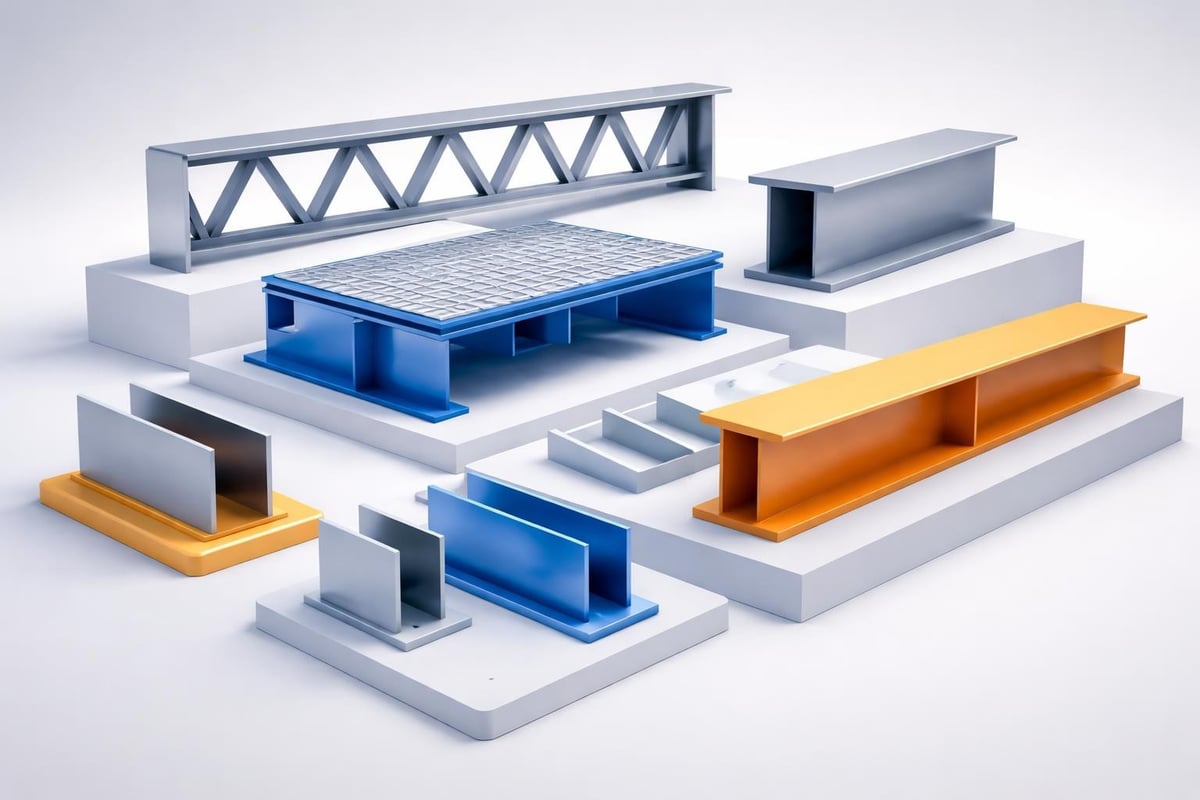
The quality and specifications of steel materials directly impact the performance and longevity of framing steel building projects. Hot-rolled structural steel forms the backbone of most metal building frames, offering predictable strength characteristics and excellent weldability.
Steel grades designate the minimum yield strength and other mechanical properties. Common grades include:
- A36 steel (36,000 psi yield strength) for general structural applications
- A572 Grade 50 steel (50,000 psi yield strength) for high-strength requirements
- A992 steel specifically designed for wide-flange shapes in building construction
Gauge thickness determines the structural capacity of secondary framing members and panels. Lighter gauges (higher numbers) reduce material costs but offer less load capacity. Standard framing typically employs 12-gauge to 14-gauge steel for primary members and 14-gauge to 16-gauge for secondary components.
Cold-formed steel framing uses lighter-gauge steel shaped at room temperature into efficient profiles. This steel framing approach delivers strength comparable to heavier materials while reducing overall building weight and foundation requirements.
Design Considerations and Engineering
Proper engineering distinguishes successful framing steel building projects from those prone to performance issues or failures. Professional structural engineers analyze multiple load scenarios to ensure frame adequacy under all expected conditions.
Load Calculations
Dead loads include the weight of all permanent building components: framing members, roof panels, wall panels, insulation, and fixtures. These static loads remain constant throughout the building's life, requiring accurate material weight calculations during design.
Live loads represent temporary or moving loads such as maintenance personnel, equipment, and stored materials. Roof live loads typically range from 20 to 30 pounds per square foot, though specific requirements vary by building code and local jurisdiction.
Snow loads depend on geographic location and roof configuration. Ground snow loads from weather data convert to roof snow loads accounting for roof slope, surface type, and exposure conditions. Drift loads and unbalanced snow loads require additional analysis for complex roof geometries.
Wind loads create both lateral and uplift forces on building frames. Understanding structural steel framing for wind resistance involves analyzing wind speed, building exposure, and terrain characteristics. Proper connection design ensures the frame resists these forces without failure or excessive deflection.
Connection Design
Bolted connections offer field adjustability and ease of assembly, making them ideal for most framing steel building applications. High-strength bolts in bearing-type or slip-critical configurations provide reliable load transfer between members. Connection patterns and bolt spacing follow engineering standards to prevent localized failures.
Welded connections create permanent, rigid joints between steel members. While welding requires skilled labor and quality control procedures, it produces strong connections ideal for moment-resisting frames and custom applications. Fillet welds and groove welds serve different structural purposes based on joint configuration and load transfer requirements.
Installation Techniques and Best Practices
Successful framing steel building installation requires careful planning, proper equipment, and skilled personnel. The steel frame construction process follows a logical sequence that ensures structural integrity and installation efficiency.
Site Preparation and Foundation Work
Level, properly compacted foundations provide the essential base for steel frames. Concrete pier foundations support individual columns in many metal building applications, offering cost-effectiveness and adequate load capacity. Continuous footings distribute loads across wider areas when soil conditions require additional bearing capacity.
Anchor bolt placement demands precision, as misaligned bolts prevent proper column installation. Templates and surveying equipment verify bolt locations before concrete placement. Anchor bolt embedment depth and spacing follow engineering specifications to develop required pullout resistance.
Frame Erection Sequence
- Column installation begins at one corner, with plumb verification using levels and transit equipment
- Rafter installation proceeds systematically, connecting each rafter to columns using bolted end plates
- Bracing installation stabilizes the frame as erection progresses, preventing out-of-plumb conditions
- Secondary framing attaches after primary frame completion, creating panel attachment surfaces
- Final alignment checks ensure the complete frame meets tolerances for plumb, level, and squareness
Crane selection depends on building size, component weight, and site conditions. Proper rigging techniques protect steel members from damage during lifting and positioning. Safety protocols including fall protection and crane safety zones protect workers throughout the installation process.
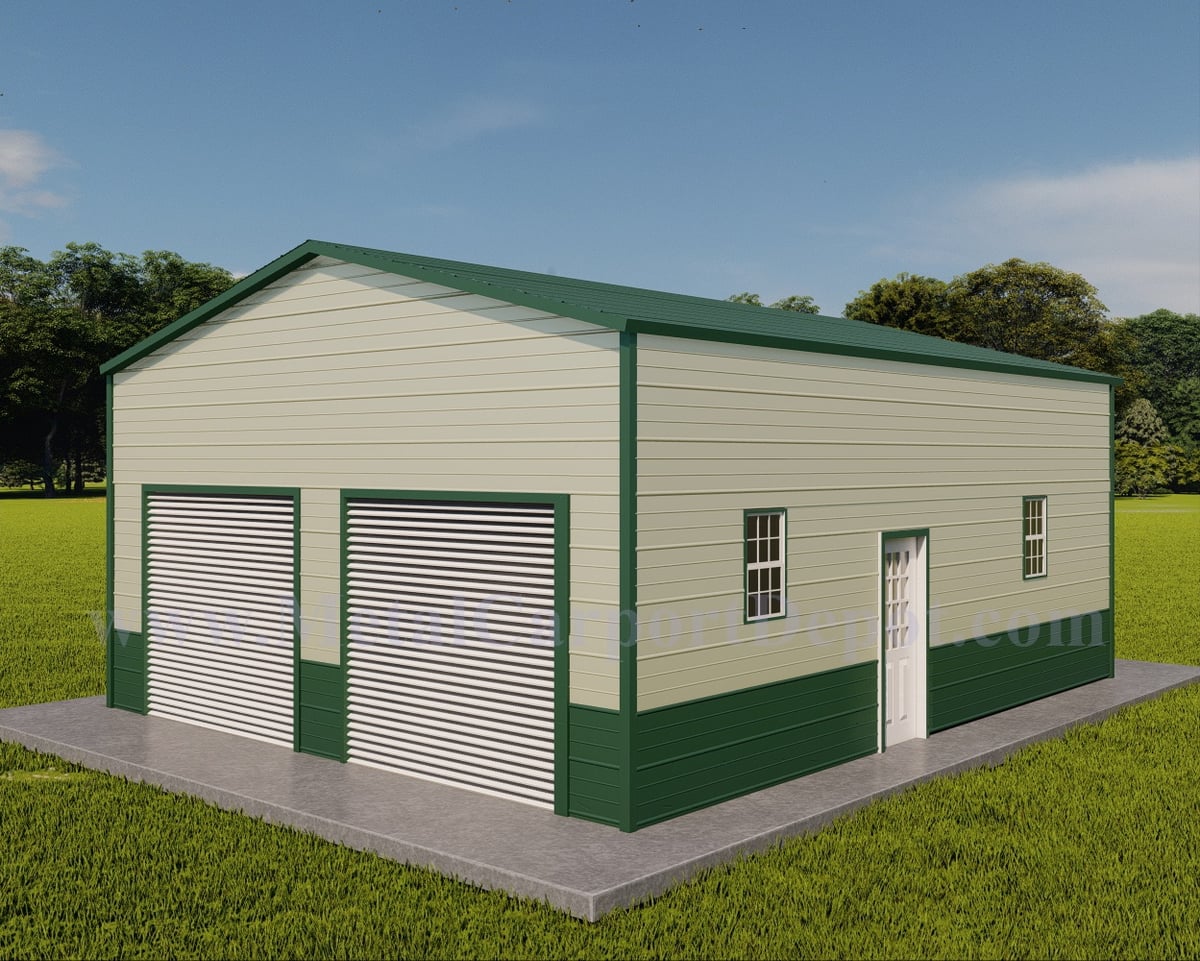
When planning your next project, customizable options provide flexibility to meet specific needs. Fully Enclosed Metal Carports combine robust framing with complete weather protection, offering versatile solutions for storage, workshops, or vehicle protection with delivery and installation included.
Advanced Framing Configurations
Beyond standard rectangular buildings, specialized framing steel building techniques accommodate unique requirements and architectural preferences. These advanced configurations expand design possibilities while maintaining structural integrity.
Lean-to Additions
Lean-to frames attach to existing structures, providing economical expansion space. Single-slope rafters connect to the host building at one end and freestanding columns at the other. This configuration requires careful analysis of connection loads on the existing structure and proper flashing details to prevent water infiltration.
Multi-Gable Designs
Multiple gable sections create varied rooflines for aesthetic appeal or functional requirements. Valley connections between gable sections require engineered solutions to manage water drainage and snow accumulation. These complex roof geometries benefit from cold-formed steel framing techniques that accommodate intricate details.
Clear-Span Applications
Clear-span framing eliminates interior columns, creating unobstructed interior space. Rigid frame design using heavy rafters and moment-resistant connections achieves spans exceeding 100 feet. Tapered rafters optimize material use by concentrating steel depth at high-moment locations while reducing weight at low-stress areas.
| Configuration Type | Typical Span Range | Primary Advantage | Common Applications |
|---|---|---|---|
| Clear-Span Rigid Frame | 40-150 feet | No interior columns | Warehouses, arenas |
| Multi-Span Modular | 20-40 feet per bay | Economic efficiency | Agricultural buildings |
| Single-Slope Lean-to | 12-30 feet | Cost-effective expansion | Equipment storage |
| Arch Frame | 20-100 feet | Efficient snow shedding | Storage facilities |
Quality Control and Inspection
Quality assurance throughout framing steel building projects prevents defects and ensures long-term performance. Systematic inspection procedures identify issues before they compromise structural integrity or require costly corrections.
Material Verification
Mill certifications document steel grade, chemical composition, and mechanical properties. These certificates verify that delivered materials meet project specifications. Visual inspection identifies surface defects, damage during shipping, or incorrect member profiles before installation begins.
Dimensional checks confirm that fabricated components match shop drawings. Column heights, rafter lengths, and connection hole patterns require verification against design documents. Discrepancies discovered before erection prevent field delays and installation complications.
Connection Inspection
Bolt installation follows specific torque requirements to develop design strength. Torque wrenches calibrated to project specifications ensure proper bolt tension. Turn-of-nut methods provide alternative verification for high-strength bolted connections, rotating nuts specified amounts beyond snug-tight condition.
Weld inspection includes visual examination for proper size, length, and profile. Defects such as undercut, overlap, or incomplete fusion require repair before frame acceptance. Non-destructive testing methods including ultrasonic or magnetic particle inspection verify internal weld quality on critical connections.
Frame Alignment Tolerances
Industry standards establish acceptable tolerances for frame installation. Column plumbness typically allows 1/4 inch deviation per 10 feet of height. Rafter alignment tolerances ensure proper panel fit and weather tightness. These standards from technical framing guides provide measurable criteria for installation quality.
Maintenance and Long-Term Performance
Proper maintenance preserves the structural integrity and appearance of framing steel building systems throughout their service life. Regular inspection schedules identify minor issues before they develop into significant problems requiring expensive repairs.
Corrosion Prevention
Galvanized coatings protect steel from rust and corrosion in most environments. Zinc coating thickness determines protection longevity, with G90 galvanization providing standard protection for typical applications. Touch-up paint repairs coating damage at connection points or areas abraded during installation.
Painted steel systems require periodic recoating to maintain protection and appearance. Surface preparation removes loose paint, rust, and contaminants before new coating application. Modern paint systems using polyurethane or fluoropolymer technologies deliver extended protection with minimal maintenance requirements.
Structural Monitoring
Annual inspections examine framing members for distortion, corrosion, or connection deterioration. Snow load damage, impact from equipment, or foundation settlement may compromise frame integrity. Early detection allows repairs before structural capacity becomes inadequate for design loads.
Connection tightness verification ensures bolts maintain proper tension despite vibration and thermal cycling. Loose bolts receive additional torque or replacement as needed. Weld inspection identifies cracks or corrosion requiring repair or reinforcement.
Cost Factors in Steel Building Framing
Understanding cost drivers helps optimize framing steel building budgets without compromising performance or safety. Material costs, labor expenses, and design complexity all influence total project investment.
Material pricing fluctuates with steel market conditions, though long-term trends show relative stability compared to other construction materials. Structural steel quantities depend on building size, load requirements, and frame configuration. Efficient designs minimize material use while meeting all performance criteria.
Labor costs vary by region and project complexity. Simple rectangular buildings with standard framing erect quickly with minimal skilled labor. Complex configurations requiring custom connections or tight tolerances increase labor hours and associated costs. Local labor availability and union requirements affect hourly rates and total installation expenses.
Engineering and design fees ensure structural adequacy and code compliance. Professional engineering services represent a small percentage of total project costs but provide essential value through optimized designs and reduced liability risk. Detailed shop drawings facilitate efficient fabrication and installation, reducing field labor costs.
Comparing framing options reveals cost differences:
| Framing Approach | Material Cost | Labor Cost | Total Cost | Best Application |
|---|---|---|---|---|
| Clear-Span Rigid | High | Medium | High | Maximum interior space |
| Multi-Span Post | Medium | Medium | Medium | Balanced cost/utility |
| Modular Pre-Engineered | Medium | Low | Medium-Low | Fast installation |
| Custom Fabricated | High | High | High | Unique requirements |
Regional Building Code Requirements
Local building codes establish minimum standards for framing steel building projects, varying by jurisdiction based on climate, seismic risk, and other regional factors. Compliance ensures structural safety and legal occupancy.
International Building Code (IBC) serves as the foundation for most U.S. jurisdictions, with local amendments addressing specific regional concerns. Steel framing design and detailing must satisfy IBC requirements for structural loads, fire resistance, and accessibility.
Wind speed maps define design wind speeds by geographic location and building exposure. Coastal areas and regions prone to hurricanes require enhanced framing details and connection strength. Steel framing systems designed for high-wind zones incorporate additional bracing, larger anchor bolts, and reinforced connections.
Seismic design categories range from A (minimal seismic risk) to E (highest seismic risk), with each category imposing specific detailing requirements. High seismic zones require ductile connections, special bracing configurations, and rigorous quality control procedures during installation.
Framing steel building projects successfully requires understanding structural principles, material properties, and installation techniques that ensure long-lasting performance. Whether you're planning a simple storage structure or a complex multi-use facility, proper frame design and quality installation create the foundation for decades of reliable service. Metal Structure Sales LLC specializes in customizable metal structures with expert engineering, quality materials, and professional installation included, helping you transform your vision into a durable reality that meets your specific needs.