

The metal building manufacturing industry has undergone remarkable transformation over the past decade, evolving from simple pre-engineered structures to sophisticated, customizable solutions that meet diverse commercial, agricultural, and residential needs. As we progress through 2026, manufacturers are leveraging advanced technologies, sustainable practices, and customer-centric design approaches to deliver structures that balance durability, affordability, and aesthetic appeal. Understanding the manufacturing process, current trends, and quality standards helps customers make informed decisions when investing in metal structures for their properties.
The Metal Building Manufacturing Process
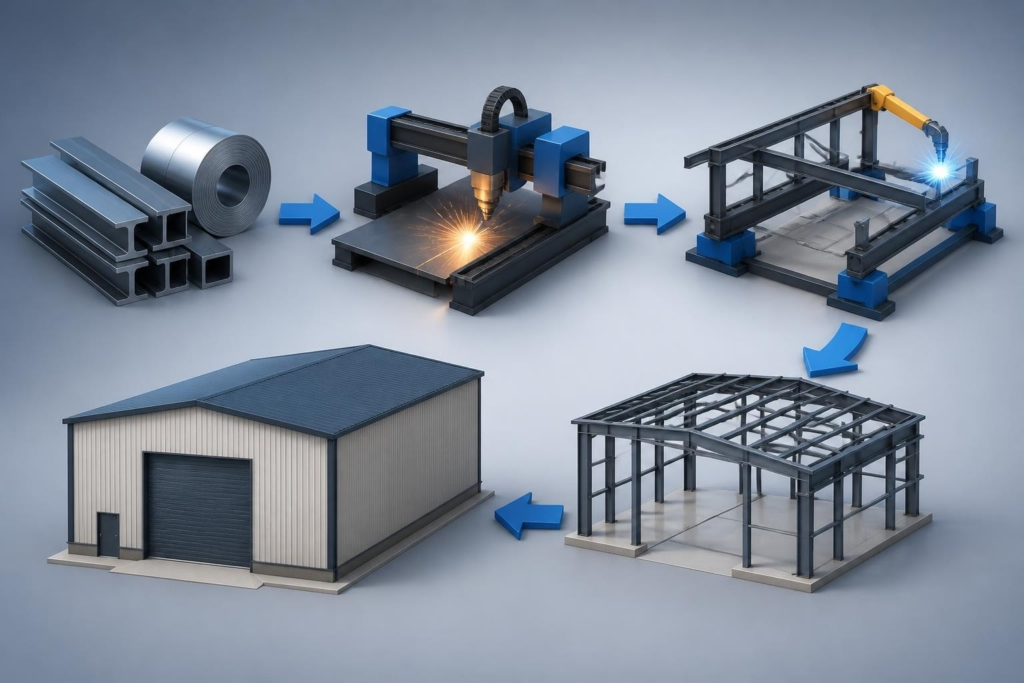
Metal building manufacturing encompasses multiple stages that transform raw steel into finished structures ready for installation. The process begins with engineering and design, where specifications are created based on customer requirements, local building codes, and environmental factors such as wind loads and snow loads.
Steel procurement represents a critical first step. Manufacturers source high-grade steel, typically galvanized or Galvalume-coated, which provides corrosion resistance and longevity. The gauge of steel varies depending on the structure's purpose, with heavier gauges offering enhanced strength for larger buildings or areas with extreme weather conditions.
Fabrication and Component Production
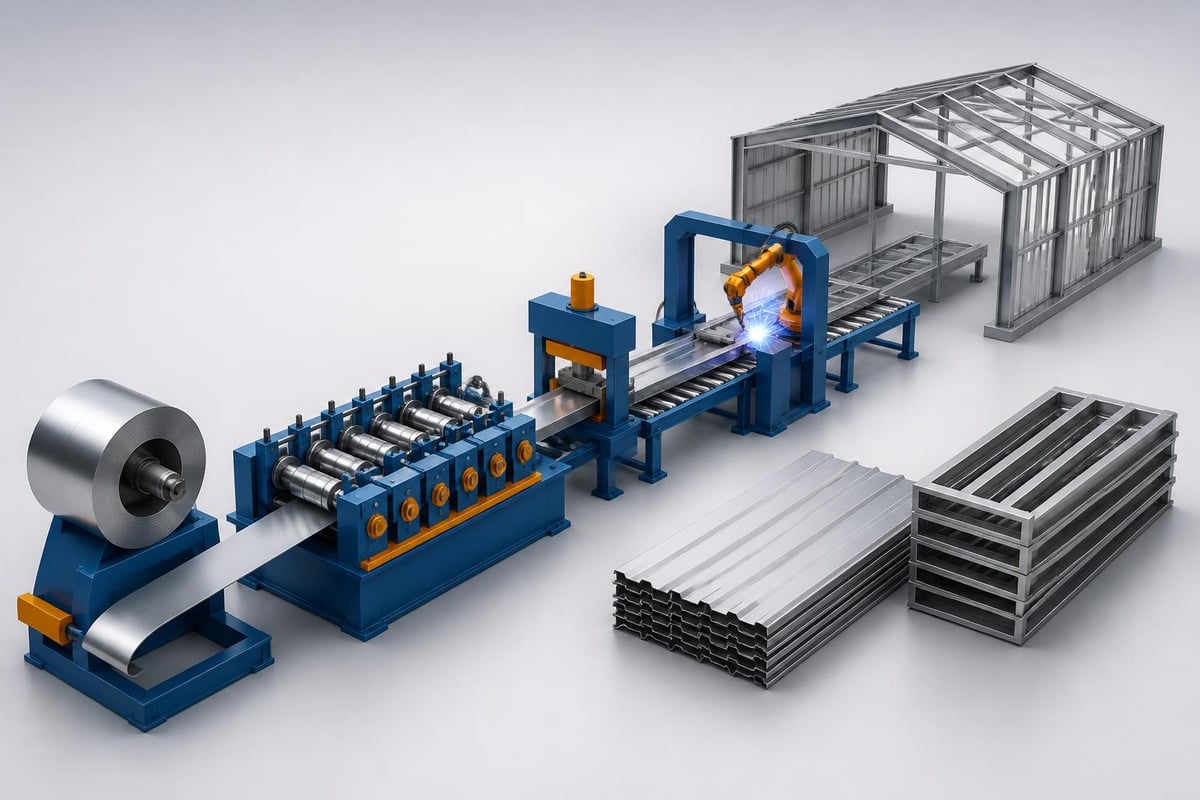
Once materials arrive at the manufacturing facility, fabrication begins. Computer-controlled machinery cuts, bends, and forms steel components with precision. This automation ensures consistency across production runs and minimizes material waste.
Key fabrication processes include:
- Roll forming for panels and roofing components
- Laser cutting for precise dimensional accuracy
- Punching and drilling for connection points
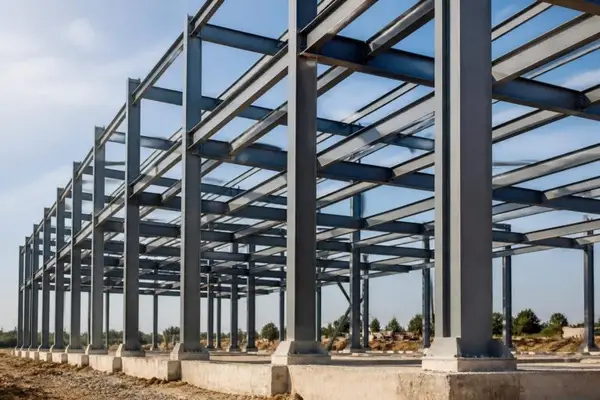
- Welding for structural frame assemblies
- Powder coating or painting for aesthetic finishes
The metal building manufacturing sector has increasingly adopted lean manufacturing principles to improve efficiency. By streamlining workflows and reducing unnecessary steps, manufacturers can deliver products faster while maintaining quality standards.
Industry Growth and Market Dynamics
The metal construction industry continues to experience robust growth, with recent market analysis projecting significant expansion over the next decade. Several factors drive this upward trajectory, including increased demand for cost-effective building solutions, shorter construction timelines, and growing awareness of metal's sustainability benefits.
Agricultural applications remain a cornerstone of metal building manufacturing. Farmers and ranchers require durable structures for equipment storage, livestock housing, and hay storage. Metal buildings offer superior protection against the elements while requiring minimal maintenance compared to traditional wood construction.
| Market Sector | Primary Applications | Growth Drivers |
|---|---|---|
| Agricultural | Barns, equipment storage, livestock shelters | Farm modernization, equipment protection |
| Commercial | Warehouses, retail spaces, workshops | E-commerce expansion, flexible spaces |
| Residential | Garages, carports, hobby buildings | Property value enhancement, vehicle protection |
| Industrial | Manufacturing facilities, distribution centers | Supply chain optimization, rapid construction |
Commercial and industrial sectors also represent substantial portions of the market. Businesses value metal buildings for their scalability, allowing structures to expand as operations grow. The ability to construct large clear-span spaces without interior support columns makes metal buildings ideal for warehouses and manufacturing facilities.
Design Trends Shaping Metal Building Manufacturing
Design flexibility has become a defining characteristic of modern metal building manufacturing. Customers no longer accept one-size-fits-all solutions. Instead, they expect manufacturers to accommodate specific dimensional requirements, aesthetic preferences, and functional needs.
Current design trends in 2026 reflect shifting priorities among buyers. Customization options now extend beyond basic dimensions to include architectural features such as gable ends, extended overhangs, and varied roof pitches. These elements enhance both functionality and curb appeal.
Roof Systems and Structural Configurations
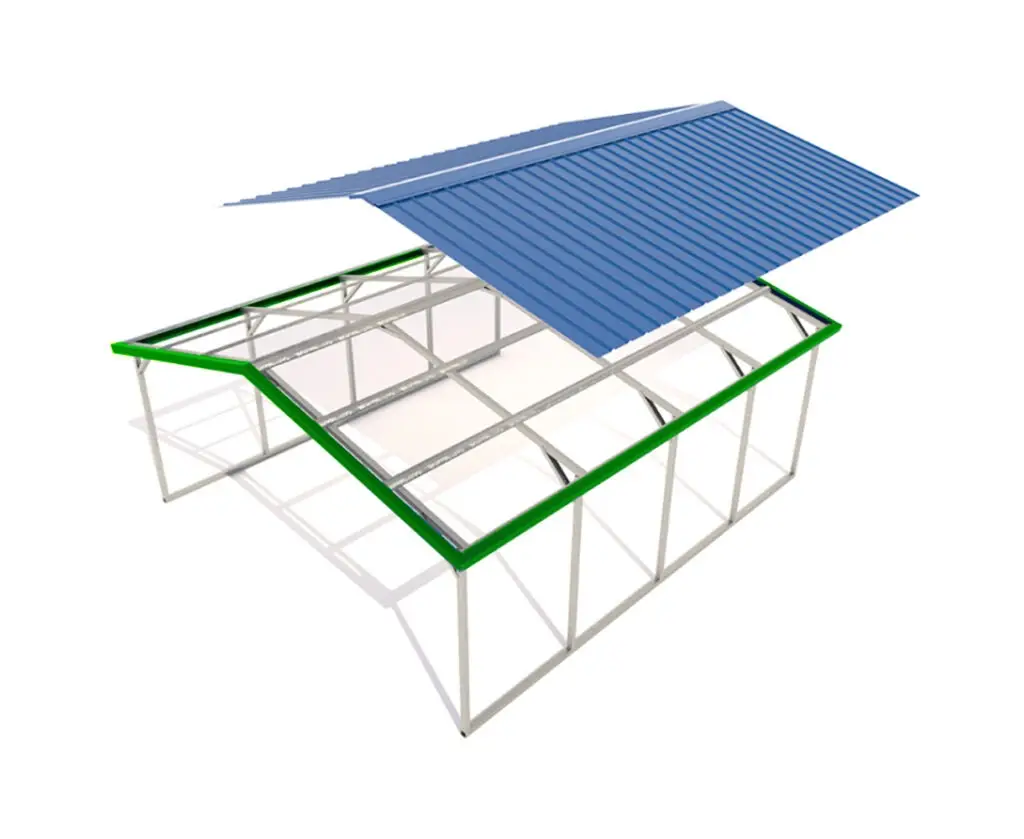
Roof style selection significantly impacts both performance and appearance. Three primary roof configurations dominate metal building manufacturing:
Regular roof style features horizontal panels running from front to back, suitable for structures up to certain width limitations and moderate weather conditions. A-frame horizontal roof provides enhanced strength with panels oriented horizontally on a peaked frame. Vertical roof systems offer the highest performance, with panels running from peak to eave, allowing rain, snow, and debris to slide off efficiently.
Structural engineering in metal building manufacturing has advanced considerably. Manufacturers now routinely design buildings to withstand specific wind speeds and snow loads based on geographic location. This customization ensures structures meet local building codes while providing adequate safety margins.
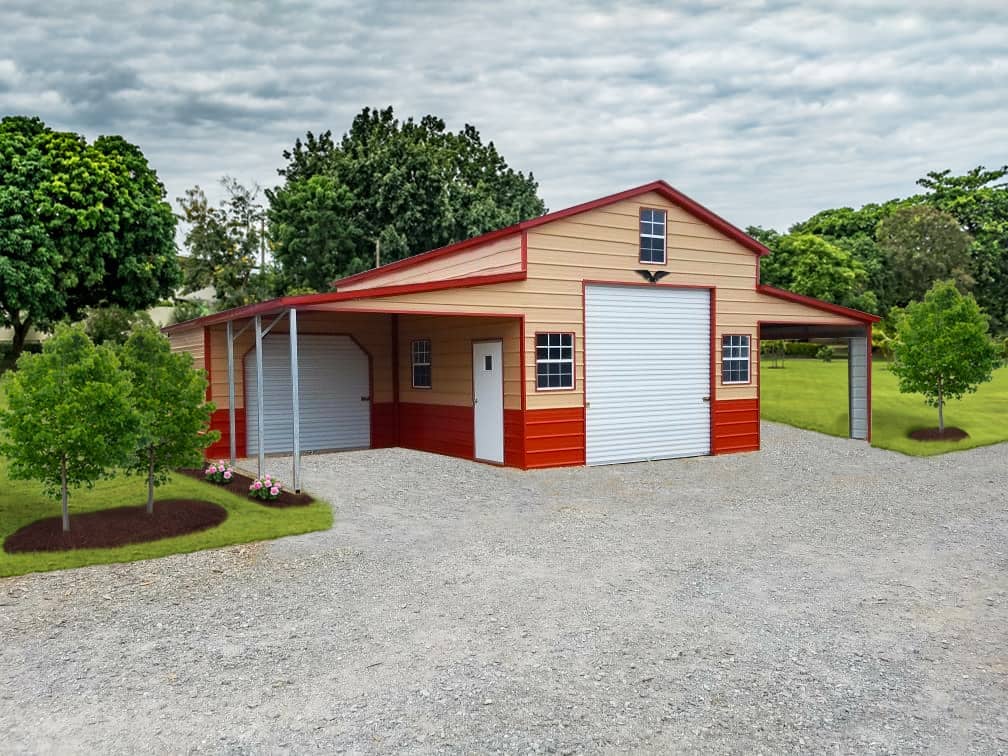
For property owners with specialized needs, structures like metal horse barns demonstrate how manufacturing can be tailored to specific applications. These buildings incorporate features such as additional leg height for taller clearances, reinforced framing for heavy snow loads, and configurations that accommodate stalls, tack rooms, and hay storage. The versatility of metal building manufacturing allows these agricultural structures to serve multiple purposes while maintaining the durability necessary for livestock environments.
Material Innovations and Quality Standards
Material science continues to drive improvements in metal building manufacturing. Steel remains the primary material, but the treatments and coatings applied to steel have evolved substantially. Galvanization, which involves coating steel with zinc, provides excellent corrosion resistance. Galvalume, an aluminum-zinc alloy coating, offers even greater protection in certain environments.
Gauge thickness directly correlates with structural strength and longevity. Common gauges in metal building manufacturing range from 29-gauge for lighter applications to 12-gauge for heavy-duty structures. Thicker gauges provide greater resistance to dent damage and wind uplift but increase material costs.
- 29-gauge: Standard residential carports and light storage
- 26-gauge: Enhanced residential and light commercial applications
- 22-gauge: Commercial buildings and areas with moderate weather
- 14-gauge and 12-gauge: Heavy-duty commercial, industrial, and extreme weather zones
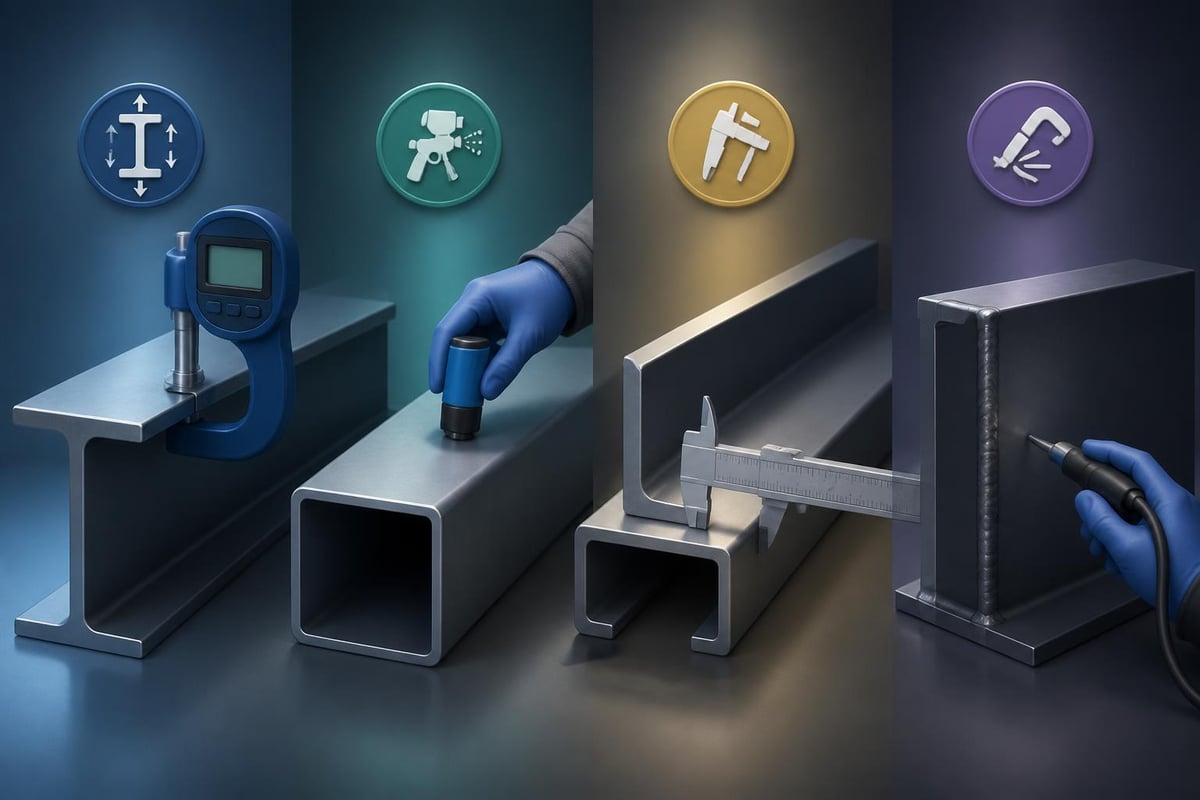
Quality control measures in metal building manufacturing have become increasingly rigorous. Leading manufacturers implement multiple inspection points throughout production, checking dimensional accuracy, coating integrity, and weld quality. This attention to detail reduces field installation problems and ensures structures perform as engineered.
Automation and Technology Integration
The metal construction sector has embraced automation to address labor challenges and improve production efficiency. Computer-aided design (CAD) software allows engineers to create precise models that account for every component and connection. These digital models feed directly into computer numerical control (CNC) machinery, which fabricates parts with minimal human intervention.
Building information modeling (BIM) represents another technological advancement influencing metal building manufacturing. BIM creates three-dimensional representations of structures, enabling manufacturers to identify potential issues before production begins. This proactive approach reduces material waste and prevents costly redesigns.
Manufacturing Execution Systems
Modern metal building manufacturing facilities utilize sophisticated software to manage production workflows. Manufacturing execution systems (MES) track orders from initial receipt through final shipment, providing real-time visibility into production status. This transparency benefits both manufacturers and customers, as delivery timelines become more predictable.
Inventory management has also improved through technology integration. Just-in-time manufacturing principles minimize raw material storage costs while ensuring components arrive when needed. This efficiency translates to competitive pricing for customers without compromising quality or delivery speed.
Sustainability and Environmental Considerations
Environmental responsibility has moved from peripheral concern to central priority in metal building manufacturing. Steel's recyclability positions metal buildings as sustainable choices compared to many alternative materials. At end-of-life, metal buildings can be disassembled and the steel recycled without loss of material properties.
Energy efficiency during manufacturing has improved as well. Modern production facilities utilize energy-efficient lighting, optimize heating and cooling systems, and implement waste heat recovery. These measures reduce the carbon footprint associated with metal building manufacturing while lowering operational costs.
Sustainable practices in metal building manufacturing include:
- Using recycled steel content in production
- Implementing closed-loop water systems for cooling processes
- Recovering and reusing scrap metal from fabrication
- Optimizing shipping logistics to minimize transportation emissions
- Designing buildings for disassembly and future recyclability
The structures themselves offer environmental benefits to owners. Metal roofs reflect solar radiation, reducing cooling costs in warm climates. The tight seals achievable with metal construction minimize air infiltration, improving heating and cooling efficiency. These performance characteristics contribute to lower lifetime energy consumption.
Customization and Engineering Capabilities
Customer expectations for customization have pushed metal building manufacturing toward greater flexibility. Standard offerings still exist, but manufacturers increasingly accommodate unique requirements. This shift requires robust engineering capabilities and adaptable production systems.
Dimensional customization extends to width, length, and height parameters. While some manufacturers impose limitations based on their equipment capabilities, many can produce structures exceeding sixty feet in width and sixteen feet in leg height. These large-format buildings serve commercial operations requiring extensive clear-span space.
| Customization Category | Available Options | Considerations |
|---|---|---|
| Dimensions | Width: 12' to 60'+, Length: Any, Height: 6' to 16'+ | Local codes, wind/snow loads |
| Roof Style | Regular, A-frame, Vertical | Climate, budget, aesthetics |
| Openings | Walk doors, garage doors, windows | Functionality, security |
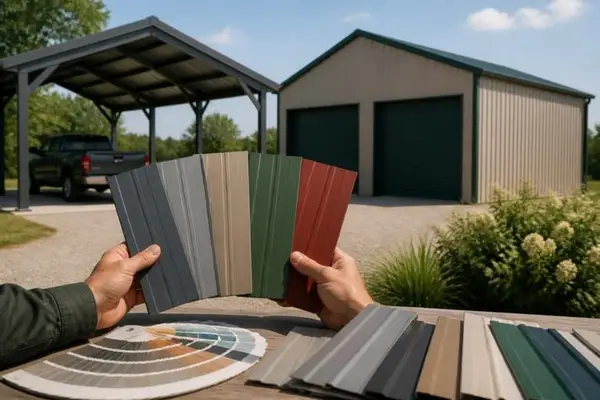
| Colors | 15+ standard colors for roof and trim | UV resistance, heat reflection |
| Accessories | Insulation, gutters, wainscoting, enclosed walls | Purpose, budget |
Engineering for specific site conditions represents another critical aspect of customization. Coastal areas may require enhanced corrosion resistance. Regions with heavy snowfall need steeper roof pitches and reinforced framing. Manufacturers work with customers to identify these requirements and specify appropriate solutions.
Installation and Delivery Logistics
Metal building manufacturing extends beyond the factory floor to encompass delivery and installation. The prefabricated nature of metal buildings simplifies on-site construction, but logistics coordination remains essential for project success.
Delivery typically involves transporting pre-cut and pre-drilled components to the customer's site. Professional installation teams then assemble the structure according to engineering specifications. This process requires proper site preparation, including level foundation areas and adequate access for equipment.
Installation timelines vary based on structure size and complexity. Simple carports may be installed in a single day, while larger enclosed buildings require several days. Weather conditions can impact scheduling, particularly for concrete work if foundations are required.
Foundation requirements depend on structure type and local codes. Smaller carports often utilize ground anchors or mobile home anchors driven into the soil. Larger buildings typically require concrete footings or full slab foundations. Manufacturers provide foundation specifications as part of the building package, ensuring installers have necessary information.
Market Challenges and Adaptation Strategies
Despite strong growth projections, metal building manufacturing faces ongoing challenges. Material cost volatility affects pricing predictability. Steel prices fluctuate based on global supply and demand dynamics, tariffs, and raw material costs. Manufacturers must balance competitive pricing with sustainable profit margins.
Labor availability represents another persistent challenge. Skilled welders, fabricators, and installers remain in short supply across manufacturing sectors. Companies address this through apprenticeship programs, competitive wages, and investment in automation that reduces dependency on manual labor for routine tasks.
Supply chain disruptions, while less severe than during the pandemic period, continue requiring attention. Manufacturers maintain relationships with multiple steel suppliers to ensure material availability. Strategic inventory management helps buffer against short-term supply interruptions without tying up excessive working capital.
Quality Assurance and Warranty Programs
Reputable manufacturers distinguish themselves through comprehensive quality assurance programs. These initiatives span the entire production process, from incoming material inspection through final product verification before shipment.
Structural integrity testing ensures buildings meet engineering specifications. Load testing on frame assemblies verifies they can withstand rated wind and snow loads. Panel testing confirms proper fastener holding strength and weather seal performance. These validations provide confidence that structures will perform as intended.
Warranty coverage reflects manufacturer confidence in their products. Standard warranties typically cover structural components for 10 to 20 years and paint finish for several years. Understanding warranty terms helps customers evaluate long-term value beyond initial purchase price.
Certification programs also contribute to quality assurance. Many metal building manufacturers pursue certifications from industry organizations, demonstrating commitment to best practices. Third-party inspections and audits verify compliance with quality standards.
Future Directions in Metal Building Manufacturing
Looking ahead, emerging trends will continue reshaping metal building manufacturing. Increased integration of smart building technologies may allow owners to monitor structural conditions, environmental factors, and energy usage through integrated sensors and connectivity.
Advanced materials research explores coatings with enhanced performance characteristics. Self-healing coatings that automatically seal minor scratches could extend building lifespans. Phase-change materials integrated into panels might improve thermal performance without traditional insulation.
Manufacturing processes will likely become even more automated. Robotic welding and assembly could increase production speed while maintaining consistent quality. Artificial intelligence might optimize production scheduling, material usage, and quality control processes.
Customer engagement tools will continue evolving. Virtual reality could allow buyers to "walk through" their designed building before manufacturing begins. Augmented reality applications might assist installation teams by overlaying assembly instructions onto physical components.
The metal building manufacturing industry demonstrates remarkable resilience and adaptability. By embracing technology, prioritizing quality, and responding to customer needs, manufacturers position themselves for continued success in serving diverse markets with durable, versatile, and sustainable building solutions.
Metal building manufacturing combines advanced engineering, quality materials, and customer-focused customization to deliver structures that serve agricultural, commercial, and residential needs effectively. Understanding manufacturing processes, current trends, and quality standards empowers property owners to make informed decisions about their building investments. Metal Structure Sales LLC brings expertise in custom metal structures with comprehensive solutions that include design consultation, manufacturing, delivery, and professional installation, ensuring your project meets specific requirements while providing lasting value for your property.