

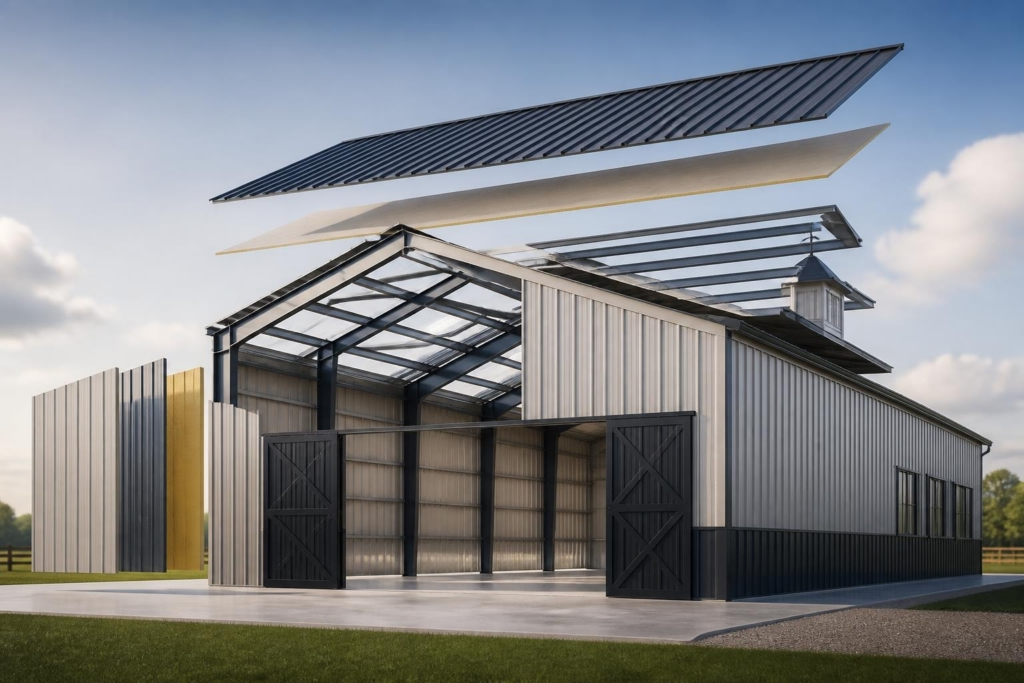
Choosing the right building material for agricultural structures represents one of the most significant decisions farm owners face in 2026. Metal for barns has emerged as the dominant choice, replacing traditional wood construction across commercial and residential properties. This shift reflects advances in steel manufacturing, improved coating technologies, and a growing understanding of total ownership costs. Whether you're housing livestock, storing equipment, or creating workshop space, understanding the properties and benefits of metal construction ensures you make an informed investment that serves your needs for decades.
Understanding Metal Barn Construction Materials
The foundation of any quality barn starts with selecting appropriate metal for barns. Modern agricultural structures typically use galvanized steel or aluminum, each offering distinct advantages depending on climate, budget, and intended use.
Steel Gauge and Frame Strength
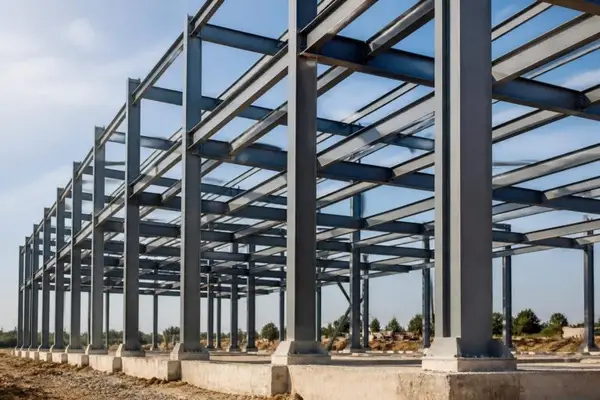
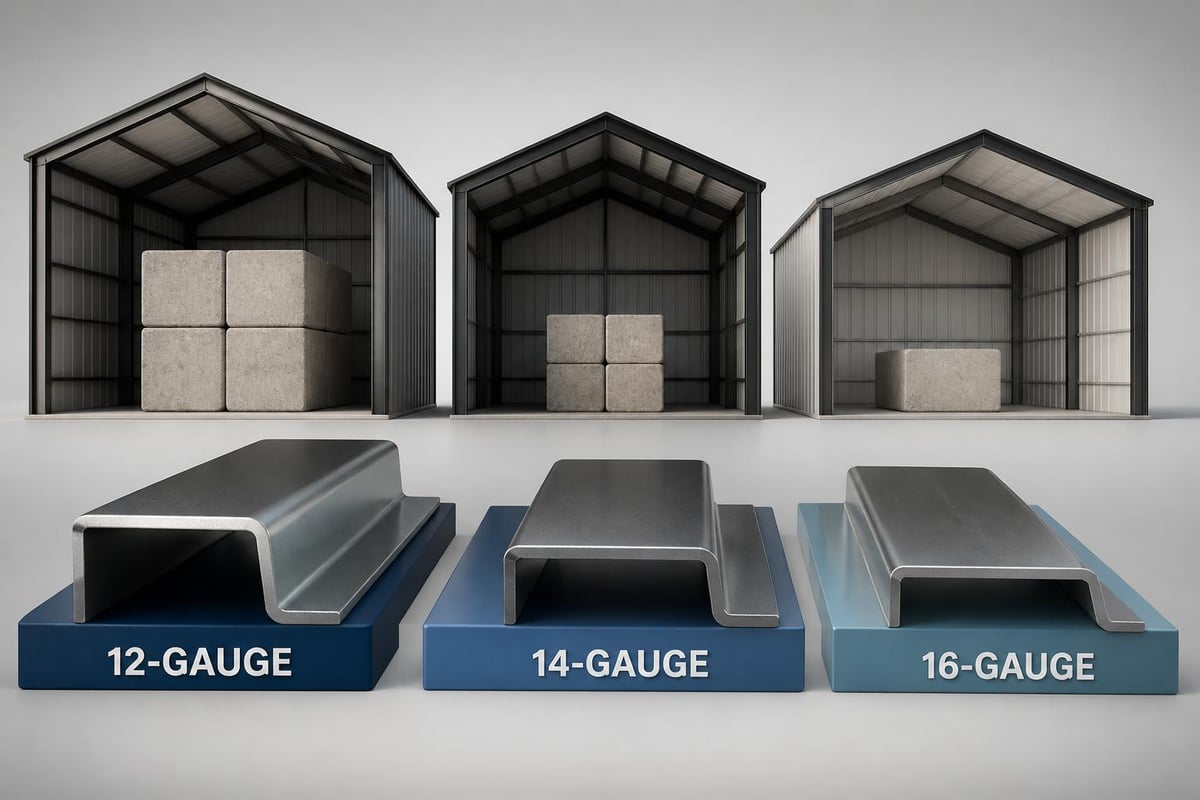
The gauge of steel directly impacts structural integrity and longevity. Commercial-grade metal for barns typically ranges from 12-gauge to 14-gauge steel framing, with lower numbers indicating thicker, stronger material. The frame forms the skeleton of your structure, bearing snow loads, wind pressure, and the weight of roofing panels.
Most manufacturers use tubular steel framing that provides superior strength-to-weight ratios compared to traditional wood posts. This engineering allows for:
- Greater clear-span widths without interior support posts
- Enhanced resistance to warping, twisting, and settling
- Reduced maintenance requirements over the structure's lifetime
- Improved load distribution across the entire framework
When evaluating steel building manufacturing processes, the quality of welds and connection points matters as much as material thickness. Factory-welded components ensure consistent quality that field assembly cannot match.
Panel Materials and Coating Systems
The exterior panels that cover your barn's frame require careful consideration. Most metal for barns uses 26-gauge or 29-gauge steel sheeting, treated with protective coatings to resist corrosion. These panels serve multiple functions beyond mere weather protection.
| Panel Type | Thickness | Best Application | Lifespan |
|---|---|---|---|
| 29-Gauge | Standard | Light storage, basic shelter | 20-25 years |
| 26-Gauge | Premium | Livestock housing, workshops | 30-40 years |
| 22-Gauge | Commercial | Heavy equipment, harsh climates | 40+ years |
Modern coating systems typically include galvanization followed by painted finishes. The galvanization process bonds zinc to the steel surface, creating a sacrificial barrier that prevents rust even when the paint scratches. Quality manufacturers offer warranties ranging from 20 to 40 years on their panel systems, reflecting confidence in material durability.
Design Considerations for Metal Barn Structures
Proper planning transforms basic metal for barns into functional, efficient agricultural buildings. The design phase determines how well your structure serves its intended purpose over its lifetime.
Roof Style Selection
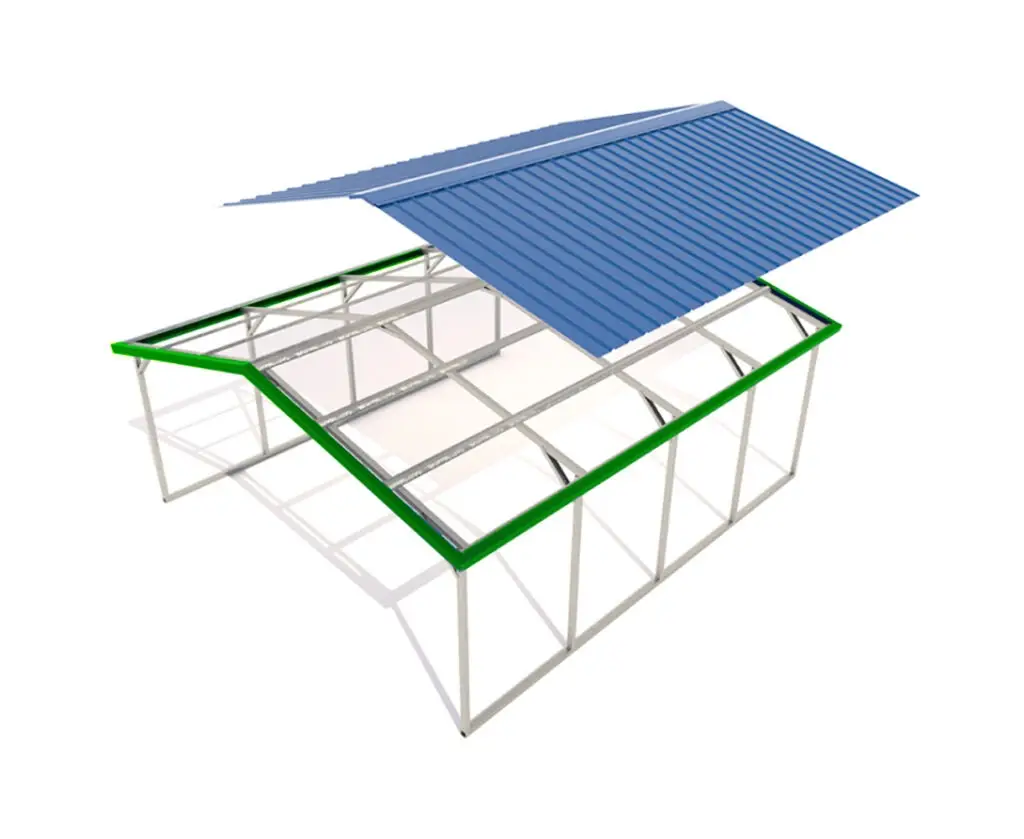
The roof represents the most critical weather barrier on any barn. Metal barn construction offers three primary roof styles, each with specific advantages:
Regular (rounded) roofs provide the most economical option for areas with minimal snow accumulation. Water and light debris shed naturally from the curved surface, though snow may accumulate under certain conditions.
A-frame (boxed eave) roofs incorporate horizontal panels that improve aesthetics and provide better load distribution. This style suits moderate climate zones where occasional snow loads occur.
Vertical roofs represent the premium choice, featuring panels that run vertically from ridge to eave. This orientation allows snow and rain to slide off immediately, making vertical roofs essential for areas with significant precipitation. The comprehensive guide on roof design explains how vertical orientation also reduces debris accumulation and extends panel life.
Dimensional Planning and Clear Span Requirements
The width, length, and height of your barn should reflect actual usage patterns rather than abstract estimates. Measure existing equipment, factor in growth, and consider workflow efficiency when determining dimensions.
Metal for barns excels in creating wide clear-span structures without interior columns. Standard widths range from 12 feet to 30 feet, while specialty wide-span designs accommodate up to 60 feet of unobstructed interior space. This flexibility proves invaluable for:
- Equipment maneuvering and storage
- Livestock movement and comfort
- Future expansion or repurposing
- Efficient hay and feed storage layouts
Leg height deserves equal attention. Standard eight-foot legs accommodate most agricultural equipment, but taller machinery, RVs, or stacked storage may require 10-foot, 12-foot, or even 16-foot clearances. Adding height during initial construction costs significantly less than raising a completed structure.
Practical Applications of Metal Barn Construction
The versatility of metal for barns extends across numerous agricultural and residential applications. Understanding these use cases helps identify design features that enhance functionality.
Livestock Housing and Animal Welfare
Properly designed metal barns create comfortable, healthy environments for horses, cattle, goats, and other livestock. Temperature regulation, ventilation, and moisture control all improve with thoughtful material selection and layout planning.
Metal construction naturally resists pests, mold, and rot that plague wood barns. This characteristic reduces disease transmission and creates cleaner living spaces. The design considerations for functional barn spaces emphasize airflow patterns and natural light integration as critical factors in animal health.
For equestrian facilities specifically, metal for barns offers exceptional value. Horse owners benefit from structures that resist kicking damage, prevent fire spread, and require minimal upkeep. Customizable stall configurations, tack rooms, and wash areas integrate seamlessly into metal building designs. Metal Horse Barns provide options ranging from basic run-in sheds to full-service boarding facilities with grooming stations and climate control systems.
Equipment Storage and Workshop Applications
Farm equipment represents substantial capital investment requiring protection from weather, theft, and deterioration. Metal for barns creates secure storage that preserves equipment value while providing workspace for maintenance and repairs.
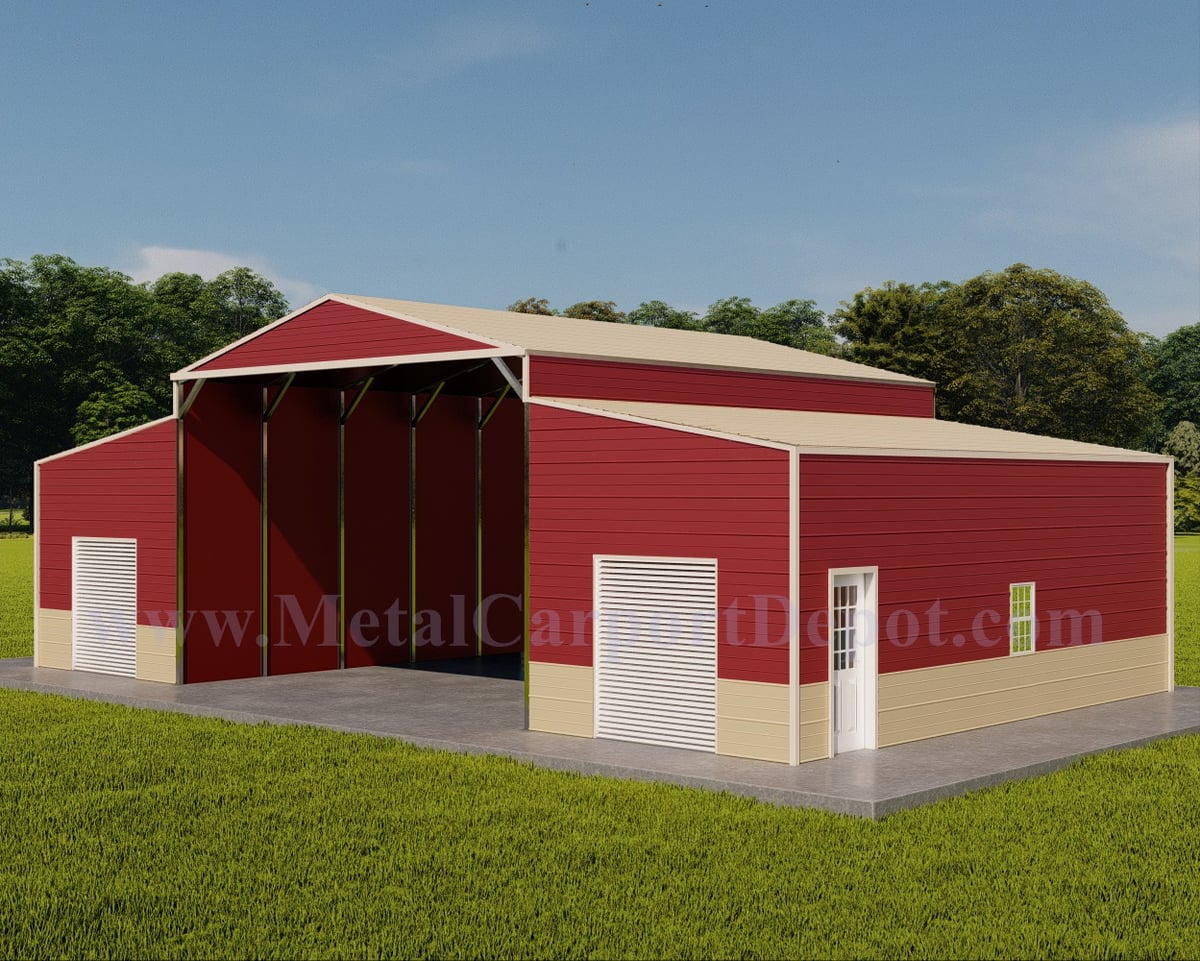
The clear-span capability of metal construction eliminates interior posts that complicate equipment positioning and movement. Wide roll-up doors, strategically placed walk-in entries, and optional windows create functional workspace without compromising security.
- Corrosion-resistant panels protect sensitive machinery from moisture
- Adequate height accommodates tractors, combines, and implements
- Optional insulation maintains stable temperatures for workshop activities
- Electrical wiring integrates easily into metal framing systems
Many farmers discover that metal buildings serve dual purposes, combining covered equipment parking with enclosed workshop or storage areas. This versatility maximizes return on investment while addressing multiple operational needs.
Hay and Feed Storage Requirements
Preserving hay quality demands careful moisture management and ventilation. Metal for barns provides excellent solutions when designed with agricultural storage principles in mind. The ventilation strategies for hay storage detail how ridge vents, gable vents, and strategic panel placement create airflow that prevents condensation and mold growth.
Proper hay storage design includes:
- Raised floors or moisture barriers separating bales from ground contact
- Adequate roof overhang protecting openings from wind-driven rain
- Cross-ventilation allowing air circulation without creating drafts
- Sufficient height preventing heat accumulation in upper storage areas
Feed security represents another consideration. Enclosed metal structures with locking doors protect grain and supplements from rodents, wild animals, and weather contamination. The inherent pest resistance of steel construction reduces feed waste and contamination risks common in wood buildings.
Installation and Site Preparation Essentials
Even the highest quality metal for barns requires proper installation to achieve expected performance and longevity. Site preparation, anchoring methods, and assembly techniques all impact final results.
Foundation and Anchoring Systems
Metal barn foundations range from simple earth anchors to engineered concrete slabs, depending on structure size, local codes, and intended use. The comprehensive building guide outlines critical foundation considerations affecting structural stability.
| Foundation Type | Best For | Cost Range | Installation Time |
|---|---|---|---|
| Mobile Home Anchors | Portable structures, temporary buildings | $ | 1-2 hours |
| Rebar Ground Anchors | Permanent installations, stable soil | $$ | 2-4 hours |
| Concrete Piers | High wind areas, uneven terrain | $$$ | 1-2 days |
| Full Slab | Enclosed buildings, workshop floors | $$$$ | 3-7 days |
Soil composition, drainage patterns, and local frost depth all influence foundation selection. Expansive clay soils may require special anchoring, while sandy soils often accommodate standard installation methods. Professional site assessment identifies potential issues before they compromise structural integrity.
Assembly Process and Professional Installation
Modern metal for barns arrives as prefabricated components engineered for efficient assembly. The advantages of prefabricated metal construction include factory-precise tolerances that ensure proper fit and structural performance.
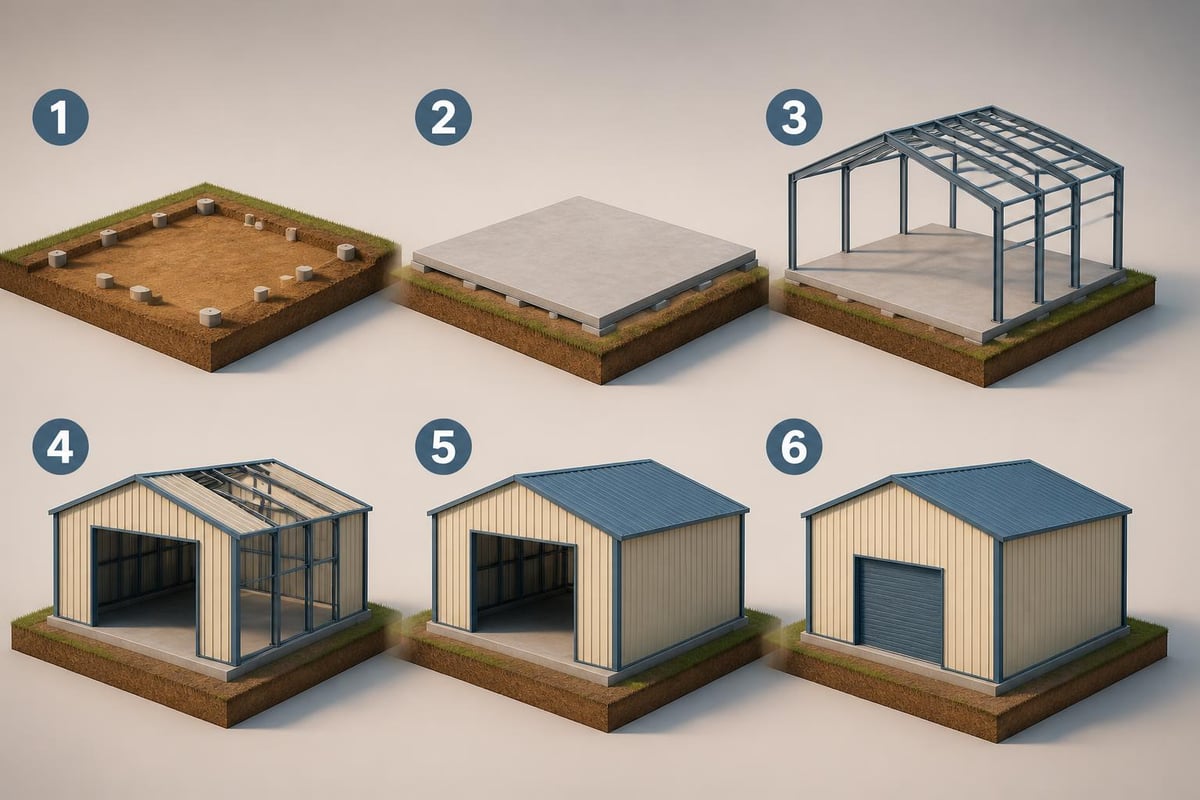
Professional installation teams typically complete standard barn projects in one to three days, depending on size and complexity. The process follows a systematic sequence:
- Site survey and foundation verification
- Frame assembly and anchoring
- Roof panel installation from ridge to eaves
- Side wall panel attachment
- Trim installation and weatherproofing
- Final inspection and quality verification
While experienced builders may consider self-installation, professional installation offers significant advantages. Manufacturers' warranties often require certified installation, and professional teams carry liability insurance protecting property owners from installation-related damages. The efficiency of experienced crews also reduces weather exposure during construction.
Cost Analysis and Long-Term Value
Financial considerations extend beyond initial purchase price when evaluating metal for barns. Total ownership costs, maintenance expenses, and operational savings provide more accurate value assessments.
Initial Investment Factors
Metal barn pricing reflects multiple variables including size, gauge selection, roof style, customization options, and regional installation costs. A basic 24×30 regular roof structure typically starts around $5,000 to $7,000 installed, while premium 30×50 vertical roof barns may range from $12,000 to $18,000 or more.
The professional design considerations affecting cost include:
- Structural engineering for snow and wind loads
- Customization such as walk-in doors, windows, and insulation
- Site preparation requirements including grading and drainage
- Local permit fees and inspection requirements
- Optional features like electrical wiring and lighting
Comparing quotes requires attention to specifications. Ensure competing bids reflect identical gauge thickness, panel quality, roof style, and warranty terms. The cheapest option frequently uses lighter materials or excludes critical components like trim packages and sealants.
Maintenance and Operating Expenses
Metal for barns dramatically reduces ongoing maintenance compared to wood construction. Annual maintenance typically involves:
- Visual inspection for loose fasteners or panel damage
- Clearing debris from roof valleys and gutters
- Touching up scratches or paint chips to prevent rust
- Verifying anchor integrity and adjusting as needed
These tasks require minimal time and expense, often totaling less than $100 annually for routine care. Wood barns demand regular painting, wood replacement, pest control, and structural repairs that accumulate thousands of dollars over a structure's lifetime.
Energy efficiency represents another cost consideration. Metal roofs reflect solar radiation, reducing heat absorption in summer months. When combined with proper insulation, this characteristic lowers cooling costs for climate-controlled spaces. The insulated carport options demonstrate how thermal barriers enhance year-round comfort and reduce utility expenses.
Return on Investment and Property Value
Quality metal for barns enhances property value while providing functional utility. Real estate appraisers recognize permanent metal structures as improvements that increase farm and rural property marketability.
The balanced assessment of metal barn benefits identifies both advantages and limitations. While metal construction excels in durability and weather resistance, some buyers prefer traditional wood aesthetics. However, the practical benefits of low maintenance and extended lifespan typically outweigh aesthetic preferences in agricultural markets.
Insurance companies often offer premium reductions for metal structures due to fire resistance and wind resistance characteristics. The non-combustible nature of steel significantly reduces fire risk compared to wood barns filled with flammable hay and bedding. This safety factor translates to both lower premiums and improved insurability in high-risk areas.
Customization Options and Upgrades
Standard metal for barns serves basic needs effectively, but customization transforms generic structures into purpose-built facilities. Understanding available options helps you create a barn that precisely matches operational requirements.
Color Selection and Aesthetic Enhancement
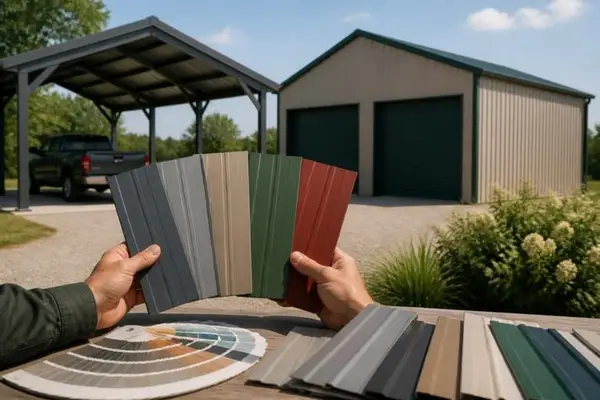
Modern metal panels offer extensive color choices beyond basic galvanized silver. Popular options include barn red, forest green, chocolate brown, and various earth tones that blend with rural landscapes. Many manufacturers offer two-tone designs combining different colors for roofs, walls, and trim.
Color selection serves practical purposes beyond aesthetics. Lighter colors reflect more solar radiation, reducing interior heat buildup. Darker colors may better conceal dirt and wear in high-traffic areas. Quality paint systems maintain color integrity for decades without fading or chalking.
Functional Add-Ons and Accessories
Enhancing basic metal for barns with functional upgrades increases utility and convenience. Common additions include:
- Walk-in doors and windows: Improve access and natural lighting
- Roll-up or sliding doors: Accommodate equipment entry and exit
- Gutters and downspouts: Control water runoff and protect foundations
- Insulation packages: Enable climate control for workshops or livestock
- Ventilation systems: Ridge vents, louvers, and turbine vents improve airflow
- Extended gables: Create covered entry areas or additional weather protection
The modular nature of metal construction accommodates future additions easily. Planning for potential expansion during initial design proves more cost-effective than retrofitting later. Building with steel framing allows straightforward lengthening, additional bays, or enclosed end sections as needs evolve.
Multi-Purpose Design Integration
Innovative farmers combine multiple functions within single metal for barns structures to maximize value and efficiency. A 40×60 building might include:
- Open equipment storage occupying 2,000 square feet
- Enclosed workshop area with insulation and climate control spanning 800 square feet
- Hay storage loft utilizing vertical space above ground-level areas
- Small office or break room providing shelter during extended work sessions
This integrated approach reduces the total footprint while providing diverse functionality. The agricultural storage solutions explore how modern farmers optimize limited space through thoughtful design.
Regional Considerations and Local Requirements
Metal for barns performs differently across various climates and geographic regions. Understanding local factors ensures your structure meets environmental demands and regulatory requirements.
Climate-Specific Design Requirements
Snow loads vary dramatically across the United States, from minimal concern in southern states to critical engineering factors in northern regions. Metal barn design must account for:
- Snow load ratings: Northern states may require structural engineering for 50-90 pounds per square foot
- Wind speed zones: Coastal and plains regions demand enhanced anchoring for hurricane or tornado resistance
- Seismic considerations: Earthquake-prone areas require flexible connections and specialized engineering
The vertical roof style proves essential in heavy snow regions, ensuring snow slides off rather than accumulating. Horizontal roof styles work adequately in moderate climates but may require periodic snow removal in areas experiencing occasional heavy snowfall.
Extreme temperature ranges also influence material selection. Expansion and contraction cycles affect panel fasteners and trim pieces. Quality installations include expansion joints and properly positioned fasteners accommodating seasonal movement without panel buckling or fastener failure.
Permitting and Code Compliance
Most jurisdictions require building permits for permanent metal for barns structures. Permit requirements typically include:
- Engineered drawings stamped by licensed professionals
- Site plans showing setback distances from property lines
- Foundation specifications meeting local frost depth requirements
- Structural calculations demonstrating adequate load capacity
Working with established manufacturers simplifies permitting since they provide necessary engineering documentation. Attempting to avoid permits risks enforcement actions, fines, and difficulties during property sales. The investment in proper permitting protects long-term property rights and ensures insurance coverage remains valid.
Zoning regulations may restrict barn placement, size, or even exterior colors in some areas. Homeowners associations often impose additional requirements beyond municipal codes. Researching restrictions before purchasing prevents costly mistakes and project delays.
Environmental Impact and Sustainability
The environmental footprint of construction materials increasingly influences purchasing decisions. Metal for barns offers several sustainability advantages over traditional building materials.
Recyclability and Material Lifecycle
Steel ranks among the most recycled materials globally, with recycling rates exceeding 90 percent for construction steel. Most metal for barns contains significant recycled content, reducing virgin material extraction and processing energy. At end of life, metal buildings disassemble easily and return to recycling streams without generating landfill waste.
This contrasts sharply with wood construction, where treated lumber contains chemicals preventing safe decomposition and limiting recycling options. Demolition of wood barns typically generates substantial waste requiring landfill disposal.
Energy Efficiency and Carbon Footprint
Manufacturing metal for barns requires significant energy, but lifecycle analysis reveals favorable long-term environmental profiles. The durability of metal construction means structures serve 50-75 years or longer without major material replacement. This longevity amortizes manufacturing impact across decades of useful service.
Cool metal roofing reflects solar radiation, reducing urban heat island effects and lowering cooling energy requirements. When combined with insulation, metal buildings achieve energy efficiency comparable to or exceeding traditional construction while requiring less maintenance energy over their lifespan.
Water Management and Runoff Control
Proper installation of metal for barns includes gutter systems that channel roof runoff to designated collection or drainage areas. This controlled water management reduces erosion, prevents foundation undermining, and creates opportunities for rainwater harvesting.
Large barn roofs collect substantial water volumes. A 30×40 barn in an area receiving 40 inches of annual rainfall captures approximately 30,000 gallons yearly. Directing this resource to stock tanks, irrigation systems, or retention ponds adds value while reducing environmental impact.
Specialty Applications and Unique Uses
While agricultural applications dominate, metal for barns serves diverse purposes beyond traditional farming. Creative property owners discover numerous ways to leverage metal building advantages.
Residential and Hobby Farm Applications
Small-acreage landowners and hobby farmers benefit from scaled metal for barns designs meeting modest needs. A compact 12×20 structure provides adequate space for:
- Garden tool and equipment storage
- Small animal housing for chickens or goats
- Workshop space for woodworking or crafts
- Covered parking for ATVs, lawn equipment, or trailers
These smaller structures offer the same durability and low maintenance as larger barns while fitting tighter budgets and limited properties. The tips for building horse barns translate effectively to other small livestock applications, emphasizing proper ventilation, stall sizing, and safety considerations.
Commercial and Business Uses
Contractors, landscapers, and small business owners increasingly choose metal for barns to house equipment fleets, materials, and operations. The security, weather protection, and professional appearance serve business needs while controlling overhead costs.
Commercial applications often require electrical service, concrete floors, and enhanced security features. Metal construction accommodates these additions seamlessly, with framing systems designed to support electrical conduit, lighting fixtures, and security camera installations.
Event and Recreation Facilities
Rural event venues utilize large metal for barns structures for weddings, community gatherings, and agricultural exhibitions. The open interior spaces, weather protection, and minimal maintenance requirements make metal buildings practical for seasonal or occasional use.
Equestrian centers, riding academies, and boarding facilities represent another growth sector. Large indoor arenas utilize wide-span metal construction creating unobstructed riding spaces with consistent footing and year-round usability regardless of weather conditions.
Comparing Metal to Alternative Building Materials
Understanding how metal for barns compares to wood, pole barn, and masonry construction helps justify material selection decisions.
Metal Versus Traditional Wood Construction
Wood barns dominated agricultural construction for centuries, but metal offers compelling advantages:
| Factor | Metal Barns | Wood Barns |
|---|---|---|
| Initial Cost | Moderate | Moderate to High |
| Installation Time | 1-3 days | 1-2 weeks |
| Maintenance | Minimal | Extensive |
| Lifespan | 40-60 years | 20-40 years |
| Fire Resistance | Excellent | Poor |
| Pest Resistance | Excellent | Poor |
| Customization | High | High |
Wood provides traditional aesthetics some property owners prefer, and skilled carpenters can create unique architectural details difficult to replicate with metal. However, the ongoing maintenance burden, vulnerability to fire and pests, and shorter service life often make wood less practical for working agricultural operations.
Metal Versus Pole Barn Construction
Pole barns use wood posts set in concrete or directly in ground, supporting wood or metal roofs and siding. This hybrid approach offers faster construction than traditional wood framing but shares many wood disadvantages:
- Wood posts eventually rot, especially below grade
- Pest infestation remains a concern with wood components
- Structural integrity degrades over time as wood deteriorates
- Maintenance requirements exceed all-metal construction
Metal for barns eliminates wood components entirely, using steel posts, framing, and panels throughout. This consistency ensures uniform durability and predictable performance across all structural elements.
Cost-Benefit Analysis Across Building Types
While initial costs influence decisions, total ownership expenses tell the complete financial story. A $15,000 metal barn requiring $100 annually in maintenance costs $18,000 over 30 years. A comparable $12,000 wood barn requiring $500 annually in maintenance totals $27,000 over the same period, assuming no major structural repairs or replacement.
Factor in insurance savings, resale value, and opportunity costs of time spent on maintenance, and metal for barns demonstrates clear financial advantages for most agricultural applications.
Selecting metal for barns represents a strategic investment in durable, low-maintenance agricultural infrastructure that serves diverse needs for decades. The combination of structural strength, weather resistance, customization flexibility, and cost-effectiveness makes metal construction the practical choice for modern farming operations and rural property owners. Whether you need livestock housing, equipment storage, or multi-purpose workspace, Metal Structure Sales LLC delivers customizable metal structures with complete installation services, helping you create the perfect barn solution for your property and operational requirements.