

A metal workshop represents a significant investment for businesses, hobbyists, and professionals who need dedicated space for fabrication, repairs, maintenance, or storage. Whether you're setting up a commercial operation or creating a personal workspace, understanding the fundamentals of metal workshop design, safety protocols, and structural requirements ensures you build a facility that serves your needs efficiently while maintaining a safe working environment. The right metal workshop combines thoughtful layout, proper equipment placement, adequate ventilation, and compliance with safety standards to create a productive and secure workspace.
Understanding Metal Workshop Design Fundamentals
The foundation of an effective metal workshop begins with careful planning and design. Before breaking ground or ordering materials, you need to define your workshop's primary functions and the specific tasks you'll perform regularly.
Defining Your Workshop's Purpose
Different operations require vastly different space configurations and equipment. A metal workshop designed for welding and fabrication has different ventilation needs than one focused on precision machining or automotive repair. Consider these key questions:
- What types of projects will you complete regularly?
- How many people will work simultaneously in the space?
- What equipment and machinery require dedicated floor space?
- Do you need separate zones for different processes?
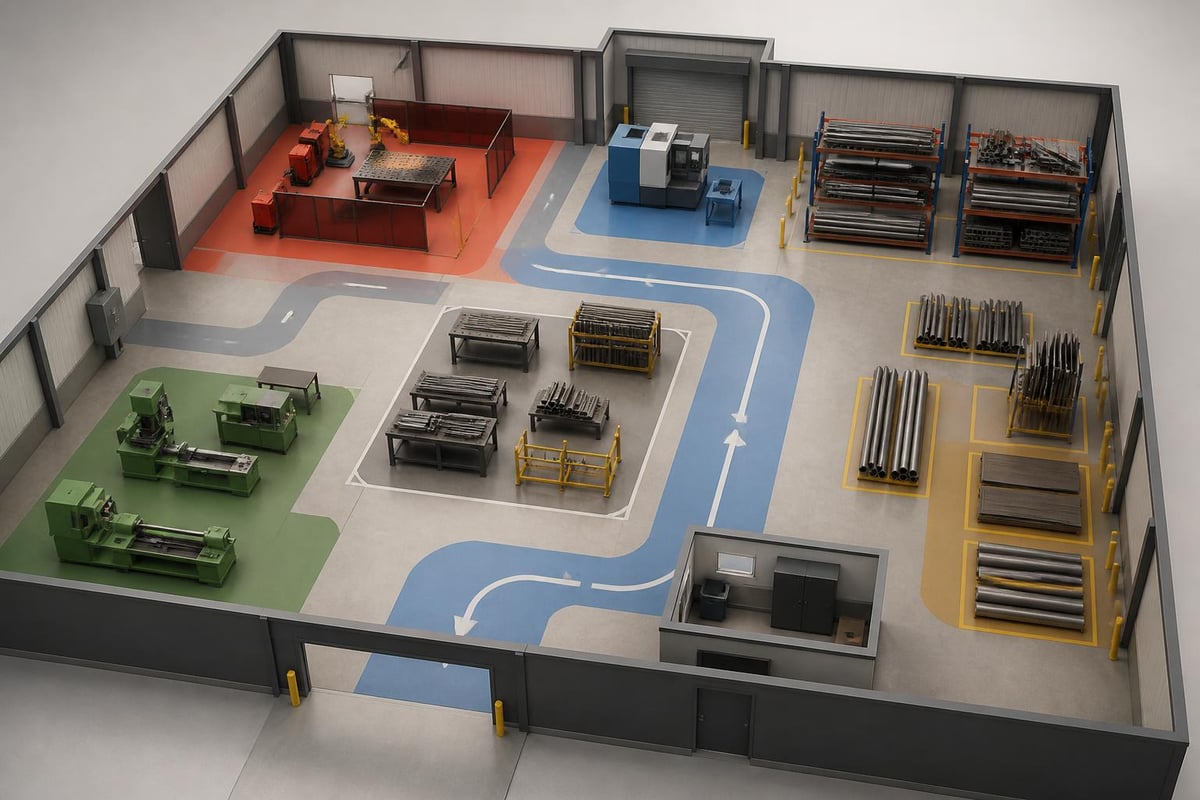
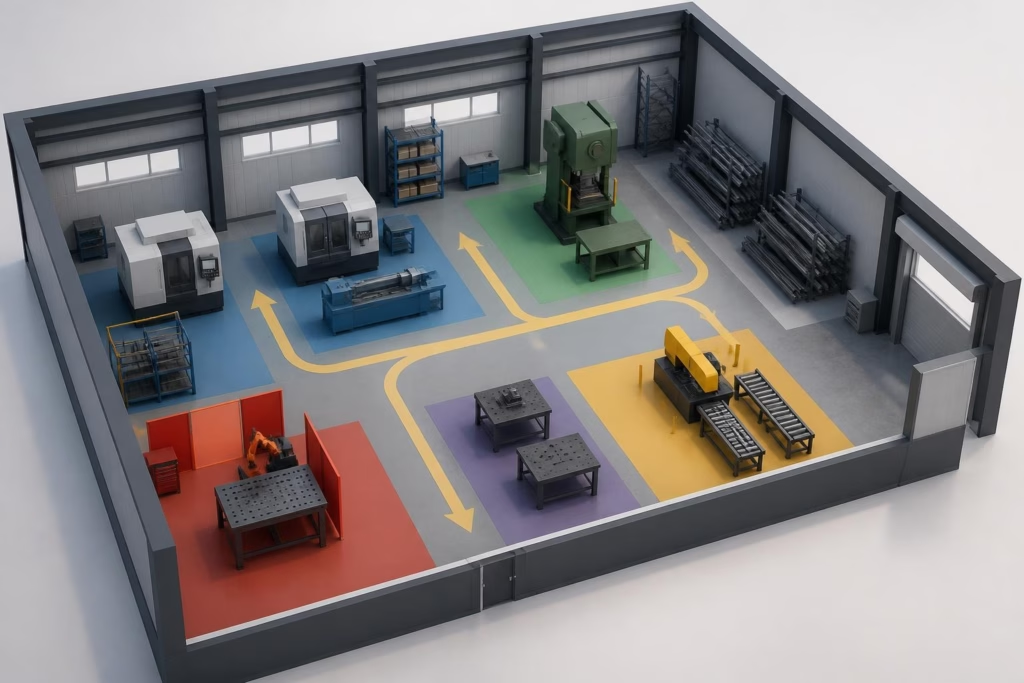
Creating detailed sketches or digital layouts helps visualize traffic flow and equipment placement. According to comprehensive design guides, defining these elements early prevents costly modifications after construction.
Structural Considerations for Metal Buildings
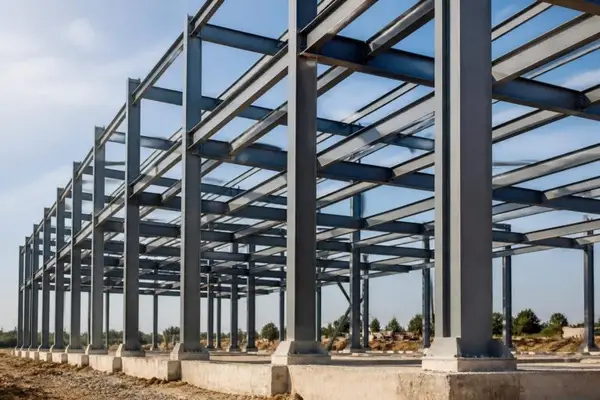
Metal structures offer exceptional advantages for workshop applications. Steel frames provide open interior spaces without load-bearing walls, allowing complete flexibility in layout design. This clear-span construction means you can reconfigure workstations, add equipment, or modify your space as your needs evolve.
| Structural Feature | Benefit | Application |
|---|---|---|
| Clear-span design | No interior columns | Maximizes usable floor space |
| High ceiling options | Vertical clearance | Accommodates tall equipment, overhead cranes |
| Wide door openings | Easy equipment access | Simplifies moving large materials |
| Steel frame durability | Long-term stability | Supports heavy machinery, suspended loads |
When planning your metal workshop dimensions, factor in future expansion possibilities. Industrial workshop design experts recommend incorporating expansion capabilities during initial planning rather than treating growth as an afterthought.
Critical Space Allocation and Layout Planning
Efficient space utilization separates functional workshops from frustrating ones. Every square foot should serve a purpose, whether for equipment, workflow, storage, or safety clearances.
Equipment Placement and Workflow Optimization
Position heavy machinery and stationary equipment first, then design workflow paths around these anchor points. Material should flow logically from raw storage through processing stations to finished goods or project completion areas.
Primary workflow considerations:
- Minimize material handling distances between related operations
- Create dedicated receiving and shipping zones
- Establish separate clean and dirty work areas
- Provide adequate clearance around all machinery
A metal workshop layout should accommodate both current operations and anticipated additions. Leave buffer space around major equipment for maintenance access and operator safety zones.
Storage Solutions and Organization
Proper storage prevents clutter, reduces accident risks, and improves operational efficiency. Dedicated storage zones should include:
- Raw material storage with organized racks for different stock sizes
- Tool cribs with secure cabinets and easy inventory management
- Consumables storage for welding gases, cutting fluids, and supplies
- Finished goods staging separated from active work areas
- Hazardous material storage meeting regulatory requirements
Vertical storage maximizes floor space in your metal workshop. Wall-mounted racks, overhead storage systems, and mezzanines utilize cubic volume rather than just square footage.
Safety Standards and Regulatory Compliance
Safety isn't optional in metal workshop environments. The combination of heavy machinery, sharp materials, electrical systems, and various hazards requires comprehensive safety planning and strict adherence to established protocols.
OSHA Requirements for Metal Workshops
The Occupational Safety and Health Administration establishes mandatory standards for workplace safety. OSHA standards for steel operations cover numerous aspects of metal workshop safety, including machine guarding, fall protection, electrical safety, and hazardous material handling.
Essential OSHA compliance areas:
- Machine guarding on all rotating equipment and cutting tools
- Personal protective equipment (PPE) requirements and enforcement
- Proper electrical installation and grounding
- Ventilation systems for welding fumes and dust control
- Emergency exits, fire suppression, and first aid facilities
Meeting OSHA safety standards during the design phase proves more cost-effective than retrofitting existing structures. Building safety into your metal workshop from the beginning protects workers and reduces liability exposure.
Personal Protective Equipment and Safe Practices
Beyond structural compliance, operational safety depends on consistent application of safe work practices. Workshop safety protocols emphasize personal responsibility alongside engineering controls.
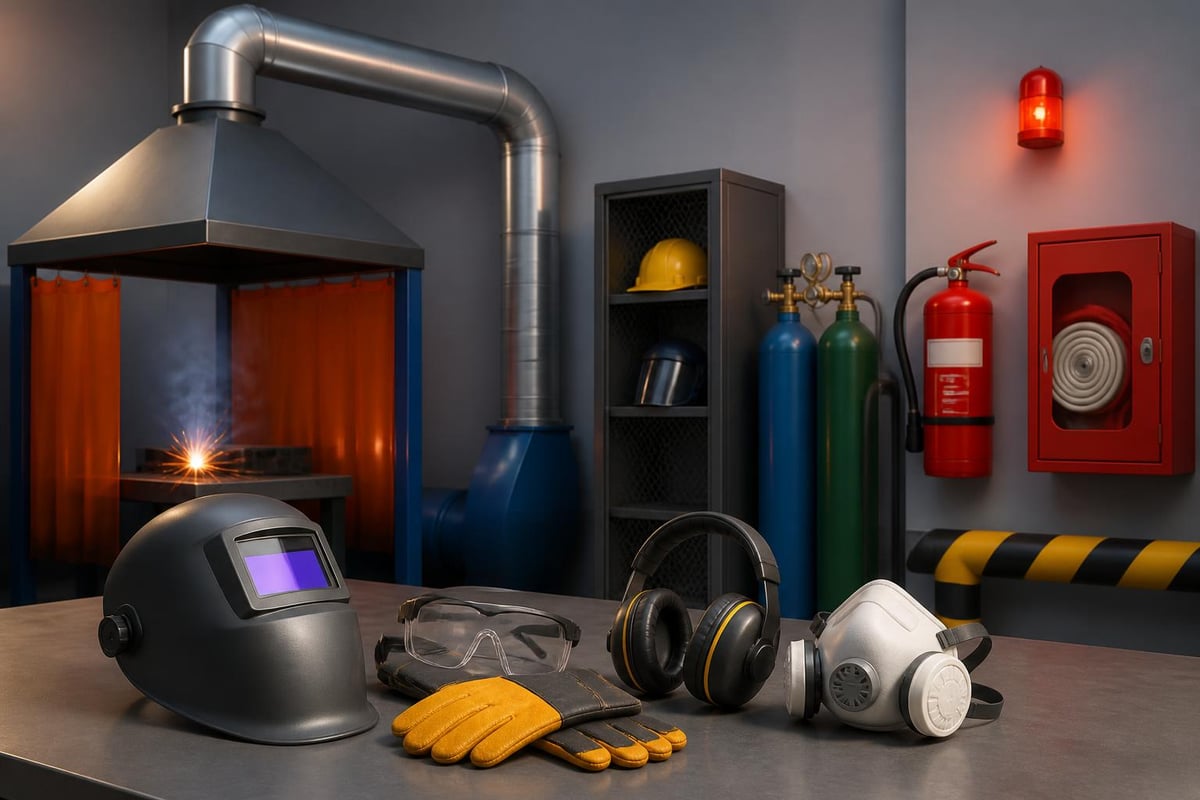
Establish and enforce mandatory PPE requirements based on specific operations. Welding requires different protection than grinding or machining. Regular safety training ensures every worker understands hazards and proper protective measures.
Building Systems and Environmental Controls
A productive metal workshop requires more than just walls and a roof. Critical building systems control the interior environment, support operations, and protect both workers and equipment.
Ventilation and Air Quality Management
Metal working processes generate fumes, dust, and airborne particulates that pose health risks and reduce visibility. Proper ventilation isn't merely recommended-it's essential for worker health and often legally mandated.
Ventilation system types:
- Natural ventilation through ridge vents and wall louvers
- Mechanical exhaust fans for general air circulation
- Local exhaust systems at grinding and welding stations
- Air filtration systems for fine particulate removal
Size ventilation capacity based on your metal workshop volume, number of emission sources, and types of processes performed. Inadequate ventilation creates hazardous working conditions and violates safety regulations.
Electrical Systems and Power Distribution
Modern workshops demand substantial electrical capacity for machinery, lighting, welding equipment, and climate control. Plan electrical systems to handle current needs plus reasonable future expansion.
| Electrical Requirement | Specification | Purpose |
|---|---|---|
| Main service capacity | 200-400 amps minimum | Powers all equipment and systems |
| 480V three-phase circuits | Heavy machinery | Runs industrial equipment efficiently |
| 240V circuits | Welders, compressors | Supports high-draw portable equipment |
| 120V circuits | Tools, lighting | General purpose power |
| GFCI protection | Wet locations | Prevents electrical shock hazards |
Position electrical panels and disconnect switches for easy access but away from potential impact zones. Ground all equipment properly and use appropriate circuit protection for each application.
Lighting Design for Metal Workshops
Adequate lighting prevents accidents, reduces eye strain, and improves work quality. Metal workshop lighting needs exceed typical commercial or residential requirements due to precision tasks and safety considerations.
Combine natural daylighting with high-efficiency artificial lighting. LED fixtures deliver superior light output with minimal heat generation and reduced energy costs. Design considerations for workshop buildings recommend minimum illumination levels of 50-100 foot-candles for general work areas, with task lighting providing 200+ foot-candles at precision workstations.
Insulation and Climate Control Options
Temperature extremes impact both worker comfort and equipment performance. While some metal workshop applications require minimal climate control, others demand precise temperature and humidity management.
Insulation Types and Performance
Uninsulated metal buildings experience significant temperature swings, condensation issues, and uncomfortable working conditions. Insulation transforms a basic steel structure into a controlled environment suitable for year-round operations.
Common insulation options:
- Spray foam insulation – Superior R-value, air sealing, moisture barrier
- Fiberglass batt insulation – Cost-effective, adequate performance
- Rigid board insulation – High R-value per inch, moisture resistant
- Reflective insulation – Reduces radiant heat transfer
Insulation requirements vary by climate zone and intended use. A heated metal workshop in northern regions needs substantially more insulation than a ventilated-only structure in moderate climates.
Heating and Cooling Systems
Climate control system selection depends on workshop size, insulation levels, occupancy patterns, and budget constraints. Options range from simple spot heating to comprehensive HVAC systems.
Heating solutions:
- Radiant tube heaters mounted overhead
- Forced-air unit heaters
- In-floor radiant heating systems
- Wood or waste oil heating for supplemental heat
Cooling approaches:
- High-volume low-speed (HVLS) ceiling fans
- Evaporative cooling in dry climates
- Air conditioning for precision-controlled environments
When selecting systems for your metal workshop, consider operational costs alongside installation expenses. Energy-efficient solutions often justify higher upfront investment through reduced monthly operating costs.
Specialty Considerations for Different Workshop Types
Not all metal workshops serve identical purposes. Specific applications demand unique design features and equipment configurations that wouldn't apply to general-purpose facilities.
Fabrication and Welding Workshops
Fabrication-focused metal workshop facilities prioritize material handling capabilities, welding station setup, and cutting equipment access. Heavy-duty overhead cranes or gantry systems move large steel components efficiently.
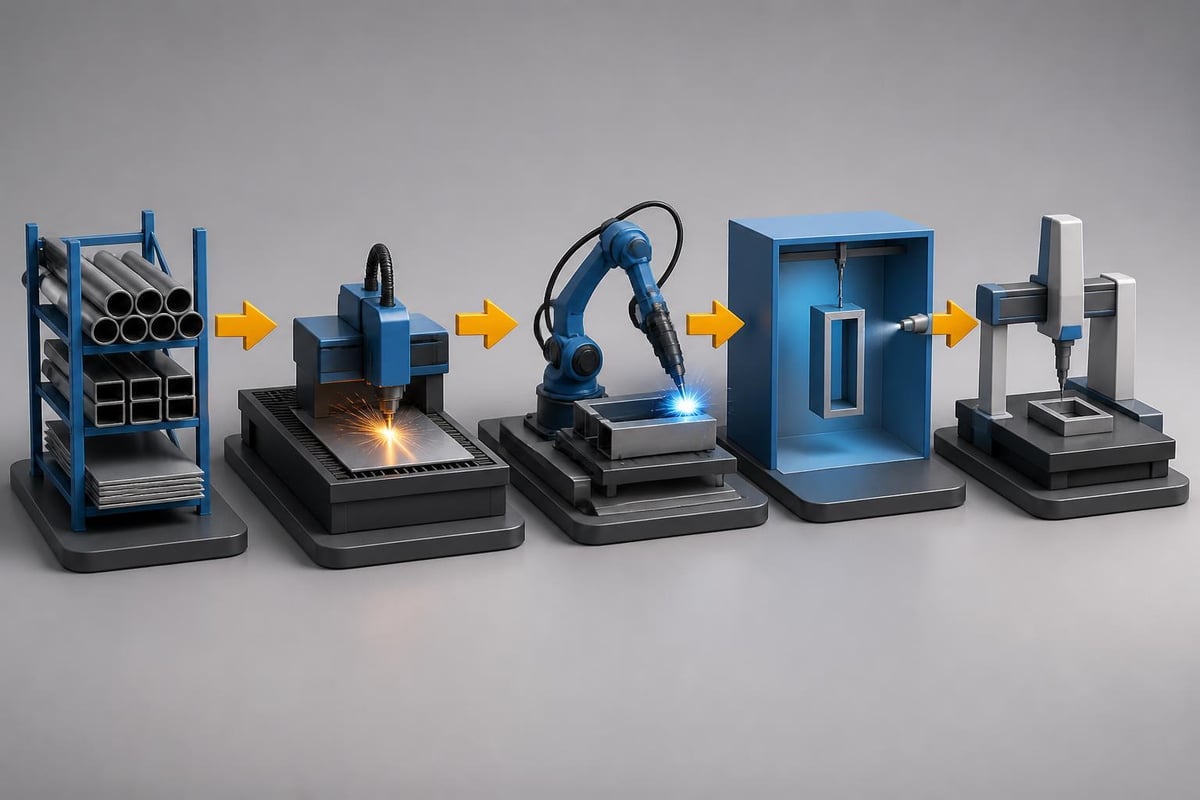
Welding operations require extensive ventilation, dedicated electrical service for multiple welding machines, and fire-resistant surfaces. Separate welding bays with proper curtains protect nearby workers from arc flash exposure.
Automotive and Equipment Repair Workshops
Automotive repair operations need different configurations than fabrication shops. Vehicle lifts, alignment systems, and diagnostic equipment dictate floor layouts and electrical requirements.
For those working with recreational vehicles or larger equipment, specialized structures like Metal Carport Combo Units provide versatile solutions that combine covered work areas with enclosed storage space. These hybrid designs offer flexibility for businesses that need both protected workspace and secure equipment storage without constructing separate buildings.
Machining and Precision Workshops
Precision machining demands stable foundations, climate control, and careful vibration isolation. CNC equipment and precision measuring instruments require controlled environments to maintain accuracy.
Temperature stability prevents thermal expansion issues that affect tolerance capabilities. Humidity control protects sensitive electronics and prevents rust on precision surfaces and measuring tools.
Doors, Access Points, and Material Handling
How materials, equipment, and vehicles enter and exit your metal workshop significantly impacts operational efficiency. Inadequate door sizing or poorly positioned openings create bottlenecks and safety hazards.
Door Types and Sizing
Commercial overhead doors provide the most versatile access for metal workshops. Roll-up doors work well for frequent access, while sectional doors offer better insulation properties.
Standard door sizing guidelines:
- 10' x 10' minimum for vehicle access
- 12' x 14' for larger trucks and equipment
- 16' x 16' or wider for oversized loads
- Walk-through doors every 100-150 feet along exterior walls
Position doors to facilitate logical material flow and provide emergency exit access from all areas. Consider prevailing wind direction when locating large openings to prevent weather infiltration.
Loading Docks and Material Receiving
If your metal workshop receives regular deliveries of raw materials or ships finished products, dedicated loading facilities streamline operations and improve safety. Dock-height platforms allow direct transfer from trucks without ground-level loading complications.
Even workshops without formal docks benefit from designated receiving areas with adequate maneuvering space for delivery vehicles and clear paths to interior storage locations.
Foundation Requirements and Site Preparation
A metal workshop is only as good as the foundation supporting it. Proper site preparation and foundation construction ensure structural stability, prevent settling issues, and provide a level working surface.
Site Selection and Preparation
Choose level sites whenever possible to minimize earthwork and foundation costs. Evaluate drainage patterns to direct water away from the building and prevent pooling around the foundation.
Site preparation steps include:
- Clearing vegetation and removing topsoil
- Grading to establish proper drainage slopes
- Compacting fill material to design density
- Installing utility trenches for electrical, water, and data lines
- Pouring foundation according to engineering specifications
Foundation Types for Metal Structures
Most metal workshop applications use slab-on-grade foundations that combine a structural footing with a working floor surface. This approach provides cost-effective support for the building while creating a durable interior floor.
| Foundation Type | Best Application | Advantages |
|---|---|---|
| Thickened edge slab | Light to medium duty | Cost-effective, fast installation |
| Pier and beam | Poor soil conditions | Accommodates uneven sites |
| Full basement | Multi-story workshops | Maximizes usable space |
| Equipment pads | Heavy machinery | Isolated vibration control |
Reinforce concrete slabs appropriately for anticipated floor loads. Heavy equipment or vehicle traffic requires thicker slabs with additional rebar reinforcement compared to lighter-duty applications.
Customization Options and Future Expansion
Your current needs rarely represent your final requirements. Planning for modification and expansion capabilities ensures your metal workshop serves you effectively for years to come.
Modular Design Approaches
Steel building systems accommodate modifications more readily than conventional construction. Additional bays extend building length with minimal disruption. Endwall expansions increase workspace without rebuilding existing sections.
Design electrical, plumbing, and mechanical systems with expansion in mind. Oversizing main service panels and running conduit to future expansion zones costs little during initial construction but saves substantially when adding capacity later.
Common Customization Features
Exterior customization options:
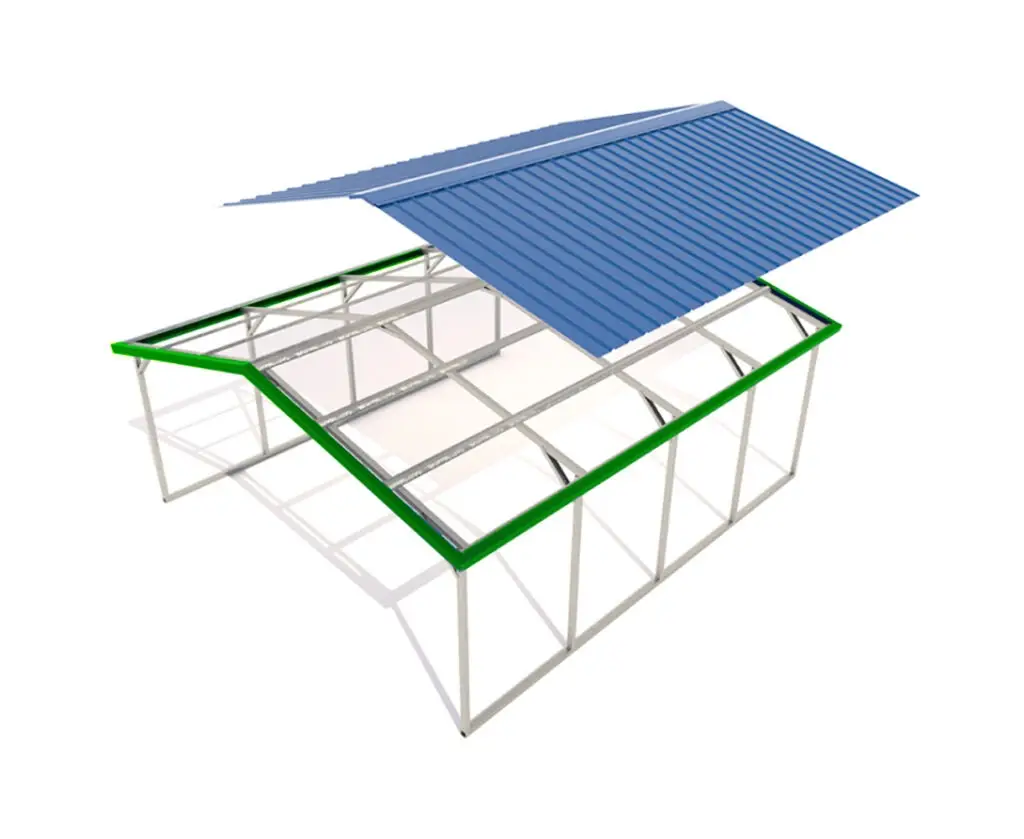
- Multiple roof styles (regular, A-frame horizontal, vertical)
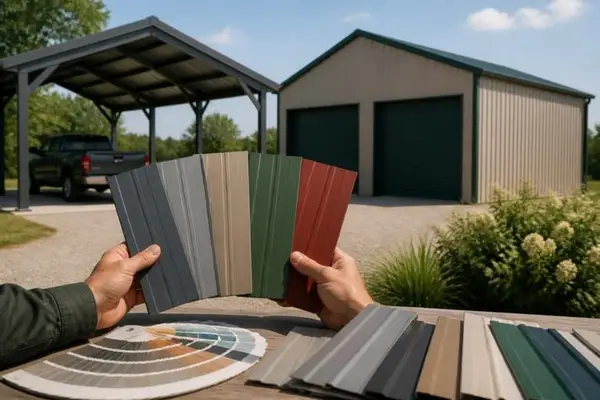
- Various siding and trim colors
- Wainscoting for enhanced appearance
- Partial or full enclosure configurations
Interior customization elements:
- Partition walls for office or storage areas
- Insulation packages appropriate for climate
- Mezzanine floors for additional workspace
- Overhead crane systems and support beams
Discuss customization possibilities with your metal workshop provider during planning stages. Changes made during design cost significantly less than modifications after construction completion.
Budgeting and Cost Considerations
Understanding total project costs prevents financial surprises and helps prioritize spending on features that deliver maximum value for your specific metal workshop needs.
Initial Construction Costs
Base building costs represent just one portion of total project expenses. Comprehensive budgeting includes site preparation, foundation, building structure, customization features, and installation.
Major cost factors:
- Building size and height
- Roof style and structural requirements
- Insulation and climate control systems
- Door quantity, size, and type
- Electrical service and distribution
- Site conditions and accessibility
Request detailed quotes that itemize all components rather than single lump-sum prices. This transparency helps identify potential savings and ensures fair pricing.
Ongoing Operational Expenses
Beyond construction, factor monthly operating costs into your planning. Utilities, maintenance, insurance, and eventual equipment replacement represent ongoing financial commitments.
Energy-efficient lighting, proper insulation, and efficient heating/cooling systems reduce monthly utility expenses. While premium systems cost more initially, lifecycle cost analysis often favors efficient equipment through reduced operating expenses.
Compliance and Permitting Costs
Building permits, impact fees, and inspections add to project costs. Requirements vary substantially by jurisdiction, making local research essential during budgeting.
Some areas require professional engineering stamps on building plans. Machine guarding standards and other safety regulations may mandate specific design features that affect costs. Budget contingencies for compliance-related expenses to avoid construction delays when issues arise.
Maintenance and Longevity Strategies
Proper maintenance extends your metal workshop's service life and preserves its functionality. Steel structures require less maintenance than many alternatives, but periodic attention prevents minor issues from becoming major problems.
Routine Inspection and Maintenance
Establish regular inspection schedules to identify potential problems early. Check these elements quarterly or after severe weather events:
- Fastener tightness and panel security
- Roof membrane condition and penetration seals
- Gutter and downspout function
- Door operation and weather sealing
- Foundation cracks or settlement
- Rust or corrosion at vulnerable points
Address identified issues promptly. Small repairs cost far less than major reconstruction projects resulting from deferred maintenance.
Protective Coatings and Rust Prevention
Modern steel panels feature factory-applied protective coatings that resist corrosion for decades. Maintaining these coatings through periodic cleaning and touch-up extends protection indefinitely.
Corrosion prevention practices:
- Keep panels clean and free from debris accumulation
- Touch up scratches or damaged coating immediately
- Ensure proper drainage prevents standing water
- Apply protective coatings to exposed fasteners
- Address any dissimilar metal contact that promotes galvanic corrosion
In coastal environments or industrial areas with corrosive atmospheres, specify enhanced coating systems during initial construction. The modest upcharge for upgraded protection proves worthwhile in harsh conditions.
Professional Installation vs. DIY Approaches
Whether to hire professional installers or attempt self-installation depends on your skills, available help, equipment access, and time constraints. Each approach offers distinct advantages and challenges.
Benefits of Professional Installation
Experienced installers complete projects faster with fewer complications than most DIY builders. They possess specialized tools, understand metal building assembly sequences, and navigate potential problems efficiently.
Professional installation typically includes warranties covering both materials and workmanship. This protection provides recourse if issues develop, whereas DIY projects leave you responsible for correcting any mistakes.
DIY Installation Considerations
Capable builders with construction experience, helper availability, and appropriate equipment can successfully erect metal workshop structures. Manufacturer-provided plans, pre-drilled components, and technical support facilitate self-installation.
DIY requirements:
- Minimum 3-4 capable helpers
- Tools including impact wrenches, ladders, scaffolding
- Equipment for lifting panels and roof components
- Several days of dedicated time
- Basic construction knowledge and safety awareness
Attempting DIY installation without adequate resources, skills, or help creates safety hazards and often produces unsatisfactory results requiring professional correction.
Creating an effective metal workshop requires careful attention to design, safety, structural requirements, and operational efficiency. From initial planning through final customization, each decision impacts your facility's functionality and longevity. Whether you need a compact fabrication space or an expansive multi-purpose facility, Metal Structure Sales LLC delivers customizable metal structures designed for demanding workshop applications, complete with professional installation and ongoing support to ensure your workspace meets every requirement.