

An insulated steel building represents one of the most practical investments for property owners seeking durable, energy-efficient structures that perform reliably year-round. Unlike traditional construction methods, these buildings combine the structural advantages of steel framing with advanced insulation systems that create comfortable interior environments while controlling operational costs. Whether you're planning a workshop, storage facility, agricultural building, or specialty space, understanding how insulation transforms a basic metal structure into a high-performance building helps you make informed decisions about your project.
Understanding Insulated Steel Building Construction
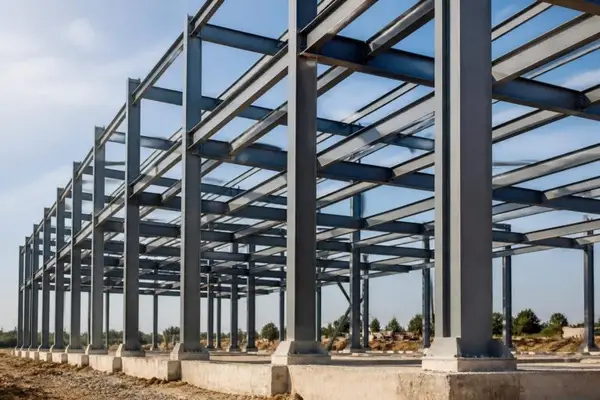
The foundation of any quality insulated steel building starts with proper engineering and material selection. Steel framing provides exceptional strength-to-weight ratios, allowing for wider clear spans and fewer interior support columns compared to wood or concrete alternatives. When combined with effective insulation strategies, these structures deliver performance that meets or exceeds modern building codes.
Core Components of Insulated Systems
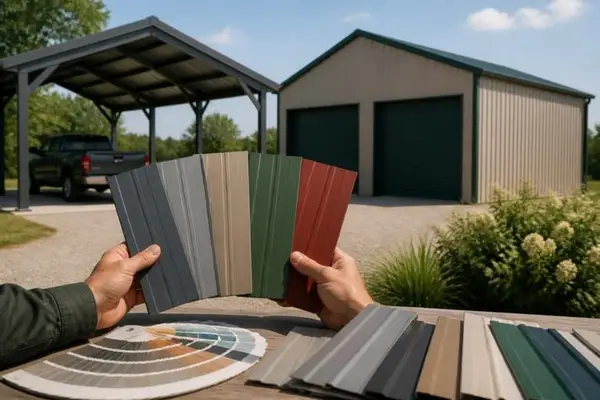
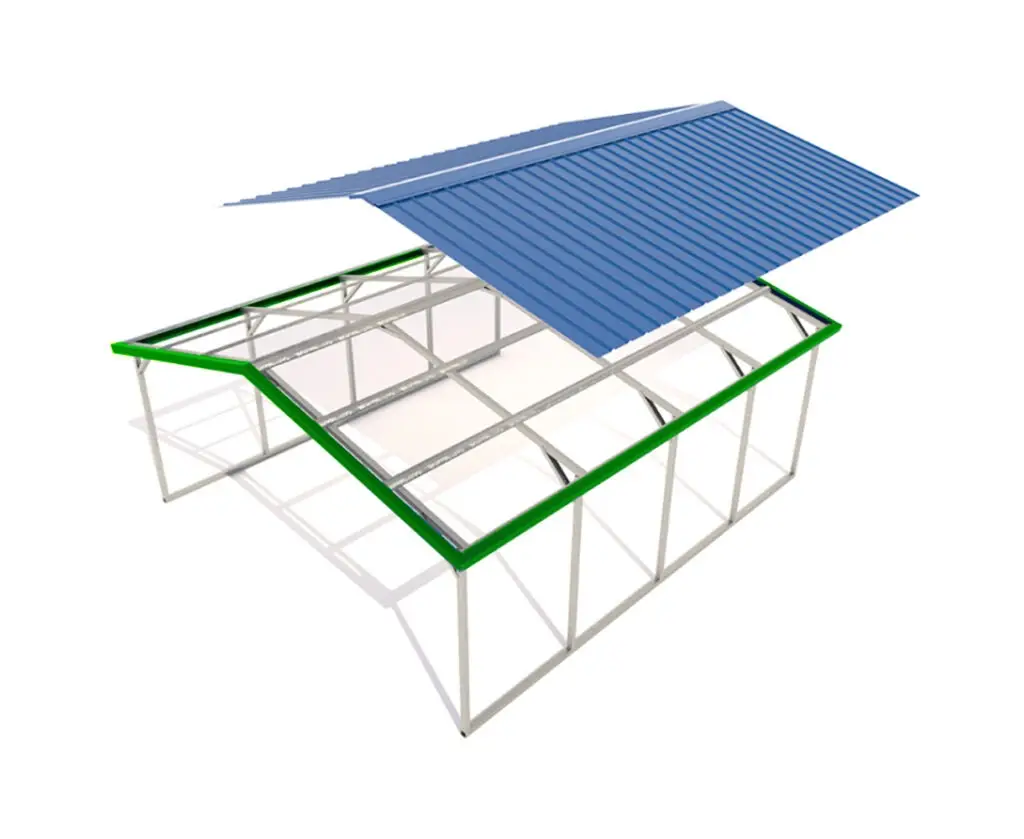
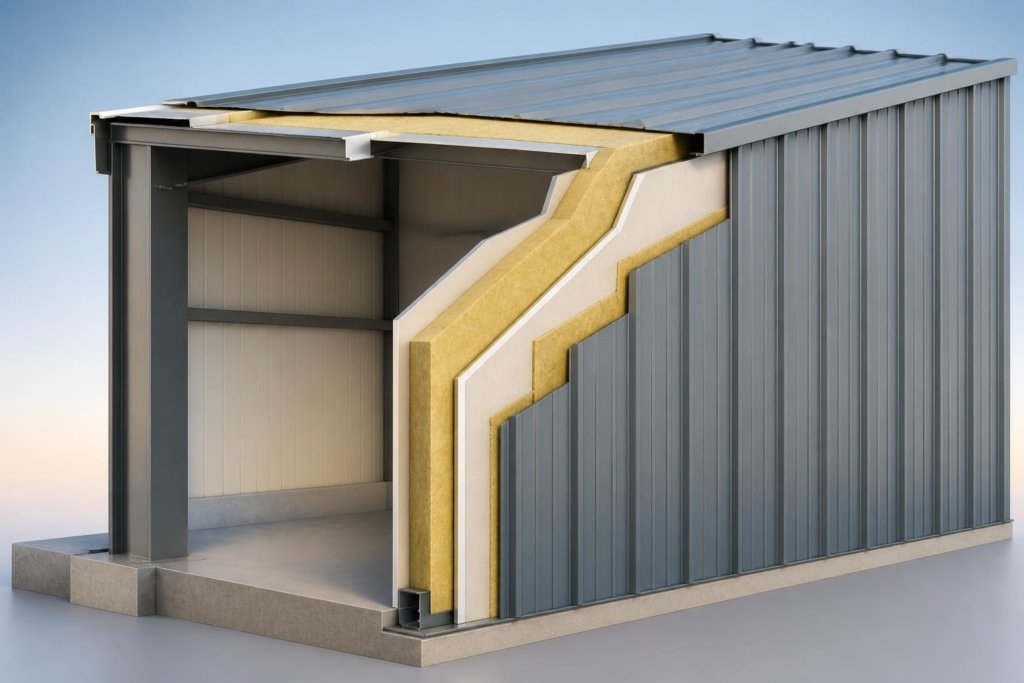
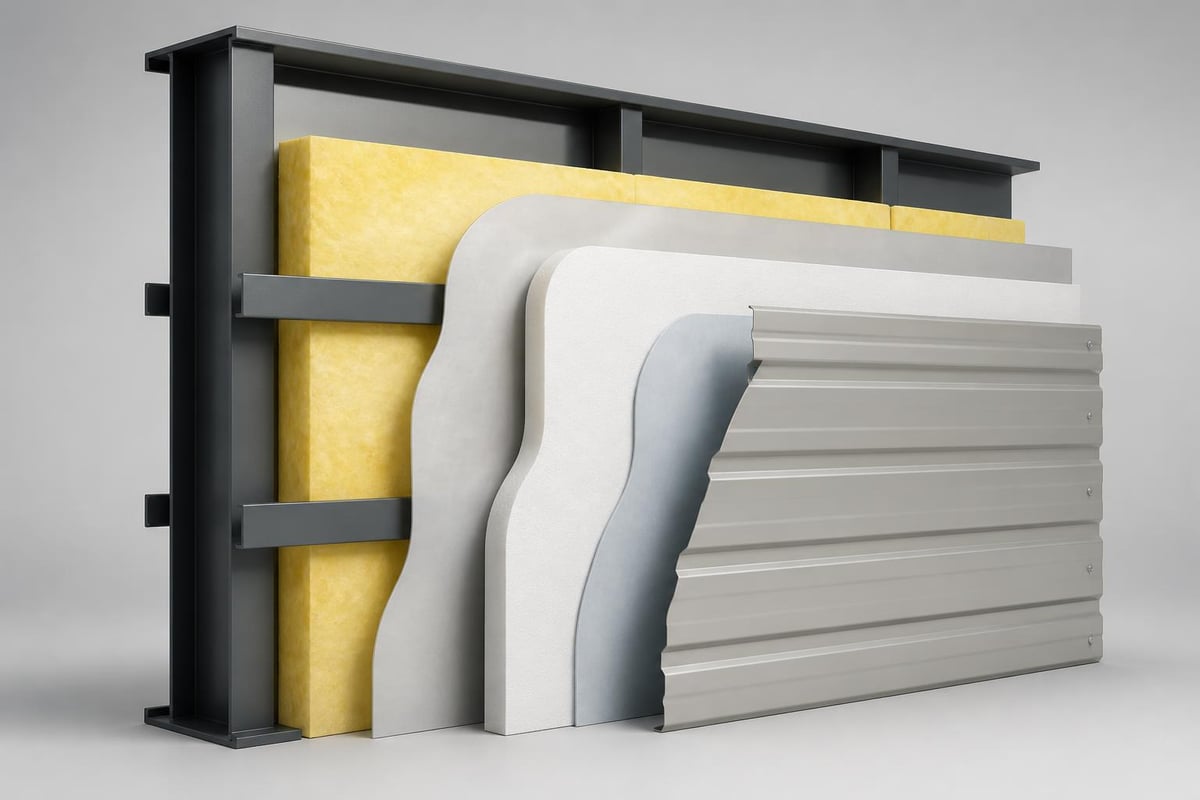
Modern insulated steel buildings incorporate several key elements working together. The primary steel frame consists of columns, beams, and purlins that create the structural skeleton. Metal panels form the exterior shell, available in various gauges and finishes. Between these layers, insulation materials create thermal barriers that control heat transfer.
Insulated metal panels (IMPs) represent the most advanced option, featuring factory-assembled sandwich construction with insulation foam permanently bonded between two metal skins. These panels arrive at job sites ready for installation, reducing labor time and ensuring consistent quality. According to industry performance standards, properly installed IMPs deliver superior thermal performance and weather resistance.
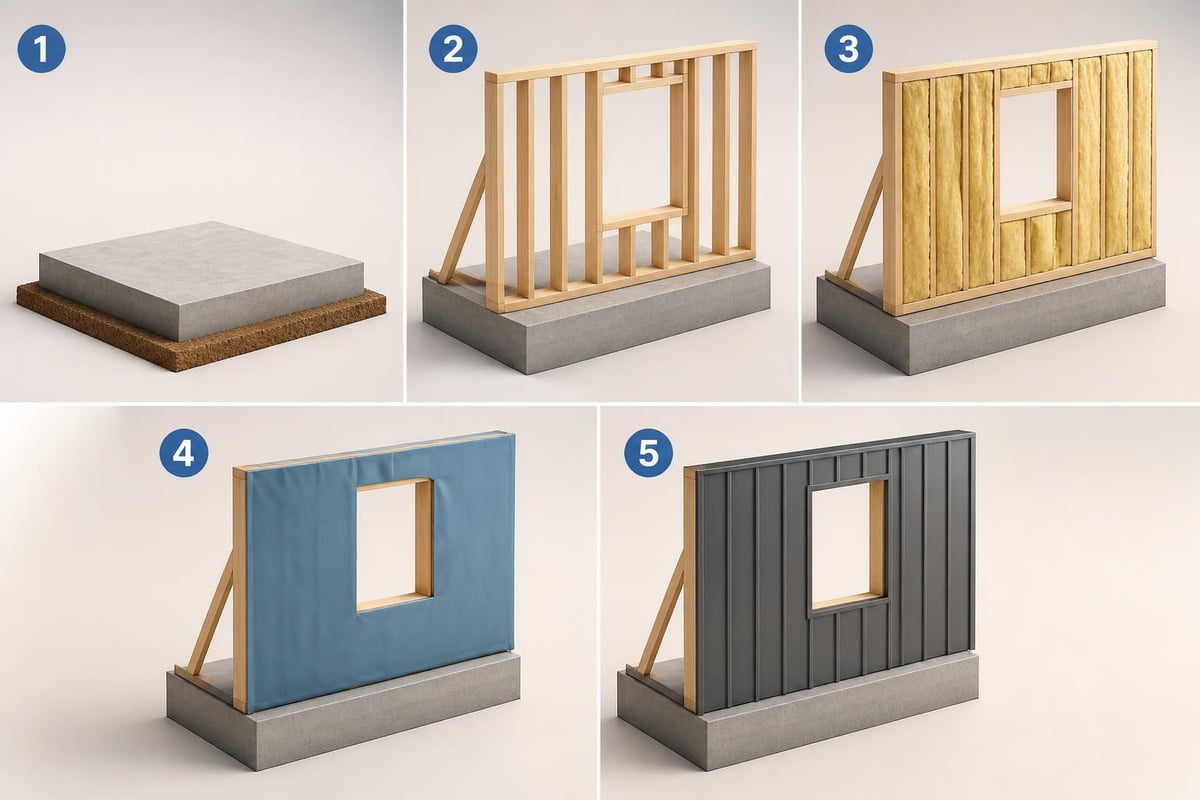
Traditional systems use separate insulation installed between framing members, then covered with interior and exterior panels. This approach offers flexibility in insulation type and thickness but requires more installation steps and careful attention to thermal bridging prevention.
Insulation Material Options and Performance
Selecting appropriate insulation for your steel building directly impacts long-term comfort and operating costs. Each material type offers distinct advantages suited to different applications and budgets.
Comparing Insulation Types
| Insulation Type | R-Value per Inch | Moisture Resistance | Cost Level | Best Applications |
|---|---|---|---|---|
| Fiberglass Batts | R-3.0 to R-3.8 | Low | Budget-friendly | Light-duty storage, seasonal use |
| Spray Foam | R-6.0 to R-7.0 | Excellent | Premium | Climate-controlled spaces, workshops |
| Rigid Foam Boards | R-4.0 to R-6.5 | Good | Moderate | General purpose, retrofit projects |
| Insulated Metal Panels | R-8.0 to R-20+ | Excellent | Premium | High-performance, commercial grade |
Fiberglass insulation remains popular due to affordability and widespread availability. When properly installed with appropriate vapor barriers, fiberglass batts provide adequate thermal protection for many standard applications. However, compression during installation or moisture exposure significantly reduces effectiveness.
Spray foam insulation creates seamless thermal barriers that fill gaps and irregular spaces conventional materials cannot reach. Closed-cell foam adds structural rigidity while providing excellent R-values and moisture resistance. As detailed in comprehensive insulation guides, spray foam addresses thermal bridging challenges particularly well.
Rigid foam boards offer a middle ground between batts and spray foam. These panels cut to fit between framing members and provide consistent thickness and R-values. Foil-faced versions include radiant barriers that reflect heat, enhancing performance in hot climates.
R-Value Requirements and Climate Considerations
Climate zones determine minimum insulation requirements for energy code compliance. Northern regions with harsh winters typically require R-30 or higher in walls and R-49 in roofs. Southern areas may specify R-13 walls and R-30 roofs. Beyond code minimums, selecting appropriate insulation levels based on intended use creates more comfortable, efficient buildings.
Temperature-controlled workshops, offices, or agricultural facilities benefit from higher R-values that reduce heating and cooling costs. Simple storage buildings in moderate climates may function adequately with basic insulation focused on condensation control rather than extreme thermal performance.
Installation Methods and Best Practices
Proper installation determines whether your insulated steel building achieves its performance potential. Even premium materials underperform when installed incorrectly, making attention to detail during construction essential.
Preparation and Planning Steps
- Conduct thorough site assessment including drainage evaluation and foundation planning
- Verify building codes and permits for your location and intended use
- Order materials with appropriate lead times to avoid construction delays
- Schedule installation during favorable weather when possible
- Arrange proper equipment and safety gear before beginning work
Foundation preparation affects the entire structure. Level, properly compacted bases prevent settling that can compromise panel alignment and create gaps in insulation coverage.
Insulated Panel Installation Techniques
Installing insulated metal panels requires precision to maintain thermal integrity. Panels must align perfectly at joints, with gaskets or sealants preventing air infiltration. Fasteners should penetrate structural members without compressing insulation or creating thermal bridges.
Starting at corners and working systematically across walls ensures consistent overlap and weather-tightness. Each panel locks into the previous one, creating continuous coverage. Trim pieces seal transitions at openings, corners, and roof-to-wall junctions.
For traditional batt or board insulation systems, vapor barrier placement becomes critical. Warm climates typically position barriers toward the exterior, while cold regions place them on the interior to prevent condensation within wall cavities. Understanding local climate patterns prevents moisture problems that compromise both insulation and structural components.
Energy Efficiency and Cost Savings
The primary advantage of an insulated steel building lies in reduced energy consumption over the structure's lifetime. Initial investment in quality insulation systems pays dividends through lower utility bills and improved occupant comfort.
Calculating Energy Savings
Monthly heating and cooling costs depend on multiple factors beyond insulation alone. Building size, local climate, usage patterns, and HVAC system efficiency all contribute to overall expenses. However, increasing wall insulation from R-13 to R-21 can reduce heating costs by 20-30% in cold climates. Similar improvements in roof insulation yield comparable savings.
- Reduced temperature fluctuations create more stable interior conditions
- Lower HVAC system requirements allow for smaller, less expensive equipment
- Decreased runtime on climate control systems extends equipment lifespan
- Improved comfort enhances productivity in workshop and office settings
According to detailed cost analyses, insulation upgrades typically achieve payback within 3-7 years through energy savings alone, with benefits continuing for decades thereafter.
Long-Term Value Considerations
Beyond monthly utility savings, properly insulated steel buildings offer additional financial advantages. Interior climate stability protects stored equipment, vehicles, and inventory from temperature extremes and moisture damage. For agricultural applications like metal horse barns, consistent temperatures contribute to animal health and comfort while reducing feed requirements during cold weather.
Property values increase when structures include energy-efficient features that appeal to environmentally conscious buyers. Premium insulation systems also enhance building aesthetics through cleaner interior finishes and elimination of visible condensation issues.
Condensation Control and Moisture Management
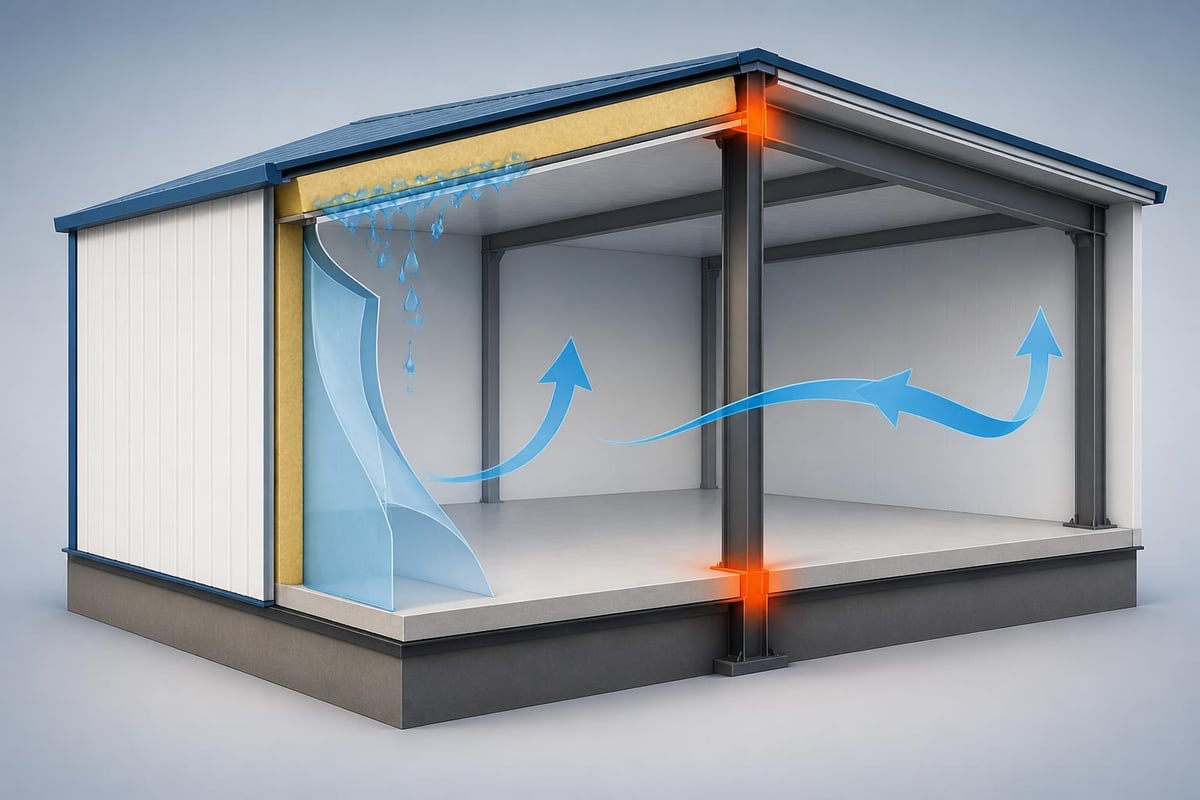
Moisture represents the primary enemy of any insulated steel building. Without proper vapor control and ventilation, condensation forms on cold metal surfaces, leading to rust, mold growth, and insulation deterioration.
Understanding Condensation Formation
Warm air holds more moisture than cold air. When humid interior air contacts cold exterior panels, water vapor condenses into liquid droplets. This process accelerates during winter months when temperature differentials between interior and exterior reach maximum levels.
Thermal bridging occurs where steel framing members penetrate insulation layers, creating cold spots that attract condensation. Addressing thermal bridging challenges requires continuous insulation coverage or thermal breaks that interrupt direct metal-to-metal contact between interior and exterior.
Proper vapor barrier placement stops moisture migration before it reaches condensation points. Barriers must be continuous, with all seams taped and penetrations sealed. Even small gaps allow significant moisture transfer over time.
Ventilation Strategies
Adequate airflow removes moisture that vapor barriers cannot stop. Ridge vents, soffit vents, and mechanical exhaust systems work together to maintain healthy air exchange rates.
| Ventilation Type | Application | Effectiveness | Cost |
|---|---|---|---|
| Ridge Vents | Passive roof ventilation | Good for attic spaces | Low |
| Soffit Vents | Intake air circulation | Essential for ridge vent systems | Low |
| Gable Vents | End wall ventilation | Moderate in most designs | Low |
| Powered Fans | Mechanical air exchange | Excellent control | Moderate |
| HVAC Systems | Climate control | Complete environment management | Premium |
Agricultural buildings housing livestock or storing hay require higher ventilation rates than workshop or storage facilities. Calculating appropriate ventilation capacity based on building use prevents moisture buildup while avoiding excessive heat loss during winter months.
Customization Options for Specific Applications
One significant advantage of choosing an insulated steel building involves the extensive customization possibilities available. Unlike pre-fabricated structures with fixed dimensions and features, modern steel buildings adapt to virtually any requirement.
Workshop and Office Configurations
Temperature-controlled work environments demand superior insulation performance combined with appropriate electrical, plumbing, and HVAC infrastructure. Wall insulation typically ranges from R-19 to R-30, with roof values reaching R-38 to R-49 depending on climate. Interior finishing options include drywall, painted steel liner panels, or exposed insulation with decorative facings.
Partition walls create separate climate zones, allowing heated office areas while maintaining unheated storage sections. This zoning reduces energy consumption by conditioning only occupied spaces. Advanced insulation requirements for workshops often include enhanced soundproofing between zones.
Storage and Agricultural Applications
Simple storage facilities may require only basic insulation focused on condensation prevention rather than climate control. R-10 to R-13 wall values combined with proper ventilation often suffice for protecting stored items without extensive heating or cooling systems.
Agricultural buildings present unique challenges. Livestock facilities need robust ventilation systems that remove ammonia and moisture while maintaining adequate winter temperatures. Equipment storage requires sufficient insulation to prevent freeze damage to vehicles and machinery without the expense of full climate control.
Specialty Structure Requirements
Certain applications demand specialized insulation approaches. Cold storage facilities require extremely high R-values, often R-30 walls and R-60 roofs, combined with vapor-impermeable barriers and thermal breaks at all structural penetrations. Auto repair shops need insulation systems compatible with spray booth requirements and local fire codes.
For those exploring insulated carport options, partial insulation strategies provide roof coverage that prevents snow and ice accumulation while controlling costs compared to fully insulated buildings. These hybrid approaches suit vehicle protection needs without workshop-level climate control expenses.
Maintenance and Longevity Factors
Properly maintained insulated steel buildings deliver decades of reliable service with minimal intervention. Understanding maintenance requirements during the planning phase helps protect your investment over its entire lifespan.
Routine Inspection Tasks
- Examine panel seams annually for gasket deterioration or separation
- Check fasteners for backing out or rust development
- Inspect roof surfaces after severe weather events
- Verify ventilation systems operate properly and remain unobstructed
- Monitor interior conditions for signs of moisture problems or temperature issues
Early detection of minor issues prevents major repairs. Small sealant gaps expand over time, allowing water infiltration that damages insulation and structural components. Addressing problems immediately minimizes repair costs and prevents cascading failures.
Performance Optimization
Insulation effectiveness gradually declines without proper care. Fiberglass batts settle or compress, reducing R-values by 10-20% over decades. Spray foam remains stable but can separate from framing if structural movement occurs. Regular inspections identify performance degradation before comfort or energy costs suffer noticeably.
Upgrading insulation during roof replacement or panel refurbishment makes economic sense. Modern materials outperform products from 20-30 years ago, and installation costs overlap with necessary repairs anyway. This strategic timing maximizes return on improvement investments.
Cost Factors and Budget Planning
Understanding the complete cost picture for an insulated steel building helps establish realistic budgets and prevents mid-project surprises. Multiple variables affect final expenses, from basic structure size to premium finishing options.
Initial Investment Components
Foundation preparation, steel framing, insulation systems, exterior panels, and installation labor comprise the major cost categories. Entry-level buildings with basic fiberglass insulation start around $15-20 per square foot for materials and installation. Premium structures featuring insulated metal panels, finished interiors, and advanced HVAC systems may reach $50-75 per square foot or higher.
Size dramatically impacts per-square-foot costs. Smaller buildings carry higher unit costs due to fixed expenses like delivery, permits, and minimum labor charges spreading across fewer square feet. Larger structures achieve economies of scale, reducing unit costs while increasing total project budgets.
Geographic location affects both material costs and installation rates. Remote areas face higher delivery charges and limited contractor availability. Urban markets offer competitive pricing but may require premium insurance or licensing for contractors. Understanding your regional market helps set appropriate budget expectations.
Long-Term Ownership Costs
Beyond construction expenses, operating costs influence total cost of ownership. Comprehensive cost guides demonstrate how premium insulation investments reduce 30-year energy expenses by thousands of dollars compared to minimal insulation approaches.
Maintenance requirements vary with material choices. Steel panels resist rot and pest damage that plague wood structures, reducing long-term upkeep costs. Quality insulation systems maintain performance for decades with minimal intervention. Budget $200-500 annually for routine maintenance on typical residential-scale buildings, with commercial facilities requiring proportionally more based on size and use.
Design Considerations for Maximum Performance
Thoughtful design choices during planning phases significantly impact your insulated steel building's long-term performance and satisfaction. Several key factors deserve careful consideration before finalizing plans.
Orientation and Solar Gain
Building orientation affects heating and cooling loads throughout the year. In northern climates, positioning longer walls facing south captures passive solar heat during winter months. Strategic window placement on southern exposures maximizes free heat gain while minimizing windows on cold northern walls reduces heat loss.
Southern regions benefit from opposite strategies. Minimizing south-facing windows and maximizing north-facing openings reduces cooling loads. Roof overhangs calculated for local latitude provide summer shade while allowing winter sun penetration when appropriate.
Door and Window Selection
Openings represent weak points in thermal envelopes. Even heavily insulated walls lose effectiveness when large, uninsulated doors or single-pane windows interrupt coverage. Insulated overhead doors with R-16 to R-18 values maintain thermal integrity while providing necessary access. Double or triple-pane windows with low-E coatings minimize heat transfer through glazed areas.
Door sizing affects both construction costs and operational efficiency. Oversized openings accommodate larger equipment but increase material expenses and heat loss. Right-sizing access points based on actual needs optimizes both aspects. For insights on maximizing usable space efficiently, consider how proper planning addresses carport space optimization principles that apply to any steel structure.
Future Expansion Planning
Steel buildings accommodate additions and modifications more easily than many construction types. Planning potential expansions during initial design stages ensures structural compatibility and cost-effective future work. Locating doors and utilities along walls opposite planned additions prevents relocation expenses later.
Oversizing electrical services and HVAC systems slightly during initial construction costs less than upgrading later. Building panels with matching profiles and colors becomes difficult after manufacturers discontinue product lines, making expansion matching challenging years later.
Regional Climate Adaptation Strategies
Different climate zones demand specific approaches to insulated steel building design and construction. Tailoring your project to local conditions optimizes performance and cost-effectiveness.
Cold Climate Requirements
Northern regions prioritize heating efficiency and snow load capacity. Insulation values should exceed minimum code requirements, particularly in roofs where heat loss concentrates. Vapor barriers belong on warm interior surfaces to prevent condensation within wall cavities. Roof pitches of 3:12 or steeper shed snow effectively, reducing structural load concerns.
Heated floors using radiant systems or insulated slabs maintain comfortable temperatures while reducing vertical stratification that concentrates heat near ceilings. Vestibule entries create air locks that minimize heat loss during access. For those researching metal building options across various regions, understanding local climate requirements helps specify appropriate insulation and features.
Hot and Humid Climate Strategies
Southern locations face opposite challenges. Cooling loads dominate energy consumption, making radiant barriers and reflective roof coatings valuable additions. Vapor barriers shift to exterior locations, preventing humid outdoor air from condensing within cooler interior wall cavities.
Enhanced ventilation removes heat and moisture buildup in unconditioned spaces. Ridge vents combined with soffit intakes create continuous airflow that exhausts hot attic air before it transfers through ceilings. Lighter-colored roof panels reflect solar radiation rather than absorbing heat.
Moderate Climate Optimization
Temperate regions with mild heating and cooling seasons achieve optimal performance through balanced approaches. Moderate insulation levels provide adequate comfort without premium system expenses. R-19 walls and R-30 roofs typically suffice for most applications.
Natural ventilation strategies using operable windows and doors reduce mechanical cooling needs during spring and fall months. Thermal mass from concrete floors stabilizes temperature swings between day and night, reducing HVAC runtime.
An insulated steel building delivers unmatched versatility, durability, and energy efficiency for property owners seeking long-term value and performance. By understanding insulation options, installation best practices, and climate-specific requirements, you can make informed decisions that create comfortable, cost-effective structures serving diverse needs for decades. Whether you need vehicle protection, workshop space, agricultural facilities, or specialty storage, Metal Structure Sales LLC provides customizable metal buildings with quality insulation systems, professional installation, and the expertise to help you select the perfect solution for your specific requirements and budget.