

Steel metal buildings have transformed the construction landscape over the past decade, offering property owners and businesses a reliable alternative to traditional wood-frame structures. These engineered solutions combine structural integrity with cost efficiency, making them increasingly popular for residential, commercial, and agricultural applications. As construction methods evolve and sustainability becomes a priority, steel metal buildings continue to deliver exceptional performance across diverse climate zones and use cases.
Understanding Steel Metal Building Construction
The foundation of any quality steel metal building lies in its engineered frame system. Modern structures utilize cold-formed steel or hot-rolled steel components that provide superior strength while minimizing material waste. Pre-engineered metal buildings represent the most common approach, where components are manufactured to precise specifications in controlled factory environments before being shipped to the construction site.
Frame Systems and Structural Components
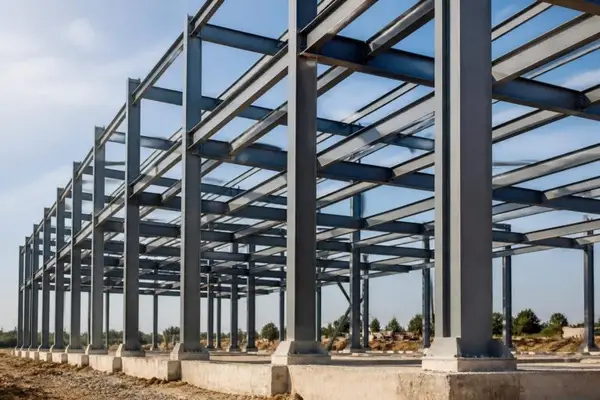
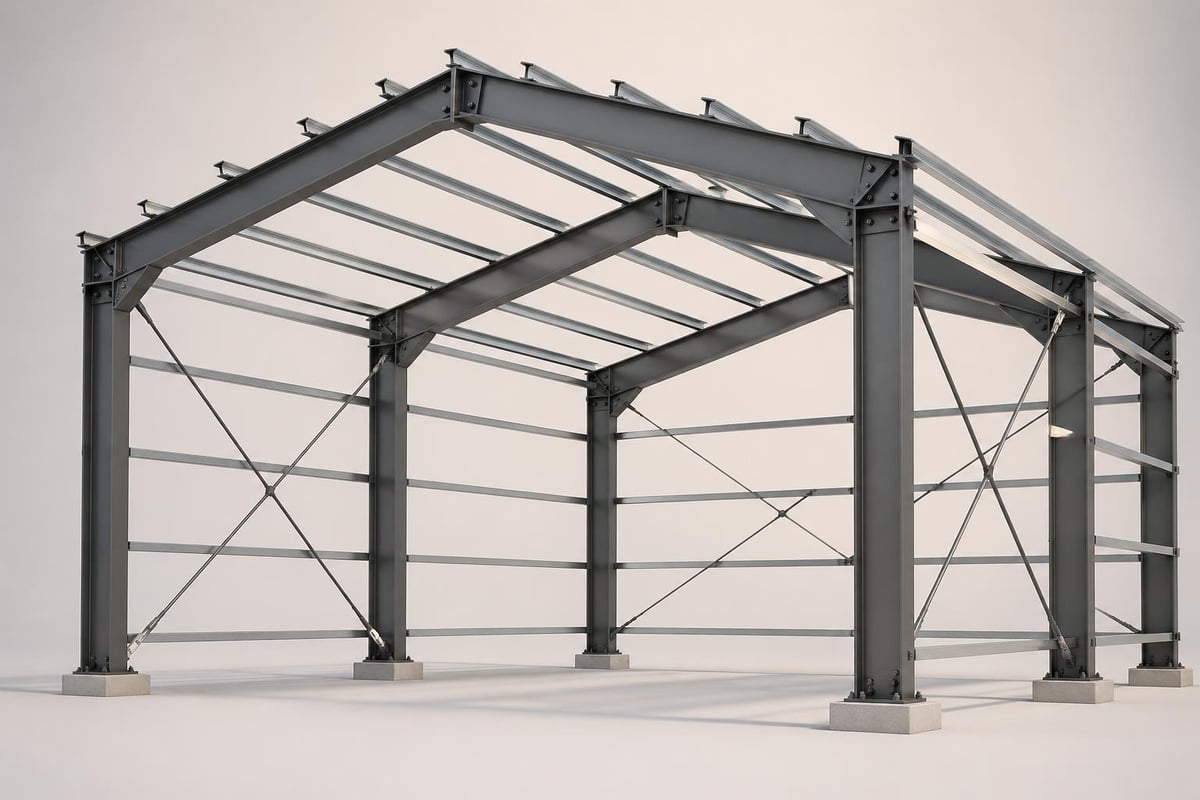
Steel metal buildings typically employ one of three primary frame systems: rigid frame, modular, and post-frame construction. Rigid frame systems offer clear-span capabilities, eliminating the need for interior support columns and maximizing usable space. This design proves particularly valuable for workshops, warehouses, and storage facilities where unobstructed floor space enhances functionality.
The structural integrity depends on several key components working together:
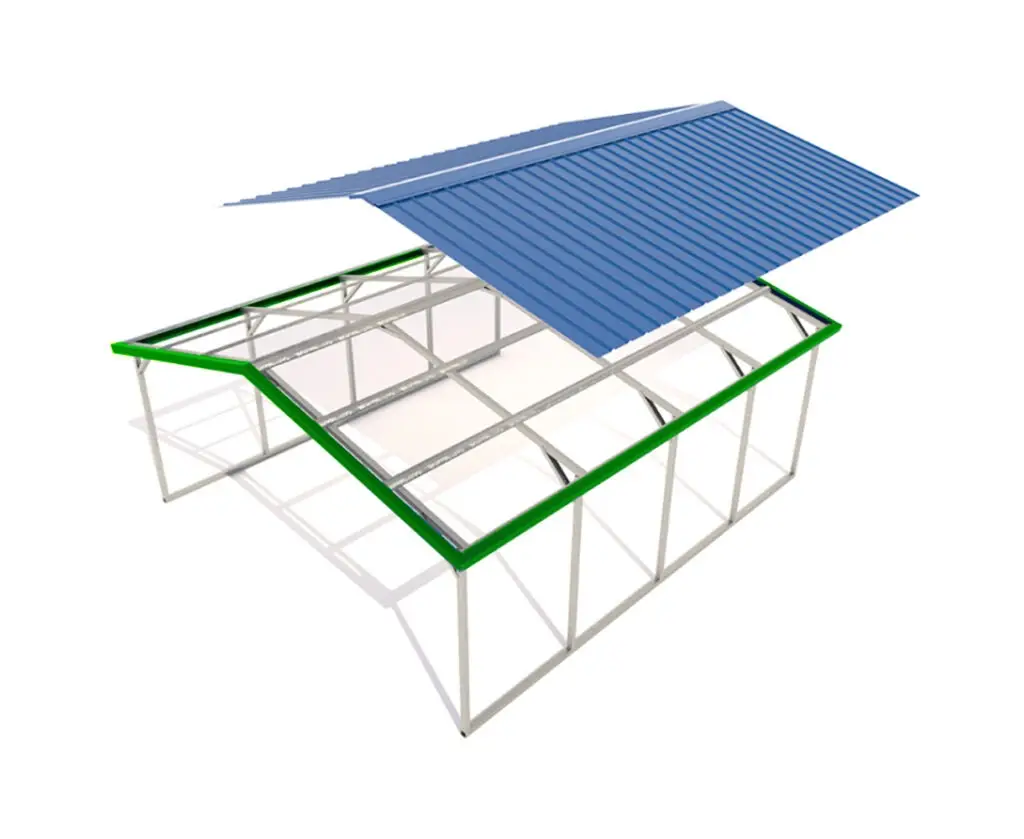
- Primary framing members including columns and rafters that bear the main structural loads
- Secondary framing elements such as purlins and girts that support wall and roof panels
- Bracing systems that provide lateral stability and resistance to wind forces
- Connection hardware engineered to transfer loads efficiently throughout the structure
Understanding structural standards for metal buildings ensures your investment meets safety requirements and performance expectations. These standards address everything from load calculations to material specifications, providing a framework for quality construction.
Design Flexibility and Customization Options
One of the most compelling advantages of steel metal buildings is their remarkable versatility. Unlike traditional construction methods that impose design limitations, steel framing systems accommodate virtually any architectural vision. Property owners can specify exact dimensions, roof styles, and interior layouts without compromising structural performance.
Roof Configurations and Styles
The roof style significantly impacts both aesthetics and functionality. Regular roof styles feature rounded corners and horizontal panels, providing economical protection for basic storage needs. Vertical roof systems incorporate panels that run from ridge to eave, facilitating superior water drainage and snow shedding in regions with heavy precipitation.
| Roof Style | Best Applications | Key Benefits | Cost Consideration |
|---|---|---|---|
| Regular | Basic storage, covered parking | Most economical option | Baseline pricing |
| A-Frame Horizontal | Moderate weather exposure | Improved drainage over regular | Mid-range pricing |
| Vertical | Heavy snow/rain regions | Superior weather performance | Premium pricing |
Gable ends provide additional weather protection and visual appeal, while extended gable ends create covered walkways or additional sheltered space. These customization options allow steel metal buildings to complement existing architectural styles while meeting specific functional requirements.
Interior Layout Considerations
Steel framing enables flexible interior configurations that adapt to changing needs over time. Clear-span designs eliminate load-bearing walls, allowing property owners to reconfigure spaces without structural modifications. This adaptability proves invaluable for businesses that anticipate growth or changing operational requirements.
When planning interior layouts for steel metal buildings, consider these factors:
- Door placement and sizing for equipment access and workflow efficiency
- Window locations to maximize natural light and ventilation
- Partition walls that can be relocated as needs evolve
- Electrical and plumbing runs integrated into the framing system
- Insulation strategies to optimize energy efficiency and comfort
Applications Across Industries and Uses
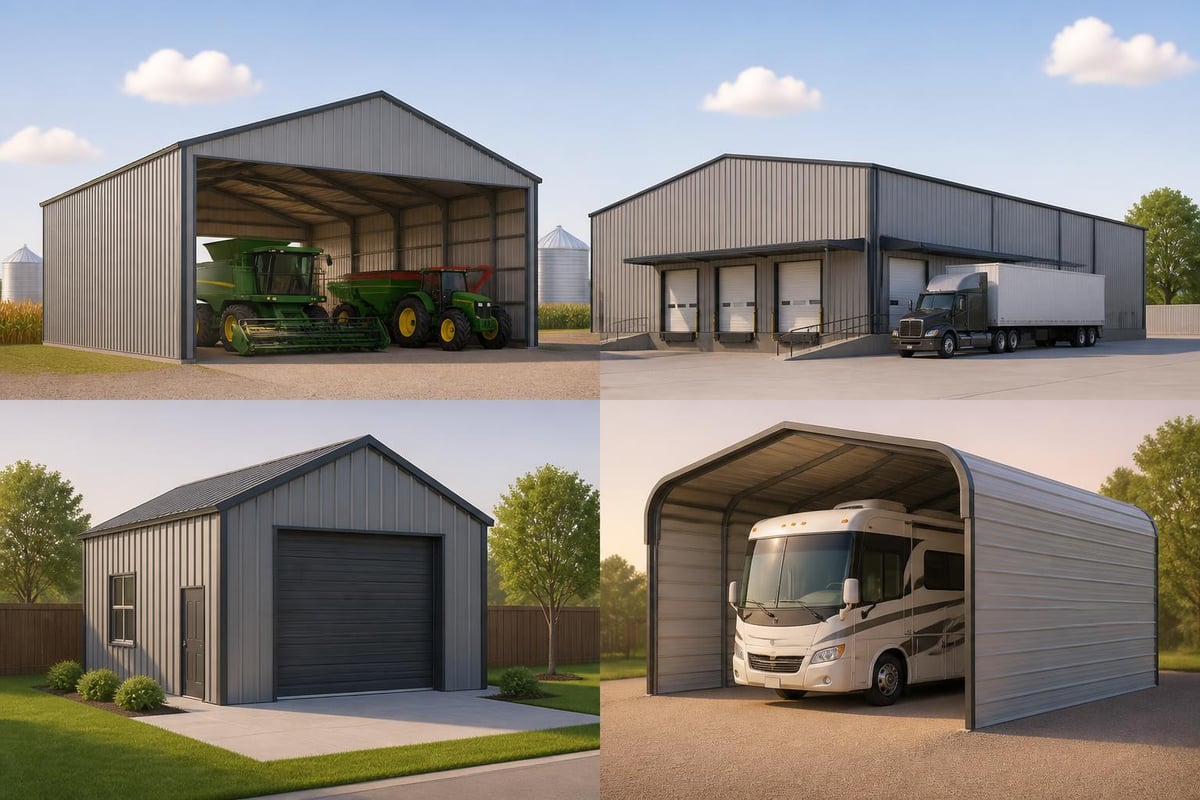
Steel metal buildings serve an exceptionally broad range of applications, from agricultural operations to commercial enterprises. Their versatility stems from the ability to customize every aspect of the structure to match specific operational requirements.
Agricultural and Livestock Operations
Farmers and ranchers have long recognized the value of steel metal buildings for protecting equipment, storing feed, and housing livestock. These structures withstand harsh weather conditions while providing the ventilation and natural light essential for animal welfare. Equipment storage buildings protect valuable machinery from corrosion and weather damage, extending operational lifespans and reducing maintenance costs.
Metal structures designed for horse barns and livestock facilities incorporate features such as increased leg height for animal comfort, strategically placed openings for airflow, and durable flooring options that simplify cleaning and maintenance.
Commercial and Industrial Facilities
Businesses across industries rely on steel metal buildings for warehousing, manufacturing, and retail operations. The speed of construction minimizes disruption to business operations, while the structural efficiency reduces long-term operating costs. Clear-span interiors accommodate forklifts, production lines, and inventory storage without spatial constraints.
Professional contractors and tradespeople increasingly choose steel structures for workshops and equipment storage. These buildings provide secure, weather-protected spaces for tools and materials while offering room for project work and vehicle maintenance.
Cost Factors and Economic Considerations
Understanding the financial aspects of steel metal buildings requires looking beyond initial purchase prices to evaluate total lifetime costs. While upfront investments vary based on size, features, and regional factors, these structures typically deliver superior value compared to conventional construction methods.
Initial Investment Components
The base cost of steel metal buildings reflects several variables. Size represents the primary driver, with pricing typically calculated per square foot. A basic 20×30-foot structure serves as an entry point for most residential applications, while commercial operations often require buildings spanning thousands of square feet.
Customization features incrementally affect pricing:
- Increased leg height to accommodate taller vehicles or equipment
- Upgraded gauge steel for enhanced structural capacity
- Additional doors and windows beyond standard configurations
- Insulation packages for climate-controlled environments
- Foundation preparation and site work requirements
Many suppliers, including metal carport specialists, include delivery and installation in quoted prices, simplifying budgeting and project planning. This comprehensive pricing approach eliminates surprise costs and provides clearer financial projections.
Long-Term Value and Maintenance Savings
Steel metal buildings deliver exceptional return on investment through reduced maintenance requirements and extended service lives. Unlike wood structures that demand regular painting, termite treatments, and rot repairs, steel requires minimal ongoing attention. Quality powder-coated finishes protect against corrosion for decades, maintaining appearance with occasional cleaning.
Energy efficiency represents another significant cost advantage. Insulated steel buildings maintain consistent interior temperatures with less HVAC demand compared to traditional construction. Reflective roof coatings further reduce cooling loads in warm climates, lowering utility expenses year after year.
Building Codes and Regulatory Compliance
Successful steel metal building projects require understanding and adhering to applicable building codes and permitting requirements. These regulations ensure structural safety, protect public welfare, and establish minimum performance standards for construction projects.
Code Requirements and Standards
Most jurisdictions in the United States adopt building codes based on the International Building Code (IBC) or similar standards. These codes specify load requirements, foundation criteria, and structural design parameters that steel metal buildings must satisfy. Engineers calculate snow loads, wind resistance, and seismic considerations based on local climate data and geographic factors.
Professional manufacturers provide engineered drawings and certifications demonstrating code compliance. These documents prove essential during the permitting process and provide assurance that structures meet safety standards. The OSHA guidelines for metal building erection establish safety protocols for installation, protecting workers and property during construction.
Permitting Process and Documentation
Securing proper permits before beginning construction protects property owners from legal complications and potential fines. The permitting process varies by location but typically requires:
- Submitting site plans showing structure placement and property boundaries
- Providing engineered drawings with load calculations and specifications
- Demonstrating compliance with setback requirements and zoning regulations
- Scheduling inspections at key construction milestones
- Obtaining final approval and certificate of occupancy
Some jurisdictions impose additional requirements for commercial structures or buildings exceeding certain size thresholds. Working with experienced suppliers familiar with local regulations streamlines the permitting process and reduces delays.
Installation and Construction Timeline
The construction speed of steel metal buildings represents one of their most attractive features. Pre-engineered components arrive ready for assembly, dramatically reducing on-site labor requirements and construction timelines compared to traditional building methods.
Site Preparation Requirements
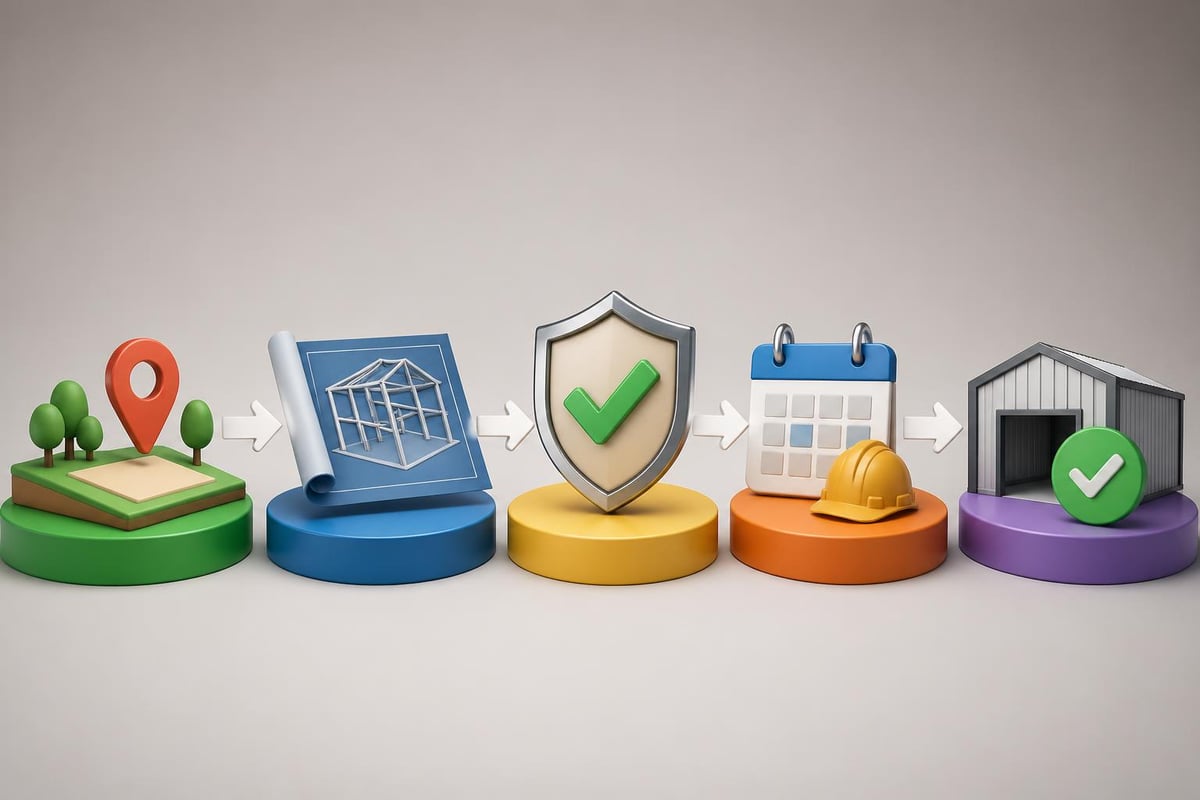
Proper site preparation establishes the foundation for successful installation. The process begins with clearing and leveling the building footprint, ensuring adequate drainage away from the structure. Foundation options include concrete slabs, pier systems, and gravel pads, with selection depending on building size, intended use, and soil conditions.
Critical site preparation steps include:
- Surveying the property to establish accurate building placement
- Excavating and grading to create a level building pad
- Installing utilities if the structure will include electrical or plumbing systems
- Pouring concrete foundations or setting pier footings
- Allowing adequate curing time for concrete before beginning assembly
Professional installation teams can typically erect steel metal buildings within days once the foundation is ready. Smaller carport structures may require only a single day for assembly, while larger enclosed buildings with multiple compartments might take several days to complete.
Assembly Process and Techniques
Modern steel metal buildings utilize bolt-together construction that simplifies assembly while maintaining structural integrity. Experienced crews follow systematic procedures to ensure proper alignment and secure connections. The process begins with positioning base rails or columns, progressing through framework assembly, and concluding with panel installation and trim work.
Quality manufacturers provide detailed installation manuals and component labeling systems that guide assembly. These resources help ensure correct component placement and proper connection torque specifications. For property owners interested in understanding the steel building manufacturing process, this knowledge provides insight into the precision engineering behind these structures.
Material Quality and Durability Standards
The longevity and performance of steel metal buildings depend heavily on material quality and protective coatings. Understanding these factors helps property owners make informed decisions and set appropriate expectations for structure lifespan.
Steel Gauge and Strength Ratings
Steel thickness is measured in gauge numbers, with lower numbers indicating thicker, stronger material. Common gauges for metal building components range from 14-gauge to 29-gauge, with selection based on structural requirements and local code mandates. Frame members typically utilize 12-gauge or 14-gauge steel to provide necessary load-bearing capacity, while roof and wall panels may use 26-gauge or 29-gauge material.
The framing steel used in building construction undergoes specific manufacturing processes to achieve required strength characteristics. Cold-formed steel offers excellent strength-to-weight ratios, while maintaining dimensional consistency that simplifies assembly and ensures proper fit.
| Component | Typical Gauge | Primary Function | Strength Consideration |
|---|---|---|---|
| Frame columns | 12-14 gauge | Vertical load support | Must support roof and snow loads |
| Rafters | 12-14 gauge | Roof structure | Spans building width |
| Purlins | 14-16 gauge | Roof panel support | Spacing affects strength needs |
| Wall/roof panels | 26-29 gauge | Weather protection | Thicker for impact resistance |
Protective Coatings and Finishes
Corrosion resistance determines the long-term durability of steel metal buildings. Modern structures incorporate multiple protection layers starting with galvanized steel substrate that resists rust even if the outer coating is damaged. Factory-applied paint systems add color while providing additional barrier protection against moisture and UV exposure.
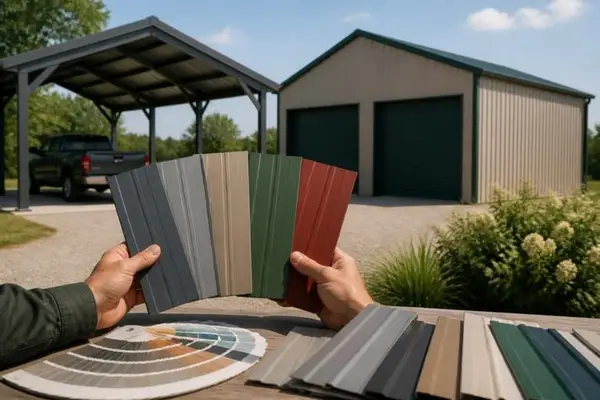
Premium powder-coated finishes offer superior adhesion and impact resistance compared to traditional paint applications. These coatings resist chalking, fading, and peeling, maintaining appearance for decades with minimal maintenance. Color selection extends beyond aesthetics, with lighter colors reflecting more solar radiation to reduce cooling loads.
Wide-Span Capabilities for Large Applications
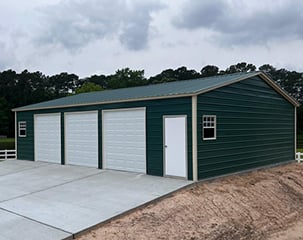
Some applications demand exceptional clear-span capabilities that push the limits of standard building designs. Wide span metal structures over 30 feet wide provide the space needed for RV storage, equipment maintenance facilities, and commercial operations requiring unobstructed floor areas. These engineered solutions accommodate widths ranging from 32 feet to 60 feet or more, while maintaining structural integrity and code compliance.
The engineering challenges of wide-span construction require careful attention to load distribution and bracing systems. Advanced framing techniques and strategic reinforcement placement enable these impressive clear spans without intermediate support columns.
Environmental Impact and Sustainability
Sustainability considerations increasingly influence construction decisions, and steel metal buildings offer several environmental advantages over traditional building methods. The recyclability of steel, energy efficiency potential, and reduced construction waste contribute to lower environmental footprints.
Recyclability and Material Efficiency
Steel ranks among the most recycled materials globally, with metal building components retaining full structural properties through repeated recycling cycles. At the end of a structure's service life, steel components can be completely reclaimed and reprocessed into new products without quality degradation. This closed-loop recyclability reduces demand for virgin materials and minimizes landfill waste.
The precision manufacturing of pre-engineered steel metal buildings generates minimal material waste during production. Computer-controlled cutting and forming equipment optimizes material usage, while factory environments enable efficient scrap collection and recycling. On-site construction waste is similarly reduced, as components arrive pre-cut to exact specifications.
Energy Efficiency Opportunities
Steel's thermal properties require thoughtful insulation strategies to optimize energy performance. Modern insulation systems include fiberglass batts, spray foam, and rigid board products that dramatically improve thermal resistance. Properly insulated steel metal buildings achieve energy efficiency comparable to or exceeding conventional construction.
Energy-saving features for steel structures:
- Reflective roof coatings that reduce solar heat gain
- Continuous insulation systems eliminating thermal bridging
- Strategic window placement for natural daylighting
- Ventilation systems that reduce mechanical cooling demands
- LED lighting integrated into energy-efficient electrical systems
Research from the Steel Deck Institute demonstrates ongoing innovations in metal building performance, including enhanced insulation techniques and sustainable design practices that reduce operational energy consumption.
Regional Considerations and Climate Adaptation
Steel metal buildings perform effectively across diverse climate zones when properly engineered for local conditions. Regional factors including snow loads, wind speeds, seismic activity, and temperature extremes influence design specifications and material selection.
Snow Load and Wind Resistance Engineering
Northern regions with heavy snowfall require enhanced roof strength to support accumulated loads. Engineers calculate snow load requirements based on local weather data, increasing frame strength and reducing spacing between supporting members as needed. Vertical roof systems facilitate snow shedding, reducing accumulation and minimizing structural loads.
Coastal areas and tornado-prone regions demand superior wind resistance. Enhanced anchoring systems, additional bracing, and reinforced connections ensure structures withstand extreme wind events. Building codes specify wind speed ratings based on geographic location, with metal building codes and permits varying accordingly.
Temperature and Moisture Management
Extreme temperature fluctuations challenge building envelope performance. Thermal expansion and contraction are accommodated through proper fastener selection and panel installation techniques that allow controlled movement. Condensation management becomes critical in humid environments, with vapor barriers and adequate ventilation preventing moisture accumulation.
Desert climates present unique challenges including intense UV exposure and temperature swings exceeding 50 degrees between day and night. Premium coating systems resist UV degradation, while insulation packages moderate interior temperature extremes. Properties in Texas and similar high-temperature regions benefit from reflective roofing and adequate ventilation to reduce cooling demands.
Financing and Ownership Options
Acquiring steel metal buildings involves several financial pathways depending on property ownership status, available capital, and tax considerations. Understanding these options helps property owners structure purchases advantageously.
Purchase and Ownership Models
Direct purchase represents the most straightforward acquisition method, with buyers paying the full cost upfront or through traditional financing. Many suppliers offer financing programs through partner lenders, enabling monthly payments spread over several years. These programs may include promotional periods with reduced interest rates or deferred payment options.
Lease-to-own arrangements provide alternative pathways for property owners unable to secure conventional financing. These agreements typically involve higher overall costs but enable acquisition without significant upfront capital. Rental options exist for temporary needs, though purchasing generally proves more economical for permanent installations.
Tax Implications and Depreciation
Business owners may qualify for tax advantages when purchasing steel metal buildings for commercial use. The IRS allows depreciation of business structures over specified periods, reducing taxable income. Recent tax legislation has included provisions for accelerated depreciation and bonus depreciation that enable more rapid cost recovery.
Agricultural property owners often benefit from specific tax treatments for farm buildings and equipment storage structures. Consulting with tax professionals ensures compliance while maximizing available deductions. Documentation requirements include maintaining receipts, engineered drawings, and permits that substantiate the business purpose and structure cost.
Market Trends and Industry Evolution
The steel metal building industry continues evolving, driven by technological advances, changing customer preferences, and economic factors. Understanding current trends provides context for purchase decisions and future planning.
Technology Integration and Smart Buildings
Modern steel metal buildings increasingly incorporate technology that enhances functionality and convenience. Automated door systems, integrated security cameras, and climate control systems transform basic storage structures into sophisticated facilities. Solar panel integration represents a growing trend, with metal roofs providing ideal mounting surfaces for photovoltaic arrays.
The global pre-engineered metal buildings market demonstrates consistent growth driven by construction efficiency demands and sustainable building practices. Industry analysts project continued expansion as more property owners recognize the advantages of engineered steel solutions.
Design Aesthetics and Architectural Innovation
Contemporary steel metal buildings transcend utilitarian appearances, incorporating design elements that complement residential and commercial architecture. Mixed material approaches combine steel framing with stone, wood, or glass accents that create visually appealing structures. Color matching programs ensure new buildings harmonize with existing structures on the property.
Manufacturers now offer extensive customization options that were previously unavailable or prohibitively expensive. Advanced manufacturing capabilities enable complex roof lines, custom trim packages, and architectural details that rival traditional construction aesthetics. This evolution expands market appeal beyond purely functional applications to include structures where appearance carries equal weight with performance.
Steel metal buildings deliver unmatched versatility, durability, and value for property owners seeking reliable protection for vehicles, equipment, and storage needs. From understanding structural components and customization options to navigating permits and financing, informed decisions ensure successful projects that serve for decades. Metal Structure Sales LLC provides comprehensive solutions including customizable metal carports, RV covers, and fully enclosed buildings with delivery and installation included, helping you find the perfect structure tailored to your specific requirements.